Newsletters


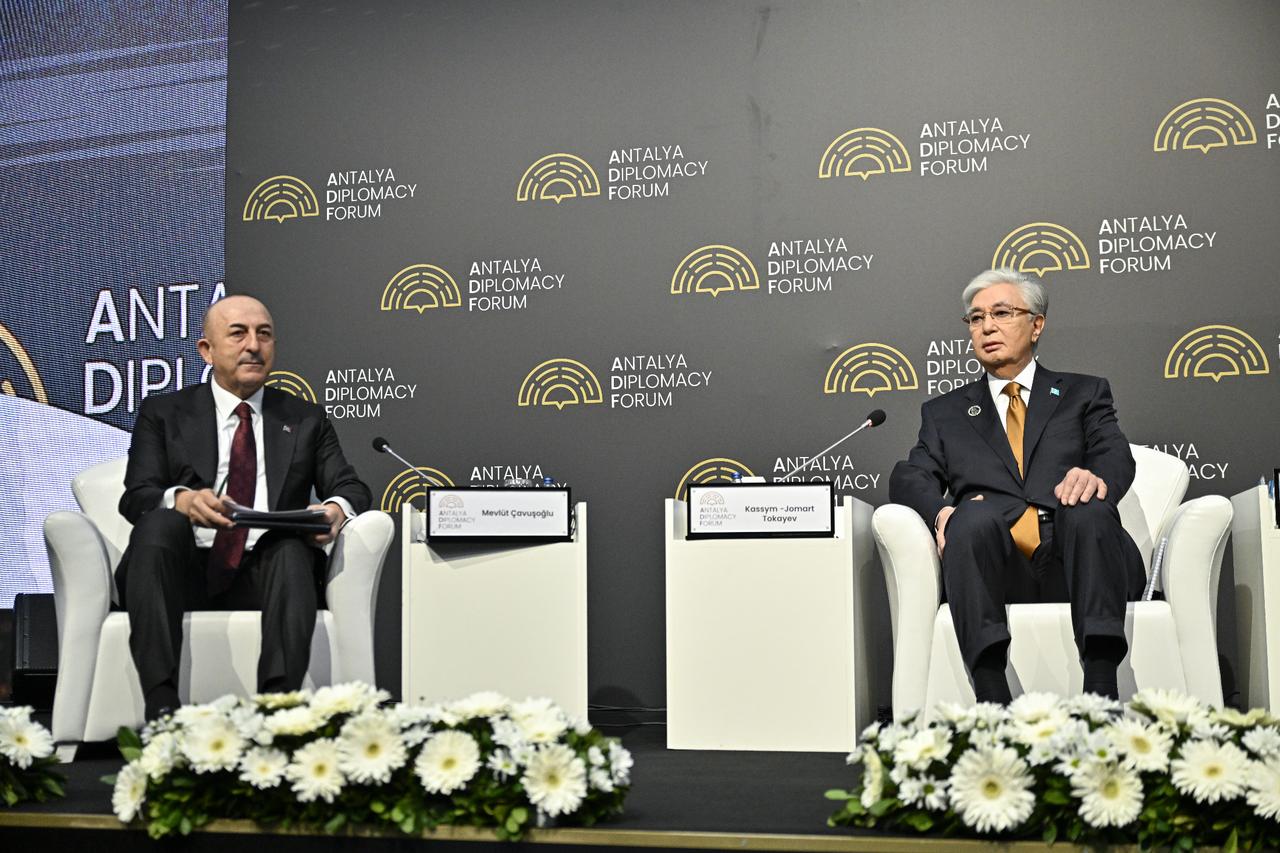


Leaders speaking at the Antalya Diplomacy Forum said the United Nations must be reformed and reexamined as the world faces deepening wars, insecurity, inequality and institutional weakness.
Participants warned that diplomacy cannot prevail unless a rules-based international order is restored.
The remarks came during a panel titled “Managing Uncertainties While Designing Tomorrow” at the Antalya Diplomacy Forum 2026, held at the NEST Congress Center in the Belek tourism region, where Anadolu Agency served as the forum’s global communication partner.
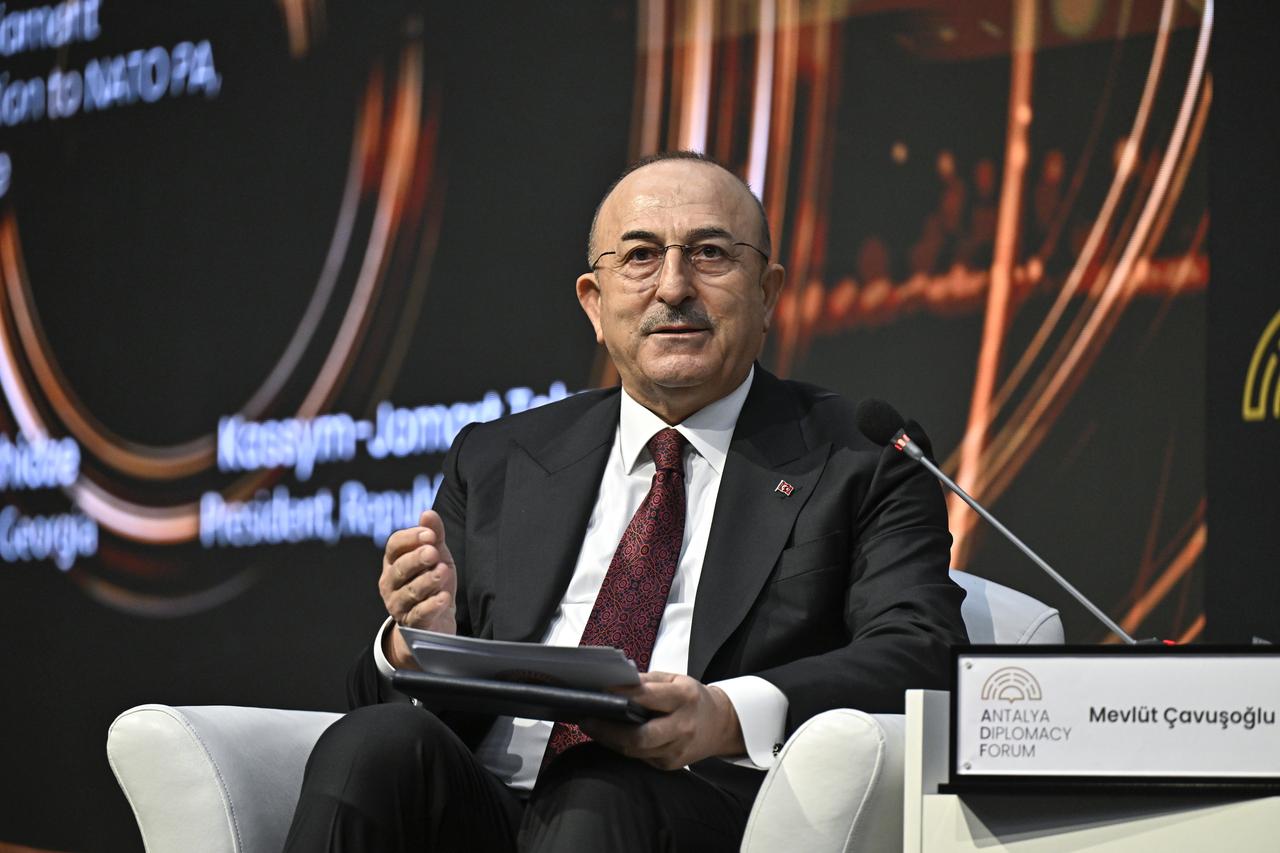
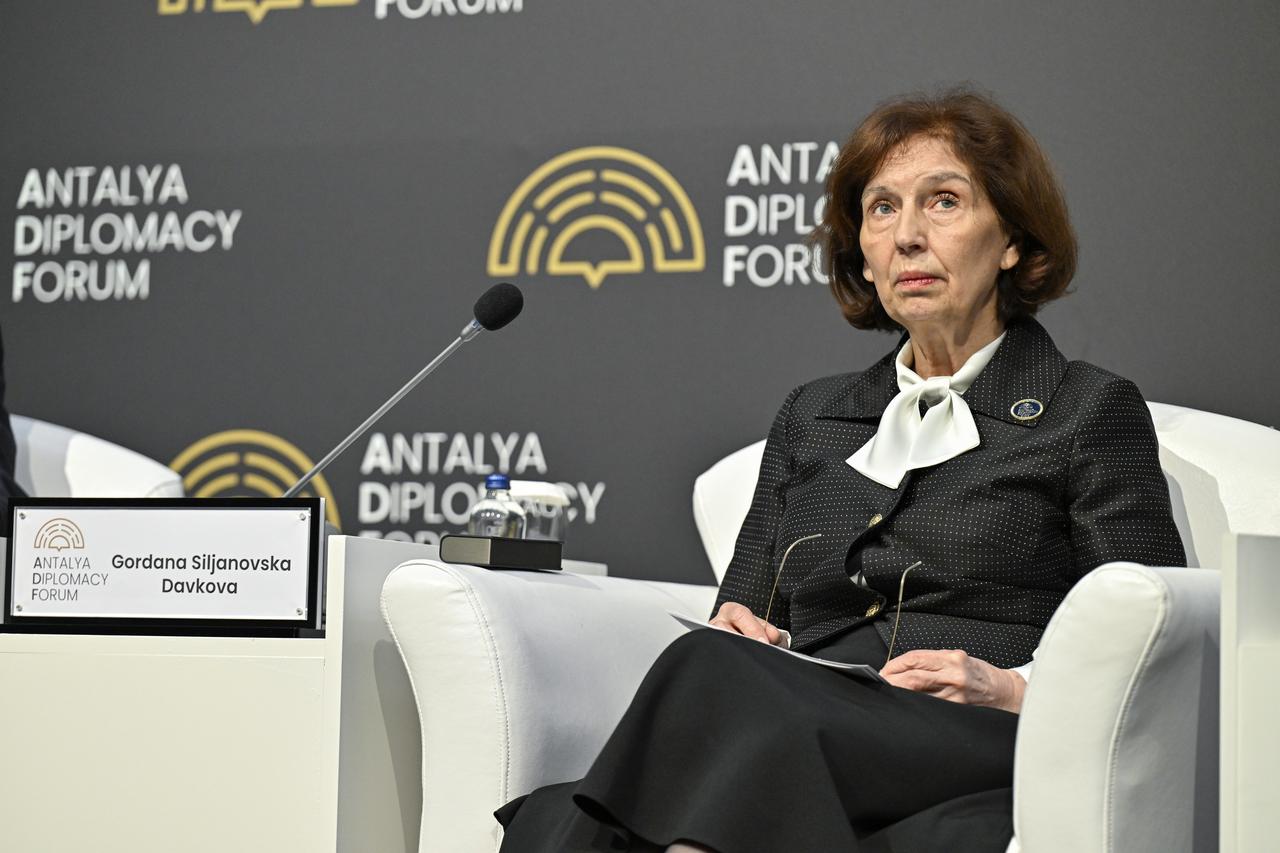
The panel was moderated by Mevlut Cavusoglu, head of the Turkish delegation to the NATO Parliamentary Assembly and an AK Party lawmaker for Antalya. Speakers included Kazakh President Kassym-Jomart Tokayev, North Macedonian President Gordana Siljanovska-Davkova and Georgian Prime Minister Irakli Kobakhidze.

Tokayev said Kazakhstan and Türkiye, under the leadership of President Recep Tayyip Erdogan, can play a positive role in responding to problems in different parts of the world.
He also said Erdogan is expected to visit Kazakhstan in the coming months.
Tokayev said all civilizations are at a point of intersection and transformation, and described the current moment as a turning point where national problems can no longer be solved only at a regional level.
“The U.N. does not only need to be supported, it also needs to be subjected to reform,” Tokayev said.
He said discussions about reform, change and restructuring of the United Nations had been raised many times in the past but never realized, adding that Kazakhstan is sincere in calling for change.
According to Tokayev, the U.N. Security Council occupies a particularly important place in any effort to reform the U.N.
He said wars, conflicts and unrest fall under the responsibility of the Security Council and argued that regional, middle-sized and even smaller powers must take on greater responsibility in international affairs.
Tokayev said the spread of conflicts and the growth of unrest must be contained and said the way out of uncertainty, conflict and what he called strange wars is simple.
“Let us all act responsibly. Let us all be more resilient and try to understand what is happening in the world through knowledge,” he said.
Tokayev addressed the highly complex situation involving Iran, noting that the crisis has become so difficult that it is challenging even to comment on.
He expressed Kazakhstan's solidarity with Gulf countries and voiced support for the strategic positions of all states seeking an immediate end to military action both regionally and globally. Tokayev highlighted that the negative effects of current developments are being felt universally, with the economy bearing the brunt of the instability.
While acknowledging that discussions regarding the facilitation of passage through the Strait of Hormuz are important, Tokayev reminded the international community that the corridor had been open to free trade prior to the conflict. He argued that the core of the problem lies in nuclear technologies and nuclear weapons, asserting that these issues—rather than commerce—should be the primary focus of negotiations.
“We have now turned the issue into global trade,” he said.
Tokayev also said middle powers now have much greater responsibility in global relations and warned that major powers should not block the world’s most important agenda items in the Security Council.
He raised the question of who the next U.N. secretary-general will be, but also said the more fundamental issue may be whether the system as a whole can survive.
North Macedonian President Gordana Siljanovska-Davkova said democracy is currently facing a major crisis and that security threats and military uncertainty are highly visible.
She said rising authoritarian structures, growing migration, disinformation and cyberattacks are deeply worrying.
Siljanovska-Davkova said inequalities are growing further at a time when the world is also entering a period of rearmament, with resources being directed toward weapons.
Referring to Erdogan’s long-standing criticism of the current U.N. system, she said there are more important states than the five permanent members of the Security Council with veto power.
“We need to review the U.N.,” she said.
She said the U.N. General Assembly should be strengthened and the position of the Security Council reshaped.
She also said the General Assembly should now elect a woman president.
Siljanovska-Davkova described the Balkans as historically, geographically and culturally part of Europe and said the development of the European Union is not only a political issue but also a matter of security.
She argued that small and medium-sized states can come together and reduce the dominance of larger powers, while warning that the most important decisions in the world are currently being made only by certain individuals.
According to her, that represents a great danger for humanity.
She called for a struggle for international law and said it is impossible for international law to find its place without a stable institution.
She also said policies should be based on logic, correct procedures should be applied at the right time, and absolute power brings absolute corruption.
“We must grow stronger and return to multilateralism,” she said.
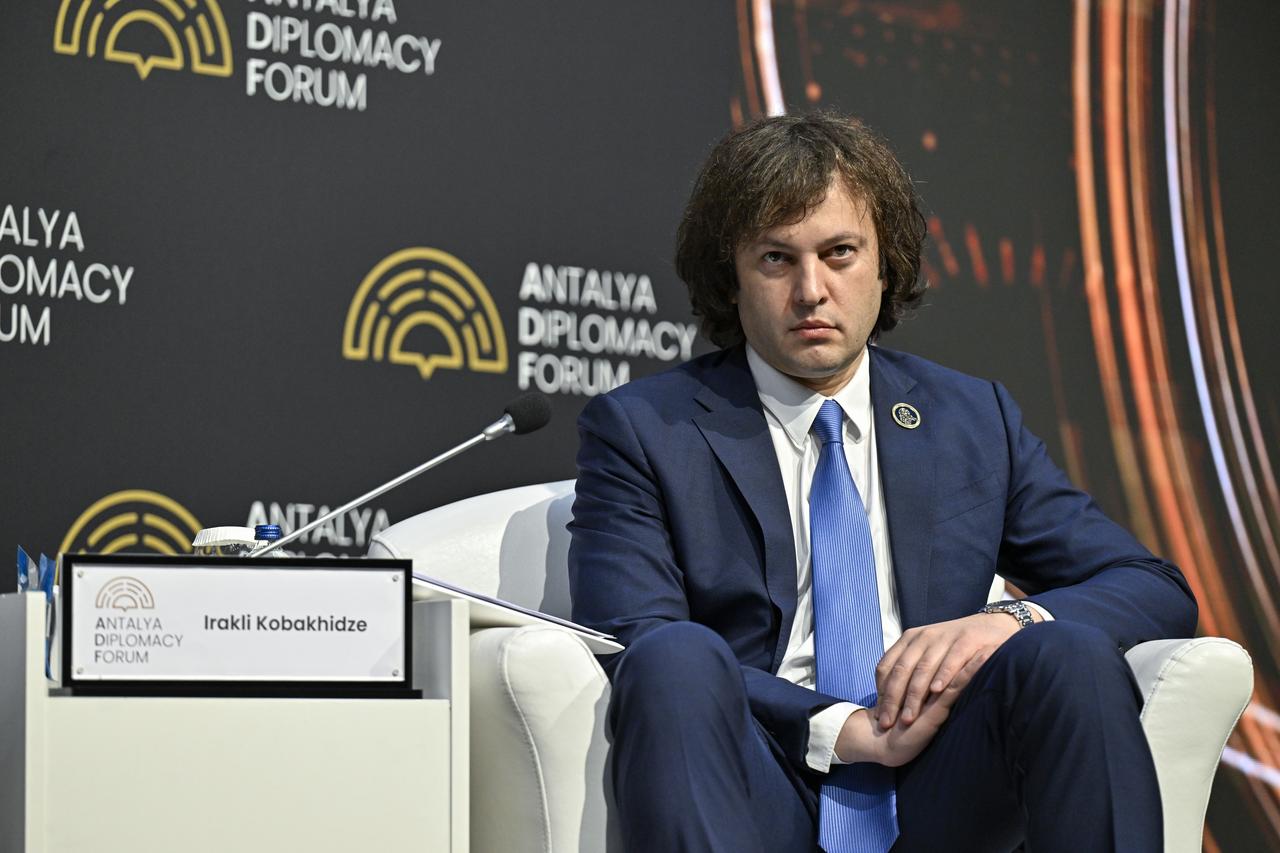
Kobakhidze said wars continue around the world and that conflicts affect many fields, especially energy, transportation and the economy.
“Unexpected events require radical solutions,” he said.
Kobakhidze said Georgia wants to be part of the European Union, but added that there are also problems within the bloc, which he hopes will change.
He said the South Caucasus also faces uncertainty and global challenges, but at the same time there are important developments underway.
According to Kobakhidze, Georgia has long served as a bridge between Europe and Asia and wants to strengthen its role in connectivity as much as possible.
He said Georgia supports peace, progress and development both in the South Caucasus and more broadly, and said the country continues on this path together with strong partners such as Türkiye.
Kobakhidze emphasized the role of leadership in this process and said Türkiye has exceptional leadership, while the same cannot unfortunately be said for every geography and region.
He also stressed the importance of supporting multilateral institutions and said the world must return to a structure based on rules, order and values.
Speaking about diplomacy, Kobakhidze said Georgia has survived while many empires around it came and went because it was able to protect itself and its national interests through diplomacy.
He said Georgia made mistakes in the process of securing its independence but learned from those errors.
Kobakhidze said political interests are taking precedence over diplomacy and that this must change.
“If we do not restore the rule-based international order, diplomacy will in no way be able to move ahead of political interests in terms of international order,” he said.


 Set as preferred source
 Set as preferred source


 1 min read
 1 min read