Newsletters


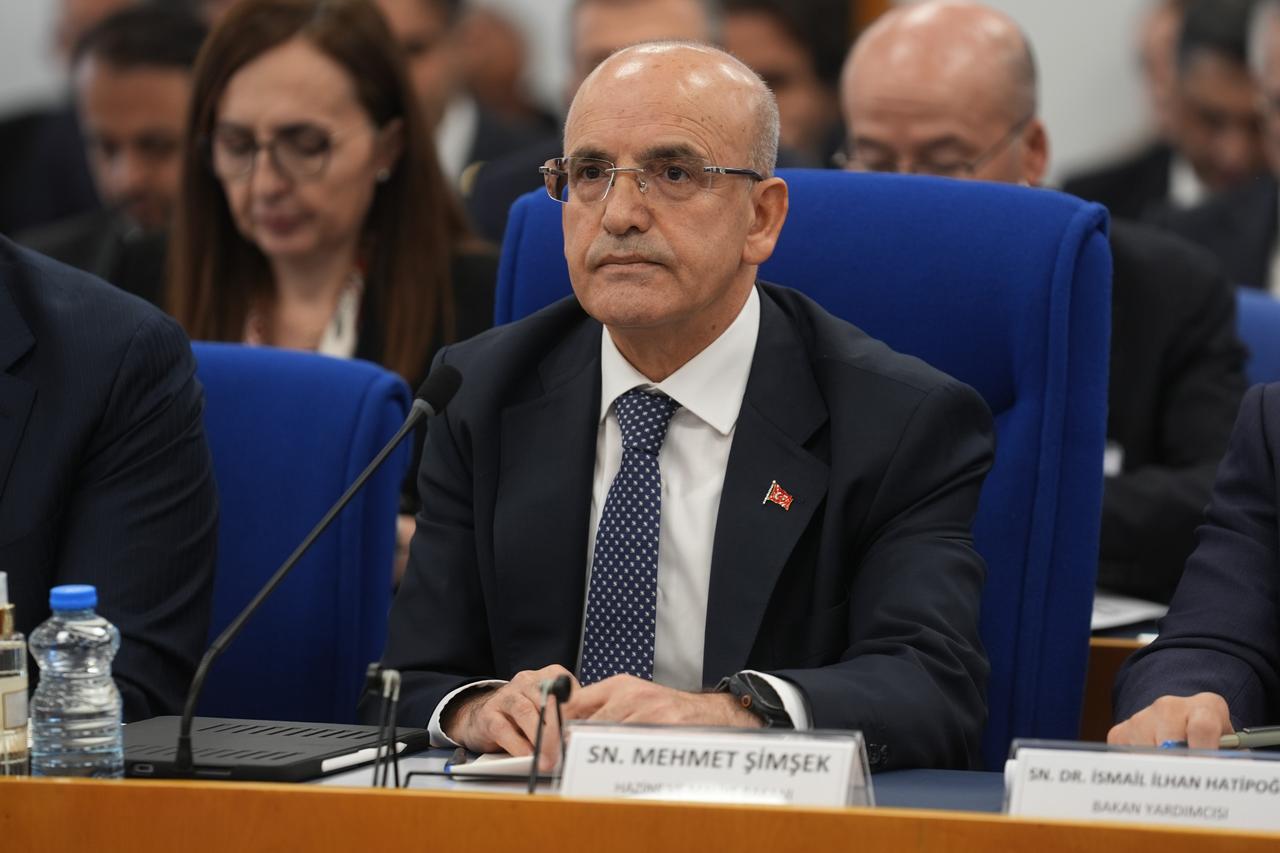


Türkiye has overseen the payment of ₺130.2 billion ($2.6 billion) to investors affected by the liquidation of troubled investment funds following a market manipulation probe, Treasury and Finance Minister Mehmet Simsek announced Thursday.
Addressing lawmakers with a presentation on the Finance Ministry's 2027 budget, Simsek reported that payments have reached 420,031 individual investors across 108 funds, covering 614,874 accounts. Of those investors, 179,449 have received their entire net investment amount, according to the minister.
The Capital Markets Board (SPK) ordered the liquidation of 131 investment funds after market manipulation weakened the financial positions of several funds, causing them to default on redemption payments from mid-September. The decision affected over 455,000 investors at the time.
Simsek said authorities quickly introduced coordinated measures to contain potential risks to the broader economy. As of Sept. 17, the affected funds accounted for 4.6% of all investment funds, 7.7% of total fund portfolios, 2.4% of household financial assets and 0.7% of gross domestic product.
The fallout also reached the real economy, with around 3,000 companies holding ₺116 billion in investments in funds covered by the liquidation process, according to a Central Bank study cited by Simsek.
These companies account for 0.6% of total employment and 0.9% of turnover. Firms with higher exposure to the funds represent 0.03% of employment and 0.02% of commercial loans.
Under the liquidation framework approved by Parliament, authorities are using fund assets, recovery accounts and voluntary repayment accounts to compensate investors. Simsek stressed that no public budget resources would be used.
Ordinary liquidation proceedings have delivered ₺68 billion across 93 funds and 71,899 accounts. Under extraordinary liquidation, authorities had made interim payments totaling ₺62.2 billion across 15 funds and 542,975 accounts as of Nov. 4.
Meanwhile, Türkiye's Financial Crimes Investigation Board (MASAK) continues to track assets linked to individuals suspected of securing excessive and unlawful profits through the funds.
Simsek reported that authorities had postponed 100 transactions worth approximately ₺3.8 billion as of Nov. 4.
Cooperation with counterpart agencies in 36 countries has also helped identify ₺9 billion in assets abroad, which have been reported to judicial authorities.
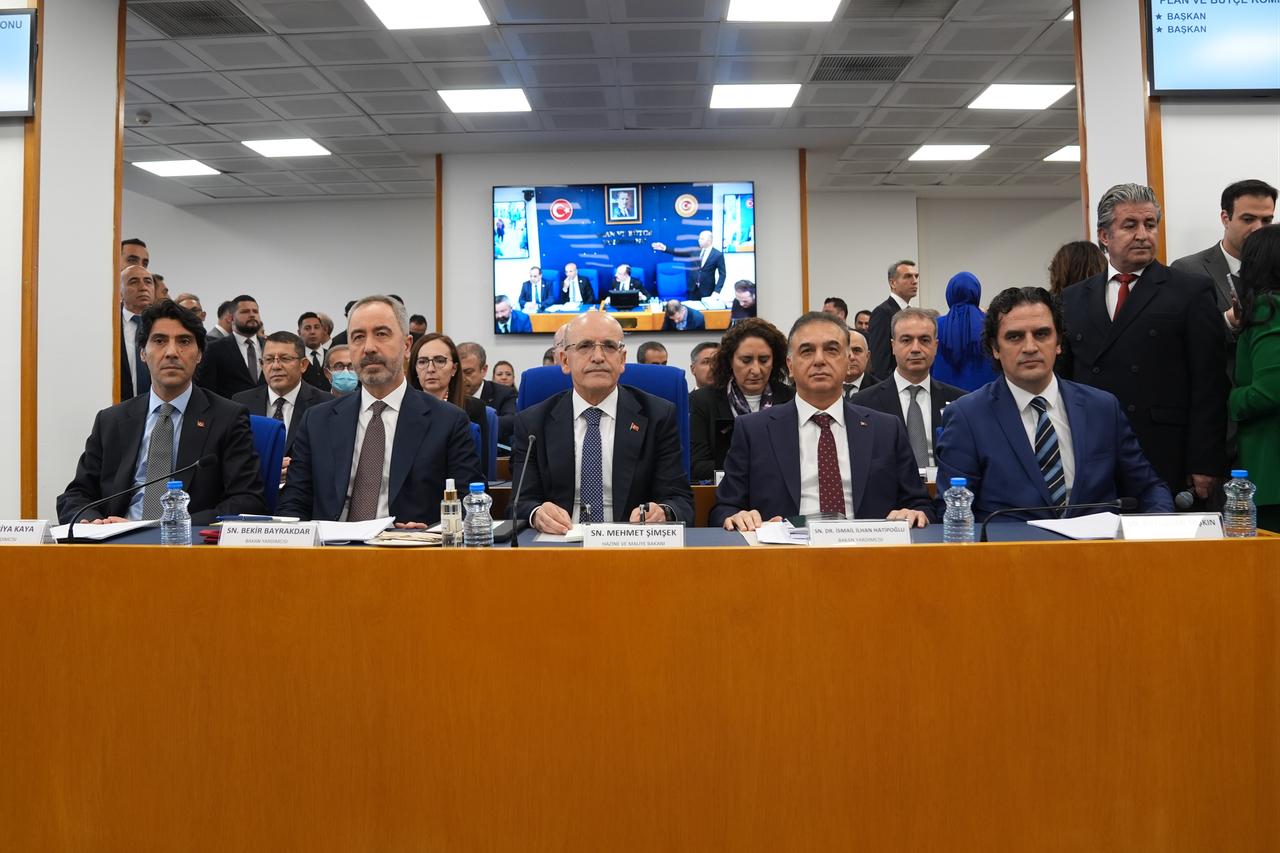

The government is preparing a broader legislative package to tighten oversight of capital markets, increase penalties for financial crimes and close regulatory gaps exposed by the fund scandal.
Simsek has indicated that the legislation will cover market manipulation, coordinated trading between funds and transactions based on insider information, with authorities seeking to strengthen supervision before violations occur.
The planned changes will also expand the institutional capacity of regulatory bodies, including through additional staffing and greater use of technology to detect increasingly sophisticated trading strategies and coordinated market activity.
Simsek has suggested that experienced personnel from the Finance Ministry's Tax Inspection Board could be transferred to regulatory institutions to reinforce their supervisory capabilities. Another priority is the verification of publicly disclosed free-float ratios by an independent institution.
Authorities are also reviewing how much of a company's shares should qualify as free float, how indirect shareholdings should be calculated and whether certain investment funds should remain accessible to retail investors through the Turkish Electronic Fund Trading Platform (TEFAS).
The SPK has already introduced measures requiring daily disclosure of free-float figures and more detailed reporting of direct and indirect shareholdings. The regulator has also tightened rules governing fund concentration, portfolio disclosures and borrowing transactions.
Simsek has indicated that the broader legislative package will undergo consultations with industry representatives before being submitted to Parliament, with the government targeting completion of the legal changes by early 2027.

The investigation into suspected capital market manipulation has expanded to 433 suspects, with 112 remanded in custody, 186 placed under judicial control and 38 still at large, Justice Minister Akin Gurlek said earlier this week.
Authorities have frozen assets and bank accounts belonging to 359 individuals and 111 legal entities. They have also recovered approximately ₺30 billion in cash, real estate and shares through a voluntary restitution mechanism administered by the Savings Deposit Insurance Fund (TMSF), Gurlek said.
He described the case as extending beyond stock market manipulation, alleging that investigators had uncovered an organized criminal network reaching into senior levels of Türkiye's financial bureaucracy, including financial institutions and regulatory oversight bodies.
The probe has drawn in prominent political figures and financial officials. Among those under investigation are former minister of Family and Social Services Policies Fatma Betul Sayan Kaya, a former senior member of President Recep Tayyip Erdogan's ruling Justice and Development Party (AK Party), and her husband, İlyas Kaya.
Former SPK chairman İbrahim Omer Gonul, who led the watchdog from April 2022 to April 2026, has also been summoned as a suspect over alleged failures in his supervisory duties.
Another prominent figure, former Borsa İstanbul general manager Korkmaz Enes Ergun, was arrested on suspicion of bribery and membership in an organization allegedly established to commit crimes.
Against this backdrop, Erdogan has vowed to pursue those involved, warning that even unexpected figures have become entangled in the scandal.
"People we would never have expected have become involved in this," Erdogan told reporters aboard his return flight from South Korea, adding that judicial authorities were identifying suspects and taking action.
He stressed that the government would make no concessions, with legal, administrative and judicial measures all under close scrutiny.
Erdogan also reiterated that the liquidation process would not rely on public funds, saying those responsible must meet their financial obligations before recovered assets are distributed to eligible investors.
"Whoever has secured unfair gains, manipulated capital markets or facilitated such activities will be held accountable," he warned, pledging to establish a healthier market structure.


 Set as preferred source
 Set as preferred source


 1 min read
 1 min read