Newsletters




Türkiye’s investment funds have shed ₺128.7 billion ($2.7 billion) in net assets since Aug. 28, as a regulatory overhaul reshapes how investment vehicles and listed companies are treated.
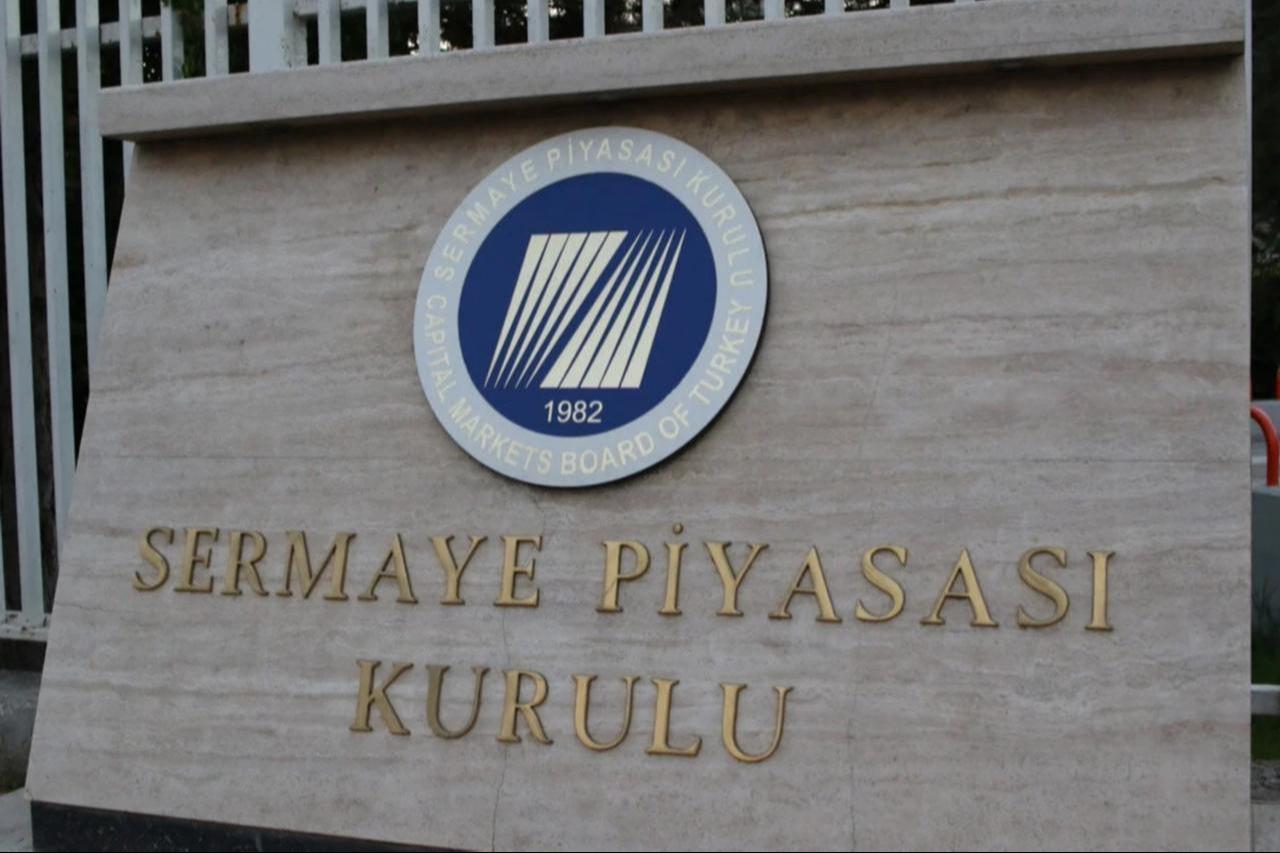
The Capital Markets Board (CMB) moved to tighten ownership limits and shareholding requirements after global index provider MSCI raised concerns over opaque ownership structures, coordinated transactions involving smaller companies and the transparency of fund holdings.
The exodus involved 1,047 funds, while their combined investor base shrank by 15,817 over the same period, according to data compiled by business-focused ekonomim.com.
CMB's latest decision lowers the ownership disclosure threshold for listed companies from 5% to 3%, with the new limit taking effect on Sept. 11. The regulator is also changing the basis for calculating free float, which it defines as the portion of shares considered available for public trading.
Several holdings will be left out of that calculation, including shares owned by shareholders with stakes of 10% or more, the company itself, its founders and certain related entities.
Shares held by board and supervisory board members, general managers and certain senior executives will also be excluded, as will holdings belonging to company pension funds and foundations.
Certain pledged shares and shares acquired through specified buyback transactions will likewise remain outside free float.

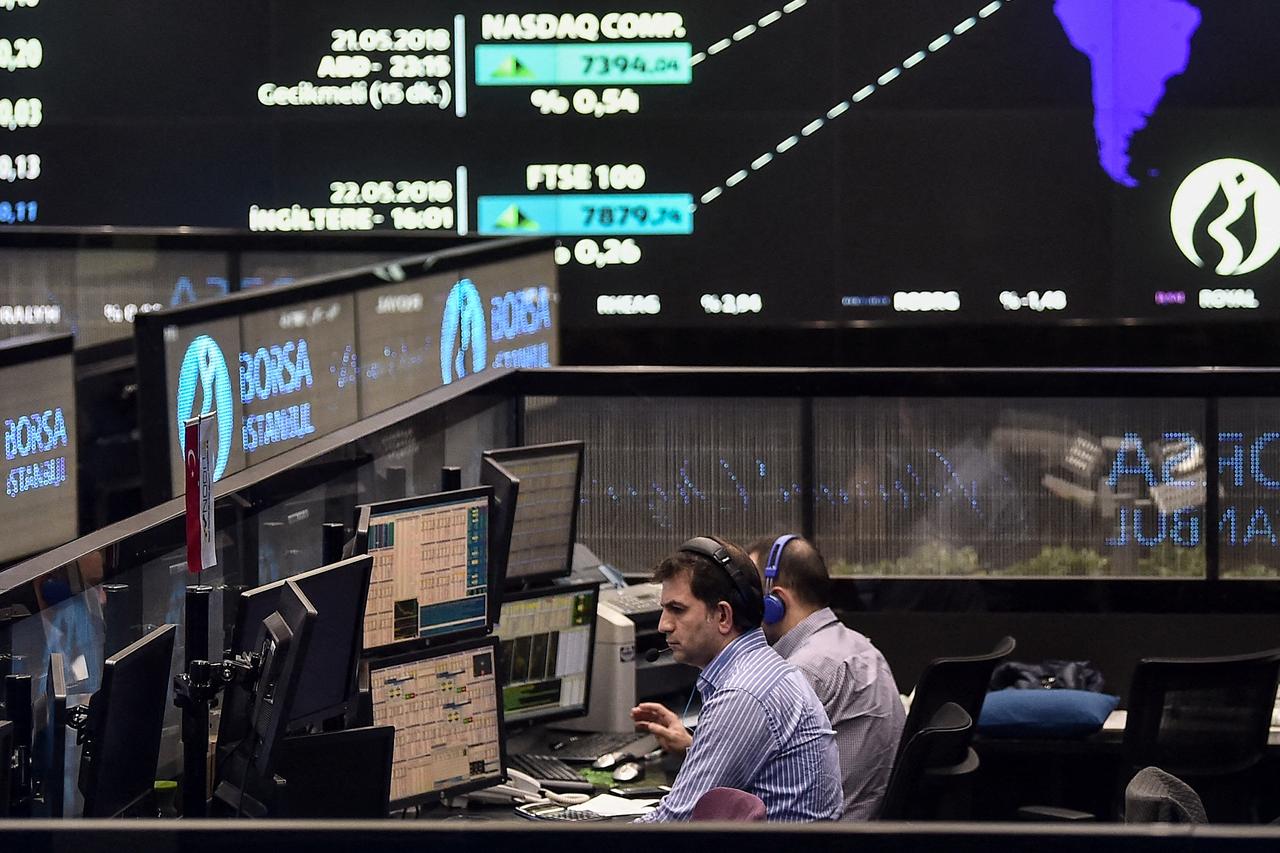
Following changes, a sharp divergence among Borsa Istanbul indexes was recorded, as from Aug. 28 onward, the BIST 100 fell 0.8%, while the BIST 500 dropped 2.1%. The BISTTUMY, which tracks stocks outside the BIST 100, declined 4.8%.
The BIST 30 gained 2.7%, while the BIST50 rose 0.5% over the same period. The restrictions do not cover BIST30 stocks, which represent 30 major companies on Borsa İstanbul, giving fund managers more room to shift toward large-cap names.
Market specialists reported that one portfolio management company bought ₺18 billion worth of BIST 30 stocks the previous day. Five shares, including bank stocks, reached their daily price limits after the purchases.
Adding to these developments, Tera Group, a major player in Türkiye’s financial services market, has announced that it has started talks to acquire rival Pusula Finans Holding and its affiliated companies, further fueling positive sentiment in the market as five BIST30 stocks, including banks, hit their daily price limits.
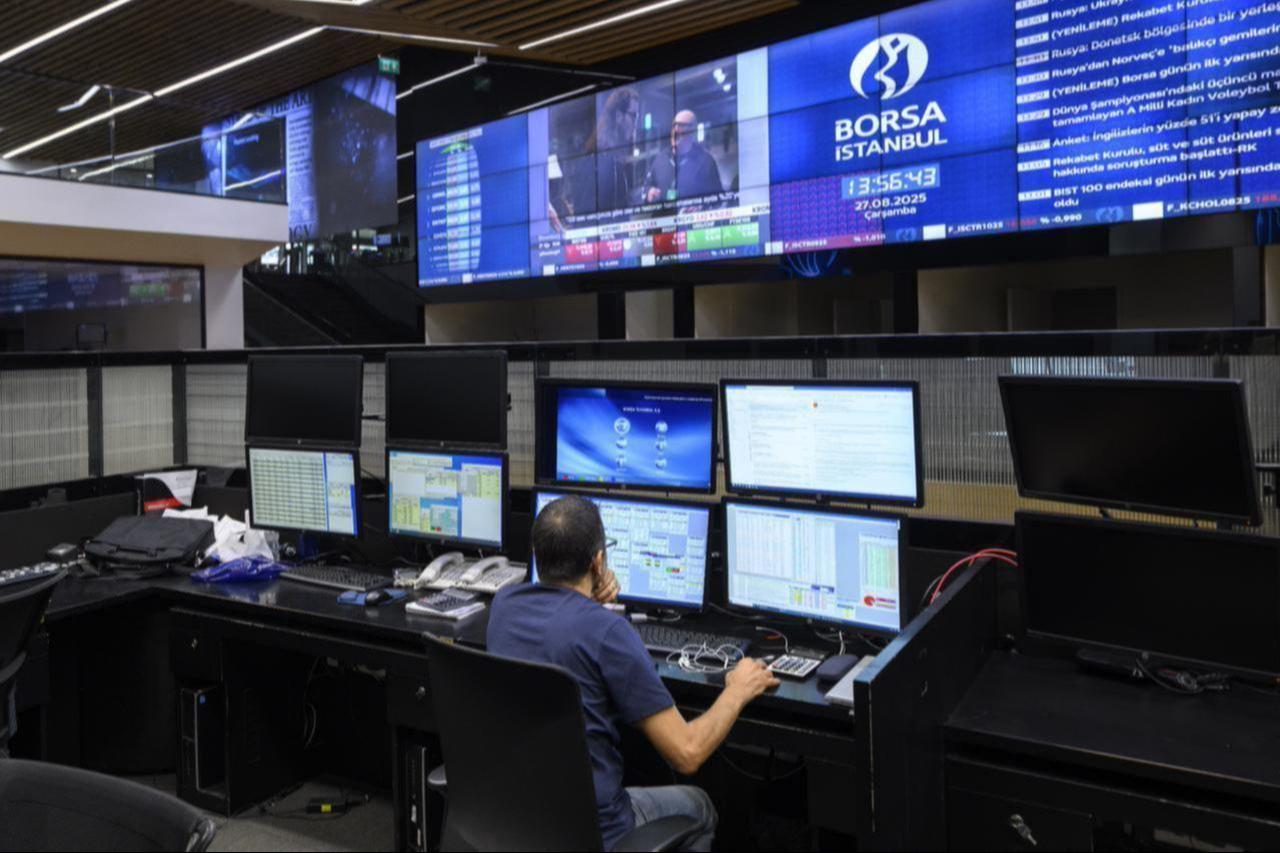
MSCI began flagging problems with Turkish shares earlier this year, raising concerns over ownership structures and the way free-float levels were being calculated for some companies.
In May, the index provider cut the free-float ratios of some Turkish companies over questions surrounding their ownership structures and removed some shares from its indexes. By late June, it had also warned that coordinated transactions involving smaller companies and opaque fund ownership could artificially inflate free-float ratios.
MSCI raised the stakes in June, saying it would examine Turkish stocks individually and treat holdings by funds that fail to meet its requirements as outside free float. It also warned that Türkiye could face a move toward a lower market classification if it failed to make concrete and reliable progress by November 2026.
The concern is that trading activity and complicated ownership structures can make a company’s free-float ratio look larger than it really is, giving investors a misleading picture of how much stock is genuinely available to trade.
That matters most to major investors, who need reliable ownership and liquidity data when taking large positions. If the tradable pool is overstated, a stock can appear easier to buy or sell than it really is.
CMB’s revised framework brings direct and indirect holdings into the calculation and removes stakes that are not considered part of the public trading pool.


 Set as preferred source
 Set as preferred source


 1 min read
 1 min read