Newsletters


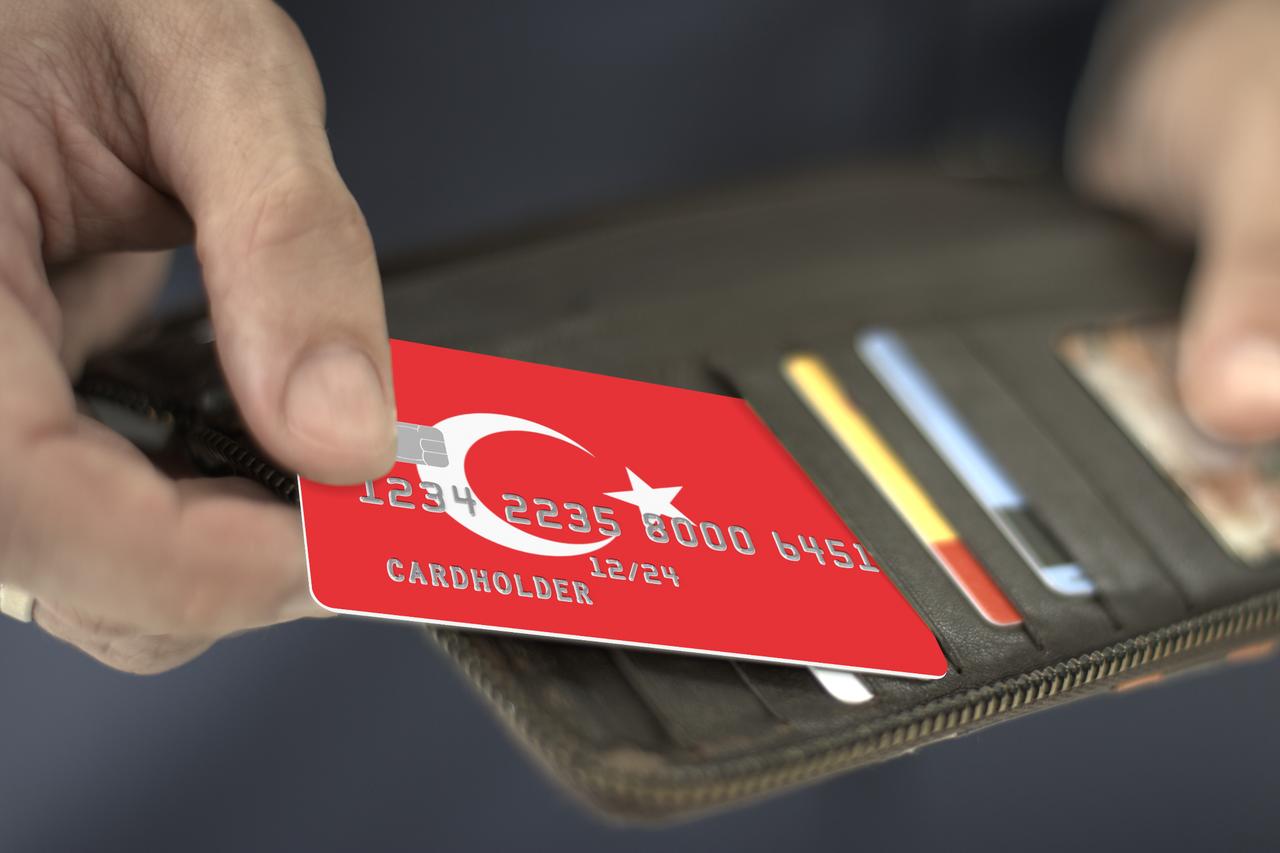


Türkiye has emerged as Europe’s largest market for individual credit cards, with the number reaching 142.1 million by the end of 2025, according to a Mastercard report on the economic contribution of digital payments in the country.
The figure puts Türkiye well ahead of Spain, which has 49.3 million credit cards, based on European Central Bank (ECB) data from June 2025. Bank cards, including prepaid cards, bring Türkiye’s total to 319 million.
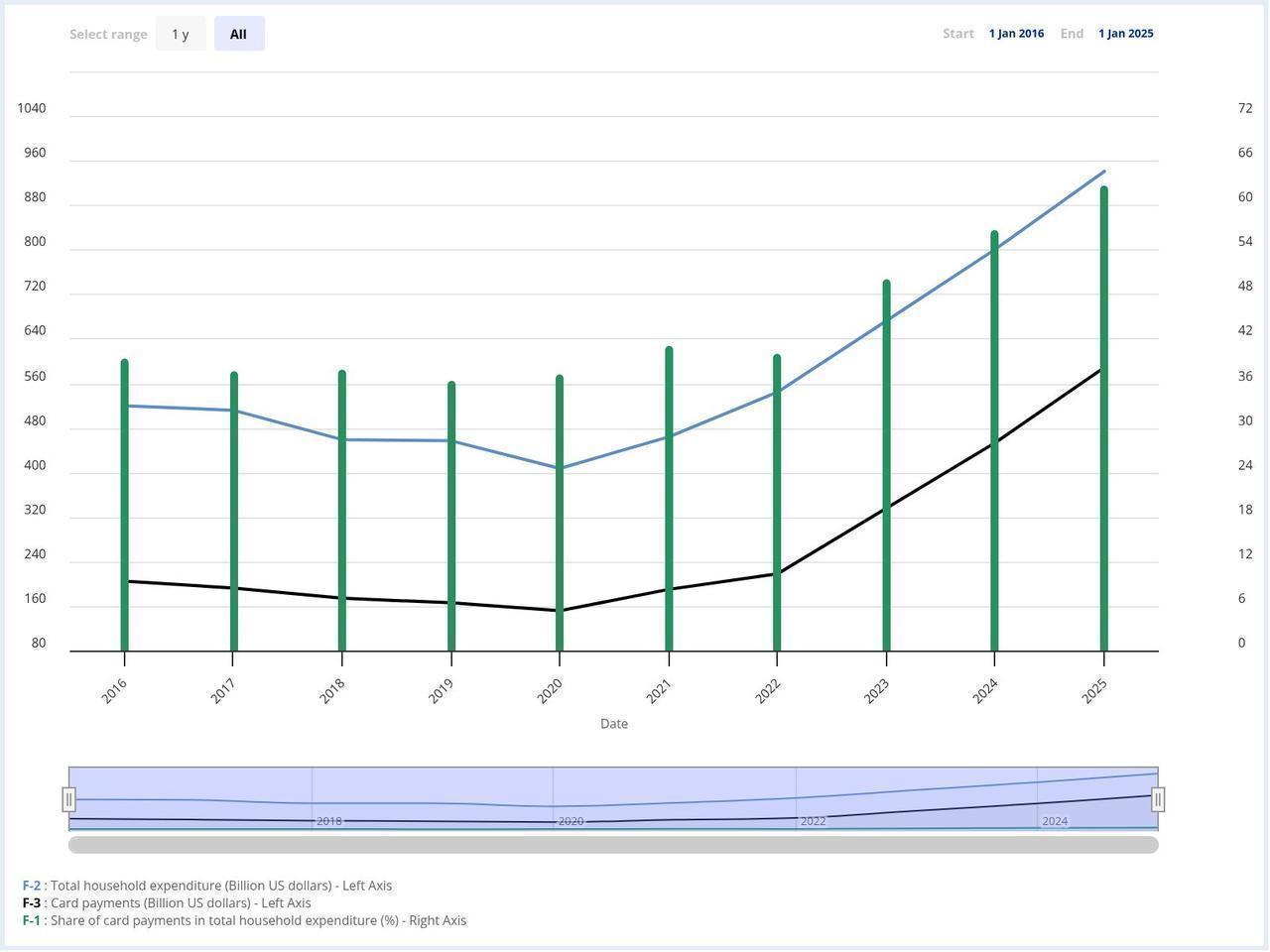
The country’s card-payment market has also grown rapidly, with annual payments made through credit and bank cards reaching ₺24.1 trillion ($558.5 billion) in 2025.
Online card payments have expanded sharply over the past 15 years, rising from ₺12 billion in 2010, or 5.3% of total card payments, to ₺7.5 trillion in 2025, when they accounted for 31.1% of the total.
Contactless payments have also gone mainstream over the same period, reaching 67% of card transactions by the end of 2025, up from less than 10% in 2019 and earlier.
Digital payments are estimated to have added about ₺1.5 trillion to household consumption in 2025, with travel accounting for ₺546 billion and restaurants for another ₺427 billion, while furniture and electronics, clothing, and accommodation were among the other areas benefiting from wider card use.
Cards account for 54% of household payments when individual cards are included, rising to 69% when commercial cards are added, according to the report.
Digital payments are also becoming more important to Türkiye’s tourism economy as foreign visitors increasingly shift from cash to cards, with tourism revenue rising from $7.6 billion in 2000 to nearly $65 billion in 2025 and the share generated through card payments climbing from about 15% to roughly 38%.
Shopping transactions made up 93% of payments made with foreign cards in Türkiye in 2025, up from 64% in 2016, while Mastercard estimates that card payments contributed ₺388 billion, or $9.8 billion, to Türkiye’s tourism revenue during the year.
The report also puts a price on cash, estimating that printing banknotes cost the Central Bank of the Republic of Türkiye (CBRT) ₺4.4 billion in 2025, while banks spent more than ₺65 billion on cash circulation. Businesses incurred nearly ₺34 billion in cash operating costs, and consumers faced more than ₺8.1 billion in estimated costs.

Mastercard estimates that digital payments contributed ₺574 billion to value-added tax (VAT), special consumption tax, corporate income tax, and income tax revenues in 2025, accounting for about 5% of total tax revenues.
The report also points to micro, small and medium-sized businesses as a key area where wider card use can help reduce unregistered economic activity, with card payments making up around 40% of total card payments.
Looking ahead, the report sees AI-assisted commerce as a new growth area, with AI agents able to search for products, compare options, make purchases and manage post-purchase processes.
Mastercard says it is working with financial institutions in Türkiye to develop this technology by combining tokenization and trusted-agent verification with AI platforms.
Türkiye has undergone a major transformation in digital payments over the past 30 years, and Mastercard plans to make the ecosystem more inclusive while further strengthening the country’s position in areas such as AI-powered commerce, Onur Faydacı, Mastercard’s Türkiye and Azerbaijan general manager, said in the report.


 Set as preferred source
 Set as preferred source


 2 min read
 1 min read