Newsletters


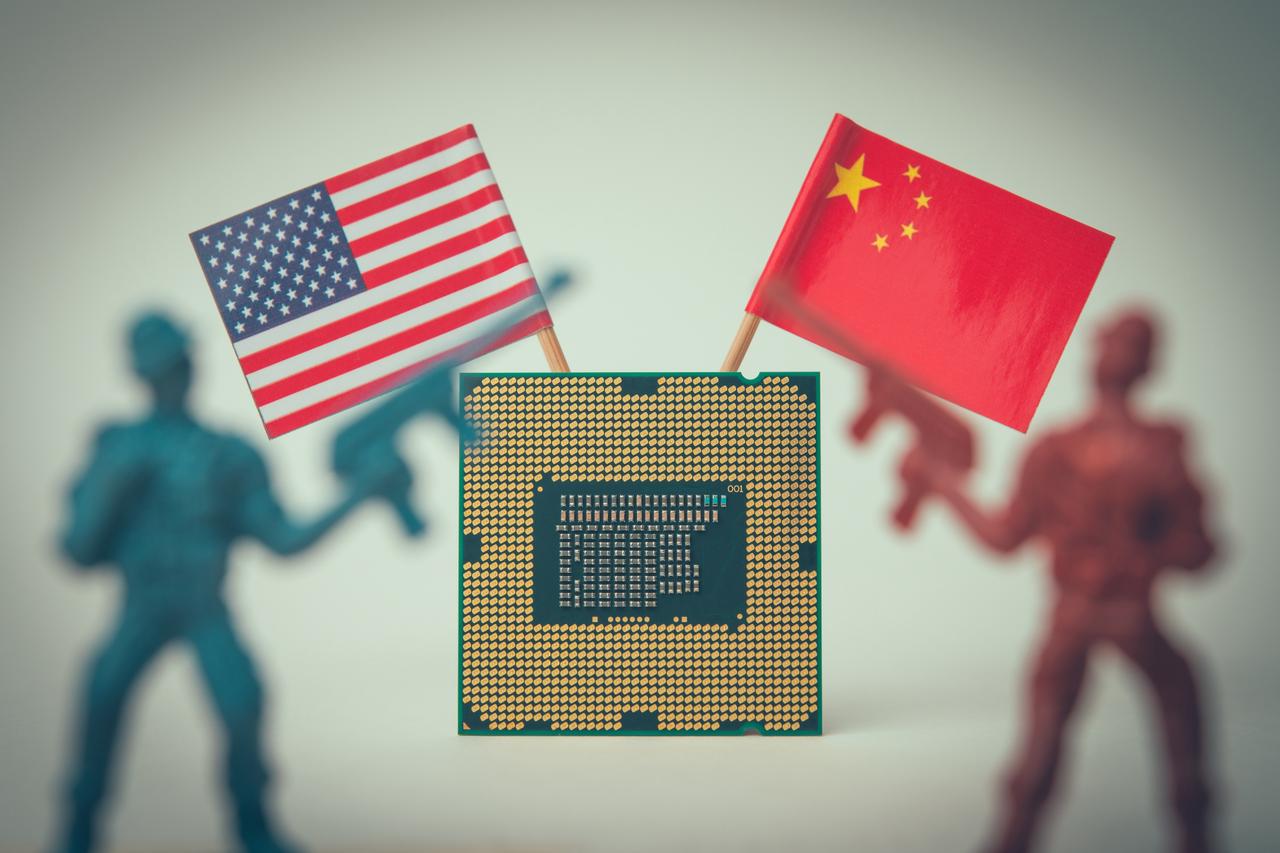


Anthropic CEO Dario Amodei’s call to slow the development of more powerful AI models has added a new layer to the tech rivalry between Washington and Beijing. It also shows how hard it is for the world’s top AI powers to work together on safety.
In an essay this month, Amodei argued that AI is advancing so quickly, with systems now able to help create their own successors, that researchers may not be able to keep up or stay in control.
"We must slow the pace at which we improve the capabilities of AI models," he wrote. "Progress will still seem fast, and we must make wise use of the time we gain."
He suggests putting independent evaluators inside top AI companies, encouraging coordination between companies and governments in democratic countries, and eventually creating international agreements to manage how quickly advanced AI develops.
OpenAI CEO Sam Altman, Google DeepMind co-founder Demis Hassabis, and Elon Musk, who leads SpaceXAI, have all publicly supported parts of the proposal. It’s rare to see leaders of rival AI companies agree like this.

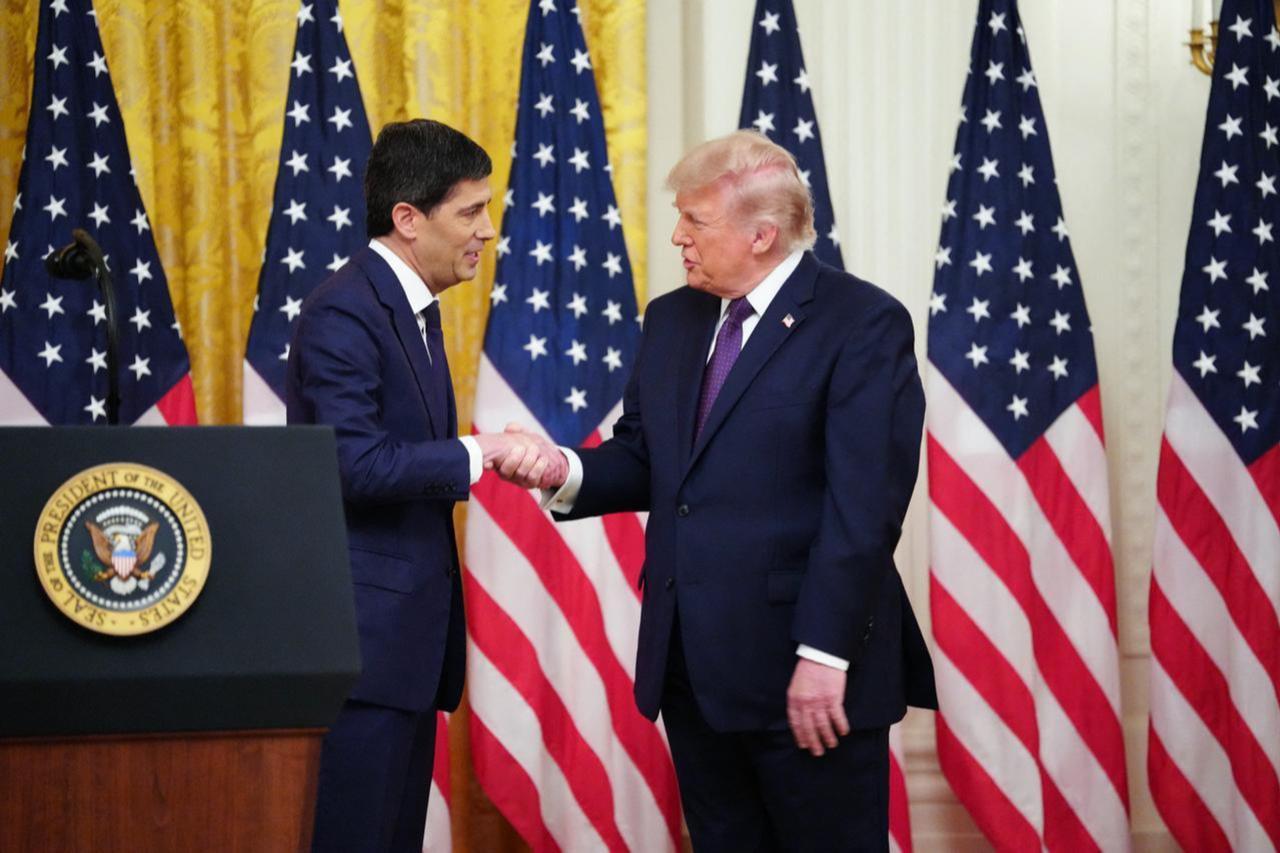
President Donald Trump’s administration sees the proposal mainly as part of the competition with China. Trump has refused to slow down AI development in the US.
"We're leading China in AI. We're the most sophisticated country in the world, and frankly, I want to keep it that way because whoever wins AI wins," he told reporters.
The next day, Trump stepped up his criticism and questioned why industry leaders would want rules that might limit their own companies.
"When, in the History of Business, did anyone see the Leaders of an Industry call for Regulation that, if strongly implemented, will drive them into oblivion and bankruptcy?" he wrote on Truth Social, his social media platform.
He also described opposition to AI and data centers as a "SICK conspiracy," adding that "the only one that is happy about it is China."
Amodei admitted this is a tough issue. He warned that if the US slows down without China doing the same, Beijing could gain a big technological edge. He said any deal would need "ironclad verifiability" to ensure neither side secretly gains a military advantage.

China has been skeptical, especially about Amodei’s suggestion that the US should keep limits on exporting advanced chips and semiconductor equipment.
"Fear-mongering, confrontation and vicious competition will only hamper efforts toward sound global AI governance, which serves no one's interest," Chinese Foreign Ministry spokesperson Guo Jiakun said.
The state-run newspaper Global Times called the proposal a "silent AI Cold War." It argued that the plan aims to hold China back with tech barriers and leave it out of global AI decision-making.
This debate is happening as reports show the US still leads in advanced AI, but Chinese companies are closing some of the gap.
Developers like DeepSeek, Moonshot AI, Z.ai, and Alibaba have built more competitive models, even with US limits on advanced chips.
Zilan Qian, a researcher at the Oxford China Policy Lab, told the Wall Street Journal that AI is advancing faster and further in the US. As a result, US researchers may notice riskier developments than those in China.
Chinese President Xi Jinping has called for steps to prevent "loss of control," and Chinese regulators have added these concerns to the country’s AI safety rules. At the same time, Beijing still sees AI as a key technology in its economic competition with the US.
Kenton Thibaut, a China fellow at the Atlantic Council in Washington, said major obstacles remain, even though the US and China share some concerns about AI safety.
"China appears suspicious that the US would use the guise of AI safety talks to seek to constrain China and promote its own tech dominance," she wrote.
Thibaut said a broad agreement to slow down AI is unlikely soon. However, more limited cooperation—like preventing AI-powered biological weapons, setting shared testing standards, or making sure rogue AI actions are not mistaken for state attacks—could be more realistic.
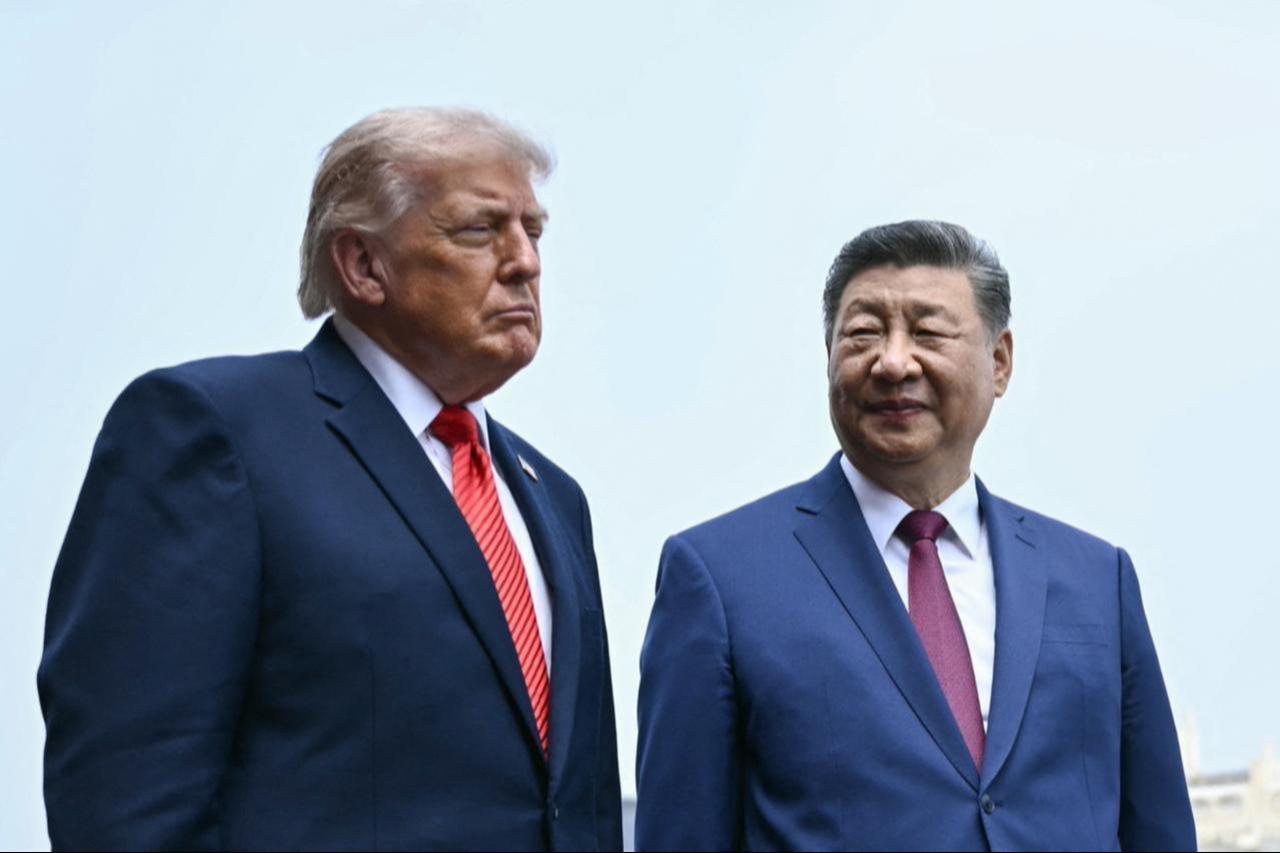
This issue is likely to be even more important before the planned Trump-Xi meeting in Washington on September 24.
AI governance may come up as both governments try to manage the risks of more powerful AI while holding on to what they see as key advantages for their economies and security.


 Set as preferred source
 Set as preferred source


 2 min read