Newsletters


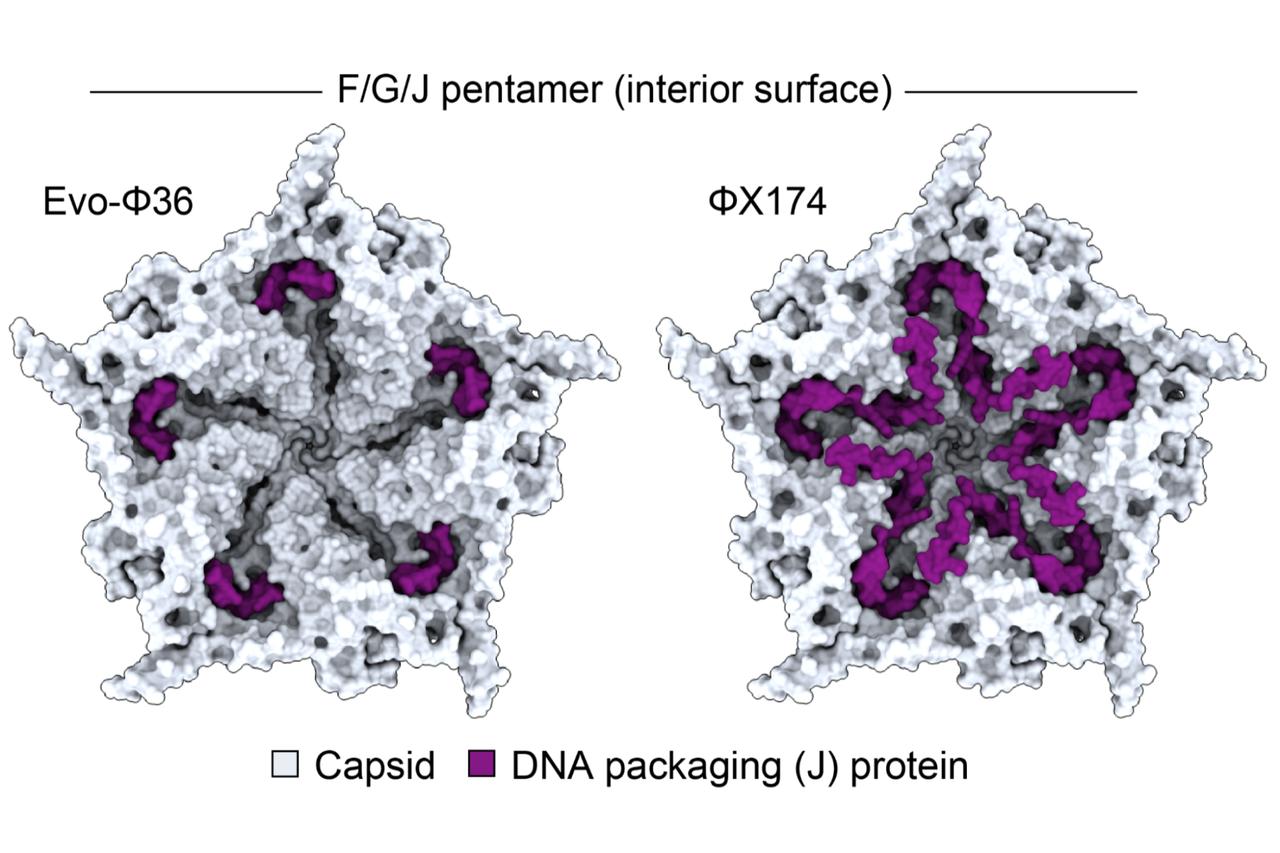


Scientists in the United States have created a virus whose entire genetic code was designed by artificial intelligence, marking a major step in synthetic biology and triggering fresh debate over biosecurity.
Researchers at Stanford University in California used an AI model to generate the full genome of a new virus called Evo-Φ2147. The virus was built from scratch in a laboratory and designed to target deadly strains of E. coli bacteria.
The work combined two technologies:
Experts say the development shows that scientists can now design a genome from beginning to end, rather than relying only on natural evolution.
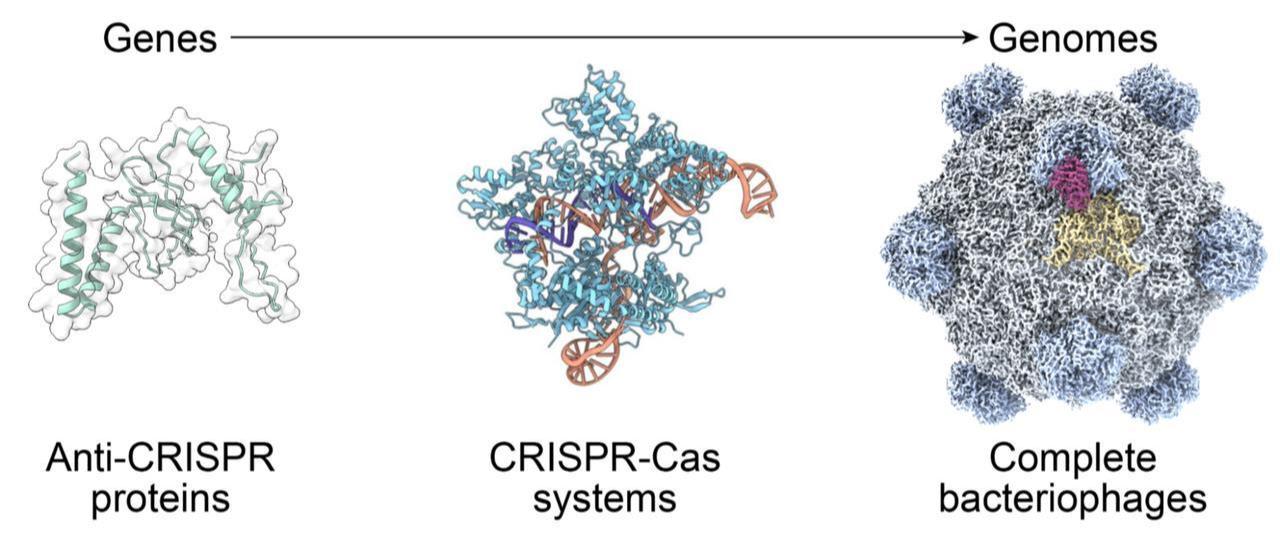

The AI system, called Evo2, was trained on nine trillion DNA base pairs, the As, Cs, Ts and Gs that form the building blocks of genetic code.
Instead of learning from text like chatbots, it learned how genes are structured.
Using this training, Evo2 generated 285 new virus genomes. Researchers found that 16 of them could infect E. coli bacteria. A mixture of the most successful viruses managed to disable even highly resistant strains.
The most effective AI-designed viruses killed bacteria 25 percent faster than wild variants.
To physically build the virus, scientists used a new DNA construction technology known as Sidewinder. The method allows researchers to assemble long DNA sequences with up to 100,000 times greater accuracy than older techniques. Developers say it could make genome construction 1,000 times cheaper and faster.
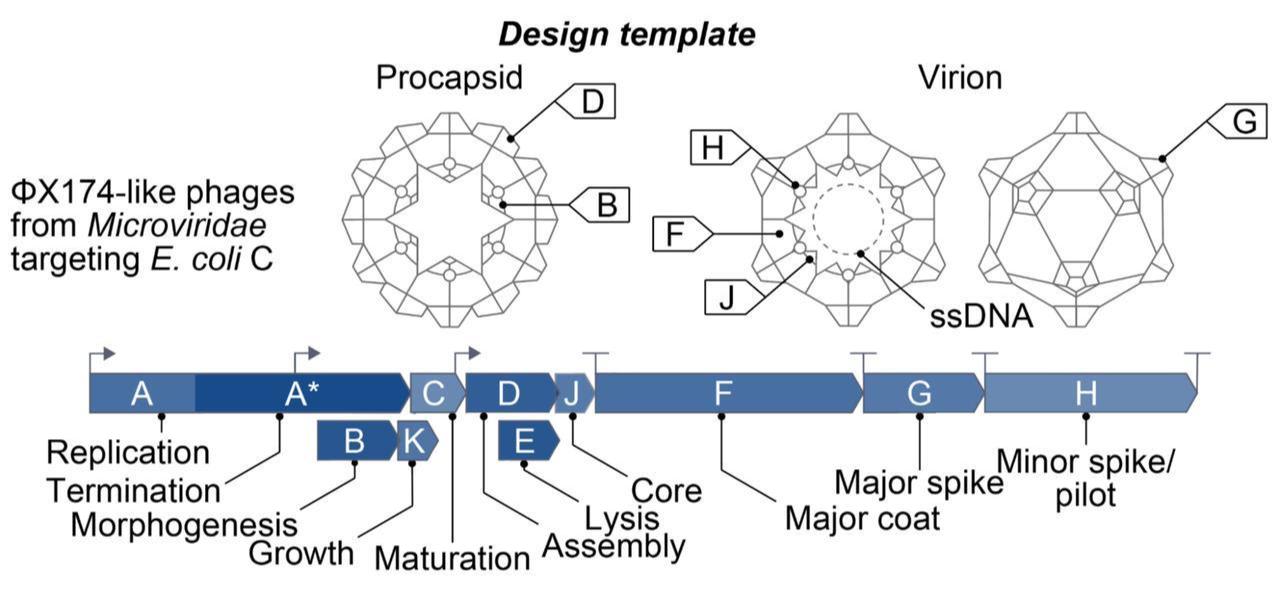
The final virus contains 5,386 base pairs and just 11 genes. By comparison, the human genome has around 3.2 billion base pairs and roughly 200,000 genes. Because Evo-Φ2147 cannot reproduce on its own, some experts do not consider it fully alive.
British molecular biologist and entrepreneur Adrian Woolfson described the achievement as a turning point.
“For the last 4 billion years, all life on Earth has evolved by the trial-and-error process of Darwinian evolution by natural selection, which lacks any foresight or intention,” he told the Daily Mail. “Natural evolution now has a co-author.”
Kaihang Wang of the California Institute of Technology said the technology offers broad possibilities. “If you can control the source code of life, you can create almost anything. The limit is only our imagination,” he said.

Researchers say the technology could help tackle antibiotic resistance, which remains a growing global health threat.
The team behind the virus said they aim to design phage therapies that can keep up with bacterial evolution.
Scientists also argue that faster DNA assembly could transform vaccine development. They claim that if such tools had existed during the COVID-19 pandemic, the first mRNA vaccine might have been developed in 62 hours instead of 42 days.
Adrian Woolfson said the approach could also speed up the production of personalized cancer vaccines, which currently take eight to 12 weeks to manufacture.
At the same time, experts warn that AI-driven genome design raises serious ethical and security questions. Previous research has shown that AI tools can generate genetic sequences resembling dangerous toxins. The Existential Risk Observatory has listed AI-designed pandemics among the most serious threats facing humanity.
To reduce risk, the developers of Evo2 said they excluded data on human pathogens from the model’s training set. “Evo cannot generate human viral sequences due to deliberate training data exclusions, preventing both accidental and intentional misuse for pathogen design,” the researchers wrote.
Woolfson stressed that society must decide how such power should be used. “We must decide as humanity how this power will be used and by whom. Who sets the rules, and who defines the limits?” he said.


 Set as preferred source
 Set as preferred source



 1 min read