

 Newsletters


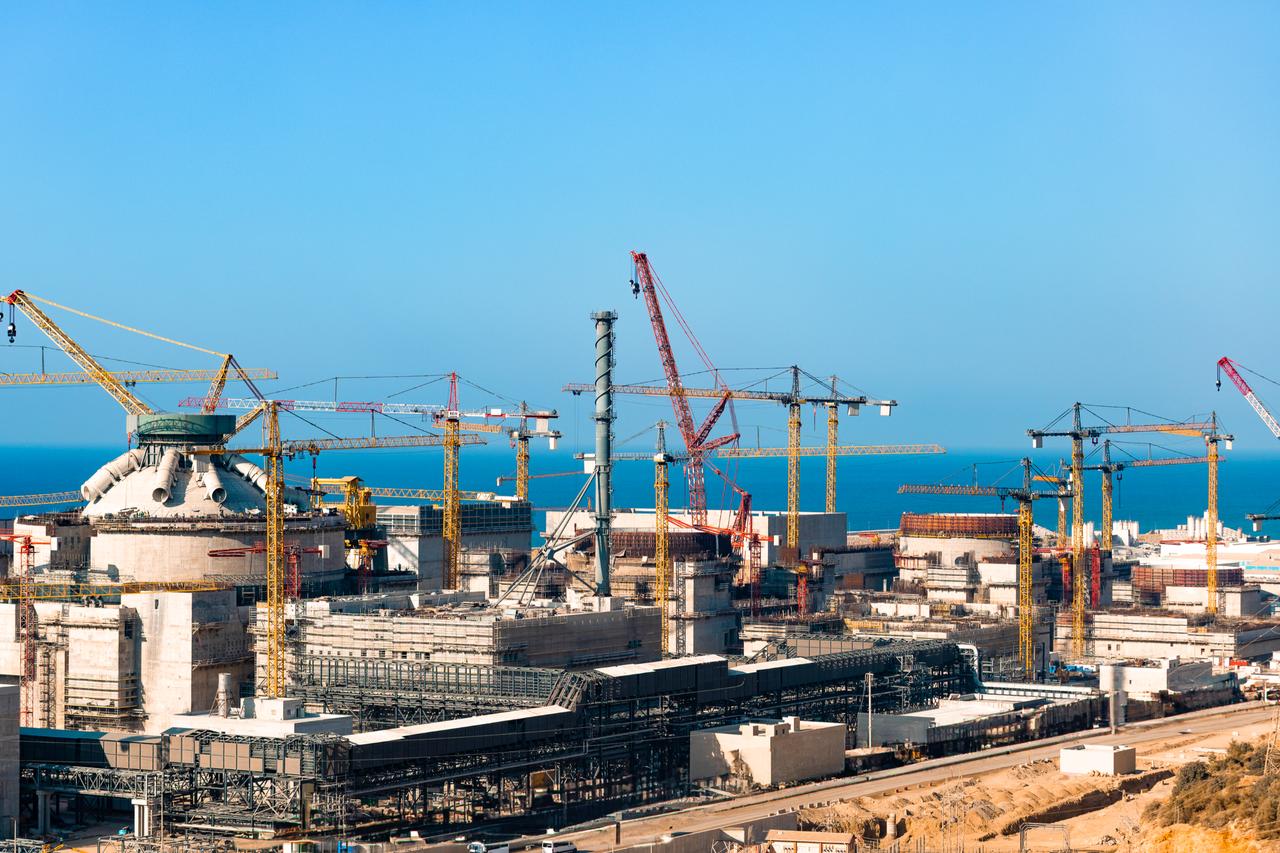
Rosatom has focused its efforts on launching the first power unit of Türkiye's Akkuyu Nuclear Power Plant in 2026, with construction work on the unit now complete and cold hydraulic testing of the reactor underway, according to Anton Dedusenko, chairperson of the board of directors of Akkuyu Nuclear JSC.
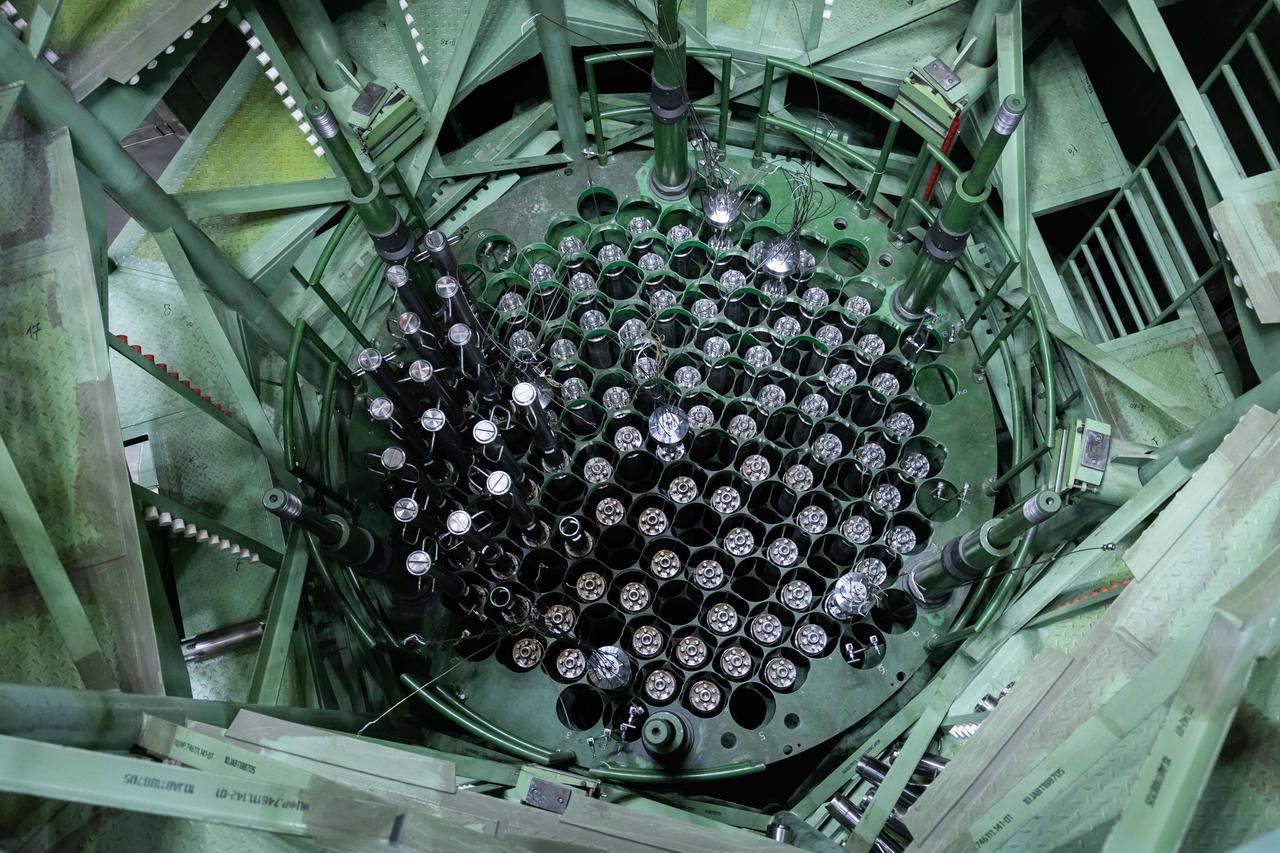
"We have focused our efforts on making 2026 the launch year for power unit No. 1. Construction work on the first power unit has been completed. We have already loaded fuel assembly simulators into the reactor and completed reactor assembly," Dedusenko said, speaking at the NPPES industry forum in Istanbul.
"We are currently conducting cold hydraulic tests of the reactor, one of the mandatory commissioning operations intended to confirm the unit's readiness for subsequent commissioning," he added.
Dedusenko said the milestones being reached at the first power unit are setting the pattern for the plant's three remaining units.
"All the stages we are going through on the first power unit are paving the way for the other three power units as well. We have already received permission to begin commissioning work on power unit No. 2, which is an indicator that work is continuing at full speed across the entire site," he said.
He said the Akkuyu project brings together specialists from over 10 countries working directly at the construction site, as well as from countries supplying components for the project, including EU member states.
Akkuyu is Türkiye's first nuclear power plant, consisting of four power units with Russian-designed VVER Generation 3+ reactors, each with a capacity of 1,200 megawatts.
The project is the first in the global nuclear industry to be implemented under a Build-Own-Operate organizational and economic model.

Rosatom Director General Alexey Likhachev told Russian news agency TASS that nuclear fuel loading and startup of Akkuyu's first unit are planned for the fall.
Likhachev said Rosatom plans to move to "hot tests", the main testing phase preceding the unit's commissioning, in July, during which the reliability of reactor equipment and systems under design conditions will be verified. If the tests are completed successfully, he said, fuel loading and startup of the unit will begin in the fall.
The plant, among Türkiye's largest investments, is projected to meet 10% of the country's electricity demand on its own once fully operational.
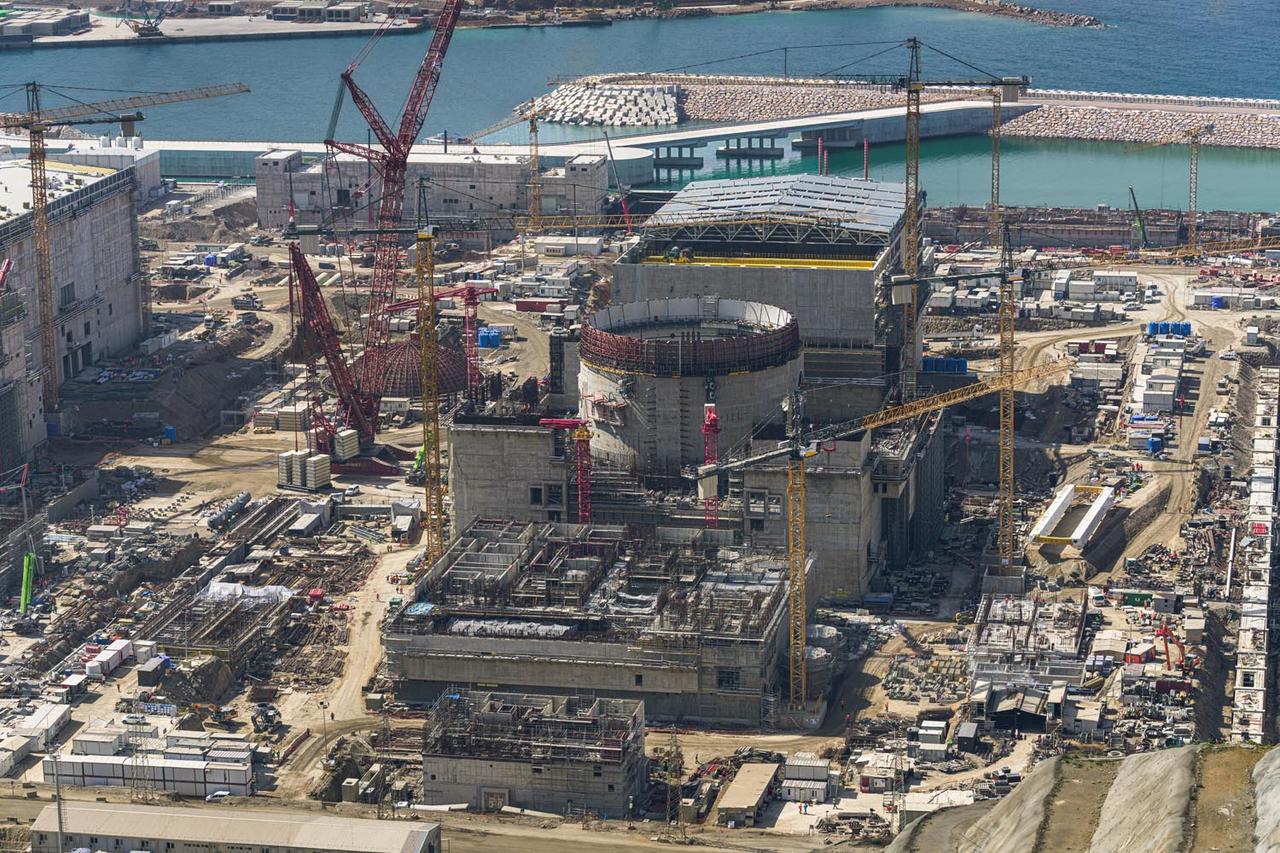
In a separate visit to the Akkuyu site, Likhachev, leading a Rosatom delegation, confirmed that all construction work on the plant's first power unit has been completed, with preparations now actively underway for the next phase of the commissioning process, cold and hot tests.
Specialists finished loading representative fuel into the reactor and completed assembly of the protective tube unit and the reactor's upper block, successfully completing one of the most critical stages in preparing the reactor facility for cold and hot testing.
During his visit, Likhachev toured the central hall of the reactor building at Unit 1 and was briefed on reports confirming the successful loading of representative fuel assemblies and completion of reactor assembly.
"We officially confirm that construction work has been completed," Likhachev said.
"Cold hydrostatic tests began on the reactor tonight, and this work is planned to be completed within the next few weeks. After that, only a few weeks will remain before commissioning operations begin. A comprehensive assessment will be made based on the results of all the work carried out, and the necessary arrangements for the final stage will be implemented," he added.
Likhachev used a marathon metaphor to describe the plant's final stretch toward operation.
"This process resembles the last 100 meters of a 42-kilometer marathon. We have now entered the final stretch. At this stage, all available resources need to be mobilized," he said.
He said one of the most important elements of the final preparation process is the deployment of operating personnel, noting that 1,930 staff will work at the first power unit.
"More than 40% of these specialists are citizens of the Republic of Türkiye. We take great pride in this," Likhachev said.
"A significant portion of these specialists graduated from our universities and are currently continuing training and hands-on internship programs at simulators and nuclear power plants in Russia," he added.
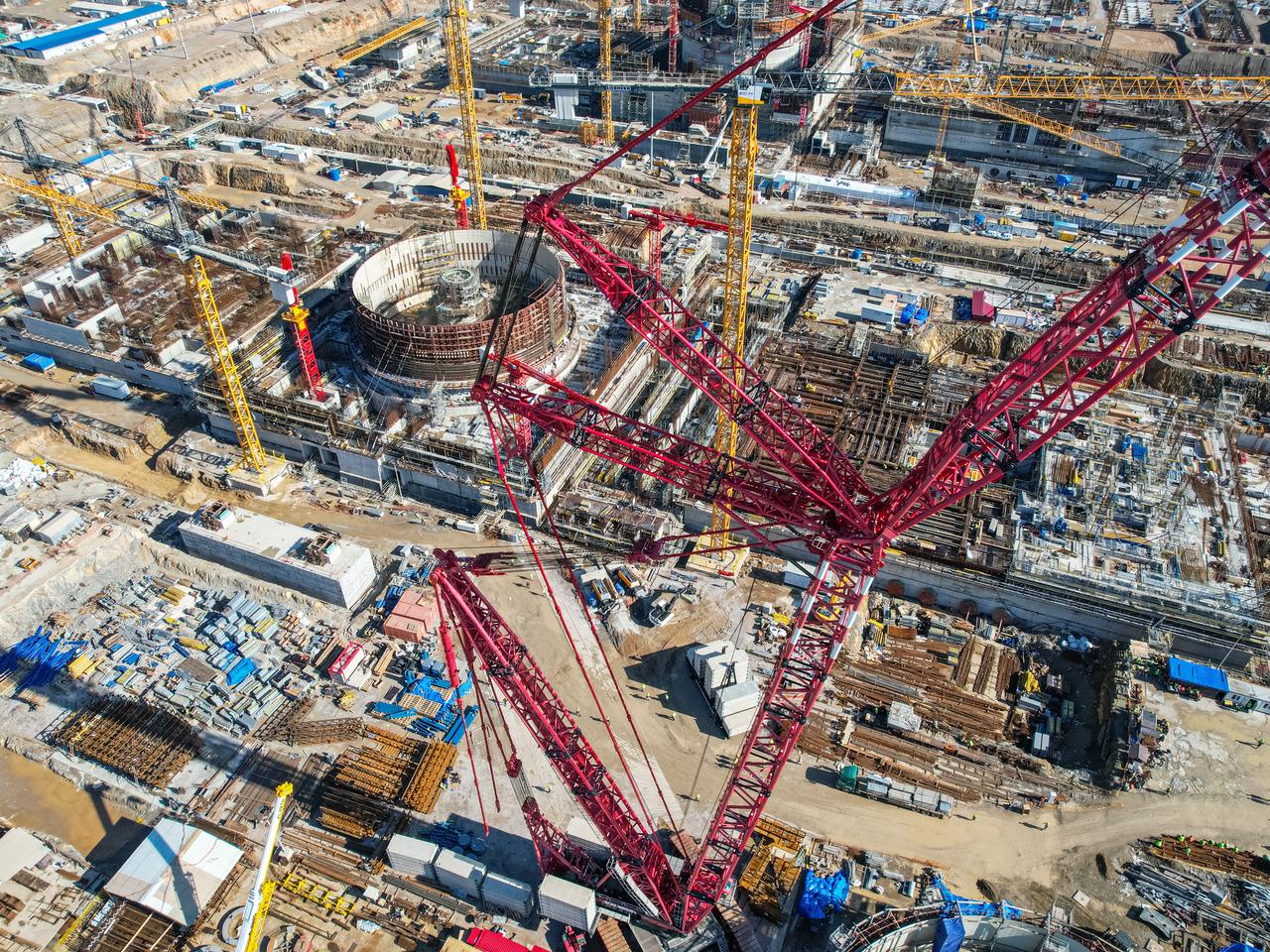
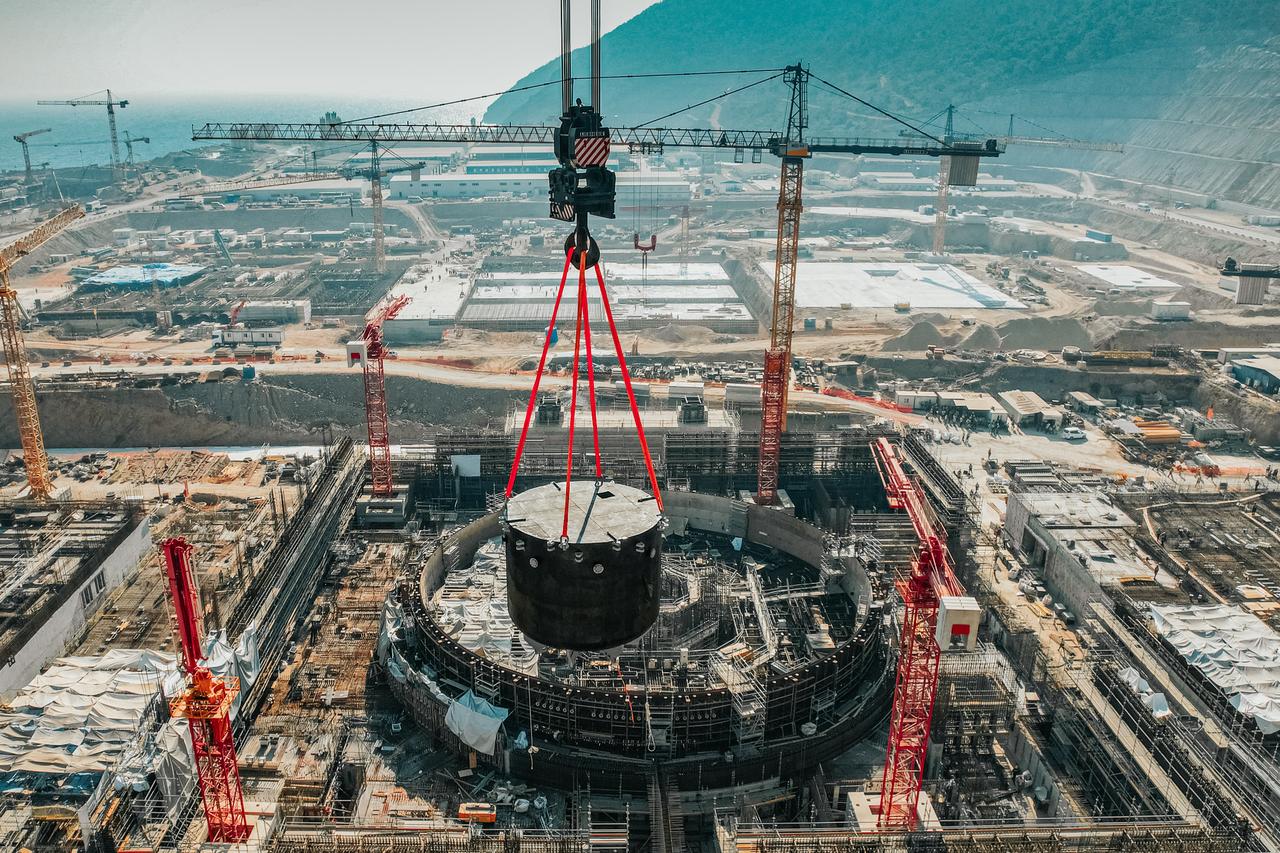
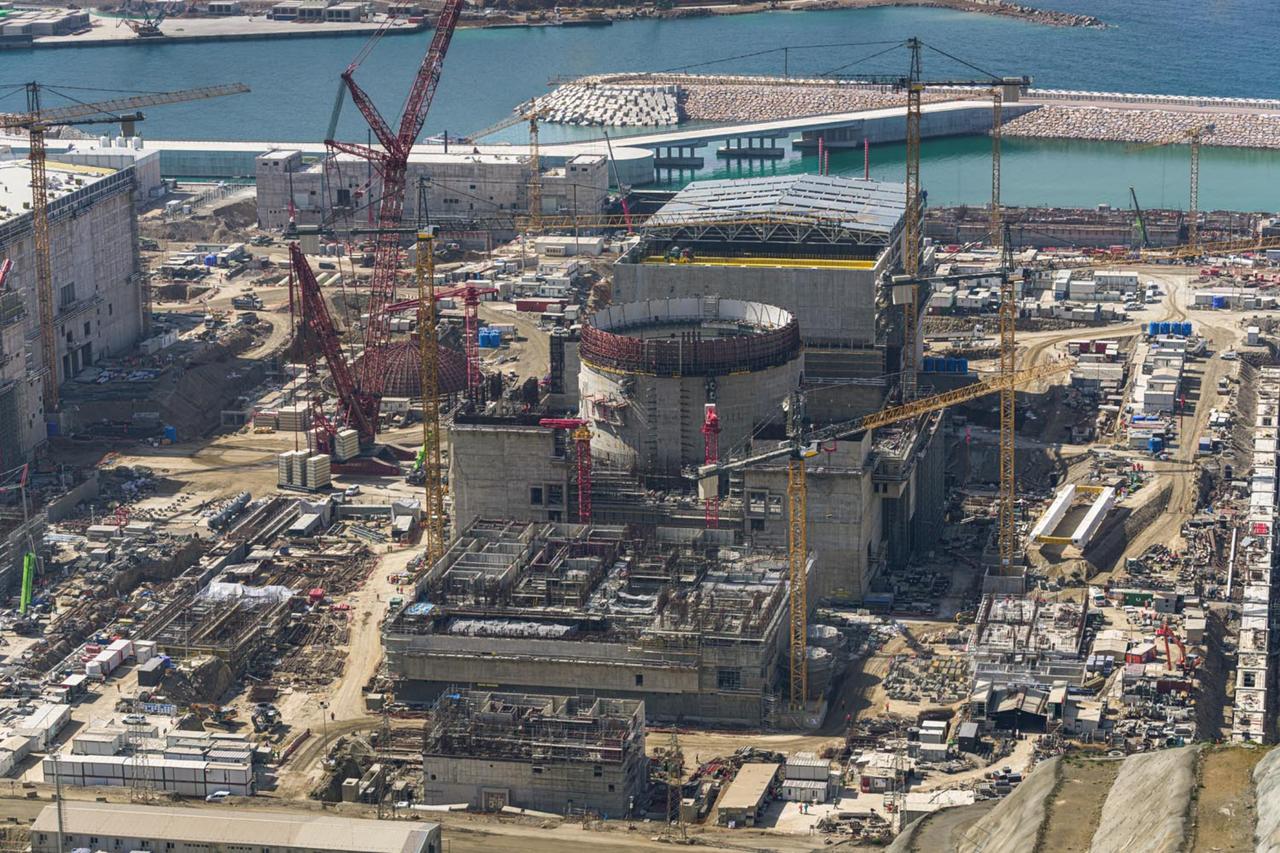
Separately, Akkuyu Nuclear JSC announced that the inner containment shell dome of the reactor building at the plant's second power unit has been placed in its designed position, a key step in constructing the unit's sealed reactor building.
The roughly seven-hour operation was carried out using a heavy-load tracked mobile crane, with approximately 40 specialists involved in slinging, securing and balancing the load as well as guiding and fixing the metal structure into its final position.
The hemispherical inner containment shell dome consists of 15 assembly sections made of specialized structural steel.
Assembly of the dome's support beam, carried out alongside the power unit building, took approximately four months, while a specially designed lifting beam, engineered based on the dome's geometry and weight, was used for the lifting operation.
Following installation, construction teams will weld the dome to the cylindrical section of the inner containment shell to form the reactor building's sealed volume, with reinforcement and concrete pouring work on the shell continuing as part of the broader process.
Akkuyu Nuclear JSC General Director Sergey Butskikh described the operation as one of the most technically complex stages of the project.
"Placing the inner containment shell dome into position is one of the most technically complex and critical operations in the construction of the reactor building. Construction and installation teams prepared for this operation over several months," Butskikh said.
"Extensive work was carried out to reach this stage. The inner containment shell sections were manufactured, transported to the site by land and sea, the dome's support beam was assembled, the sections were welded together, and the structure was prepared for lifting. The successful completion of this operation is the result of the combined effort of many specialists, particularly engineers, installation experts, welders, formwork specialists and crane operators," he noted.


 Set as preferred source
 Set as preferred source


 1 min read
 1 min read



