Newsletters


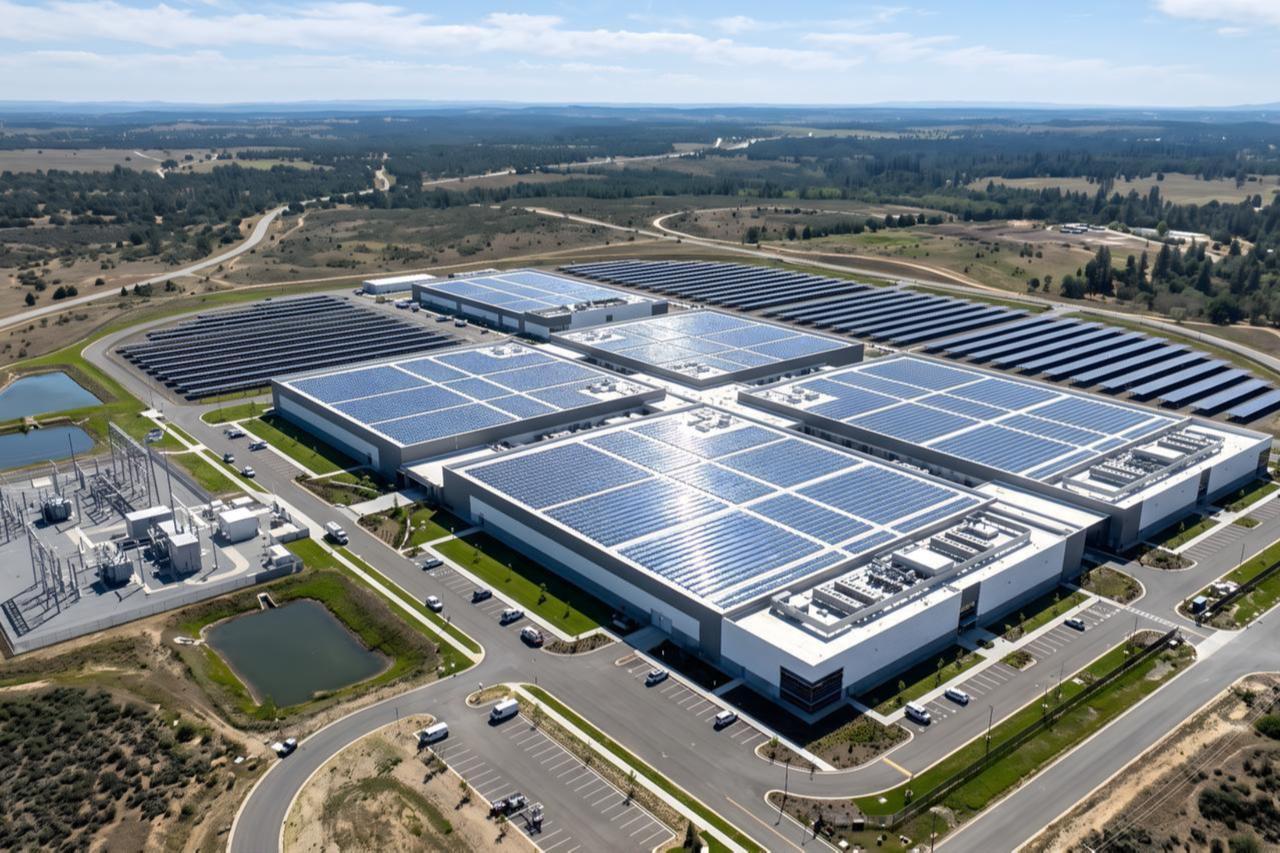


A physicist’s preliminary analysis estimates that the proposed Wonder Valley data center in Alberta, a province in western Canada, would release waste heat equal to about 23 Hiroshima-sized atomic bombs every day into the surrounding boreal forest, CBC reported.
Robert Davies of Utah State University conducted the analysis earlier this year for the Sturgeon Lake Cree Nation (SLCN), using publicly available information. He said the effect “will almost certainly be large, if not extreme.”
Davies described the project as potentially “the largest single-site heat source on the entire planet.”
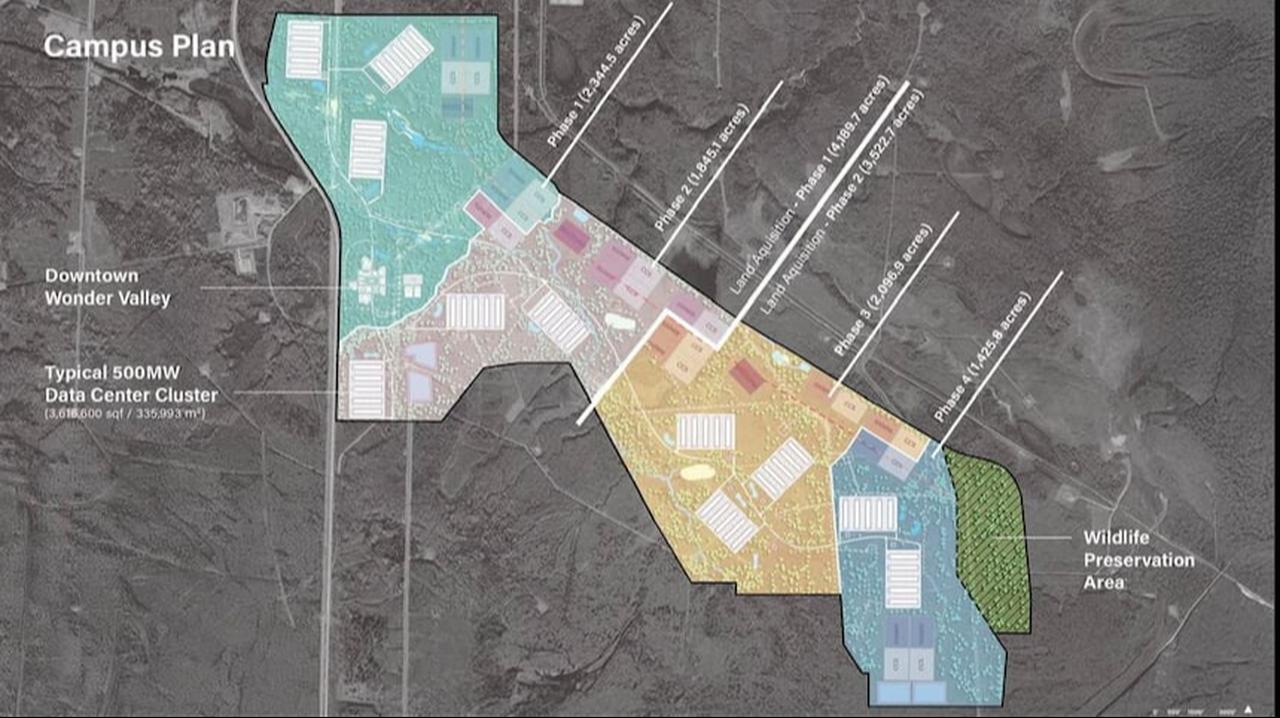

O’Leary Digital Limited, backed by celebrity investor Kevin O’Leary, proposes the CA$70 billion data center. It is planned for the Municipal District of Greenview, south of the city of Grande Prairie and about 130 kilometers (81 miles) southwest of the SLCN reserve. The site lies within the First Nation’s traditional territory.
At full operation, the facility would consume energy at a continuous rate of 18 gigawatts, or about 1.5 petajoules per day, Davies said. He estimated annual emissions at about 30 million tons of carbon dioxide, more than 4% of Canada’s total emissions.
Davies calculated a daily thermal load of 16 to 18 gigawatts, with about nine gigawatts of power coming from on-site natural gas generators rather than the grid. Because both power generation and computing would take place at one site, the heat would not be spread across a region as it is with a typical power plant.
“When people talk about environmental regulations that these projects have to adhere to, those regulations were not created with anything of this scale in mind,” Davies said.
In September, SLCN filed for a judicial review of the project’s exemption from a provincial environmental impact assessment (EIA). The Alberta government announced the exemption in April. Last month, the nation requested a second review, seeking more consultation before the project can proceed.
SLCN lawyer Orlagh O’Kelly said Wonder Valley’s unprecedented scale warrants more rigorous discussion. Davies said he could not imagine the project going ahead without full assessments.
The nation is also involved in a separate court case with O’Leary Digital. A judge dismissed the company’s bid to strike down a judicial review on consultation and water rights.
In an Oct. 30 statement, Alberta’s Ministry of Environment and Protected Areas said it followed the established legal process in deciding that no EIA was required
The ministry said EIAs are typically required for technologies with unknown environmental impacts, while the project uses “standard, proven power and water systems” that have been used safely in Alberta for decades.
The ministry added that the developer must still obtain all required permits, provide detailed technical assessments on air, land and water impacts, and demonstrate the project can be built and operated safely.
Davies said the permitting process cannot measure a project’s full impact. “Permits check the parts. An assessment checks the whole,” he said.
Alberta’s Ministry of Indigenous Relations said it cannot comment on the consultation review while the matter is before the courts.
The Municipal District of Greenview and O’Leary Digital are also named as respondents in SLCN’s filings. O’Leary Digital CEO Paul Palandjian said in an Oct. 27 email that the company respects the regulatory process and is having “productive dialogue with Indigenous communities.”
Greenview Reeve Ryan Ratzlaff said the district pursues development in a responsible, respectful and collaborative manner, adding that environmental oversight and Indigenous consultation fall under the Alberta government.
O’Kelly said the current system forces First Nations to file legal challenges to be heard, calling it “deliberately bifurcated and piecemeal.”
SLCN Chief Sheldon Sunshine said the nation has built productive relationships with other oil and gas developers, but its experience with Wonder Valley has been difficult since the project was announced.
“If anybody’s to learn anything about this, this is the project that went the absolute wrong way,” he said.


 Set as preferred source
 Set as preferred source



 2 min read