Newsletters


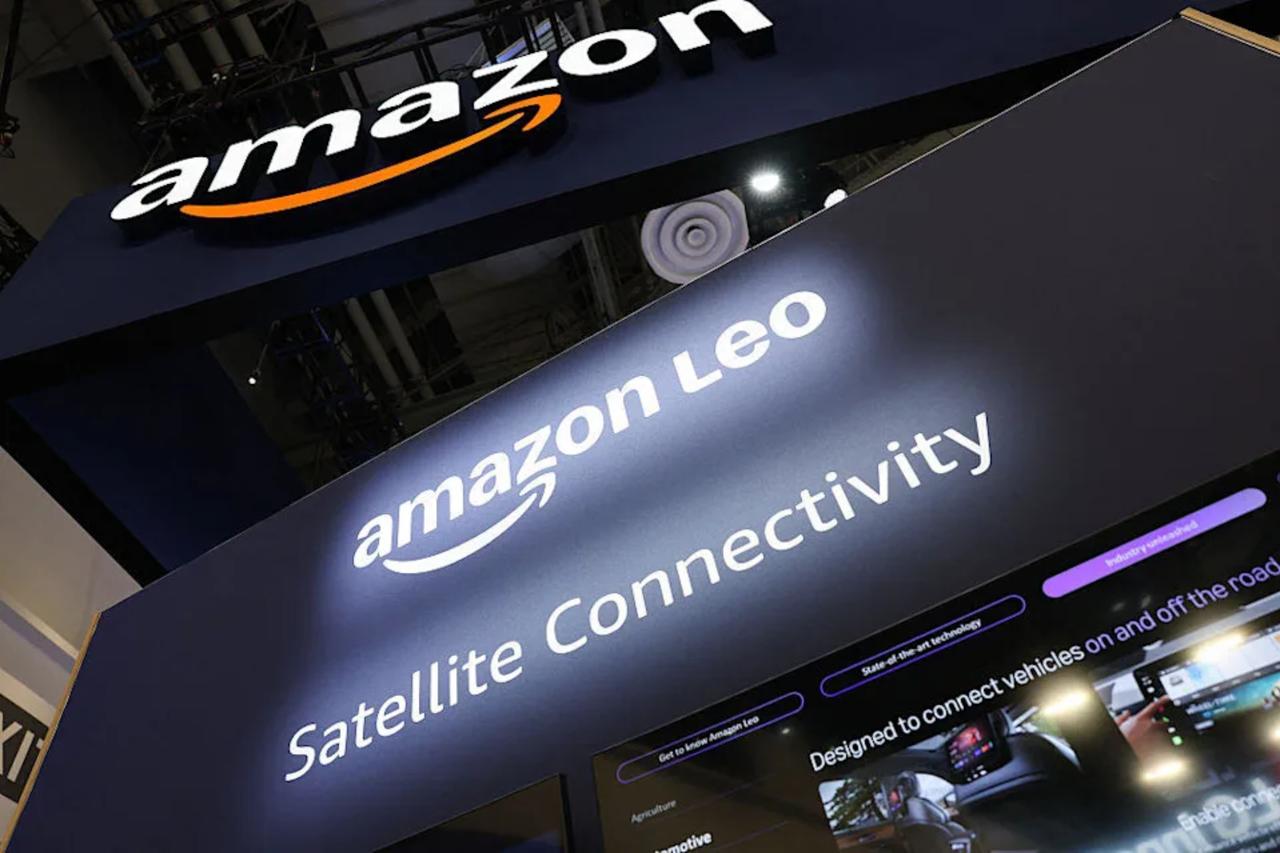


Amazon CEO Andy Jassy confirmed the mid-2026 launch of the Leo satellite internet service in a letter to shareholders.
The project previously carried the name Project Kuiper. Leo currently has 241 satellites in space. Jassy promised "a few thousand more" in the coming years.
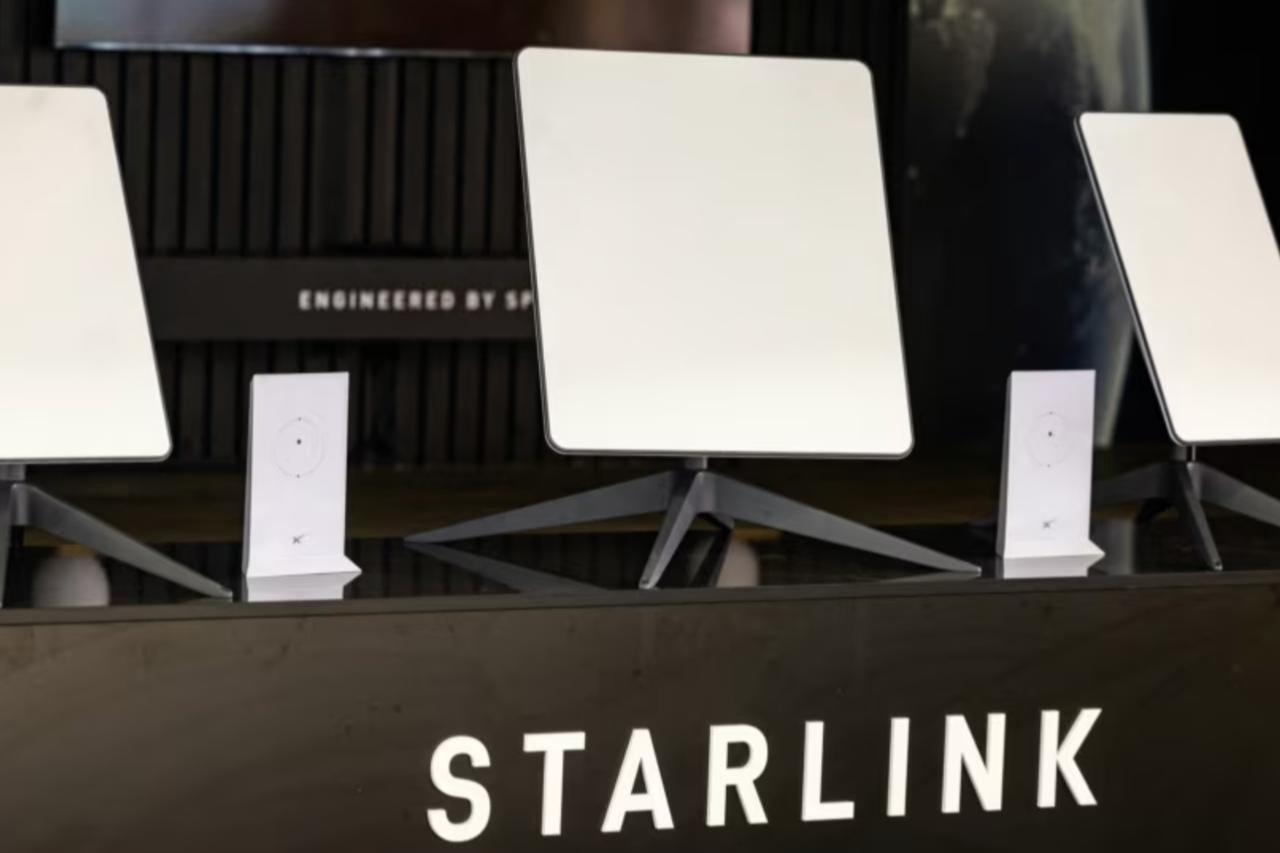
The company aims to challenge the current dominance of Elon Musk’s Starlink.
Amazon CEO Jassy noted the technology is "on the verge of launching." Amazon secured "revenue commitments from enterprises and governments" for the scheme. The service will integrate with Amazon Web Services (AWS) to facilitate data movement for storage and AI analytics.
Early testing with enterprise customers began late last year. Jassy claims the hardware will outperform existing alternatives. Performance should be "six to eight times better on uplink, and two times better on downlink" than current services. He also promised lower costs for users.
Several major organizations are already committed to the service:

Amazon currently operates only 241 satellites.
This count represents a tiny fraction of its authorized 3,236-satellite fleet, according to The Verge. The company faces a July 2026 deadline from the Federal Communications Commission.
This mandate requires the deployment of 1,618 satellites to retain licensing rights. Amazon recently approached FCC Chair Brendan Carr to request an extension. The company admitted it expects to reach only 700 satellites by that date.
The infrastructure deficit remains stark:
This shortfall highlights the technical complexity of building orbital networks. Elon Musk aims for a final constellation of 42,000 satellites. Amazon relies on rival rockets to reach space. This dependency continues until the Blue Origin New Glenn rocket becomes operational in 2027. Amazon struggles to match the deployment speed of its competitors without its own transit system.
The company attempts to reassure regulators despite these delays. Amazon told the FCC it expects "to have its customer terminals in the hands of more enterprise and government customers" by mid-2026. It plans to increase launch frequency and maximize payload efficiency. Billions of dollars in contracts secure the project through 2029.
The widening gap with SpaceX raises serious questions about Amazon's ability to scale in a competitive market.
Amazon lacks its own fleet of rockets to deploy the Leo constellation.
The company currently relies on launch partners like SpaceX to reach orbit. Plans exist for Blue Origin to take primary responsibility for launches in 2027. Jeff Bezos owns both Amazon and Blue Origin.
The rivalry between Bezos and Musk will likely define the commercial space industry. Both billionaires want to establish orbital datacenters and commercialize space travel. Blue Origin currently maintains an edge in the latter field.
Leo's future success remains a point of skepticism for some observers. Amazon has a history of both massive hits and high-profile hardware failures.
The company's portfolio includes the successful Kindle and Alexa, but also the disastrous Fire phone. Amazon Fresh also closed all brick-and-mortar stores between 2025 and 2026.
Investors and customers must wait to see if Leo provides a viable alternative to Starlink or joins the list of expensive experiments.


 Set as preferred source
 Set as preferred source


 1 min read