Newsletters




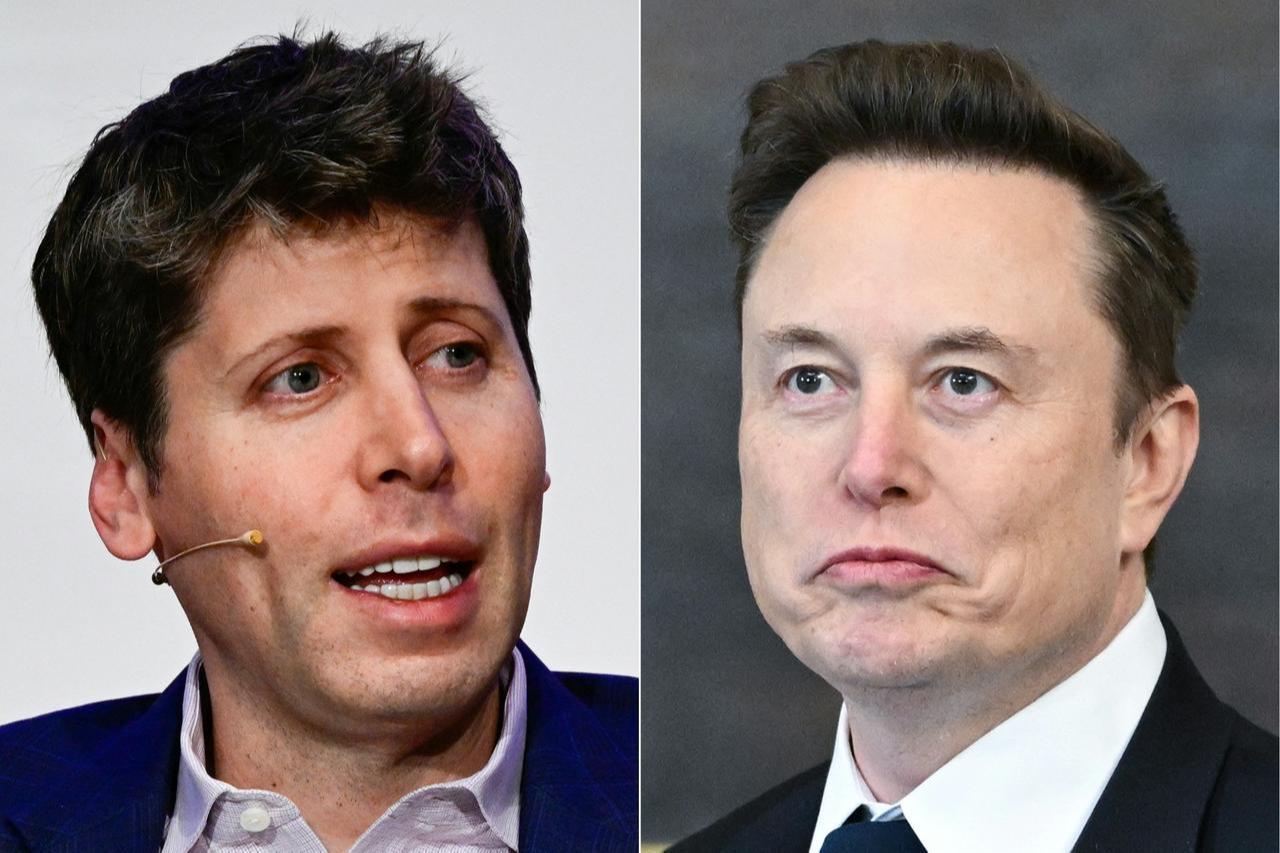
Closing arguments in the lawsuit pitting Elon Musk against OpenAI concluded Thursday as attorneys for both sides made their final appeals to a nine-person jury, with a verdict that could fundamentally alter the trajectory of the company behind ChatGPT expected as early as next week.
The three-week trial in Oakland has drawn some of Silicon Valley's most recognizable names to the witness stand, transforming a federal courtroom into a theater for a bitter dispute over billions of dollars, broken promises and who controls the future of artificial intelligence.
Musk, the world's richest person, filed suit in 2024 against OpenAI, its chief executive Sam Altman and co-founder Greg Brockman, alleging they misused a $38 million contribution he made with the understanding that the organization would remain a nonprofit research lab dedicated to the safe development of AI for the public good.
OpenAI has since grown into an $850 billion commercial enterprise.
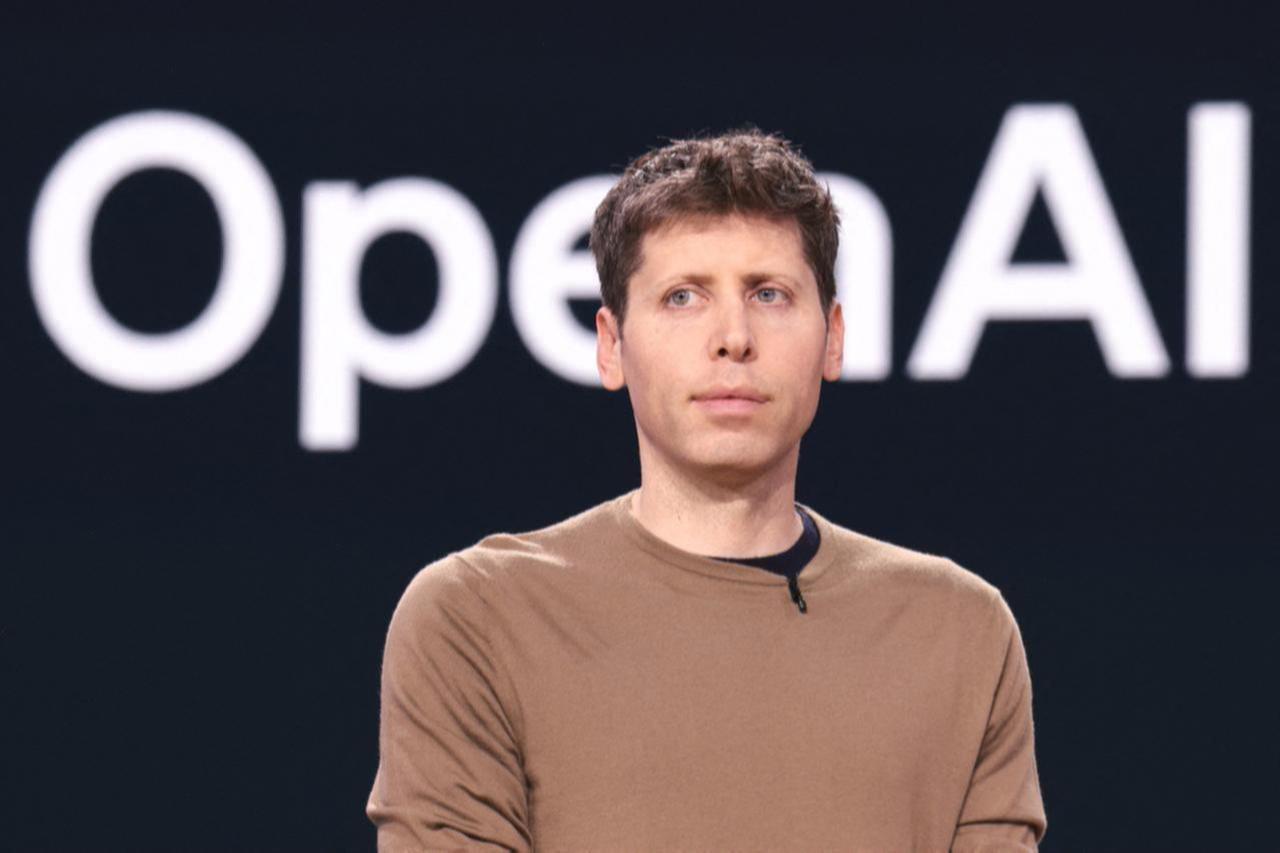

As Judge Yvonne Gonzalez Rogers framed it for jurors, the central question may be deceptively straightforward: which side do they believe?
Musk's attorney Steven Molo used his closing argument to cast doubt on Altman's credibility, mocking the original idealism that once defined the company.
"A non-profit devoted to the safe development of artificial intelligence, open sourced as practical, for the benefit of humanity," he said. "You know, we're supposed to buy that."
OpenAI attorney Sarah Eddy pushed back sharply, arguing that even those closest to Musk have failed to corroborate his account.
"Even the people who work for him, even the mother of his children, can't back his story," she said, referring to Shivon Zilis, a business associate of Musk and mother of four of his children, who testified about her role as a go-between for the two camps during earlier negotiations.
Musk himself spent three days on the stand during the trial, casting himself as a selfless patron who bankrolled the company out of concern for humanity's long-term survival alongside advancing artificial intelligence.
He was traveling in China on Thursday as part of President Donald Trump's diplomatic delegation.
OpenAI was incorporated as a nonprofit in 2015, with Musk among its founding backers. The organization established a for-profit subsidiary in 2019 as the costs of training frontier AI models, and the pressure to attract capital, escalated rapidly.
Altman and others have argued the restructuring was essential, contending that competing at the frontier of AI requires the kind of investment that nonprofit status cannot attract.
Musk's suit demands OpenAI revert to its original nonprofit structure, a remedy that would require the company to abandon its planned initial public offering and cut ties with major investors, including Microsoft, which committed $13 billion to the company, as well as Amazon and SoftBank.
The jury must also consider whether Microsoft, OpenAI's earliest private backer, knowingly enabled the company to stray from its founding mission.
Before any of that, jurors must first determine whether Musk filed his lawsuit within the legally permitted window. He initiated the case in 2024, six years after departing OpenAI in 2018. If the jury finds the suit was filed too late, the case would end without reaching the merits.
Should Musk prevail, the implications for the global artificial intelligence race would be sweeping.
A forced return to nonprofit status would sideline OpenAI in its competition against Anthropic, Google and China's DeepSeek, all of which are racing to develop and commercialize increasingly powerful AI systems.
OpenAI has argued throughout the trial that Musk's motivation is not altruistic but retaliatory, alleging he sought majority control of the company's commercial arm and launched the lawsuit after failing to obtain it.
The trial has also shed light on the enormous financial stakes now attached to artificial intelligence, with testimony from Microsoft chief executive Satya Nadella, Brockman and Altman highlighting the scale of capital flowing through the sector.
The jury in this case serves in an advisory capacity. The judge will retain final authority over any finding of liability and the nature of any remedy, though she has indicated she is likely to follow the jury's guidance. A verdict on the underlying allegations is expected next week.


 Set as preferred source
 Set as preferred source


 1 min read
 1 min read