Newsletters


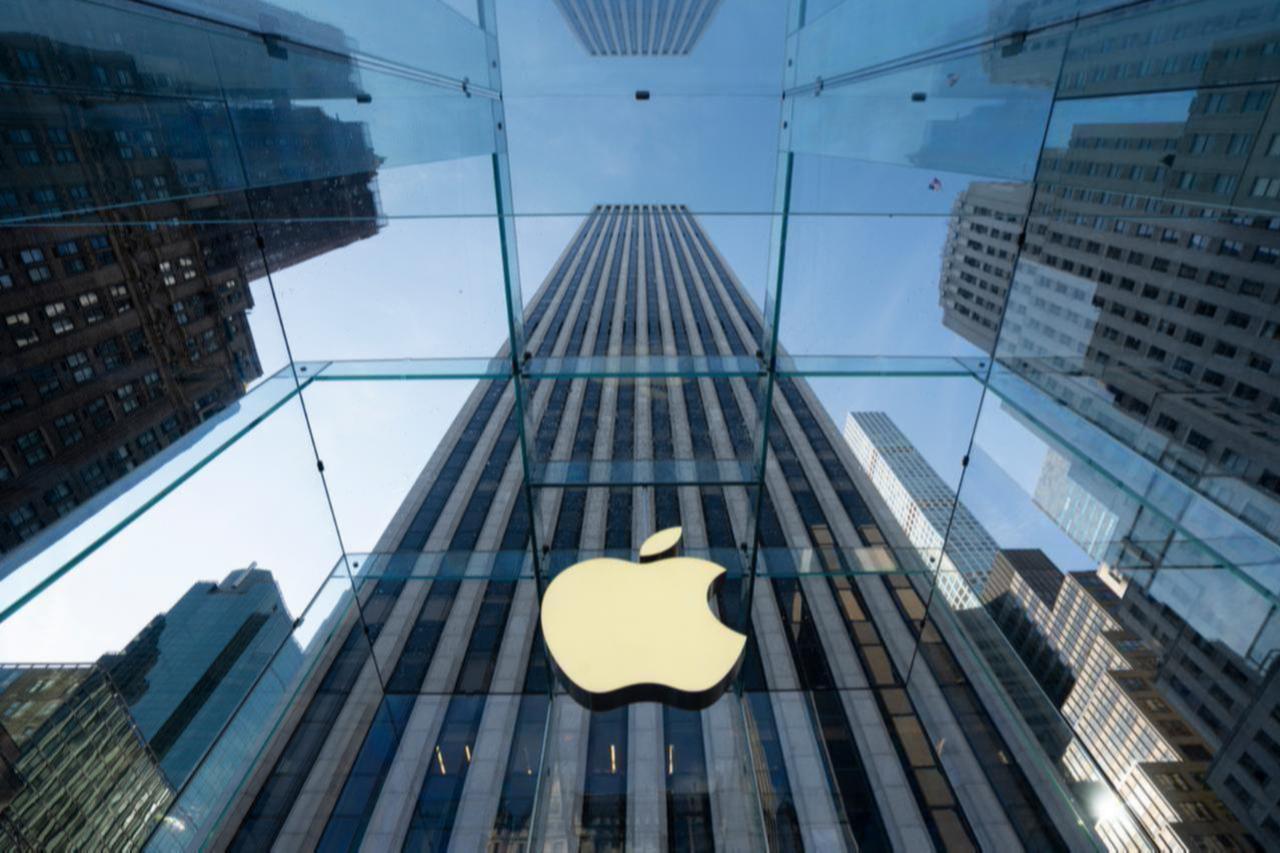


Apple Inc. raised prices on a range of its products Thursday, citing an unprecedented surge in memory and storage costs fueled by the rapid global expansion of artificial intelligence data centers, sending the company's shares down roughly 5.3 percent by 1600 GMT.
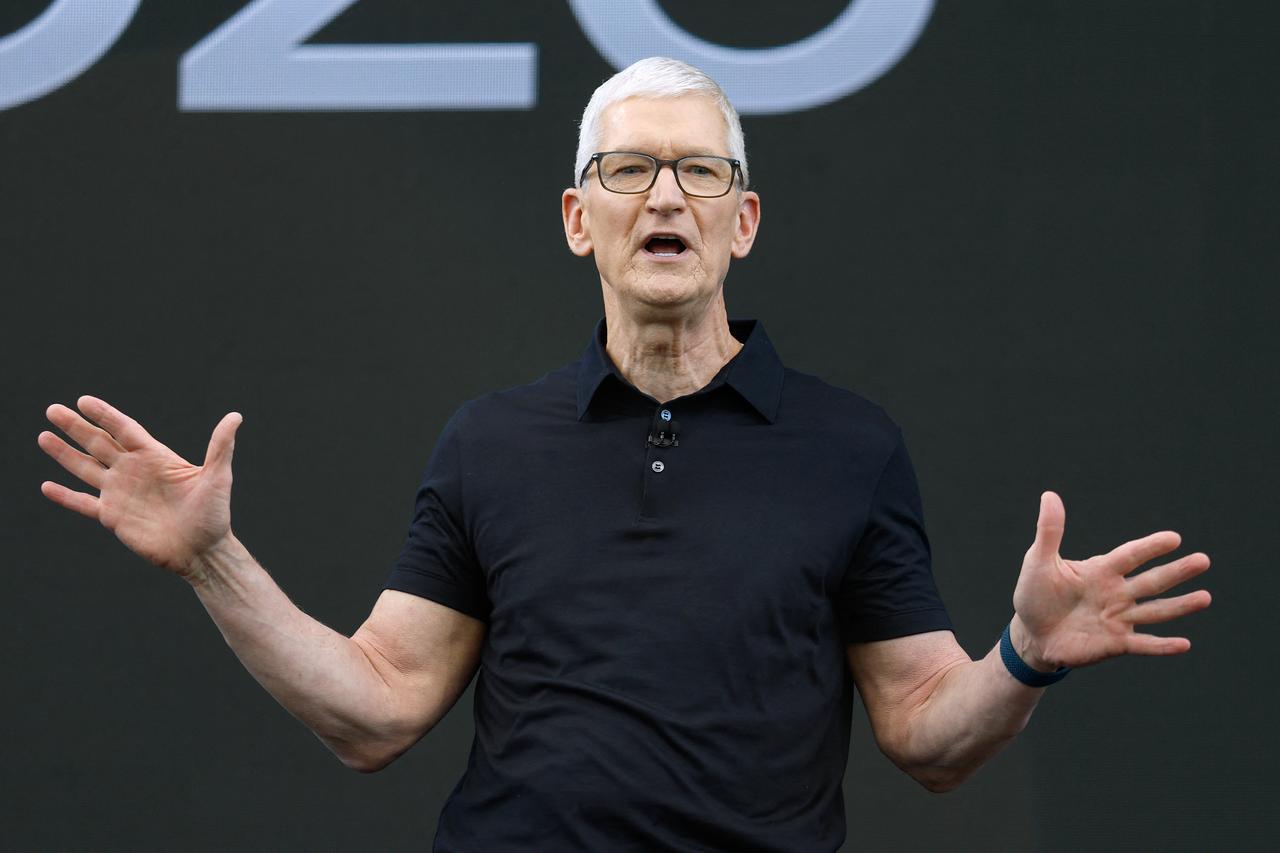
The price increases, which the Cupertino, California-based company described as unavoidable, mark the first concrete pricing action following repeated warnings from outgoing Chief Executive Tim Cook about rising component costs.
Cook told The Wall Street Journal last week that increases were "unavoidable," adding that suppliers were passing along "huge price increases" at a time of constrained supply, calling the situation a "hundred-year flood."
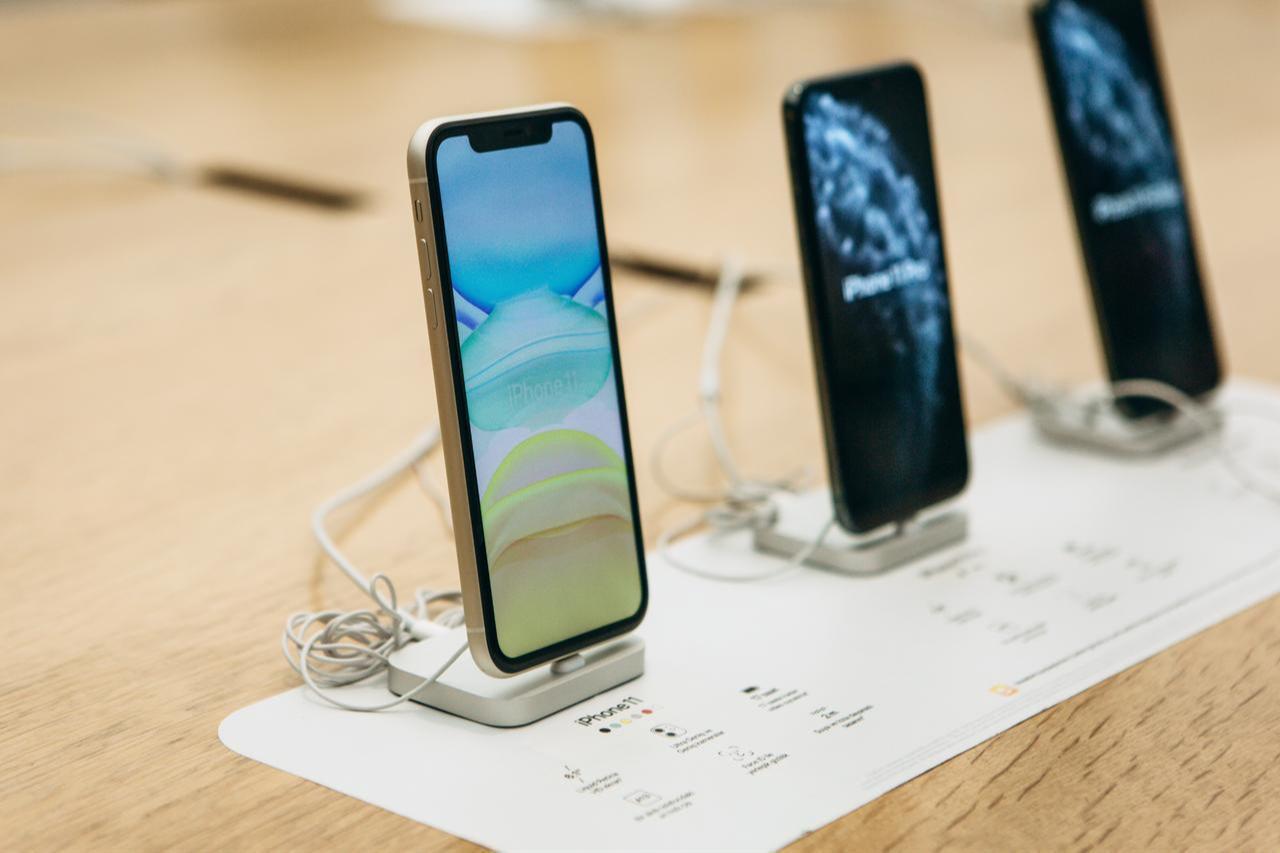

Apple attributed the hikes to a dramatic tightening in the market for memory chips and RAM, components found in nearly all consumer electronics. According to the company, memory and storage costs have risen by at least 50 percent on a quarterly basis since late 2025, driven by fierce competition for components among AI data center operators worldwide.
"The rapid expansion of AI data centers has created an extraordinary surge in demand for memory and storage," an Apple spokesperson said. "We have never seen a component price increase this much, this quickly."
The company said it had absorbed those costs for as long as possible. "We have shielded our customers from these increases so far, but we have now reached a point where we need to begin raising prices on a number of products, including today's increases for iPad and Mac," Apple said in a statement.
The new prices affect a broad swath of Apple's Mac and iPad lineups. The iMac desktop now starts at $1,499, up from $1,299, while the Mac Studio rose from $1,999 to $2,499.
Among laptops, the MacBook Neo's starting price climbed from $599 to $699, the 13-inch MacBook Air increased from $1,099 to $1,299, and the MacBook Pro rose from $1,699 to $1,999. The Apple TV streaming device increased from $130 to $200.
On the tablet side, the iPad Pro's starting price increased from $999 to $1,199, and the iPad Air rose from $599 to $749. The Vision Pro mixed-reality headset also saw a modest adjustment, moving from $3,499 to $3,699. Across Apple's US website, price increases ranged from $30 to $300.
The iPhone, Apple's flagship product and primary revenue driver, was not among the items affected. The company also left prices unchanged for its Apple Watch smartwatch and AirPods wireless earbuds.
The price increases arrive at a delicate moment for Apple, which recorded an all-time revenue record of $416 billion in its most recent fiscal year.
Cook is set to hand the chief executive role to John Ternus on September 1, just days before the anticipated unveiling of a new generation of iPhones, leaving Ternus to manage the commercial and reputational fallout from the pricing changes.
The broader consumer electronics industry is grappling with similar pressures, with Apple noting in its statement that the sector faces "unprecedented challenges" from the AI-driven component shortage.


 Set as preferred source
 Set as preferred source


 1 min read
 1 min read