Newsletters


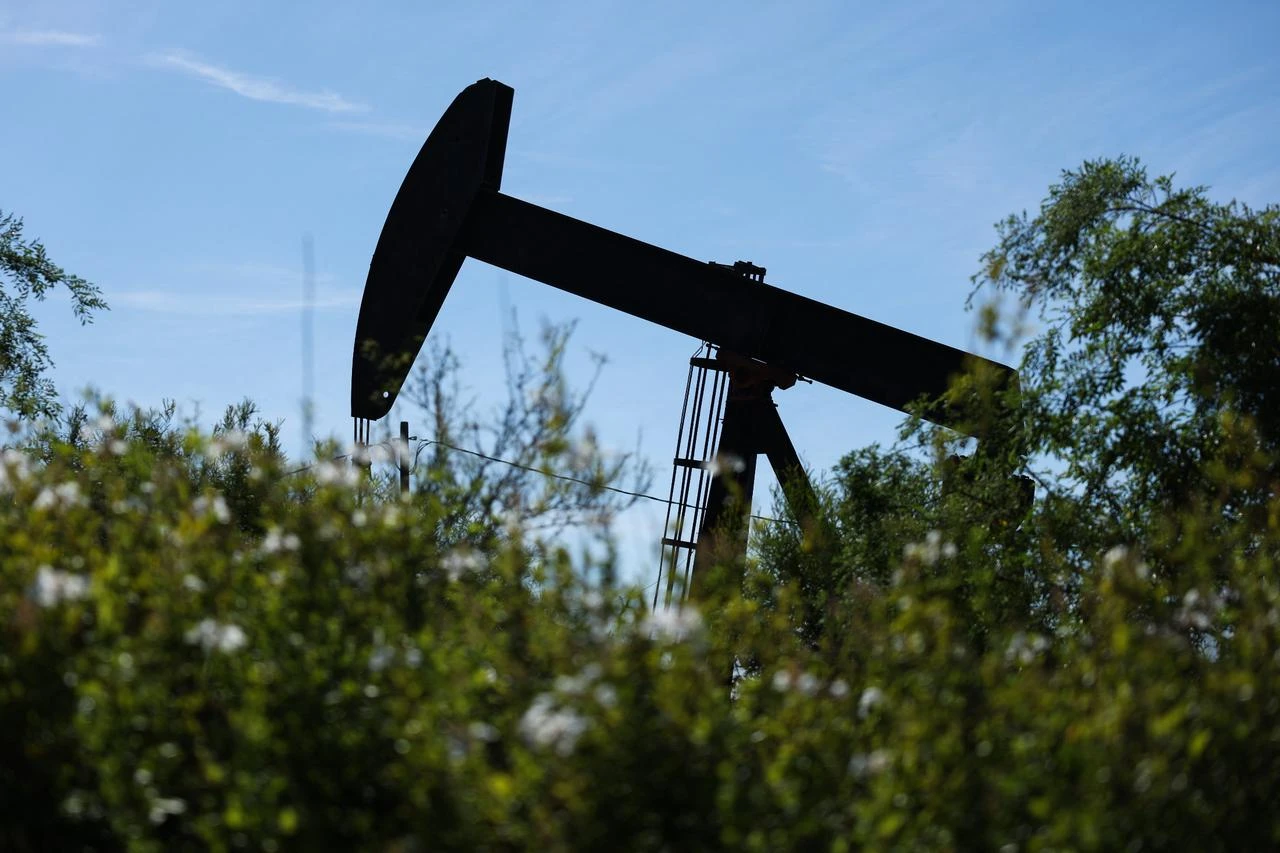


Oil prices surged past $100 a barrel Thursday for the first time since late May, as Yemen's Houthi movement said it struck two Saudi oil tankers in the Red Sea, opening a second front in disruption to global oil shipping alongside the ongoing standoff over the Strait of Hormuz.
Brent crude futures rose as much as $5.83, or 6.2%, to $99.90 a barrel by 1310 GMT after briefly touching $100 a barrel, according to Reuters, marking a fifth consecutive day of gains. A separate report put Brent's brief peak slightly higher, at $100.14 a barrel, before it pulled back.
U.S. West Texas Intermediate (WTI) crude rose $4.41, or 5.08%, to $91.24 a barrel, according to Reuters, exceeding $90 for the first time since June 11.
A separate report put WTI's gain at nearly 5%, to $90.98 a barrel.
Brent has surged roughly $27 a barrel this month alone, a gain of more than a third, and last settled above $100 on May 22, according to FactSet data cited in reporting on the surge. At $100, Brent stood roughly $28 above pre-war levels but still about $20 below its April peak, according to the same reporting.
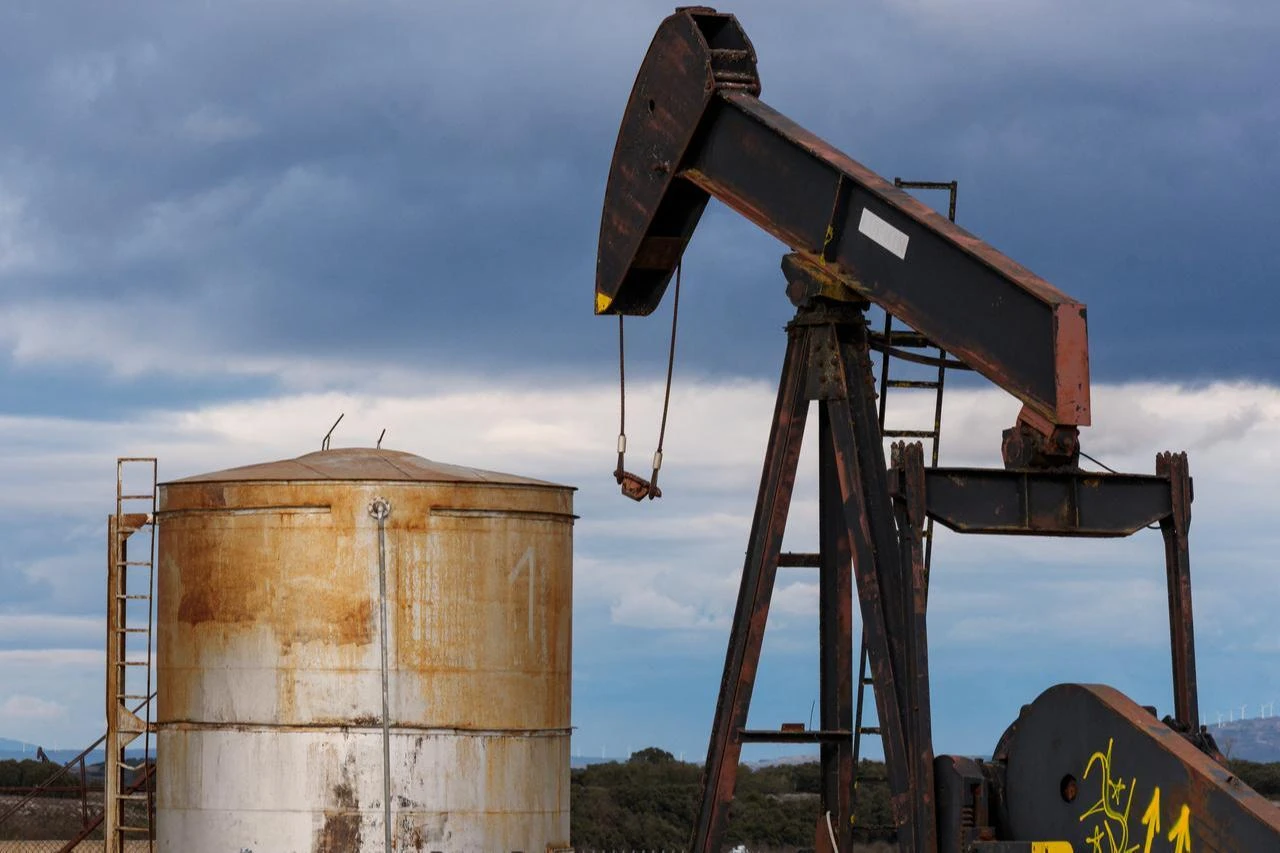

Yemen's Houthis said Thursday they attacked two Saudi Arabian oil tankers in a military operation, with a Saudi news agency later confirming one of the two vessels was ablaze following the assault in the Red Sea.
The attack followed the Houthis' announcement of a naval blockade on Saudi oil shipments.
According to analysts cited in reporting on the market impact, Saudi Arabia has been shipping roughly 4 million to 5 million barrels of oil per day via the Red Sea and Bab al-Mandeb Strait as an alternative route bypassing the Strait of Hormuz, with that route now at risk following the Houthi attack.
Ahmad Assiri, a research strategist at Pepperstone who spoke to Reuters, said: "The immediate outlook for crude oil remains supportive as markets price a worrying probability of supply interruptions in a second chokepoint."
Goldman Sachs said Brent could exceed $120 a barrel in the fourth quarter and average $100 next year if the Strait of Hormuz remains disrupted through 2027, with further upside possible if the Bab el-Mandab Strait and Suez Canal also face persistent disruption.
Goldman expects oil prices to retain most of their recent gains through July and August as global inventories continue to decline, citing lower Middle East production, seasonal summer travel demand, and a sharp slowdown in releases from strategic petroleum reserves.
Separately, European diesel margins hit a record $66.25 a barrel on July 17, supported by Russia's diesel export ban following repeated Ukrainian attacks on its refineries and concerns over further Middle East supply disruptions, and traded as high as $65.30 a barrel on Thursday.
Rising oil prices are being felt across financial markets, with higher energy-driven inflation risks threatening both economic growth and raising the prospect of higher central bank interest rates.


 Set as preferred source
 Set as preferred source


 1 min read



 1 min read