Newsletters


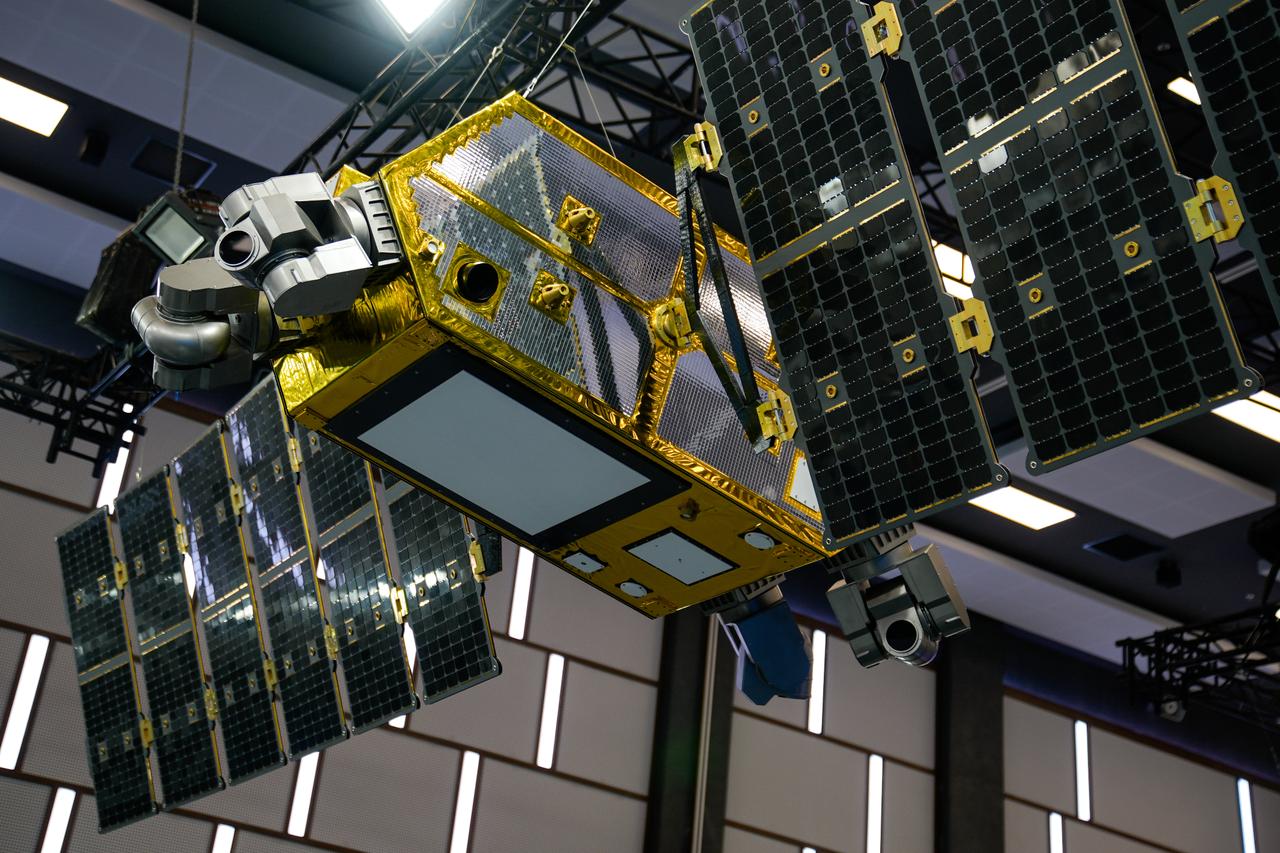


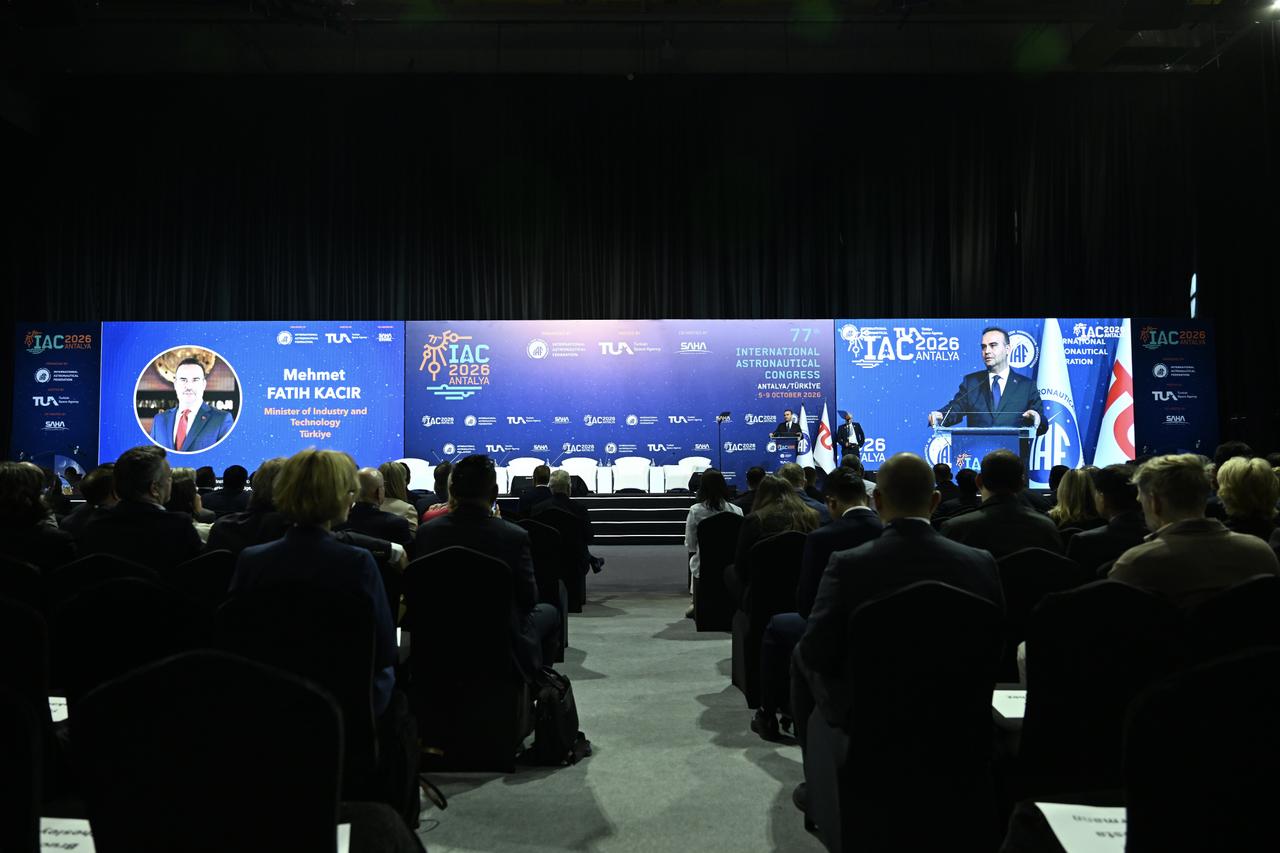
Turkish defense company Aselsan unveiled its homegrown low Earth orbit (LEO) communications satellite constellation, Gokbagi, known internationally as Astralink, on Monday at the 77th International Astronautical Congress (IAC 2026) in Antalya.
"We will design the entire satellite and start launching the first satellites in the next few years," Aselsan CEO Ahmet Akyol told Türkiye's state-run Anadolu Agency (AA), adding that the company designed the system "from the chip level up."
Gokbagi is a dual-use network designed to provide fast, secure communications for military, public and civilian users, marking a new step in Türkiye's push for independence in space technology.
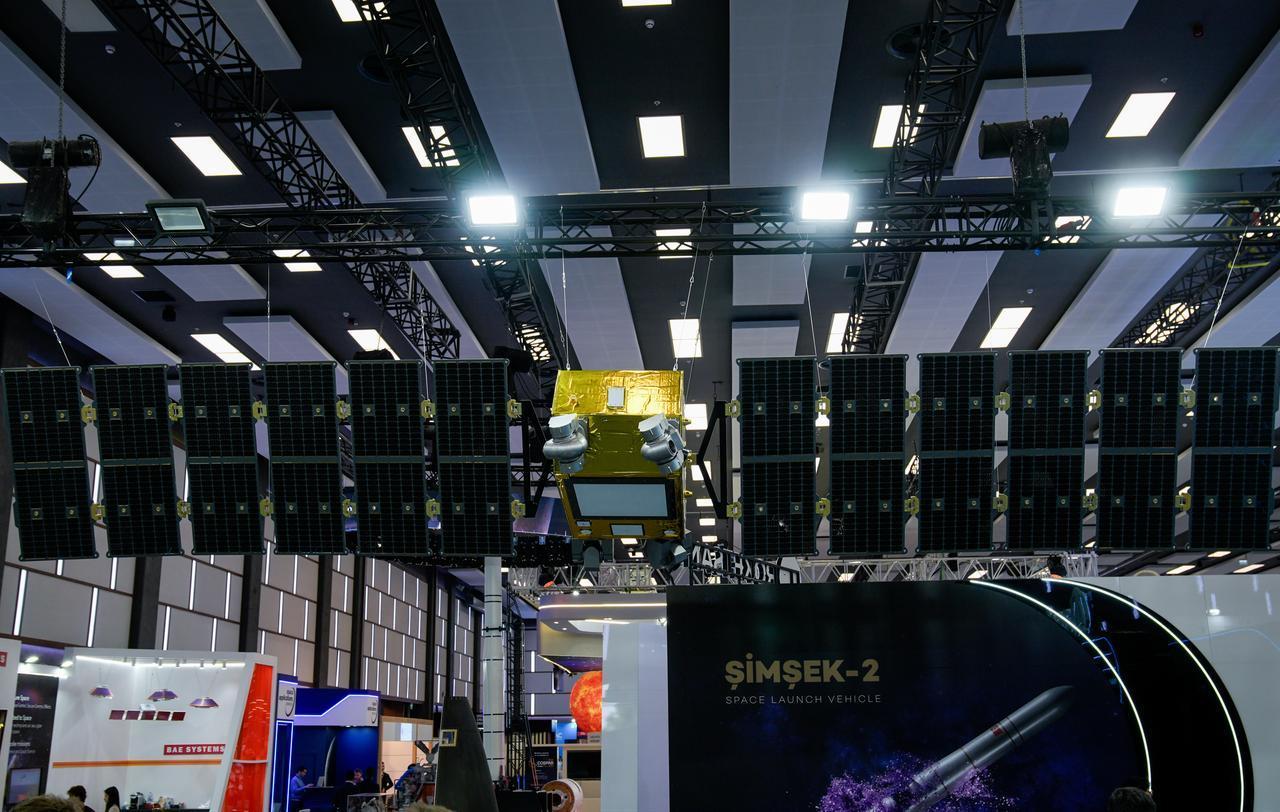

"Gokbagi is a communications satellite constellation to be used in LEO orbit. We are designing it starting from the chip. The design of the chips inside it also belongs to Aselsan," Akyol said, noting that the satellite design was being presented internationally for the first time.
"We use the name 'Astralink' globally, but it continues to be called Gokbagi in Türkiye," he said.
"We will have brought to our country a much more effective, much more efficient, much faster system in LEO orbit. This is an important project," Akyol said.
The Aselsan CEO noted that the space services, once seen mainly as symbols of scientific achievement, have become a sign of national independence in economic, military and public services.
"This will be an important capability in this world where autonomous systems have spread a lot and the speed of public services needs to be increased for Türkiye," he said, adding, "It is a project in which we are, so to speak, declaring our independence in space."
"The Gokbagi Project is a project that will carry Türkiye's independence story in technology into space," he added.
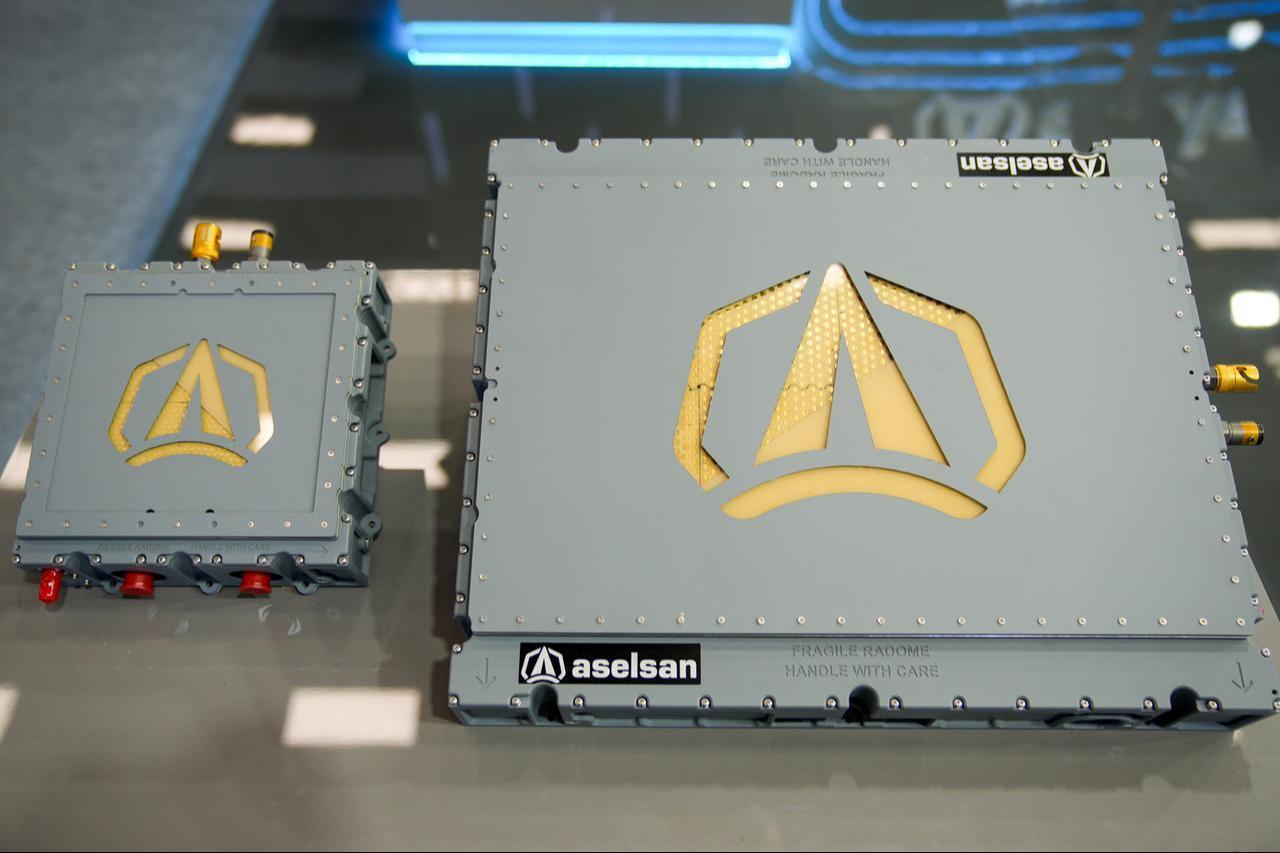
Aselsan also displayed satellite receivers for ground services based on active electronically scanned array (AESA) technology.
"We made AESA radar for many years; now we have made AESA-based satellite receivers. With this, we have the ability to track the satellite digitally without mechanically moving the antenna and to provide more effective, more efficient communication," he said.
The company also gave the first public display of the payload of the Gokturk-3 synthetic aperture radar (SAR) satellite, which can capture high-resolution images of the Earth's surface through dense cloud cover.
Akyol said Aselsan has invested in new space manufacturing infrastructure at its newly built Ogulbey campus.
"We are going through an era in which all these surveillance, communication and navigation systems are made and processed in space and the result is sent down," he said, referring to the role of artificial intelligence in space.


 Set as preferred source
 Set as preferred source


 1 min read

 1 min read