Newsletters


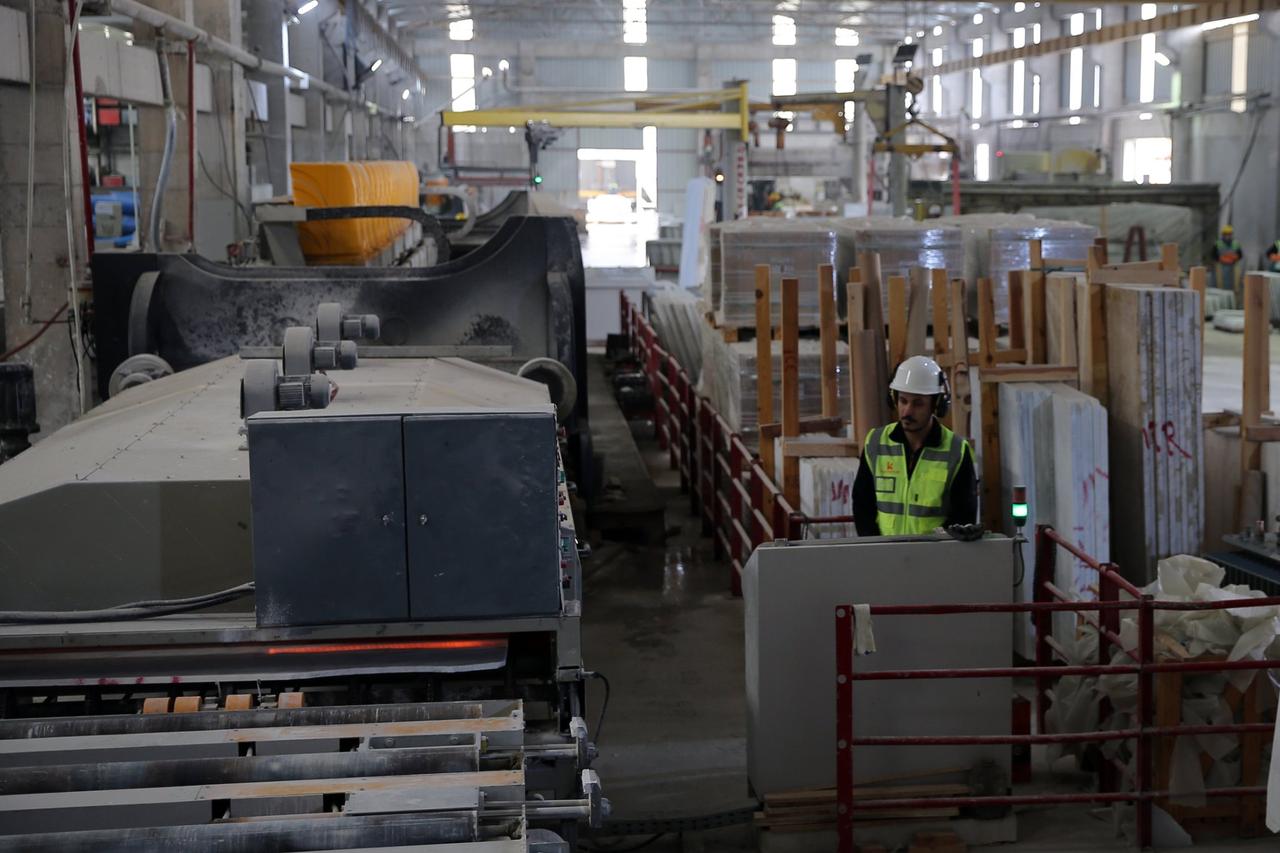


At least 212 workers died in workplace incidents across Türkiye in May, bringing the death toll for the first five months of 2026 to at least 835, according to a report by the Health and Safety Labor Watch Council (ISIG).
According to ISIG, at least 155 workers died in January, 129 in February, 149 in March, 190 in April and 212 in May.
The council said 68% of its data came from national media reports, while the rest was collected from workers’ colleagues, families, occupational safety experts, workplace doctors, unions and local media.
ISIG also reported that seven child workers died in May. Four of them worked in agriculture, while the others were employed in trade, construction and the metal sectors.
One of the children was working under the Vocational Education Center Program, known as MESEM, a vocational education scheme that combines school and workplace training.
Fifteen-year-old Mahir Bugra Karagon died on May 1 after being electrocuted at a pastry shop in Iskenderun, Hatay, where he was working as an intern. ISIG said his case highlighted the consequences of child labor and the MESEM system.
According to his family, Karagon was supposed to attend school one day a week, but was instead made to work constantly, leaving home early in the morning and returning late in the evening. The report included the statement: “This child was an intern, but he was made to work like a regular worker.”
ISIG described it as a publicly funded mechanism that provides employers with low-cost or free child labor.
The report said children are officially placed in a “one day at school, four days at work” system, but in practice, working days can stretch to five or six days a week and daily shifts can reach 10 to 12 hours.
It also said children are paid between one-third and one-half of the minimum wage, with those payments covered by the Unemployment Insurance Fund.
ISIG warned that efforts to expand MESEM to the middle-school level could lower the age of entry into labor to 10 or 11.
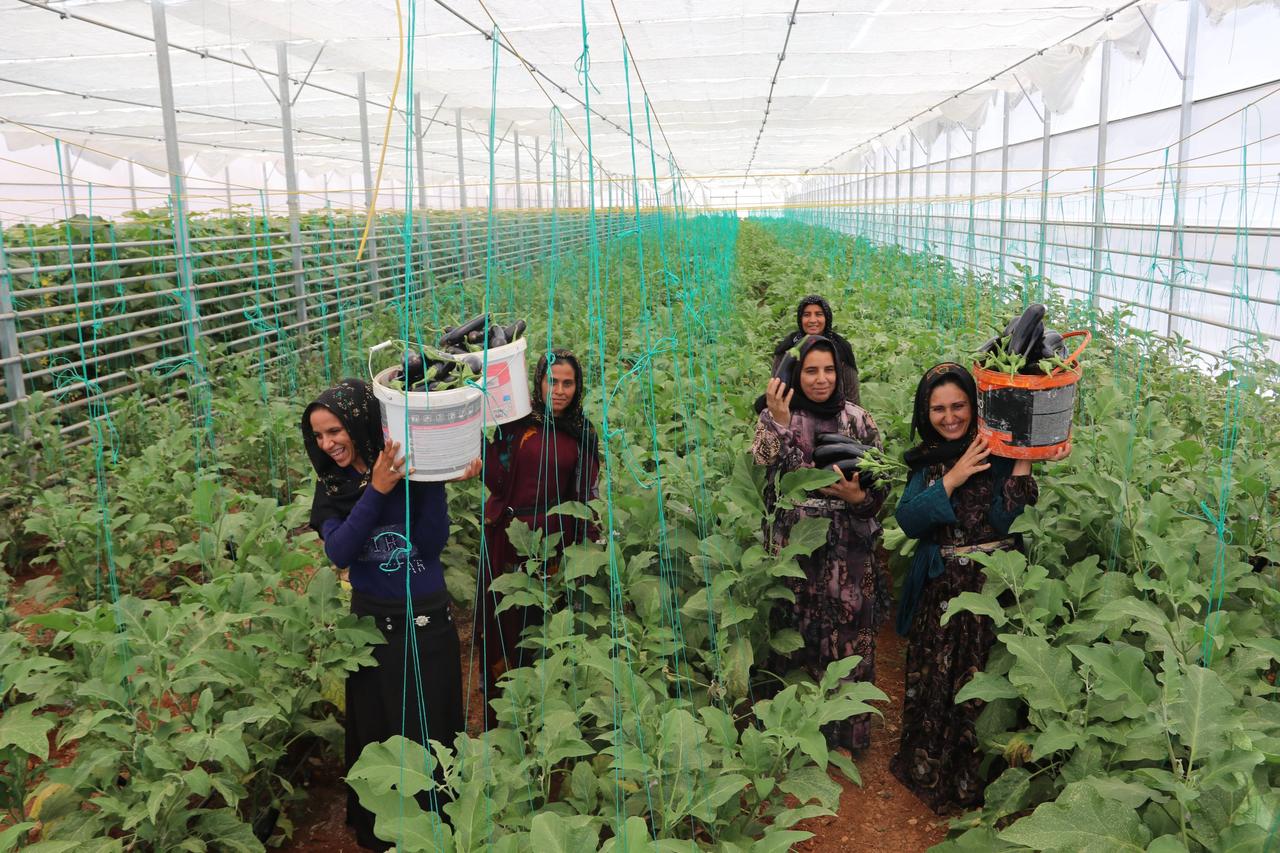

The highest number of deaths in May took place in agriculture and forestry, construction and road works, and transport.
ISIG said 48 workers died in agriculture and forestry, 38 in construction and road works, and 33 in transport. By broader sectors, 78 deaths were recorded in industry, 48 in agriculture, 48 in services and 38 in construction.
Traffic and shuttle accidents were the leading causes of death, followed by heart attacks and brain hemorrhages, crushing and collapses, and falls from height.
The council said deaths during travel to and from work should also be evaluated within the framework of workers’ transport and social security rights.
At least 13 women workers died in May. ISIG said workplace deaths involving women can sometimes overlap with femicides and suspicious deaths of women.
The report included the case of 19-year-old Syrian worker Hanaa Ebu Zeyneb, who was found dead in the storage area of the cafe where she worked as a waitress in Konya. Her family said they considered her death suspicious.
At least 16 migrant workers also died in May. They came from Egypt, Uzbekistan, Syria, Turkmenistan, Afghanistan, Iran, Kazakhstan and Senegal.
ISIG also pointed to the number of deaths among older and retirement-age workers. At least 71 workers in their 50s, 60s and 70s died in May, accounting for 38% of workplace deaths recorded that month.
ISIG said child labor should be treated not only as a labor issue but also as a public health problem.
The council said child labor becomes visible through workplace deaths, but also leaves lasting effects through long working hours, heavy and dangerous jobs, chemical and physical risks, separation from education and psychological harm.


 Set as preferred source
 Set as preferred source


 1 min read
 1 min read