

 Newsletters




Anthropic said this week it will begin embedding hidden digital markers into text and files produced by its Claude artificial intelligence models, a move the company tied to new transparency obligations under the European Union's Artificial Intelligence Act.
In a notice published on its Claude Help Center, the San Francisco-based company said Claude models launched in the EU on or after Aug. 2 support machine-readable marking at launch.
Generated text carries embedded watermarks, while generated files, including common image formats, carry digitally signed provenance metadata where supported.
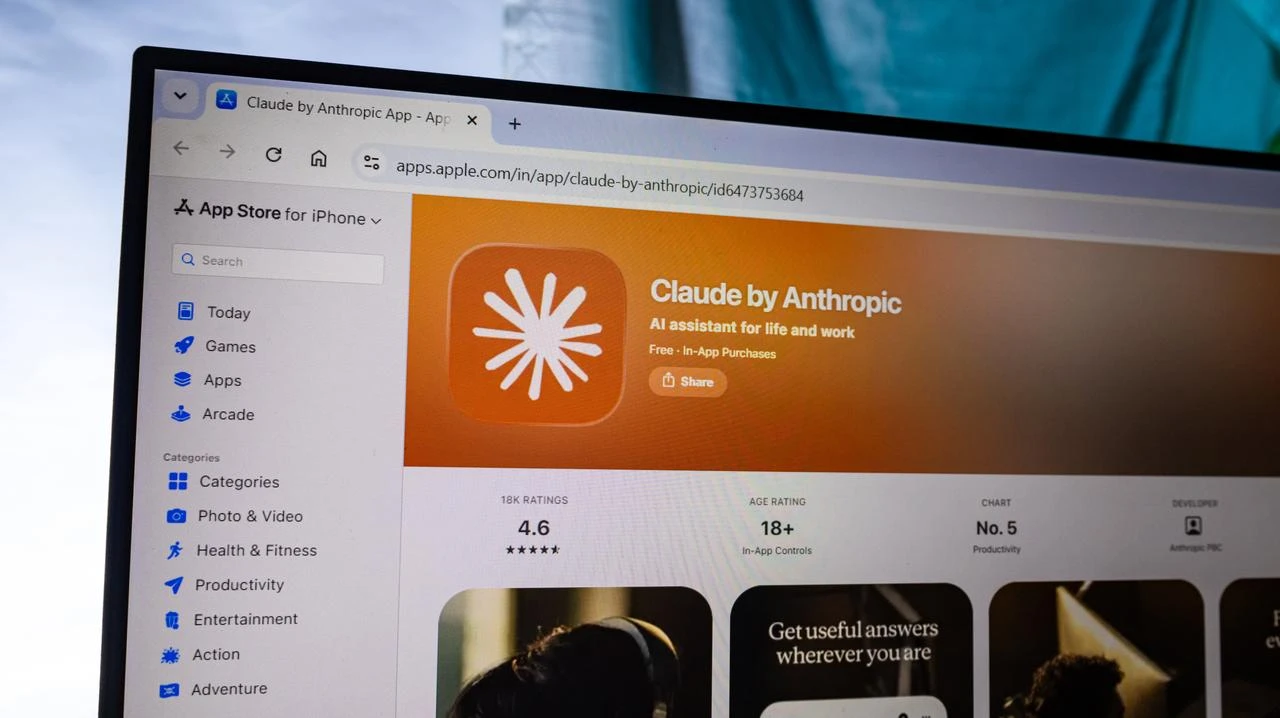

The text watermarks are designed to remain invisible during normal reading and to persist when content is copied or pasted elsewhere. Multiple reports on the announcement noted that heavy editing of AI-generated text can weaken or erase the embedded signal, meaning substantially rewritten passages may no longer carry a detectable mark.
For files, Anthropic said supported formats will carry signed provenance data built on the Coalition for Content Provenance and Authenticity, or C2PA, standard.
The framework is also used by Google and OpenAI, which announced in May that it would embed Google's SynthID watermark into ChatGPT-generated images alongside C2PA metadata, joining companies including Nvidia, Kakao and ElevenLabs in adopting the approach.
The markings are not limited to Europe. Anthropic said the new markers cover output from supported models everywhere Claude is used, including its API-based Claude Platform, its consumer chat product, Claude Code, Claude Cowork and Claude Tag.
In practice, this means text or images produced through any of those products, regardless of where the user is located, may carry a detectable AI marker once the underlying model supports the feature.
The transparency requirement forms one piece of a broader regulatory framework in Brussels that governs artificial intelligence systems according to risk level, with obligations phasing in on a staggered timetable through 2026 and beyond.
Other elements of the Act, including stricter rules for systems the Commission classifies as high-risk, are scheduled to take effect on separate timelines over the coming years, and the transparency duty itself does not apply where AI-generated content undergoes human editorial review before publication.
Anthropic did not specify in its notice whether the watermarking feature would be extended to older Claude models released before Aug. 2, or whether it plans to sign onto the Commission's voluntary Code of Practice, which is open to providers seeking to demonstrate compliance with the marking rules.
The company said further details on the rollout, including which file formats and languages are supported at launch, are available through its Help Center documentation.


 Set as preferred source
 Set as preferred source


 1 min read





 1 min read


