

 Newsletters


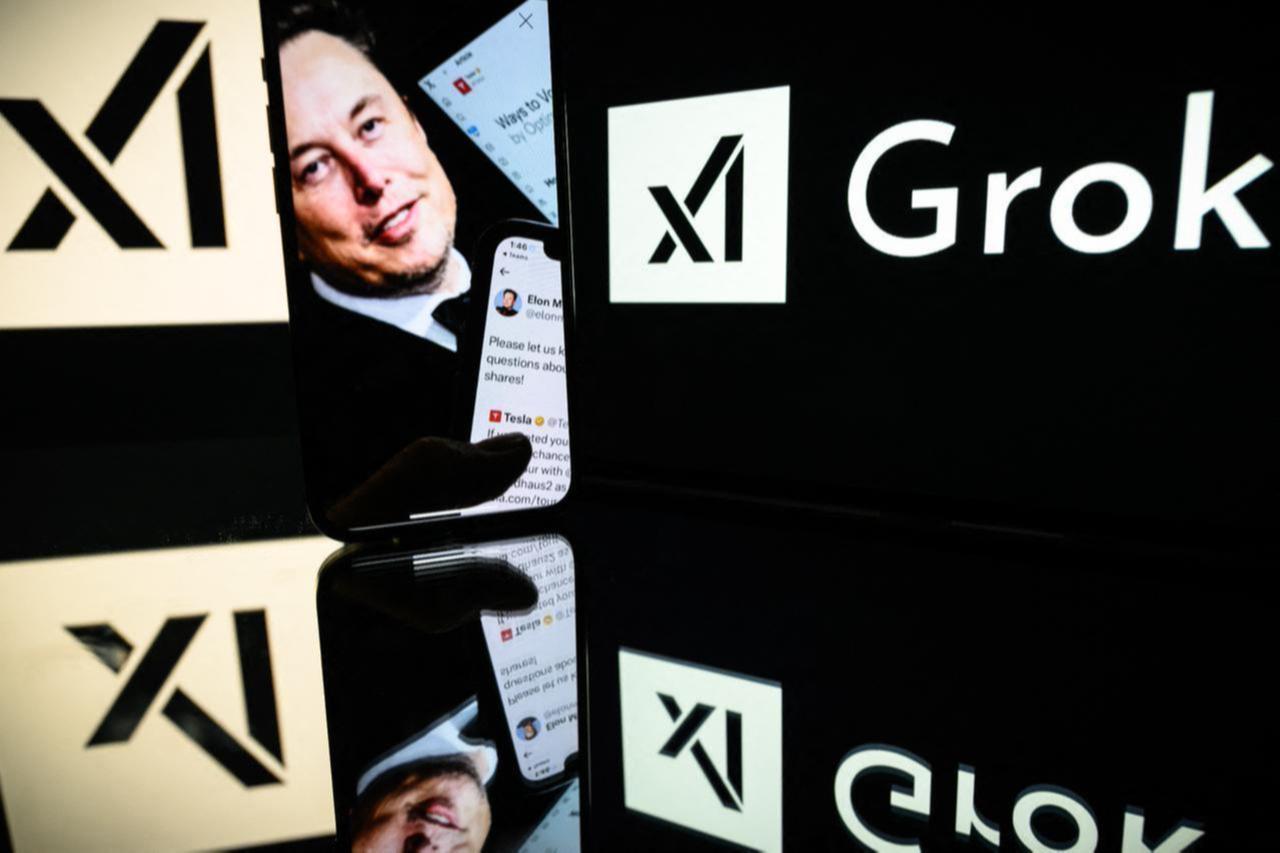


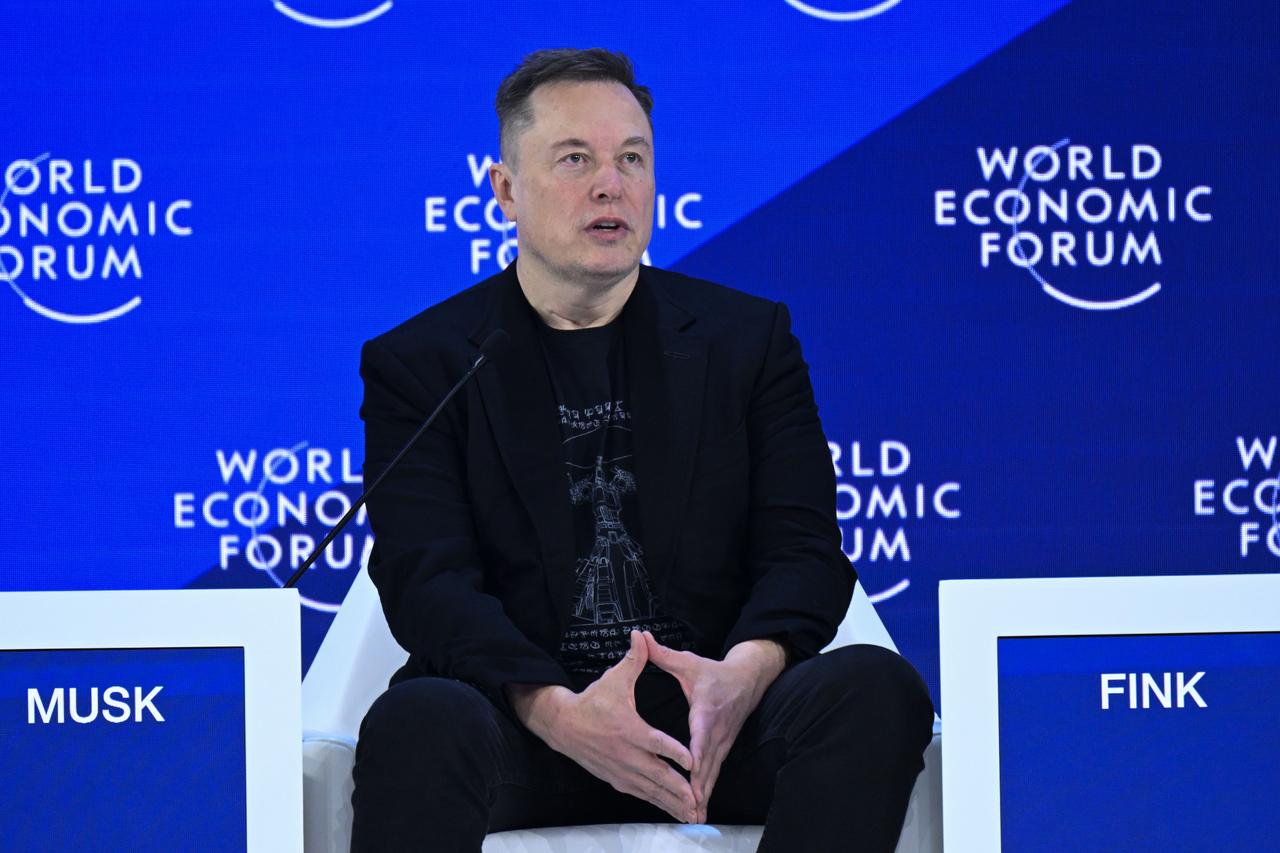
Saudi Arabia's state-backed artificial intelligence company Humain has poured $3 billion into Elon Musk's xAI, deepening the Gulf kingdom's ties to the tech billionaire as it races to position itself as a major player in the global AI industry.
The investment makes Humain a "significant minority shareholder" in xAI, the company said Wednesday in a statement. The stake will ultimately be converted into shares in SpaceX, Musk's rocket company, after it announced earlier this month that it was absorbing the AI startup as part of Musk's broader push to consolidate his sprawling business empire.

The investment builds on a relationship already taking shape between the two firms. In November, xAI and Humain announced plans to construct a 500-megawatt data centre in Saudi Arabia, a facility that would represent a significant expansion of AI infrastructure in the region.
That same month, Humain signed a separate agreement with chipmaker Nvidia after US officials cleared the sale of advanced microchips to the Gulf kingdom, a move that had previously faced resistance in Washington over concerns about the flow of sensitive technology to the Middle East.
Humain, which launched last May with backing from Saudi Arabia's nearly trillion-dollar sovereign wealth fund, is a central piece of the world's largest oil exporter's bet that artificial intelligence can help wean its economy off petroleum revenues.
The investment comes as Riyadh confronts mounting pressure to refine its ambitious economic transformation plans. Stubbornly low oil prices and uneven demand have forced Saudi leaders to reassess some of the flagship mega-projects tied to Crown Prince Mohammed bin Salman's Vision 2030 reform agenda.
Vision 2030, unveiled in 2016, set out to reshape the Saudi economy through massive investments in tourism, entertainment, technology and other sectors aimed at reducing the kingdom's dependence on oil. But several of its most eye-catching ventures are running into difficulties. Multiple sources told AFP on Friday that the country was scaling back luxury resort plans along the Red Sea, potentially undermining hopes of turning the coastline into a premier tourist destination. Neom, the kingdom's futuristic planned city that was once projected to cost $500 billion, has also reportedly hit major setbacks.
The pivot toward AI partnerships, including the deepening relationship with Musk, suggests Riyadh may be recalibrating where it places its biggest bets within the diversification drive.
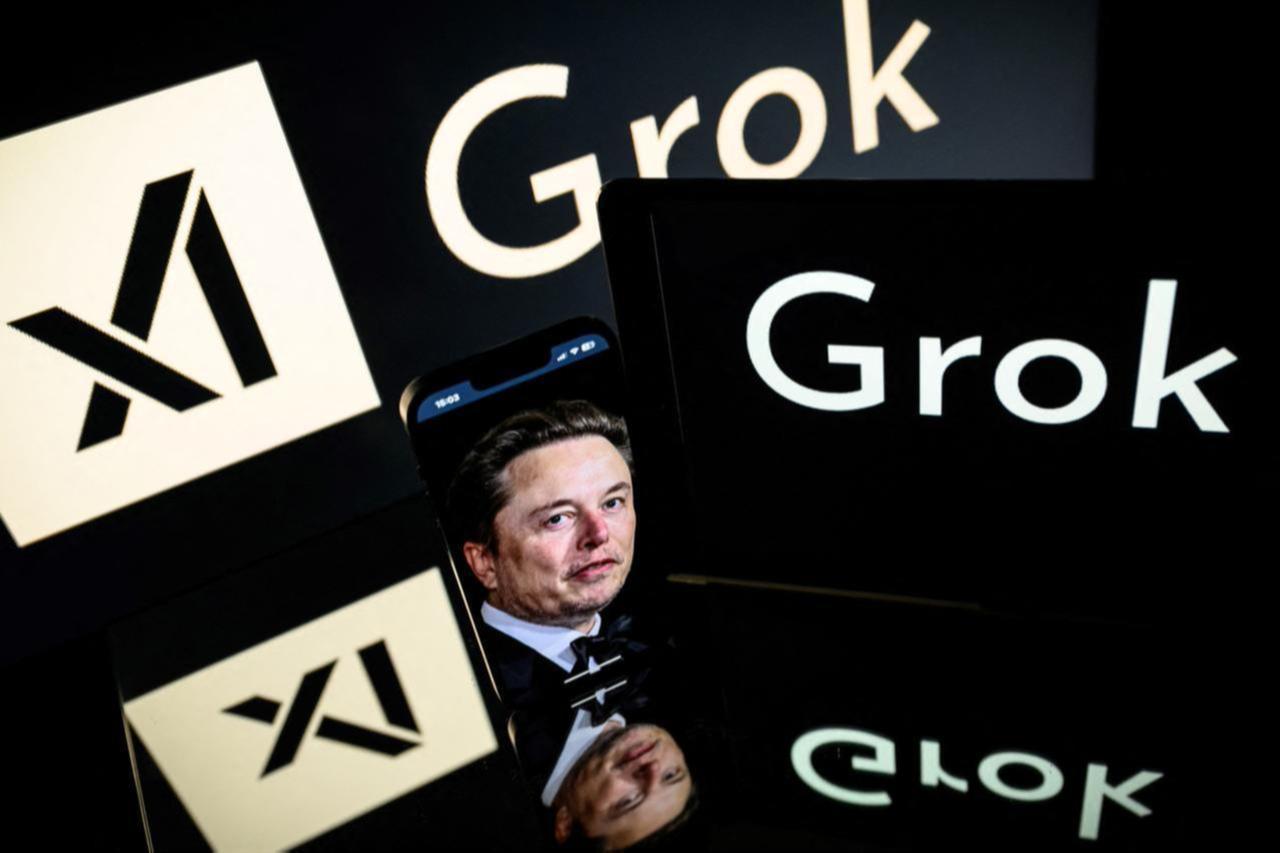
For Musk, the Saudi billions arrive as xAI faces intensifying public concern and regulatory attention over the potential for AI misuse. The company's chatbot Grok, integrated into Musk's social media platform X, has drawn particular criticism.
A recently rolled out editing feature on Grok allowed users to manipulate online images of real people using simple text prompts, including requests to remove clothing or place individuals in sexualized scenarios. The tool sparked alarm over the spread of nonconsensual imagery and misinformation, adding to a broader debate about the lack of adequate safeguards in rapidly advancing AI systems.


 Set as preferred source
 Set as preferred source


 1 min read
 1 min read



