Newsletters


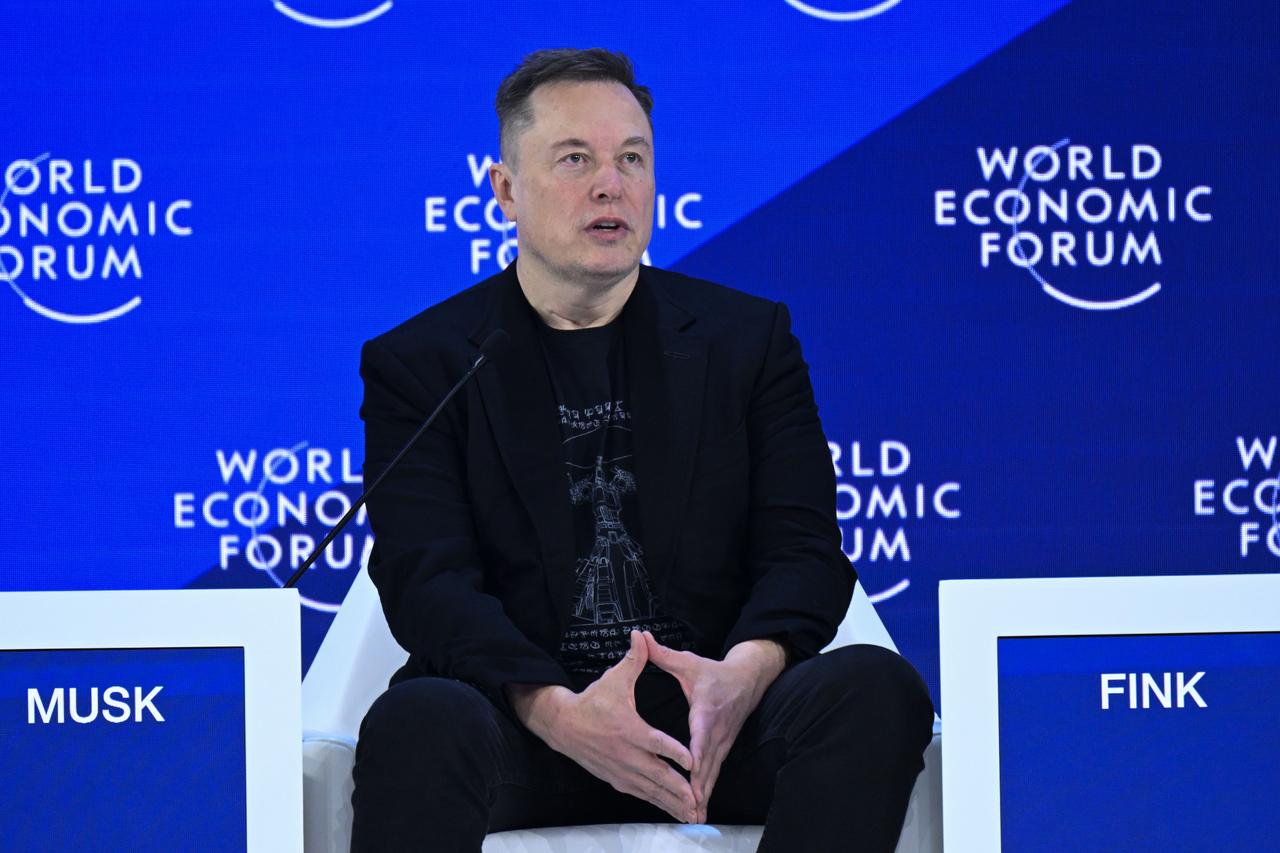


U.S. tech mogul Elon Musk’s aerospace company SpaceX has acquired his artificial intelligence firm xAI in a transaction intended to combine their operations under a single structure.
A statement published on SpaceX’s website confirmed the development on Monday, noting that the integration will bring together AI capabilities, launch infrastructure, satellite networks, and communication platforms.
According to the announcement, the company plans to build space-based data centers by launching a large number of satellites into Earth’s orbit. These satellites would use near-continuous solar energy to provide computational power for artificial intelligence systems.
In the company’s statement, Musk said that placing AI computing infrastructure in space could become more cost-effective than Earth-based alternatives within two to three years. He added that the objective is to "process data at unprecedented speeds and scales," while reducing environmental impact and operating costs.
SpaceX is reportedly seeking regulatory approval to launch up to one million satellites to support the plan, according to individuals familiar with the matter cited by Bloomberg. The combined entity is valued at $1.25 trillion, the report suggested, based on internal estimates, though no financial terms were disclosed in the official statement.
The transaction marks the latest consolidation across Musk’s business ventures, which also include Tesla in the automotive sector. The integration of xAI into SpaceX allows for shared use of resources, including capital, engineering expertise, and computing infrastructure, while positioning the company to expand its role in both space operations and artificial intelligence development.

xAI operates Grok, an AI chatbot developed as part of its broader research and development in machine learning systems. The company has reported high operational costs, with estimates suggesting monthly expenditures of approximately $1 billion.
Prior to the merger, xAI was valued at $230 billion following a funding round in January. The company had also previously been merged with Musk’s social media platform X, formerly known as Twitter, in a separate $33 billion transaction.
The earlier reports indicated that SpaceX may proceed with an initial public offering (IPO) as early as mid-June. The offering could raise as much as $50 billion, although neither a timeline nor offering terms have been formally confirmed.
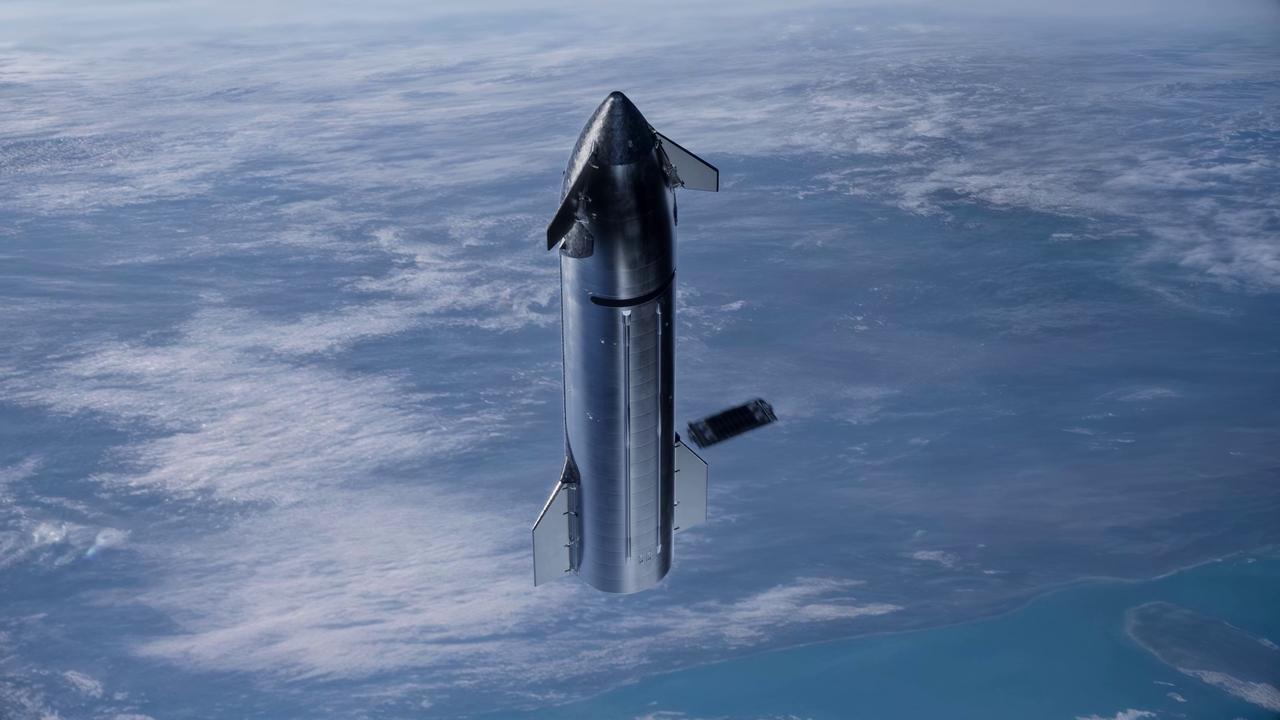
SpaceX continues to invest in its Starship rocket platform, which is designed for high-capacity payload launches. The company aims to reach a frequency of one launch per hour, with each mission capable of carrying up to 200 tons of material.


 Set as preferred source
 Set as preferred source


 2 min read

 1 min read