Newsletters





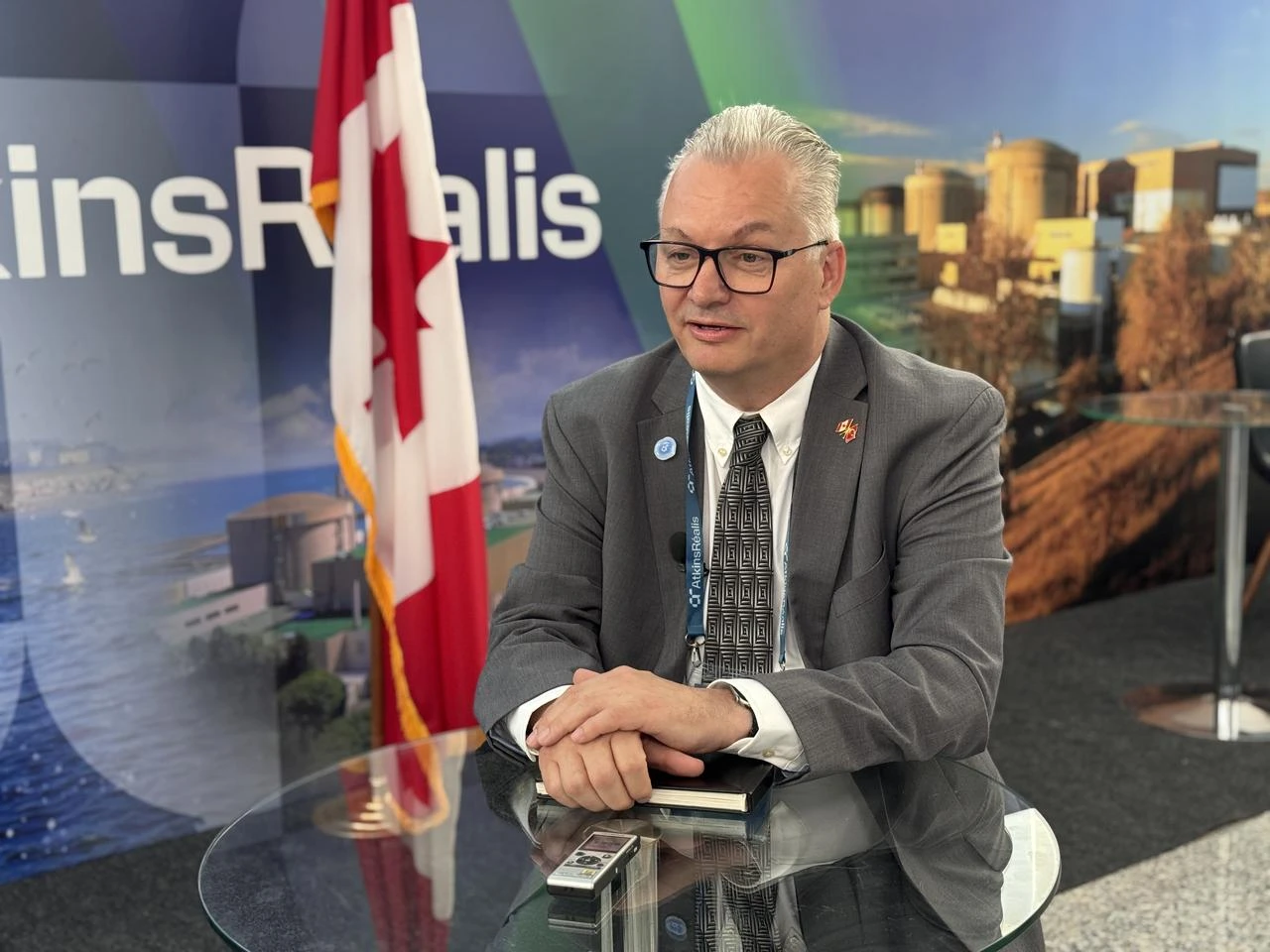
Canadian engineering and nuclear technology company AtkinsRealis is moving ahead with plans for a "100-year partnership" with Türkiye, stepping up technical cooperation as the country evaluates technologies for future nuclear power projects, Gary Rose, president of CANDU International and vice president of AtkinsRealis, said Thursday.
Speaking on the sidelines of the 12th Nuclear Power Plants Summit (NPPES) in Istanbul, Rose said Turkish authorities are expected to receive all the technical information they need by the end of the summer, after which decision-makers will determine how to proceed with the country's next nuclear power project.
"The goal is to build a sustainable nuclear ecosystem that benefits Türkiye's long-term decisions," Rose told state-run Anadolu Agency.
Rose stated that Türkiye will decide whether to move forward with one reactor technology or several, while AtkinsRealis intends to remain involved through design, construction, operation and eventual decommissioning.
The cooperation follows a memorandum of understanding signed in March between Türkiye Nuclear Energy Inc. (TUNAS) and AtkinsRealis to evaluate the potential deployment of Canada's CANDU reactor technology in Türkiye.
Energy and Natural Resources Minister Alparslan Bayraktar has identified CANDU as one of the technologies under consideration for Türkiye's planned nuclear power plant in the Thrace region, part of Ankara's broader strategy to reach 20 gigawatts (GW) of installed nuclear capacity by 2050.
The partnership also featured during Foreign Minister Hakan Fidan's visit to Canada last week, when he met Rose and other company executives.

Rose argued that the Canadian-developed CANDU reactor differs from most commercial nuclear technologies because it operates on natural uranium rather than enriched uranium fuel.
Five of the world's six major reactor technologies rely on enriched uranium, he noted, while CANDU reactors allow countries to process their own fuel domestically after importing natural uranium.
Developed in Canada around 70 years ago, the technology has been deployed in China, South Korea, Argentina and Romania. Canada, meanwhile, commissioned 22 CANDU reactors over a 22-year period.
"If we can help create that level of self-sufficiency in Türkiye, I think the country and its people will benefit and will not be exposed to geopolitical risks," Rose said.
He added that AtkinsRealis aims to achieve a localization rate of 60% to 70% if its reactor technology is selected for Türkiye's future nuclear projects.
More than 70 Turkish suppliers met with the company's supply chain teams during the summit, Rose noted, adding that partnerships with universities are also expected to help develop a skilled workforce and support the country's long-term nuclear ecosystem.


 Set as preferred source
 Set as preferred source


 1 min read
 1 min read