Newsletters


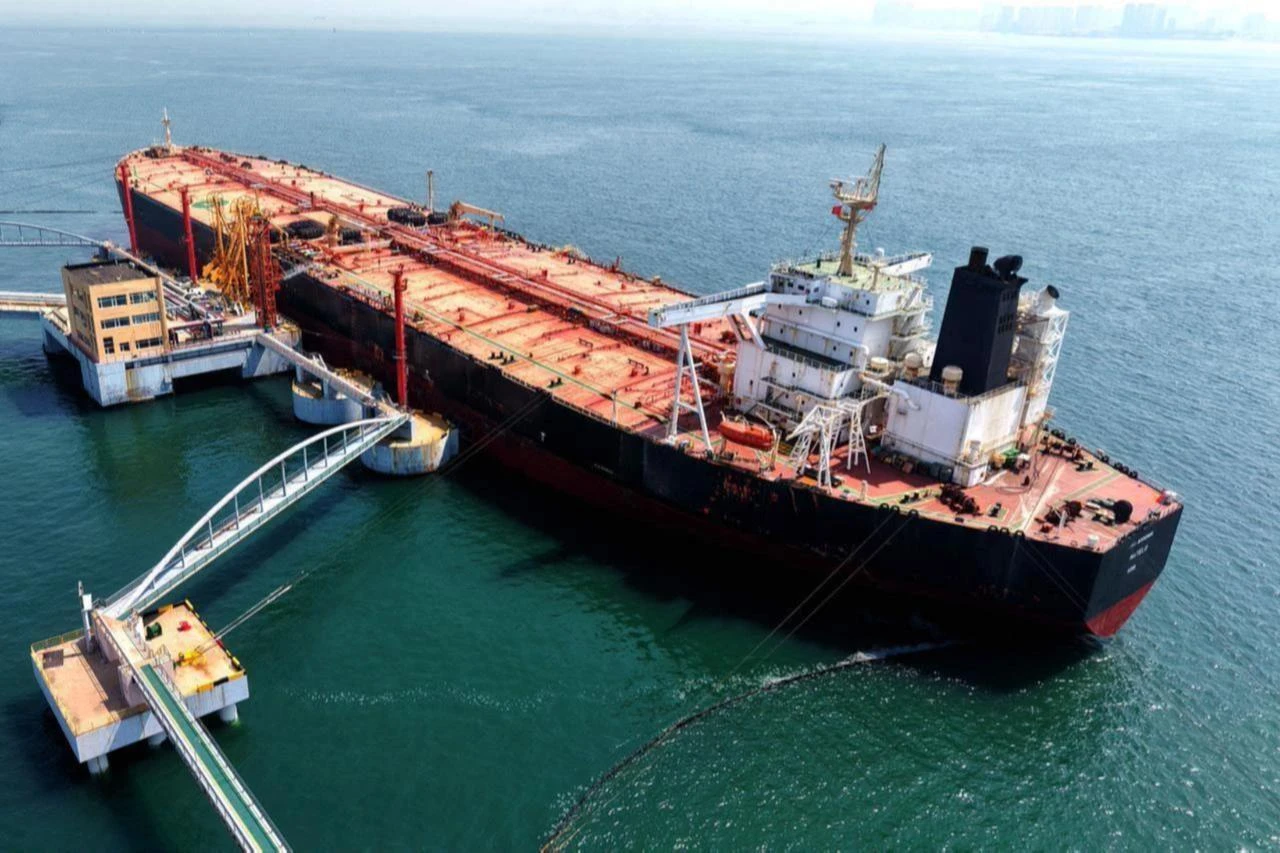


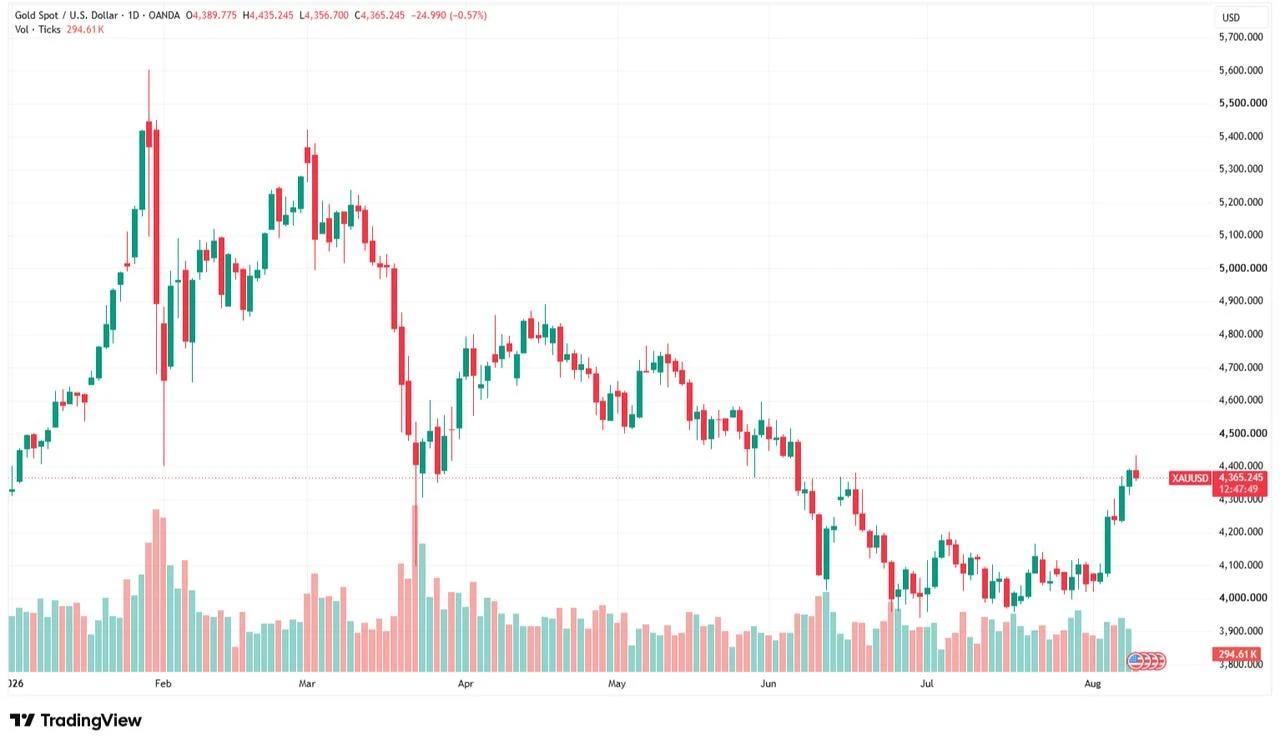
Oil prices rose on Tuesday as hopes for a U.S.-Iran deal to end the war and reopen the Strait of Hormuz weakened, while gold extended its gains above $4,400 amid lower expectations for a Fed rate hike.
Both international benchmark Brent and U.S. benchmark WTI rose around 2% to $89.6 and $84 per barrel, respectively, as of 7.24 a.m. GMT. Gold hit $4,430 during early trading, up 0.9% on the day and at its highest level since early June, before giving back some ground.
Stocks showed limited gains across major markets in Asia, with Japan’s Nikkei 225 rising more than 2% and South Korea’s Kospi adding 0.7%. Hong Kong’s Hang Seng and China’s Shanghai Composite, meanwhile, traded lower by 1% and 0.8%, respectively.
In Europe, the Stoxx Europe 600 benchmark rose 0.1% after the open, while Germany’s DAX 30, the U.K.’s FTSE 100 and Spain’s IBEX 35 each gained 0.1%. France’s CAC 40 was flat.
Silver moved in the opposite direction to gold, falling more than 2% to $64.4 per ounce, while palladium and platinum also shed 0.8% to around $1,360 and $1,730, respectively.
Cryptocurrencies also weakened, with bitcoin falling 1.8% to around $64,000 and ethereum sliding 2.5% to $1,880.

The weaker-than-expected U.S. labor market data for July offered some relief to markets, as the economy unexpectedly lost 23,000 jobs against expectations for an increase of around 80,000, leading traders to scale back bets on an immediate Fed rate hike.
Still, stalled talks over the Strait of Hormuz remain a major source of uncertainty for investors. Negotiations between the U.S. and Iran have made some progress but have yet to produce a final agreement on reopening the waterway, keeping the risk of prolonged disruption to energy shipments in focus.
U.S. President Donald Trump on Monday left the door open to a possible major attack on Iran and argued that Tehran should pay compensation for the damage it has caused in the Middle East over the past 50 years.
Trump also claimed that Iran is in severe economic difficulty and cannot even pay its own troops, but maintained that the country still has the military capacity to cause problems in the Strait of Hormuz.
Meanwhile, traders await consumer price data due Wednesday, which could play a key role in shaping the Fed’s next move.
U.S. consumer prices fell 0.4% in June from the previous month, posting the largest monthly decline since April 2020, while annual inflation slowed to 3.5% from 4.2% in May.
Core inflation, which excludes food and energy prices, also eased to 2.6% from 2.9%, offering markets some relief over underlying price pressures.


 Set as preferred source
 Set as preferred source


 1 min read
 1 min read