Newsletters


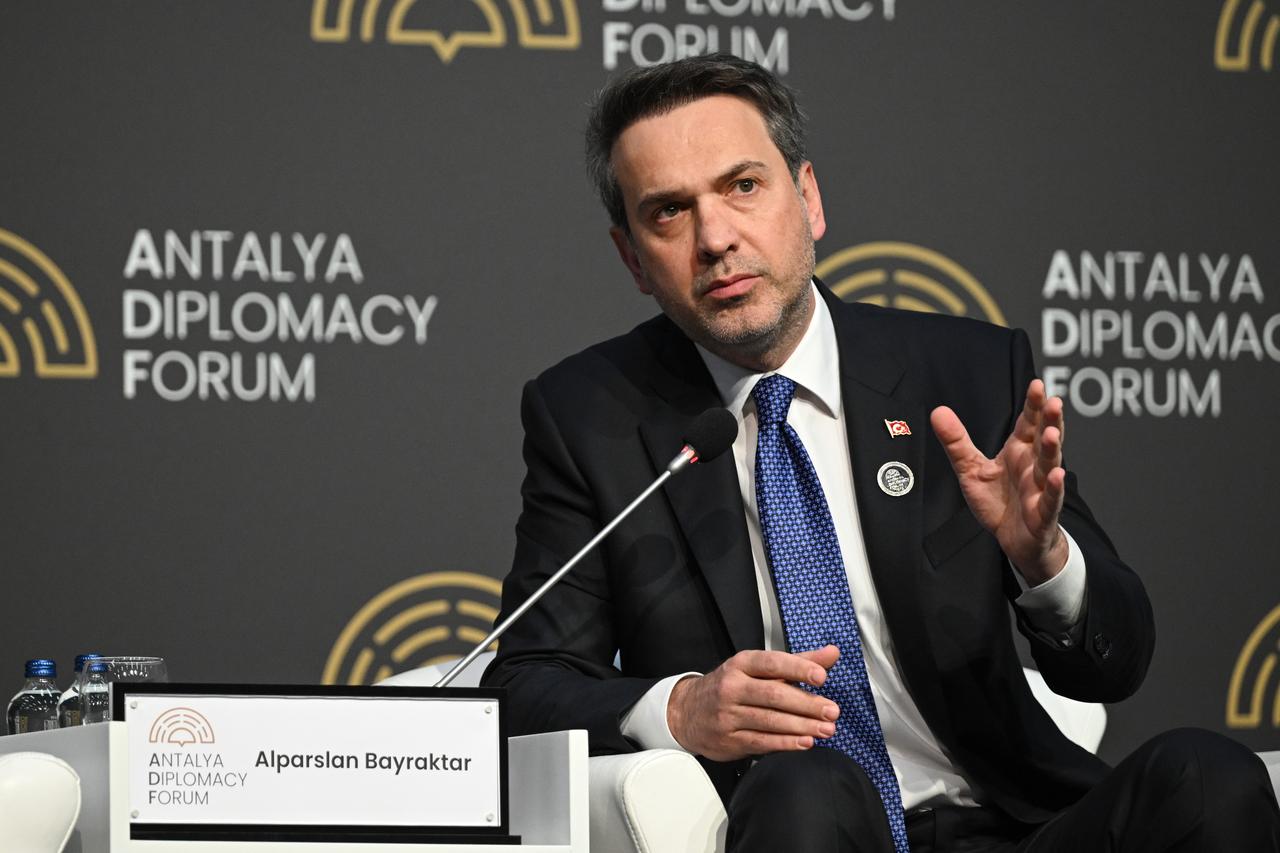


Turkish Energy and Natural Resources Minister Alparslan Bayraktar stated on Friday that Türkiye may accelerate its carbon neutrality target from 2050 to 2035, calling it a forthcoming major announcement that has not yet been finalized.
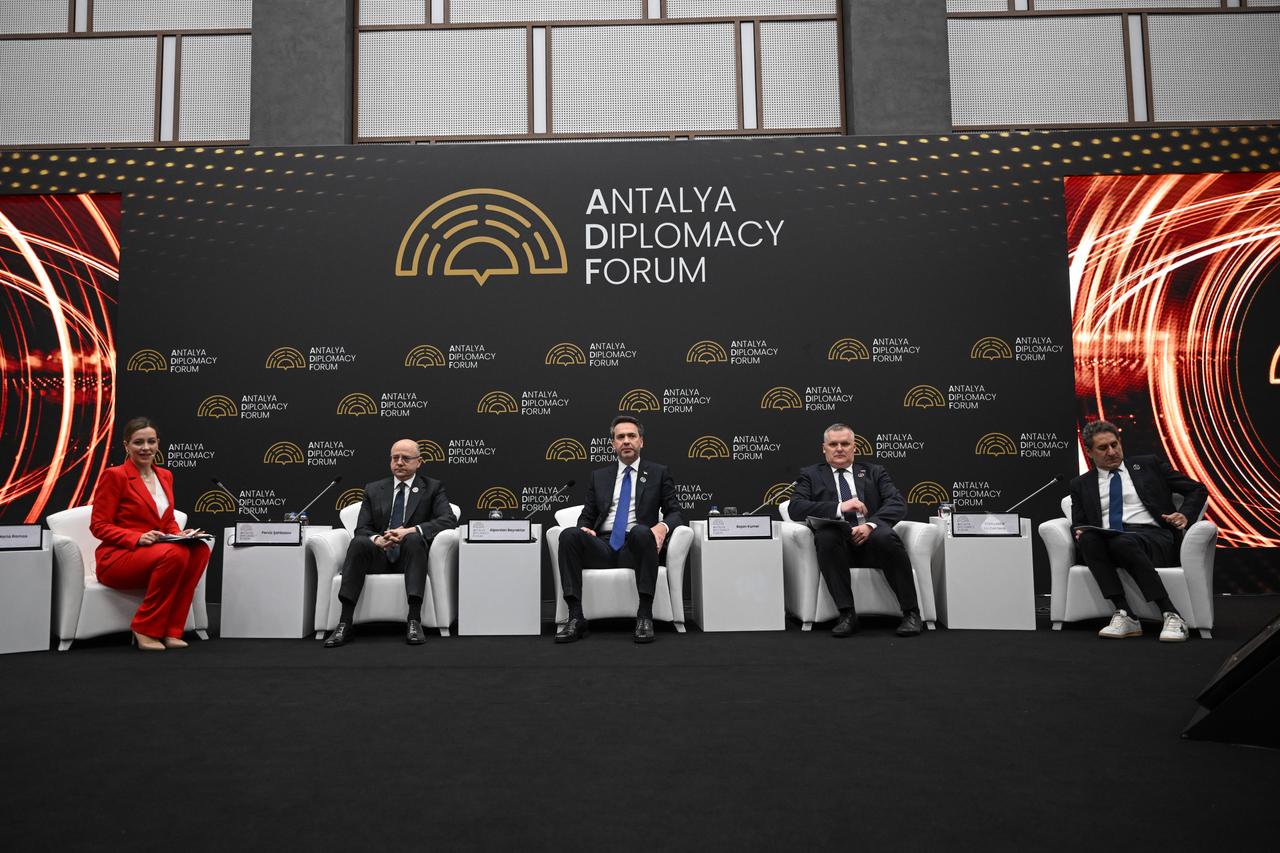
He also addressed the "Redrawing the Global Energy Map: Security and Uncertainty" panel at the Antalya Diplomacy Forum, arguing that the Hormuz crisis had validated Ankara's diversification-first energy strategy and its ambitions to become a regional energy hub.

Bayraktar offered a significant signal on climate ambition.
"Very soon we will have a major announcement. We will move our 2050 target to 2035. This has not yet been finalized," he said, while confirming that Türkiye's official goal, announced by President Erdogan, remains carbon neutrality by 2053.
He said the keyword for Türkiye's economy going forward was "renewable energy."
Bayraktar laid out Türkiye's diversification approach across multiple axes: LNG and pipeline gas capacity, renewable investments, nuclear base load and new energy corridors.
"Energy diversification is very important for us. We want to benefit from renewable energy sources in terms of fuel, economy and technology. We want to develop these technologies, to benefit from wind and solar," he said.
He noted that AI-driven data centers and electric vehicles were significantly increasing energy demand, and said reducing import dependency was a core objective, as energy imports are a primary driver of Türkiye's current account deficit.
"Renewable energy is the keyword for our economy. Every crisis we face, the solution to reducing dependency runs through the increased use of renewable energies," he said.
Bayraktar pushed back on expectations of a rapid fossil fuel exit, citing structural demand figures.
"We need a smart energy transition. In a crisis moment, it must be intervenable. Yes, we face a fossil fuel crisis, but oil or natural gas don't only pass through the Strait of Hormuz. We need carbon-free energy, of course, but in Türkiye there are 40 million vehicles on the road every day. We need to provide them with serious fuel supply," he noted.
"In Türkiye, 22 million households need natural gas to cook and heat every day. 86 million people need electricity in this country. With these numbers in mind, we need to make much more rational plans," he said.
He added that natural gas and oil pipelines would continue functioning and that Türkiye would increase its renewable and nuclear capacity while continuing to use fossil fuels.
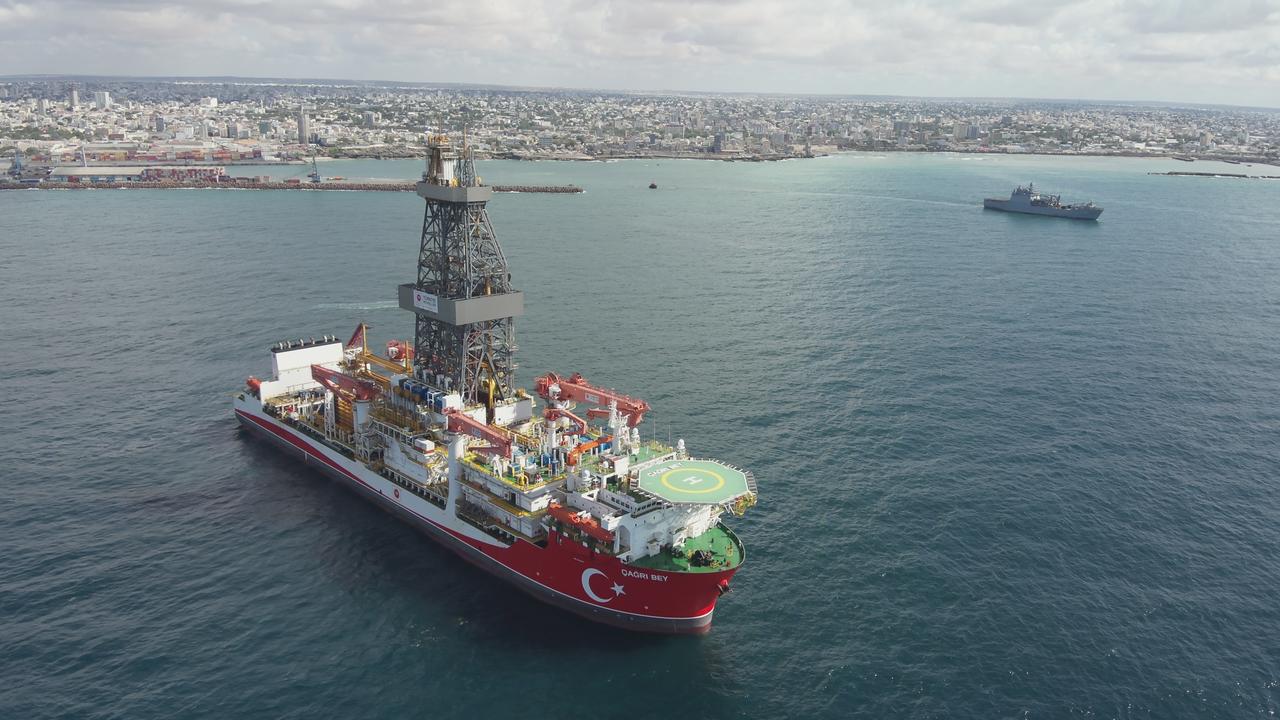
Bayraktar described Türkiye's connectivity ambitions as central to its energy strategy, referencing projects with Azerbaijan and Saudi Arabia and noting investments in the South Gas Corridor as requiring "very high political and economic will."
"We need to increase our connectivity capacities. We have been developing projects with different countries such as Saudi Arabia, diversifying routes and investing more in infrastructure. We have invested in major energy infrastructures. Diversification is at the heart of our energy strategy," he said.
On X, Bayraktar wrote that Türkiye was "advancing as a reliable partner and a strong energy hub in this period where crises are managed, cooperations are developed and new energy corridors are being shaped," and that it would continue using energy diplomacy actively.
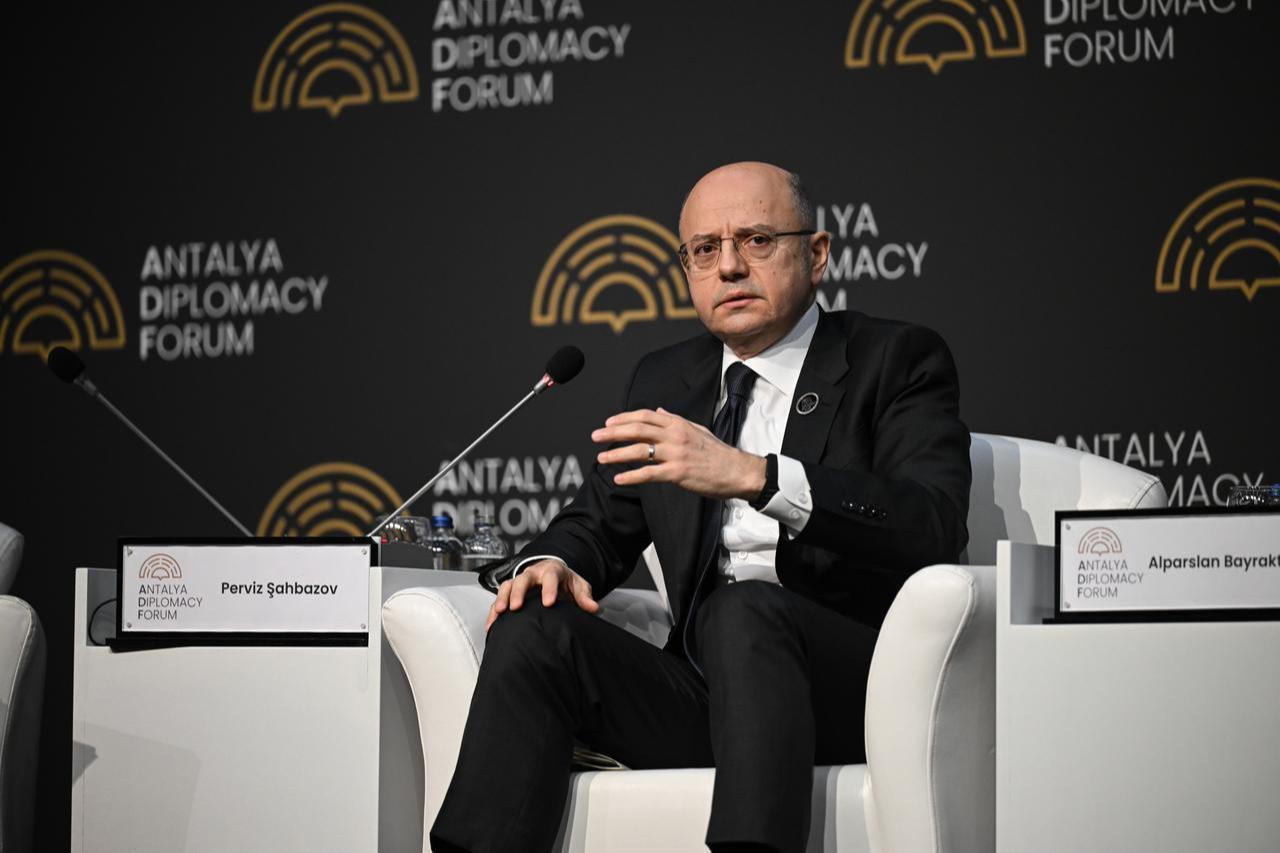
Azerbaijani Energy Minister Perviz Sahbazov stated Baku had diversified its supply routes, now providing approximately 40 million barrels to around 20 countries, and had recently begun supplying natural gas to 16 European countries.
He noted that Azerbaijan and Türkiye's energy cooperation was "a great example of contributing to energy security between two friendly, brotherly countries."
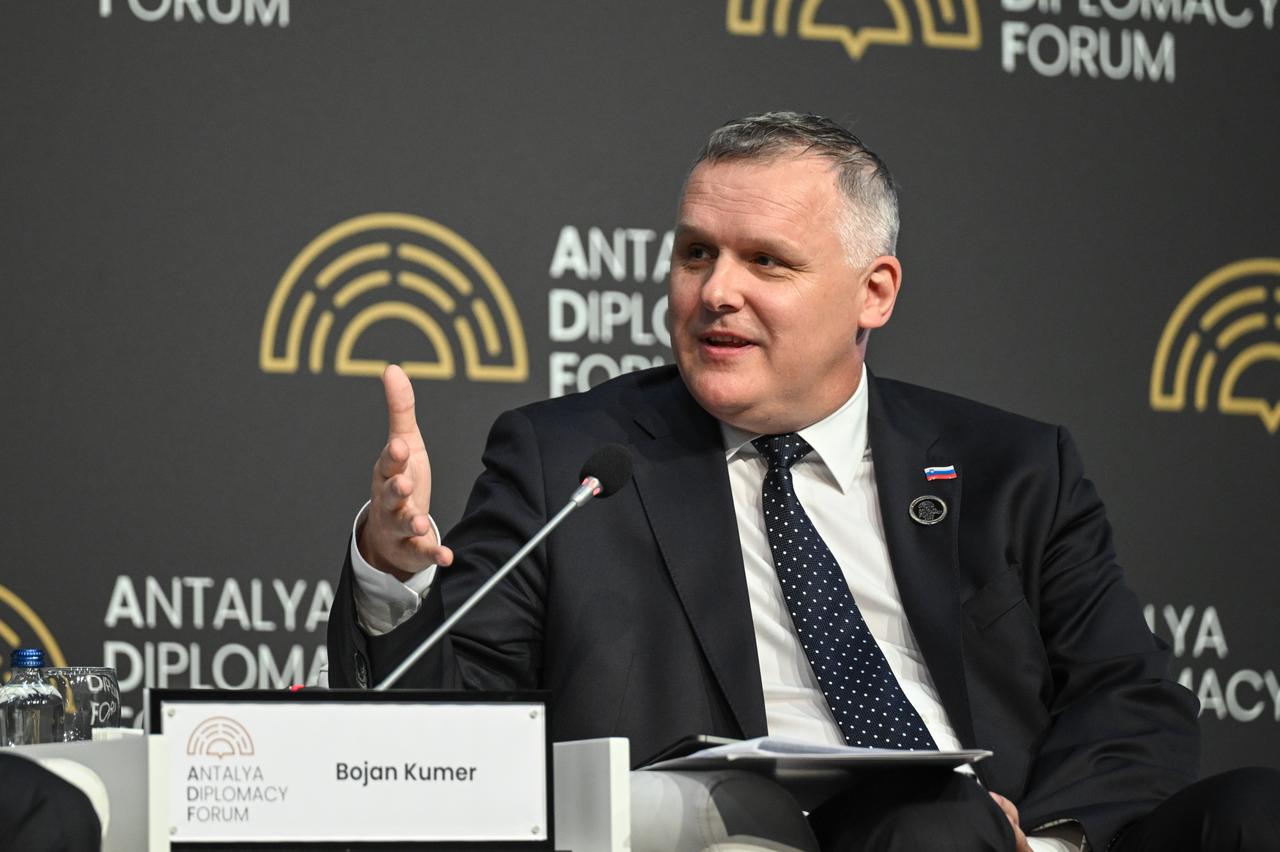
Slovenian Environment, Climate and Energy Minister Bojan Kumer said Slovenia imports 100% of its oil and had absorbed significant price increases and supply reductions as a result of the Gulf conflict.
"The crisis did not find us at the right time. We are experiencing the difficulties of facing this crisis at the beginning of the agricultural and farming season," Kumer said.
IRENA Director General Francesco La Camera argued the crisis was not an energy crisis but a fossil fuel crisis, and predicted it would accelerate the global shift to renewables.
"Türkiye is doing the same thing as Spain, investing more in geothermal, solar and wind. If we solve storage, we will be able to compete more against fossil fuels," he said.


 Set as preferred source
 Set as preferred source


 1 min read
 1 min read