Newsletters


China will prioritize domestic demand and consumption in its 2026 fiscal agenda, moving away from export-driven growth, Finance Minister Lan Fo’an said on Friday, as the country looks to stabilize its economy through targeted investment and structural reform.
"Looking ahead, we will keep expanding domestic demand as a key strategic focus and further unleash consumption potential," Lan stated at the national fiscal work conference in Beijing, which also marked the beginning of preparations for the 2026–2030 Five-Year Plan.
Lan confirmed that fiscal policy would become more proactive in the coming year, with an emphasis on precision, effectiveness, and broader economic and social stability, according to Chinese media reports.
With global demand facing persistent weakness and domestic property market challenges continuing, Chinese authorities are increasingly turning to internal drivers of growth. Lan outlined a fiscal approach centered on boosting household consumption, enhancing public services, and encouraging private-sector investment across key industries.
To support these objectives, the government will expand fiscal expenditure, refine the structure of public spending, and improve the design and delivery of transfer payments to local administrations.
The ministry also plans to standardize tax incentives and fiscal subsidies to improve policy coordination and market clarity.
"We will press ahead with the targeted initiative to spur consumption, actively expand effective investment, and step up input in key areas such as new quality productive forces and people-centered development," Lan said.
China’s economy grew 4.8% in the most recent quarter, while consumer inflation rose to 0.7% year-on-year in November.
However, industrial profits remained subdued, with large manufacturers posting a 13.1% decline in earnings compared to the same period a year earlier.
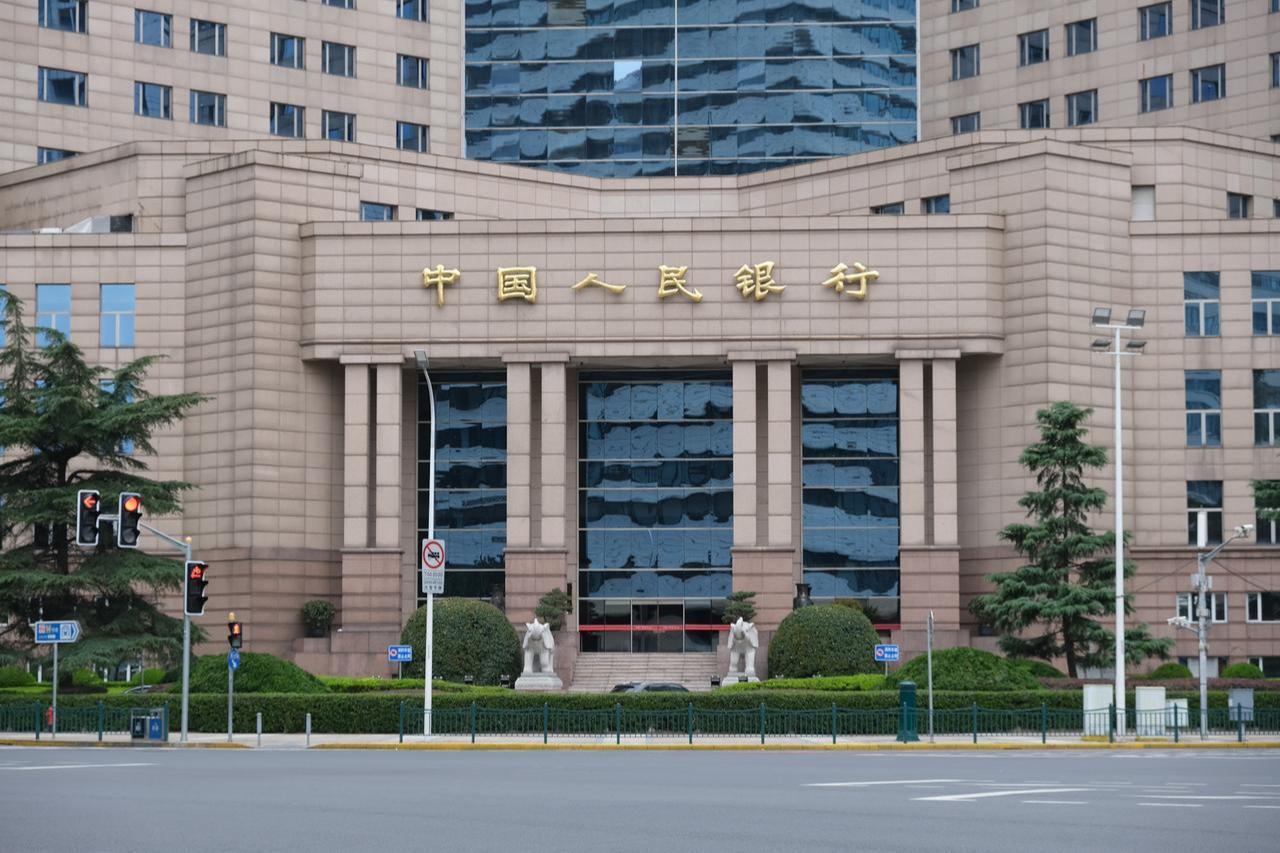
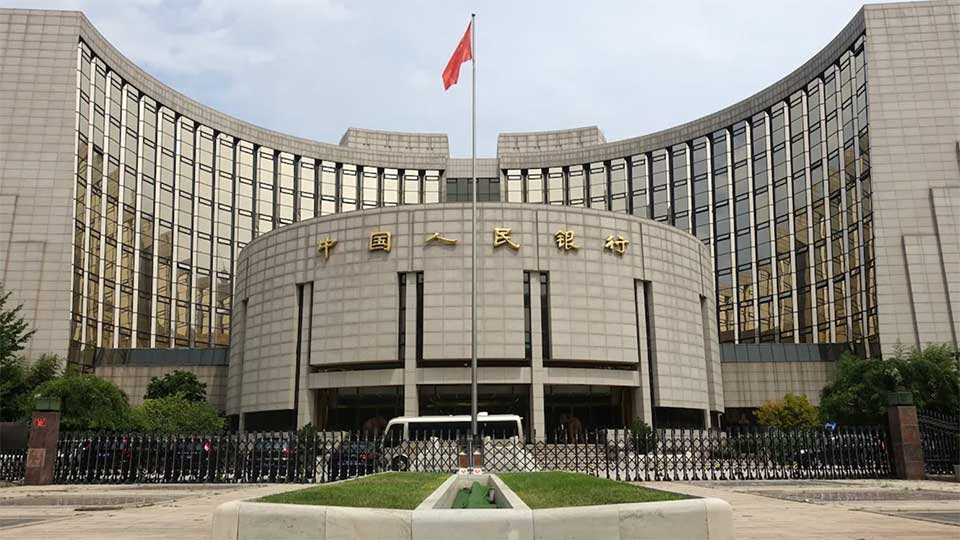
The People’s Bank of China, meanwhile, kept its benchmark lending rates unchanged for the seventh consecutive month in December, maintaining the one-year and five-year loan prime rates at 3.0% and 3.5%, respectively, as the U.S. dollar/yuan exchange rate dipped below the 7.00 mark this week for the first time in over 15 months, reflecting the yuan’s strongest level since mid-2024.

To accelerate innovation and cultivate new growth drivers, the Finance Ministry will increase fiscal support for science and technology, including launching city-level pilot programs to upgrade manufacturing capacity, expand investment in basic research, and strengthen oversight of enterprise-led innovation.
"Focusing on high-quality development, we have substantially stepped up investment in basic research and launched city-level pilots for next-generation technology upgrades," Lan noted.
The ministry will also advance equipment trade-in programs and expand incentives for consumer goods purchases—initiatives designed to stimulate both supply and demand while modernizing China’s industrial base.
These efforts are part of a broader shift to rebalance the country’s export-dependent growth model, as current conditions call for stronger domestic resilience and more inclusive development amid heightened trade tensions with the U.S., according to the officials.
"We will expand the scale of fiscal expenditure to ensure adequate funding for necessary spending and optimize the mix of government bond instruments to enhance their effectiveness," Lan said.
China is the world’s second-largest economy by gross domestic product, totaling $19.16 trillion, and the leading exporter with $3.58 trillion in exports in 2024.


 Set as preferred source
 Set as preferred source


 1 min read
 1 min read