Newsletters


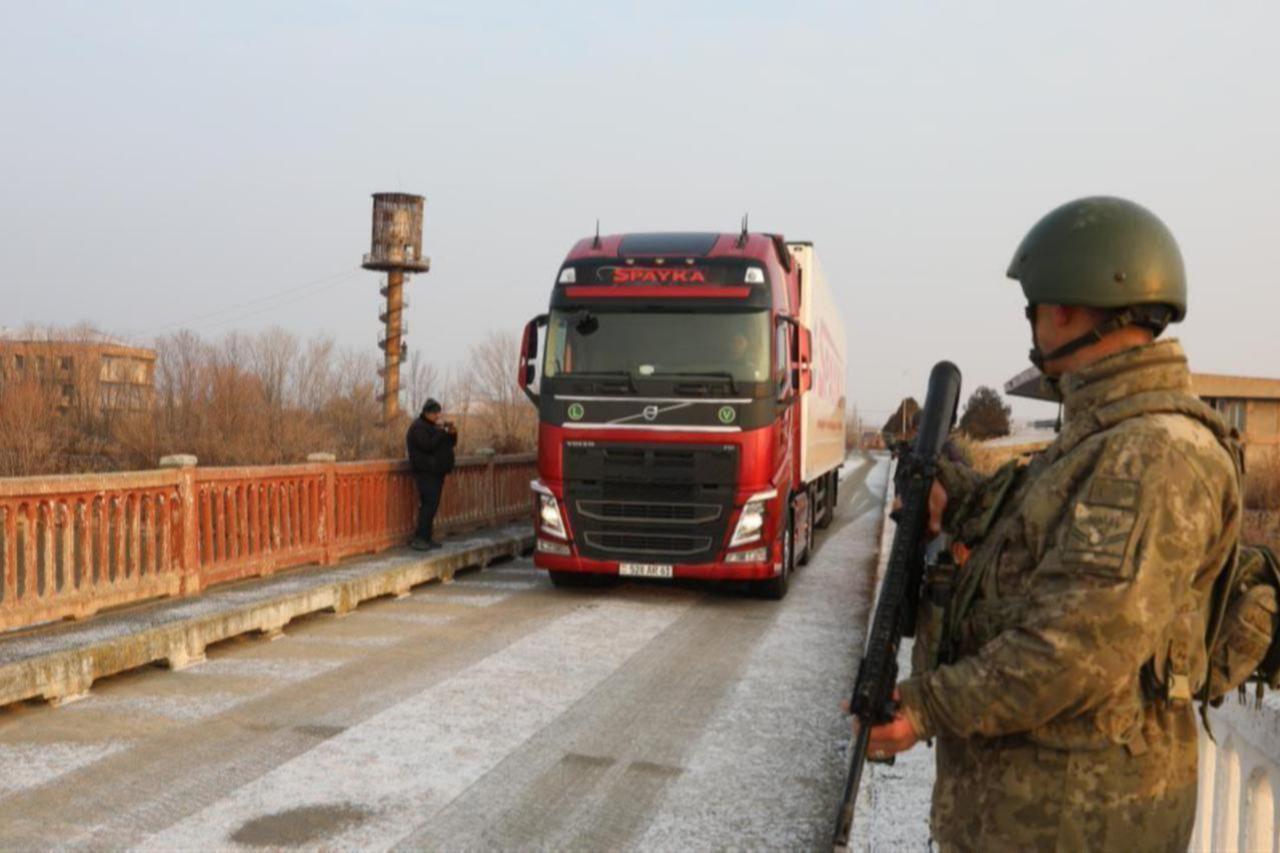


Turkish international road transport companies have completed approximately 1.97 million export trips in the first 11 months of the year, with Turkish vehicles accounting for nearly three-quarters of all shipments, according to industry figures released by the International Transporters Association.
The data underscores Türkiye's growing role as a logistics hub connecting Europe, Central Asia, and the Middle East, even as the sector navigates ongoing visa restrictions and geopolitical challenges across multiple regions.
Of the total export trips, approximately 1.4 million were carried out by Turkish vehicles, while 550,000 were conducted by foreign-plated trucks, representing a 72-28 percent split, said Alper Ozel, chairman of the International Transporters Association's executive board. The figures reflect the country's strategic position at the intersection of major trade routes despite persistent obstacles.


Ozel emphasized Türkiye's geographic advantages in serving as a critical link between major economic regions. The country sits at the focal point of global transportation corridors, bordered by Syria and Iraq to the south, the Caucasus and Central Asia to the east, Russia and Ukraine to the north, and Europe to the west.
"Our connection points are very strong. Türkiye is a country at the center of the world transportation corridor," Ozel said, noting that this positioning applies equally to supply chain networks.
The association reported 875,000 trips to Europe during the 11 months, with Turkish vehicles completing 560,000 shipments and foreign trucks handling 315,000, a 64-36 percent distribution. Overall shipments to Europe increased 4 percent compared to the previous year.
Shipments to Central Asia remained steady year-over-year, while Turkish trucks demonstrated a dominant market share in Middle East operations with approximately 710,000 trips to the region, including Syria and Iraq.
The transportation sector continues to face challenges with European Union visa policies, which Ozel characterized as discriminatory toward professional drivers. While the EU recently implemented a new Cascade visa system designed to streamline applications, Turkish drivers were excluded from the reformed process.
"The European Union is discriminating against a professional group," Ozel said, pointing to drivers with 10 to 20 years of experience transporting goods to Europe who have obtained Schengen visas numerous times but still receive only six-month permits or face outright denials.
The visa issue made 2025 particularly difficult for the sector, yet trip numbers still increased compared to the previous year, demonstrating what Ozel described as Turkish transporters' maneuvering capability and commitment to their work.
 1 min read
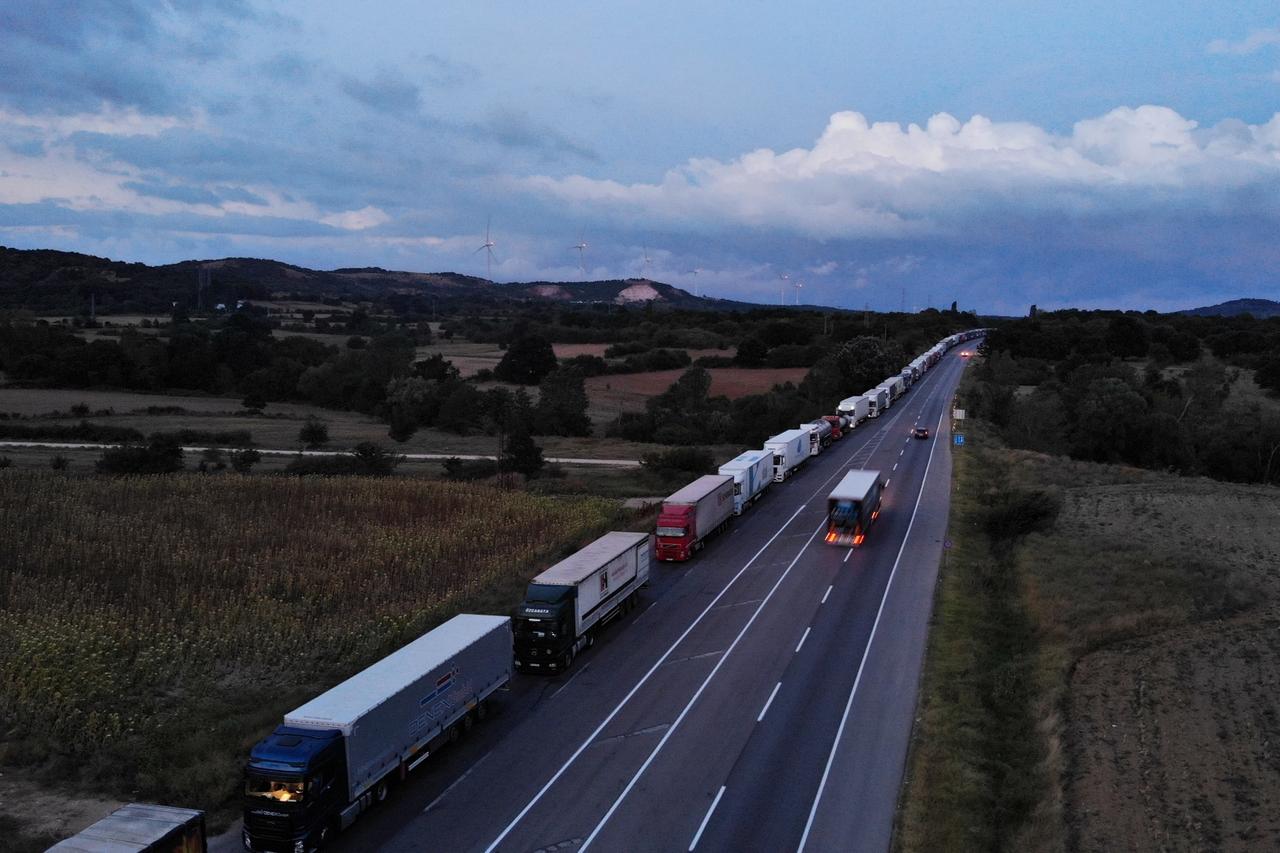
Recent developments in transit agreements point toward expanded operations in neighboring countries. Transit crossings through Iraq have begun and reached a productive stage, while negotiations with Syria continue to progress, according to Ozel.
The Ministry of Transportation and Infrastructure has maintained ongoing discussions with Syrian counterparts, while the association established a Middle East Working Group that conducted its first visit to Damascus. The group attended a general assembly meeting of the Syrian Transporters Association to explore potential cooperation frameworks.
"Syria is really important for us," Ozel said, noting that before the conflict, Türkiye conducted approximately 50,000 transit passages through Syria and 100,000 additional shipments. Those figures are expected to increase as Syria sources significant supplies through Türkiye.
The association anticipates growth in trip numbers to both Iraq and Syria next year, not only for bilateral trade but also for transporting European cargo to those regions. Similar expectations apply to the Caucasus, Middle East, and Central Asia markets.
"The European Union, especially in its Central Asia strategy, has to work with Turkish transporters, Turkish suppliers, and Turkish logistics companies," Ozel said. "Because frankly, reaching that region without Türkiye will not be easy."


 Set as preferred source
 Set as preferred source



 1 min read