Newsletters




China's economic growth fell short of expectations in the second quarter, with weak consumer demand and a prolonged property downturn outweighing a surge in high-tech exports that had helped offset mounting external pressures.
Gross domestic product (GDP) expanded 4.3% from a year earlier in the April-June period, according to data released Wednesday by the National Bureau of Statistics (NBS), the country's slowest quarterly growth since the fourth quarter of 2022. It also fell short of Beijing's annual growth target of 4.5%-5%, its lowest in decades.
On a quarterly basis, the economy grew 0.9%, while first-half GDP reached 69.6 trillion yuan ($10.3 trillion), up 4.7% from a year earlier.
China has increasingly leaned on overseas demand as a yearslong property crisis and sluggish consumer spending continue to weigh on the economy.
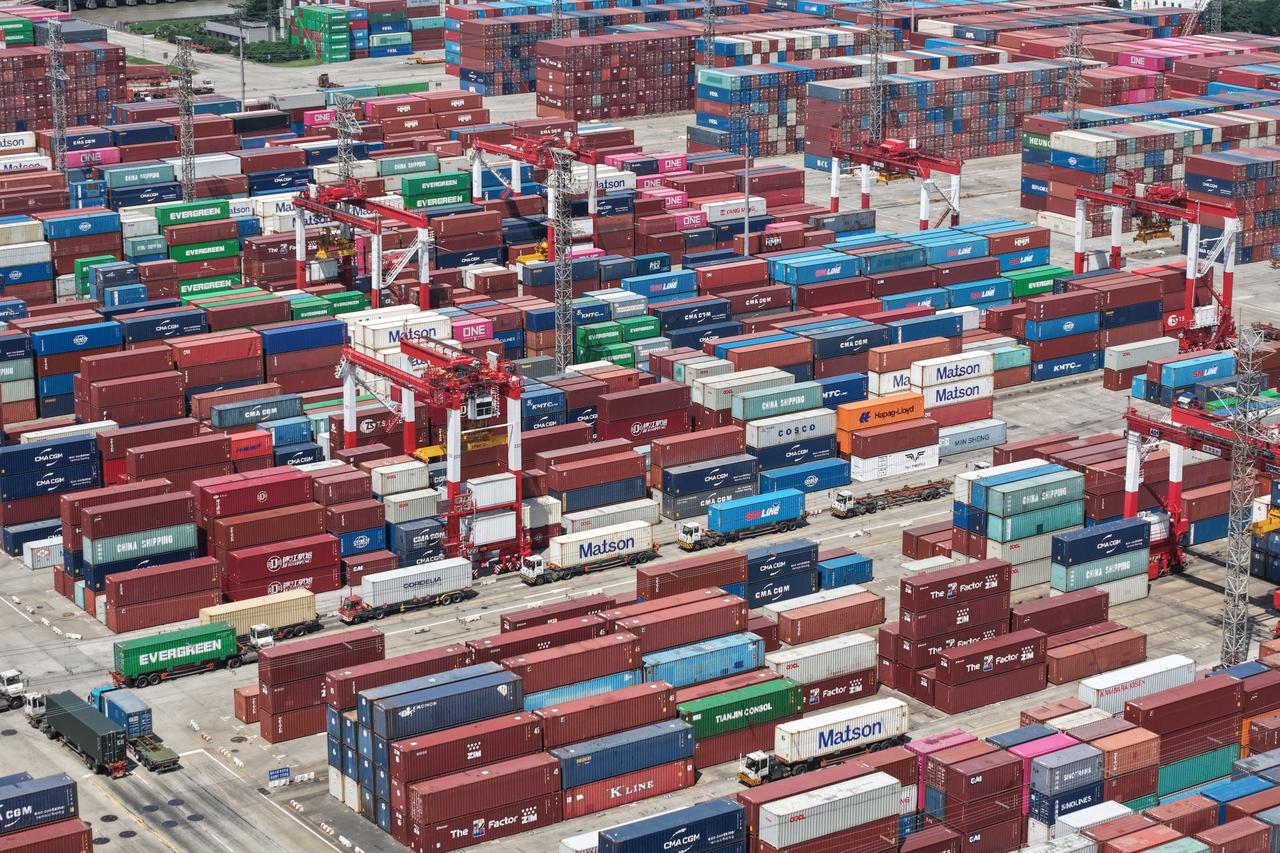
Strong global demand for artificial intelligence-related products has driven exports of semiconductors, computing equipment and other high-tech goods, helping cushion the slowdown.
In the first six months of the year, China's total goods trade climbed 16.9% year over year to 25.5 trillion yuan. Exports rose 13.4% to 14.7 trillion yuan, while imports jumped 22.1% to 10.7 trillion yuan. Mechanical and electrical products led the way, with exports rising 20.1% and accounting for 63.5% of total exports.
Industrial production rose 5.3% year over year in June, while industrial output increased 5.4% in the first half. High-tech manufacturing expanded 13.3%, and equipment manufacturing grew 9.3%.
Retail sales rose 1% in June, while online retail sales of goods and services increased 5.2% in the first six months of the year to 10.1 trillion yuan. Services retail sales climbed 5.3%.
Fixed-asset investment, however, fell 5.7% in the first half, with real estate investment dropping 18%. Investment in high-tech industries still rose 4.6%, led by aerospace equipment manufacturing, information services and computer equipment.
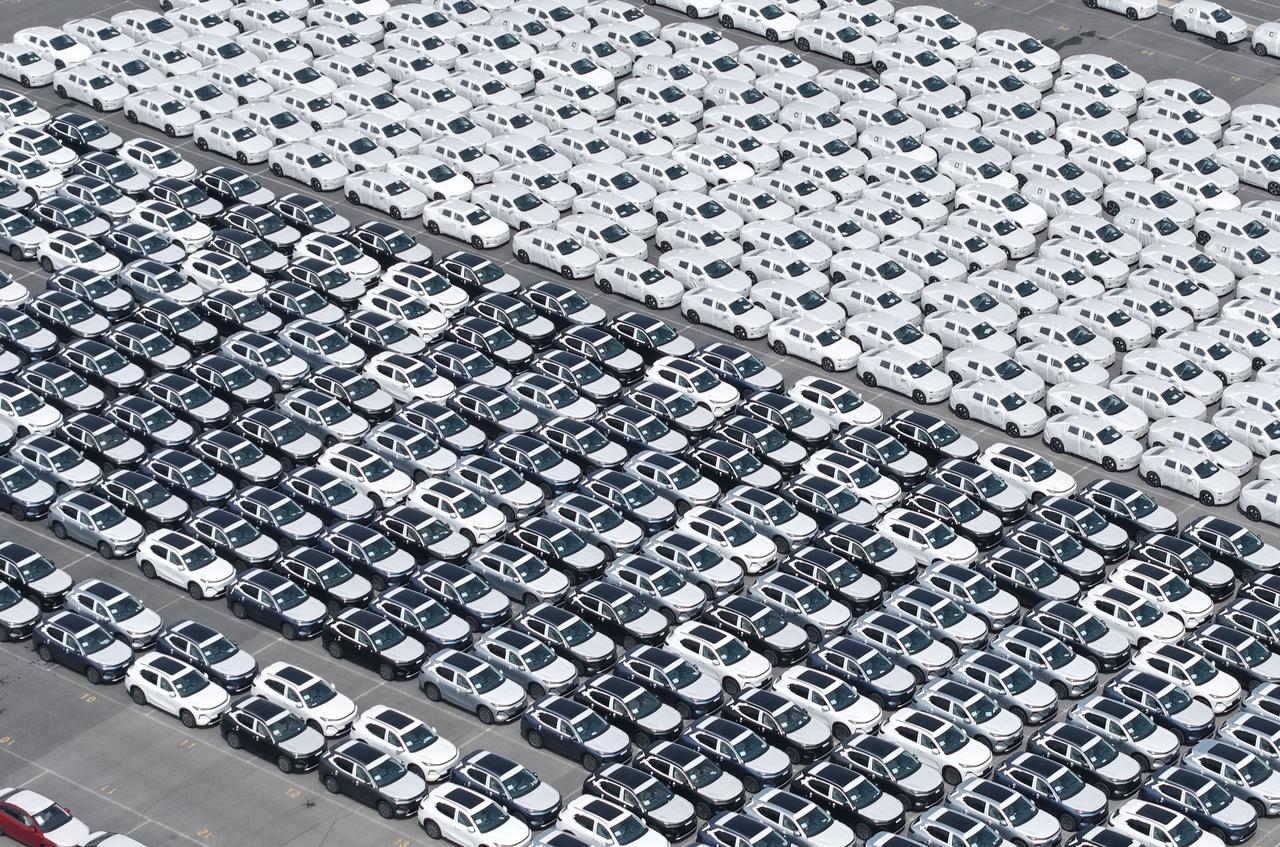

The National Bureau of Statistics (NBS) said the economy "operated within an appropriate range" in the first half of the year, with new growth drivers strengthening and high-quality development gaining fresh momentum despite mounting external pressures.
It pointed to faster production and supply, generally stable employment, resilient foreign trade and mild inflation as signs of the economy's resilience.
"Generally speaking, in the first half year, the national economy operated within an appropriate range. New quality productive forces were fostered and strengthened, and high-quality development advanced with new and positive momentum," the bureau said.
"However, we should also be aware that the external environment is becoming increasingly unstable and uncertain, the imbalance between strong supply and weak demand remains acute at home, and the foundation for economic recovery and improvement still needs to be consolidated," it added.
The warning comes as the U.S.-Israeli war on Iran continues to disrupt shipping through the Strait of Hormuz. This strategic waterway normally carries around one-fifth of the world's oil and natural gas supplies, fueling inflation concerns and weighing on global demand.
The bureau added that policymakers will continue efforts to boost domestic demand, improve supply, foster new growth drivers and support employment, businesses, markets and confidence to promote higher-quality economic growth.


 Set as preferred source
 Set as preferred source


 1 min read
 1 min read