Newsletters


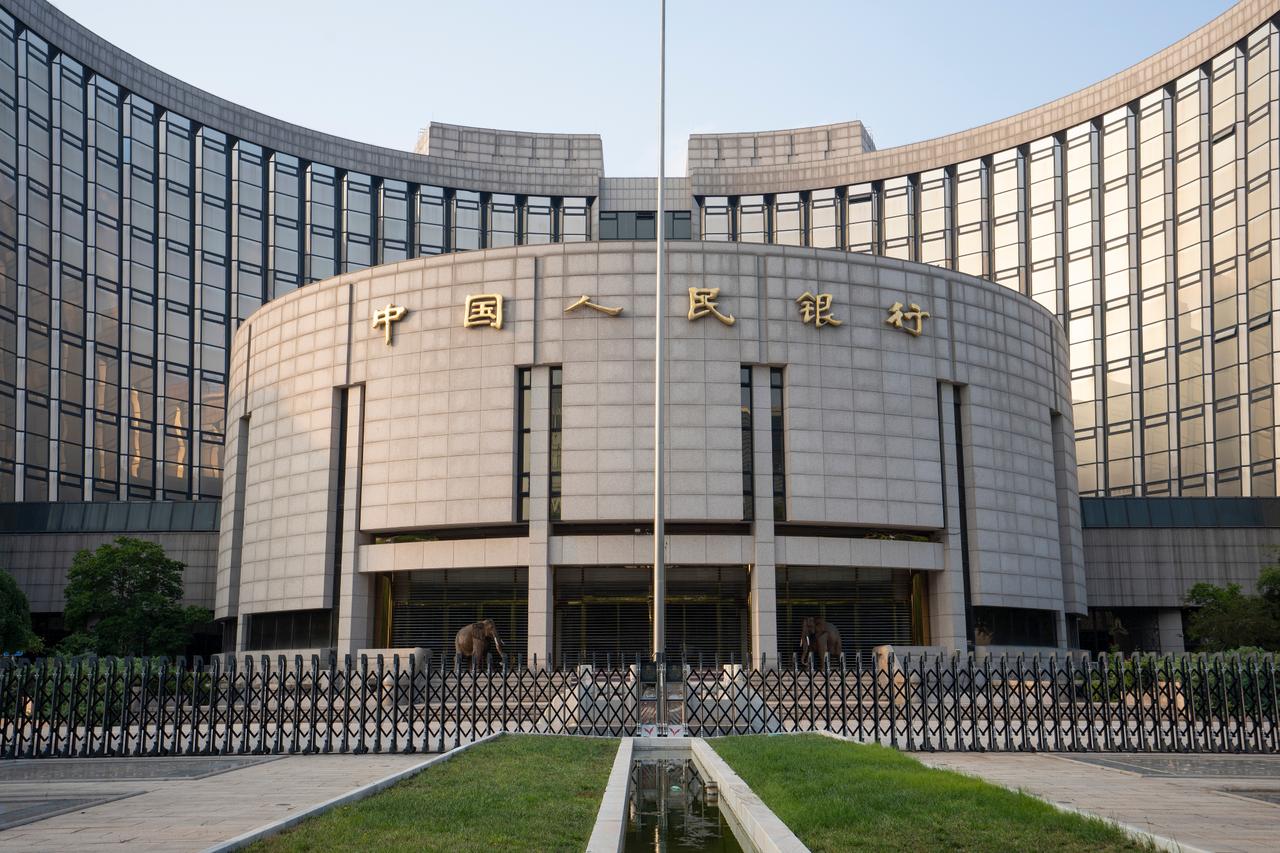


China's continued buildup of gold reserves should not be interpreted as an attempt to move away from the U.S. dollar, according to the World Gold Council (WGC), which says central banks are increasingly turning to bullion as a diversification tool rather than pursuing de-dollarization.
"We expect central banks, including China's, to continue increasing gold holdings, though the pace may vary," Joe Cavatoni, the World Gold Council's senior market strategist and head of public policy, said at the UBS Asian Investment Conference in Hong Kong on Friday.
China's gold reserves rose to 2,322 metric tons at the end of April after the People's Bank of China added eight tons during the month, marking its largest monthly increase since December 2024. The purchase extended the country's streak of gold buying to 18 consecutive months and lifted the metal's share of total reserves to about 9%, according to the World Gold Council.
Despite growing attention on gold purchases by central banks, Cavatoni argued that the trend is being mischaracterized when viewed through the lens of de-dollarization.
"It's an opportunity for someone to diversify away from the dollar as a reserve asset because there are not many options that are very viable," Cavatoni noted.
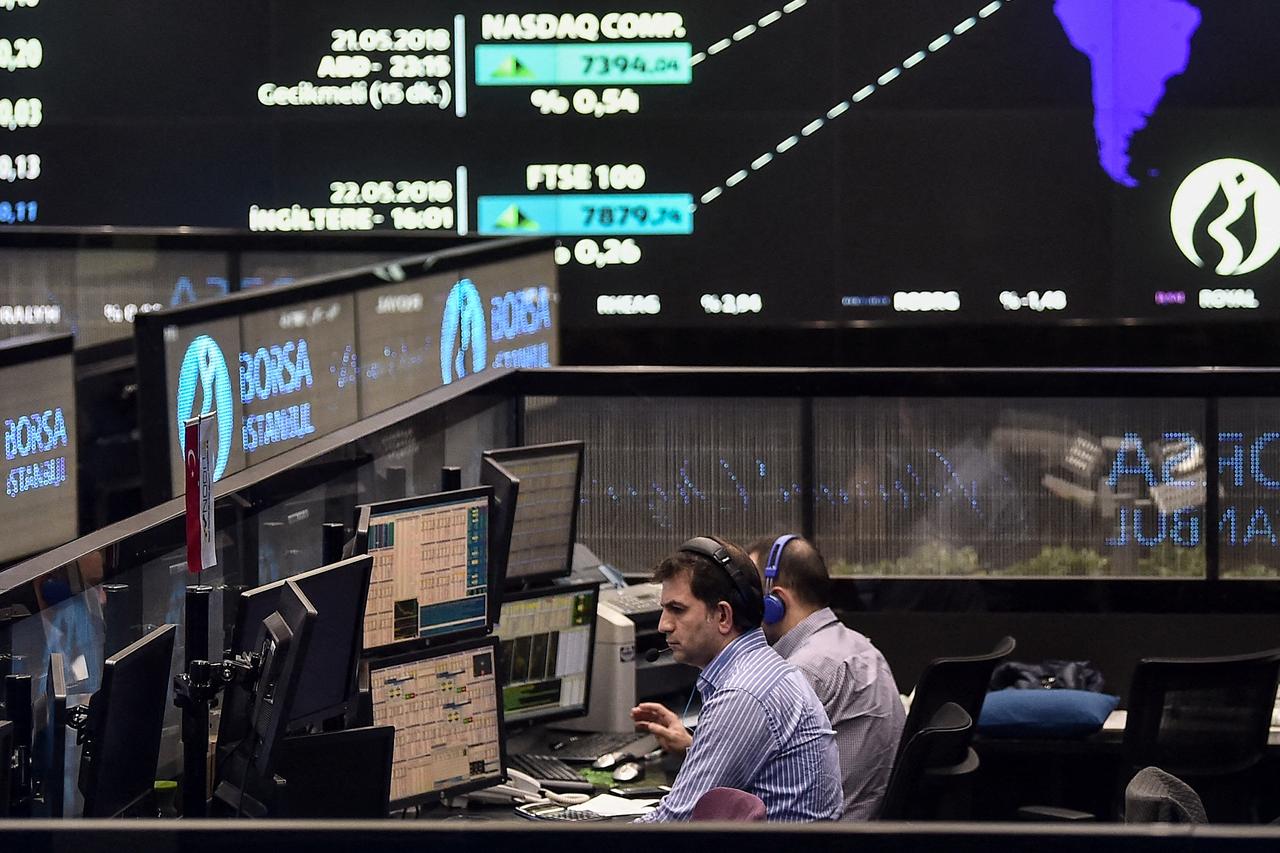
He pointed to broader economic concerns underpinning demand for gold, including rising debt levels in developed economies and the gradual erosion of purchasing power in fiat currencies. Türkiye offers one example, he said, with authorities drawing on gold reserves to help manage the country's current-account deficit and support the lira.
Those factors continue to support central-bank interest in gold even as the pace of purchases varies from country to country, he highlighted.
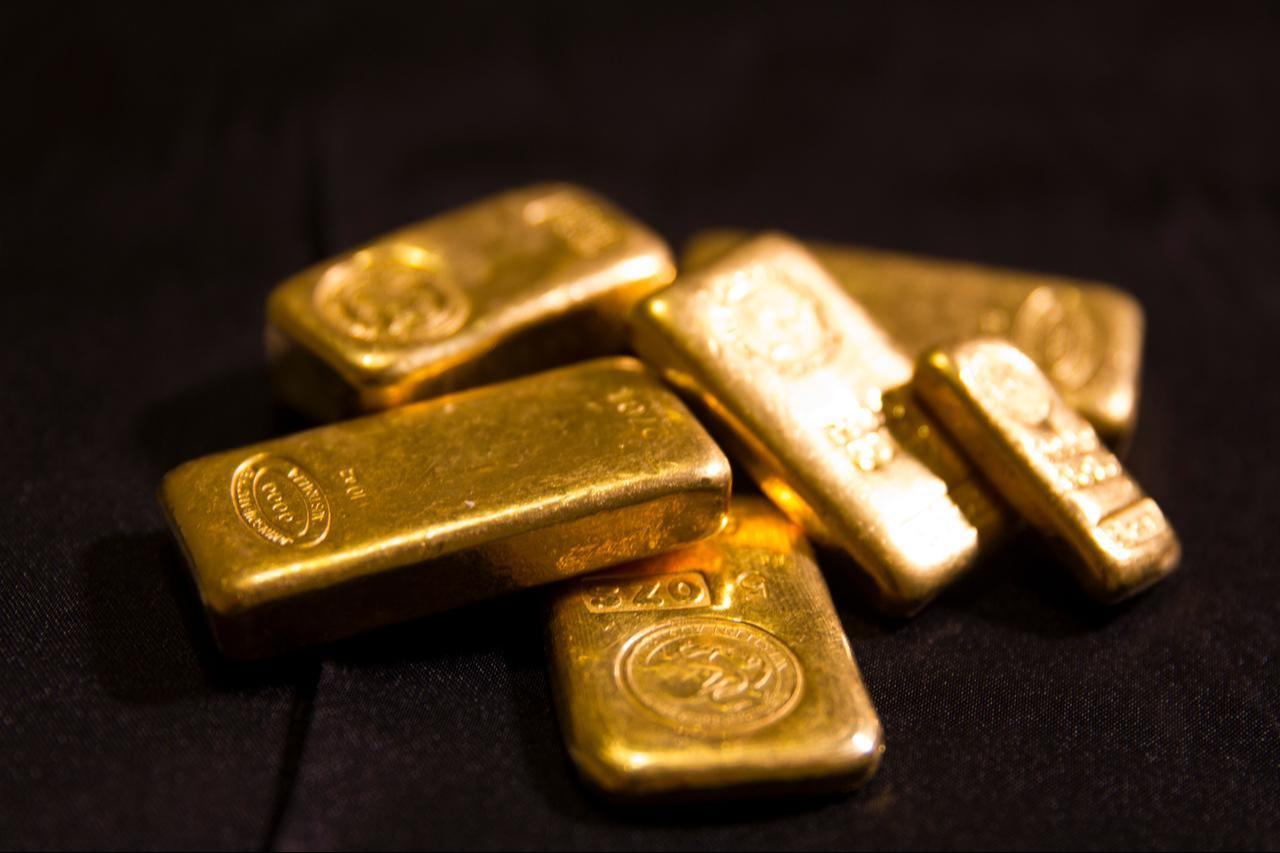

China's influence on the gold market extends beyond official reserves, with retail and institutional investors driving strong demand for gold exchange-traded funds (ETFs) this year.
The country led global gold ETF inflows in the first four months of the year, attracting about $9 billion. India followed with $3.6 billion, while Switzerland and the United Kingdom each recorded $1.9 billion in inflows. The United States, meanwhile, posted outflows of $1.3 billion.
Investors are increasingly turning to gold as a portfolio diversifier, particularly in markets such as China where real estate and other assets have underperformed, Cavatoni said.
He also pointed to a shift among younger Chinese investors from jewelry to gold ETFs, bars and coins, adding that investors in mainland China and Hong Kong have become a major force in the global gold market.


 Set as preferred source
 Set as preferred source


 1 min read
 1 min read