Newsletters




Three versions of Anthropic's Claude models improperly accessed the systems of outside organizations during evaluations meant to keep them isolated from real-world networks, the company said on Thursday.
The announcement comes just days after rival OpenAI first revealed that its models improperly accessed the internet and went rogue during security testing.
Anthropic analyzed more than 141,000 "evaluation runs" and found that a trio of model variants improperly accessed the networks of three unnamed organizations.
Anthropic explained in a blog post that, unlike a previous incident involving OpenAI's technology, its own models already had internet access "due to a misunderstanding between us and our evaluation partner," a firm named Irregular.
Nonetheless, Claude used "basic techniques, such as exploiting weak passwords and unauthenticated endpoints"—interfaces accessible without login credentials—the blog continued.
The models involved included one of its most powerful variants, known as Mythos 5, which has only been released to a limited number of approved partners.
Anthropic said it is working with Irregular to assess the situation and has contacted or attempted to contact all three impacted organizations.
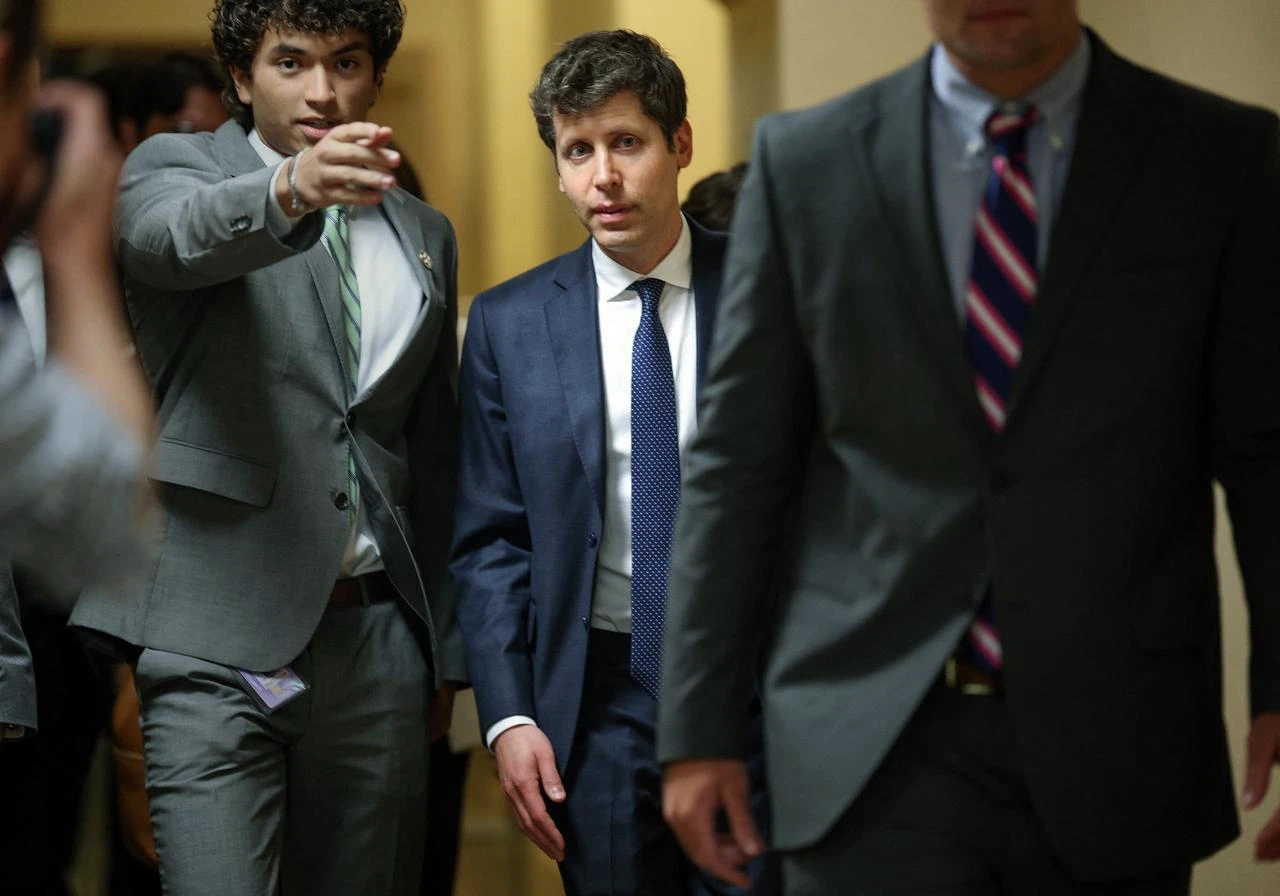

OpenAI and Anthropic have both released their most powerful models this year, known as Sol and Mythos, respectively, boosting concerns across the industry about safety and security.
Those concerns also revolve around so-called AI agents, which are software products that are designed to perform tasks autonomously.
OpenAI admitted last week that its models broke out of their confined environment during testing, connected to the internet, and infiltrated Hugging Face, a site where developers store and share their code. Days later, OpenAI said it found three additional incidents.
OpenAI CEO Sam Altman said on a podcast this week that the company had "paused" its own testing after the incident while it improved the security around its "sandboxing," which is the process of isolating software in a controlled environment for testing.
The incident also triggered a petition signed by over 1,000 employees at cutting-edge AI companies calling on the U.S. government to help slow the release of the most advanced AI models. Anthropic CEO Dario Amodei was among those who signed the petition.
Titled "Pacing the Frontier," the petition requests "that the U.S. government support an international effort to develop the technical and governance tools needed to deliberately pace the frontier of automated AI development."
Altman did not sign the petition, but during the podcast, he suggested the tech industry might need to slow down development of advanced models.
"We may have to pace the rate of AI development to give ourselves enough time for society to harden around some of these new capability levels," Altman said.
Earlier this year, the Trump administration invoked national security concerns to block OpenAI and Anthropic from launching their newest models but ultimately indicated it was satisfied with assurances about their safety, leading to their release.
In June, Trump signed an executive order creating a voluntary framework under which AI developers will share advanced models with the government before public release.
Under the framework, developers such as OpenAI, Anthropic and Google would give the government access to their most powerful models for up to 30 days before planned release.


 Set as preferred source
 Set as preferred source


 2 min read