Newsletters


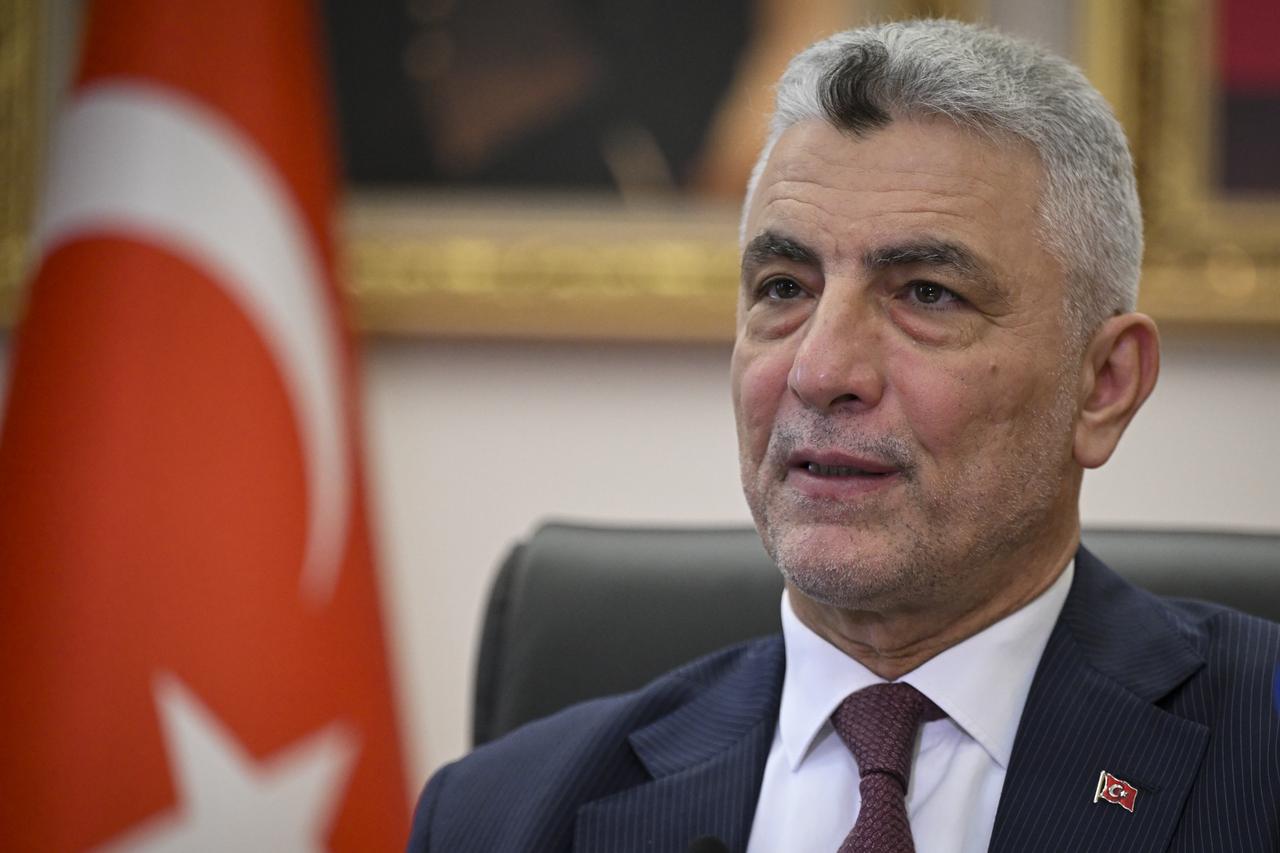


Türkiye's Trade Minister Omer Bolat criticized certain European Union member states for obstructing efforts to modernize the Türkiye–E.U. Customs Union, despite the European Commission's support for launching formal negotiations.
"While the European Commission agrees with us on expanding the Customs Union to cover services and e-commerce, the Council has yet to grant it a mandate due to the unjustified objections of a few member states," Bolat told state-run Anadolu Agency, though he did not name which countries were opposed.
He noted that Türkiye had maintained intense engagement with the E.U. throughout the year, including high-level dialogue on trade and sectoral cooperation through platforms such as the Joint Economic and Trade Committee (JETCO) and the Economic Partnership Council.
Alongside its E.U. efforts, Türkiye is also working to revise its free trade agreement (FTA) with the United Kingdom, which has been in force since 2021 and currently only covers goods. Negotiations are progressing to include services, digital trade, financial and professional services, and investment.
Bolat said that technical teams are actively working on the expansion and that the updated agreement is expected to enter into force in the second half of 2026. Türkiye and the U.K. are also set to hold the 8th round of JETCO meetings in early 2026, aimed at further aligning bilateral economic ties.
Türkiye is also simultaneously expanding its trade footprint beyond Europe, Bolat highlighted. The country has already signed FTAs with the United Arab Emirates and Qatar, while talks are ongoing with the Gulf Cooperation Council (GCC) as a bloc. The government continues its Africa and Distant Countries strategies to diversify both export products and markets.
Trade dialogues have also been held with developing economic blocs like the D8, which includes countries such as Iran, Pakistan, and Nigeria. Türkiye is focusing on transitioning from traditional markets to newer, higher-value ones through a series of trade preference agreements.
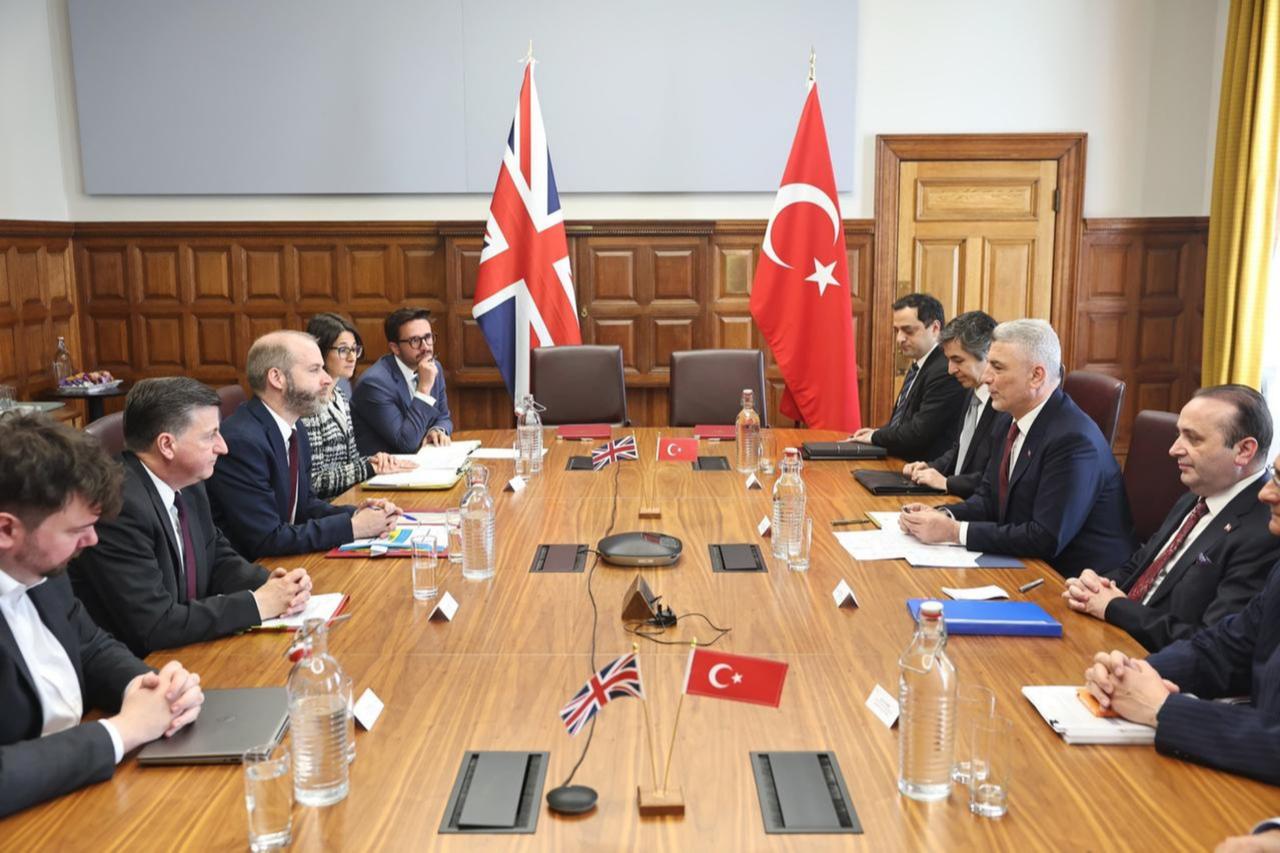

Bolat described the United States as Türkiye’s second-largest trading partner and pointed to comprehensive discussions in Washington with officials from both the U.S. Trade Representative’s office and the U.S. Chamber of Commerce.
Under former President Donald Trump, the U.S. pursued a protectionist approach characterized by elevated tariff barriers. According to Bolat, negotiations are continuing despite these challenges.
In Asia, particularly East Asia, Türkiye is actively addressing its large trade deficit by boosting exports and adopting protective measures against unfair trade practices. "We are conducting anti-dumping, countervailing duty, and anti-subsidy investigations in response to violations of fair trade rules," Bolat said.
Bolat also pointed out that the next summit of the Organization of Turkic States will be held in Türkiye in 2026 and is expected to further deepen economic and cultural ties among member nations.


 Set as preferred source
 Set as preferred source


 1 min read
 1 min read