Newsletters


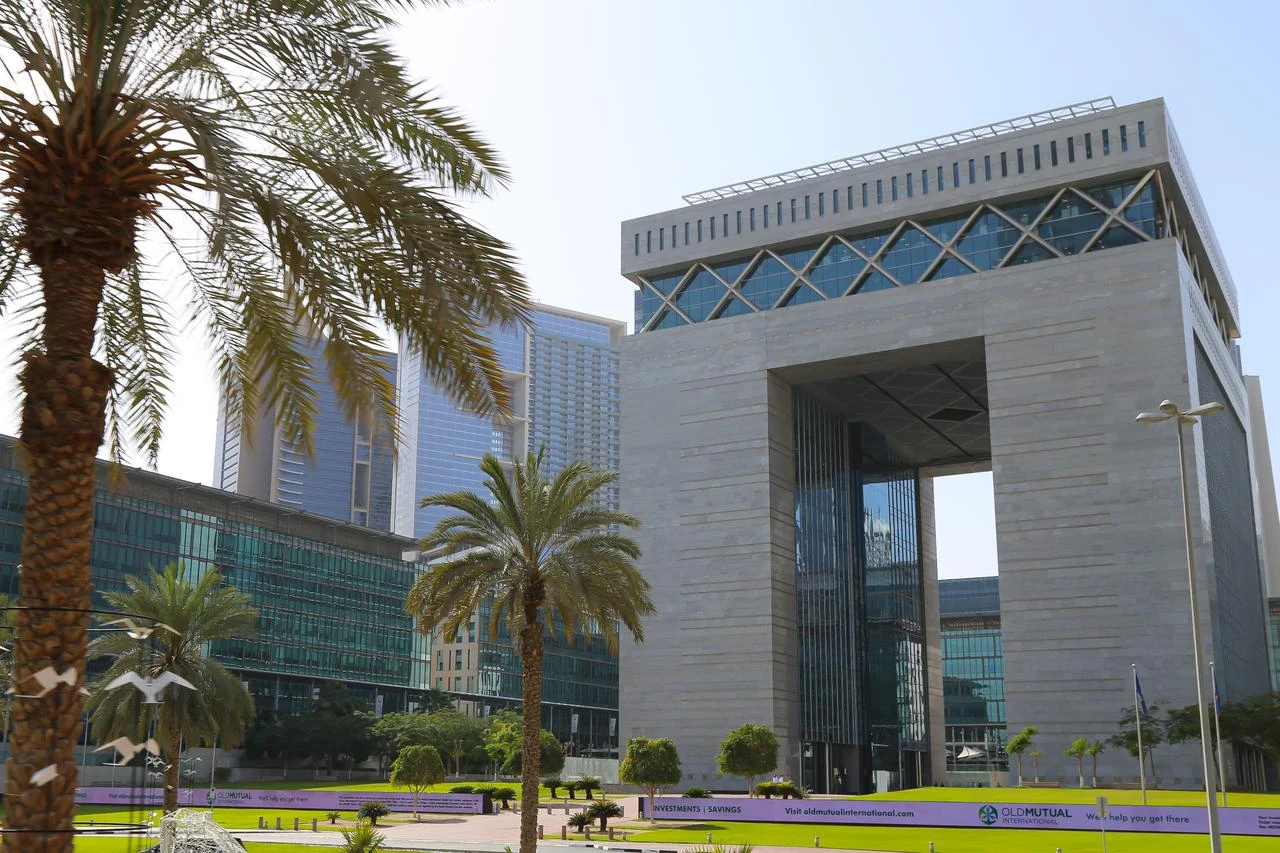


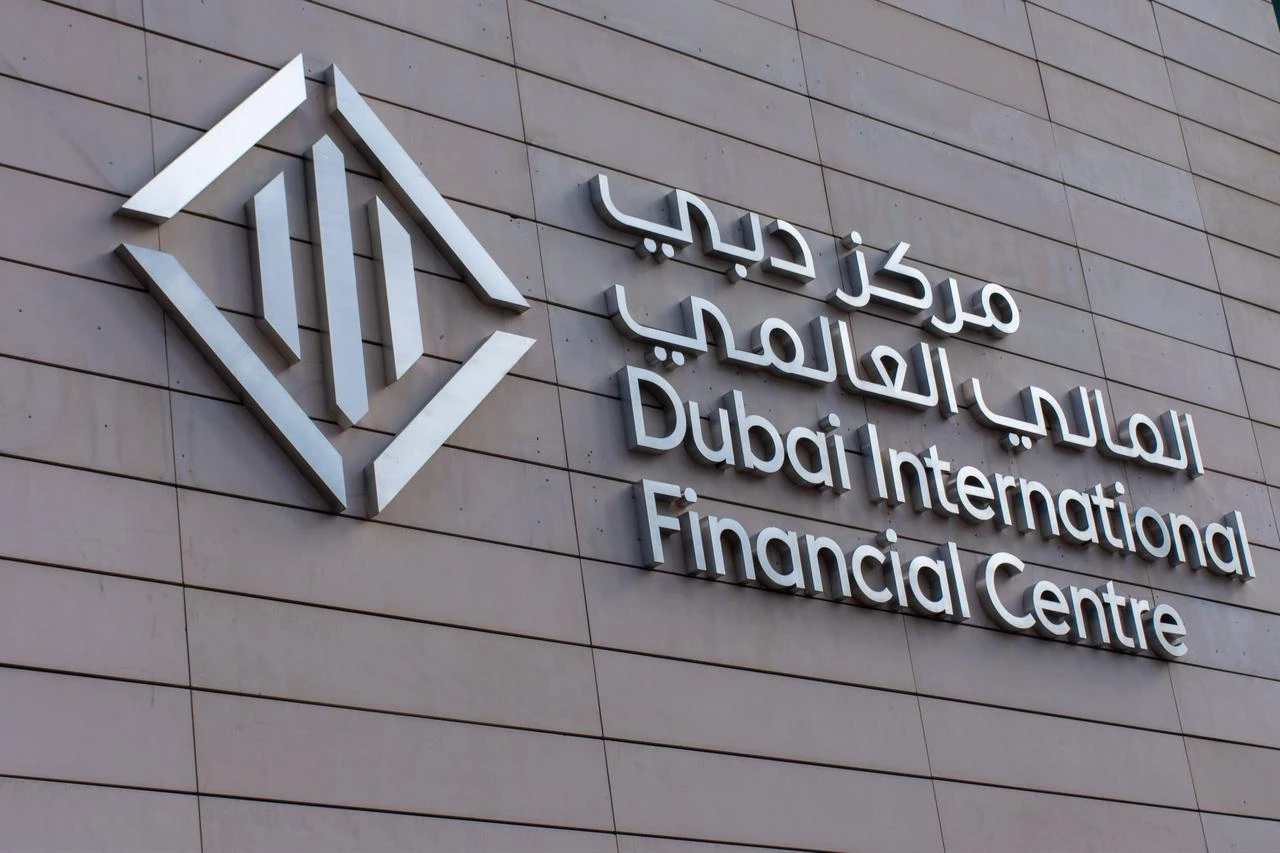
The Dubai International Financial Centre (DIFC) posted a 30% year-over-year increase in new company registrations through June, even as the ongoing U.S.-Iran war disrupted the region, according to a statement.
The financial district attracted 2,318 new active registered companies over the past year, bringing the total number of active firms to 10,018.
Regulated financial services firms climbed 16% year-on-year to 1,134. The center's financial network now includes 327 banks and capital markets firms, 165 insurance and reinsurance companies, and 592 wealth and asset management firms.
The DIFC Innovation Hub added 361 companies during the first half of 2026, lifting its total to 1,933, a 39% increase from a year earlier.
Private wealth activities also continued to expand. Family-related entities rose 36% year-on-year to 1,408, while foundations increased 67% over the past 12 months to 1,409.
"DIFC's performance reflects the strength, resilience and long-term attractiveness of Dubai's economy," DIFC Governor Essa Kazim said.

The latest growth figures come after months of disruption triggered by the U.S.-Iran war, which repeatedly spilled into the Gulf and tested the UAE's standing as a regional business, finance and tourism hub.
Iranian missile and drone attacks targeted airports, ports, hotels and other infrastructure across Dubai, while the Dubai International Financial Centre (DIFC) itself also came under attack during the conflict, prompting heightened security measures.
At the height of the conflict, several global banks and financial institutions activated business continuity plans, evacuated offices in and around DIFC, or instructed employees to work remotely, while earlier reports suggested some firms were weighing moving their regional hubs out of Dubai.
Airspace restrictions, flight suspensions and supply chain disruptions weighed on tourism, aviation and logistics, although authorities kept the country's financial system and most business activity operating throughout the conflict.
Following a ceasefire, the UAE fully restored air traffic operations in early May, and Dubai has since sought to reinforce its reputation as a stable destination for global investors.


 Set as preferred source
 Set as preferred source


 1 min read

 1 min read