Newsletters


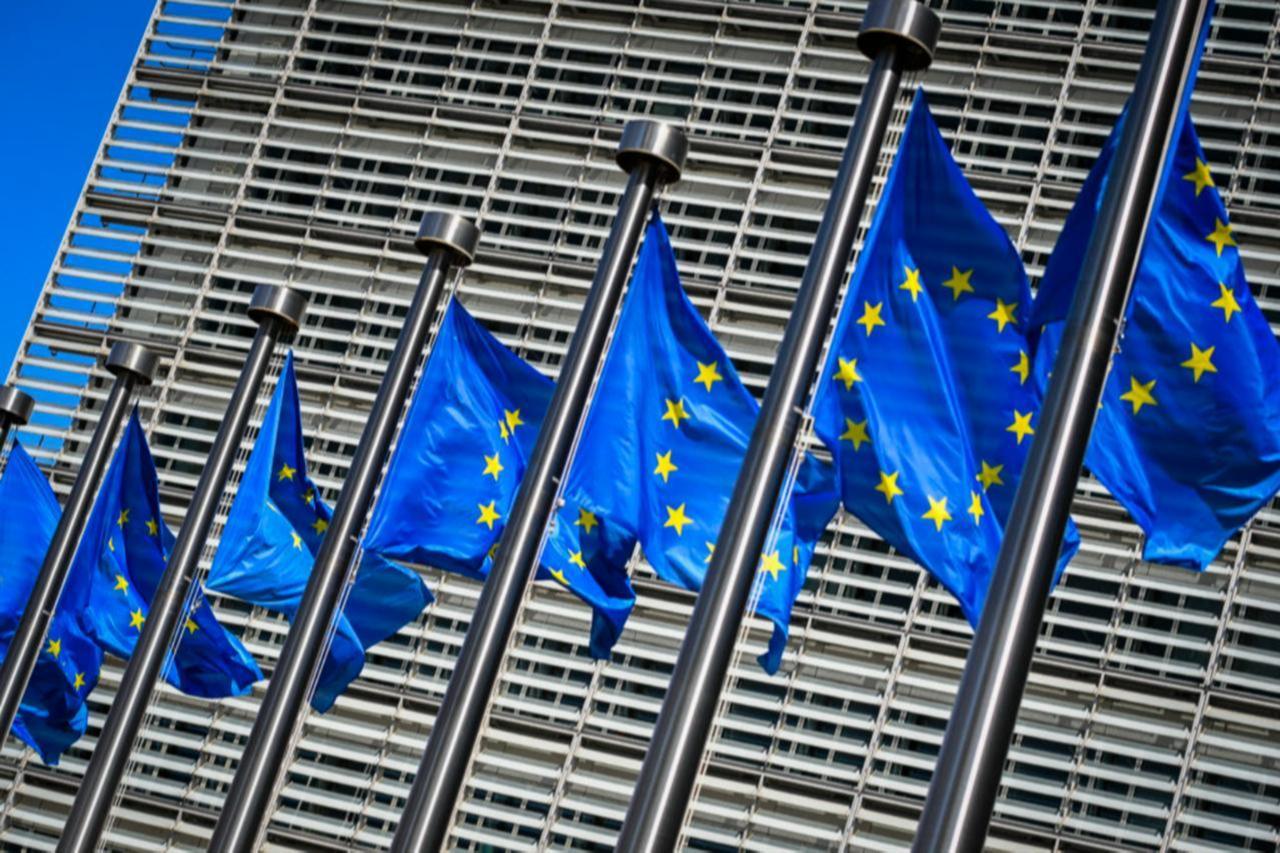


The European Commission postponed unveiling its "Industrial Accelerator Act," a key part of its "Made in Europe" strategy, for a third time on Monday, pushing the proposal to March 4 as internal disagreements continue over plans to boost domestic manufacturing.
The proposal was originally scheduled for release in December but faced repeated delays as EU officials and member states remained divided over how far the bloc should go in prioritizing locally produced components.
The initiative has since raised alarm among Turkish exporters, with industry representatives warning the rules could sideline Turkish manufacturers from European supply chains if local sourcing requirements shut them out of EU-backed projects.
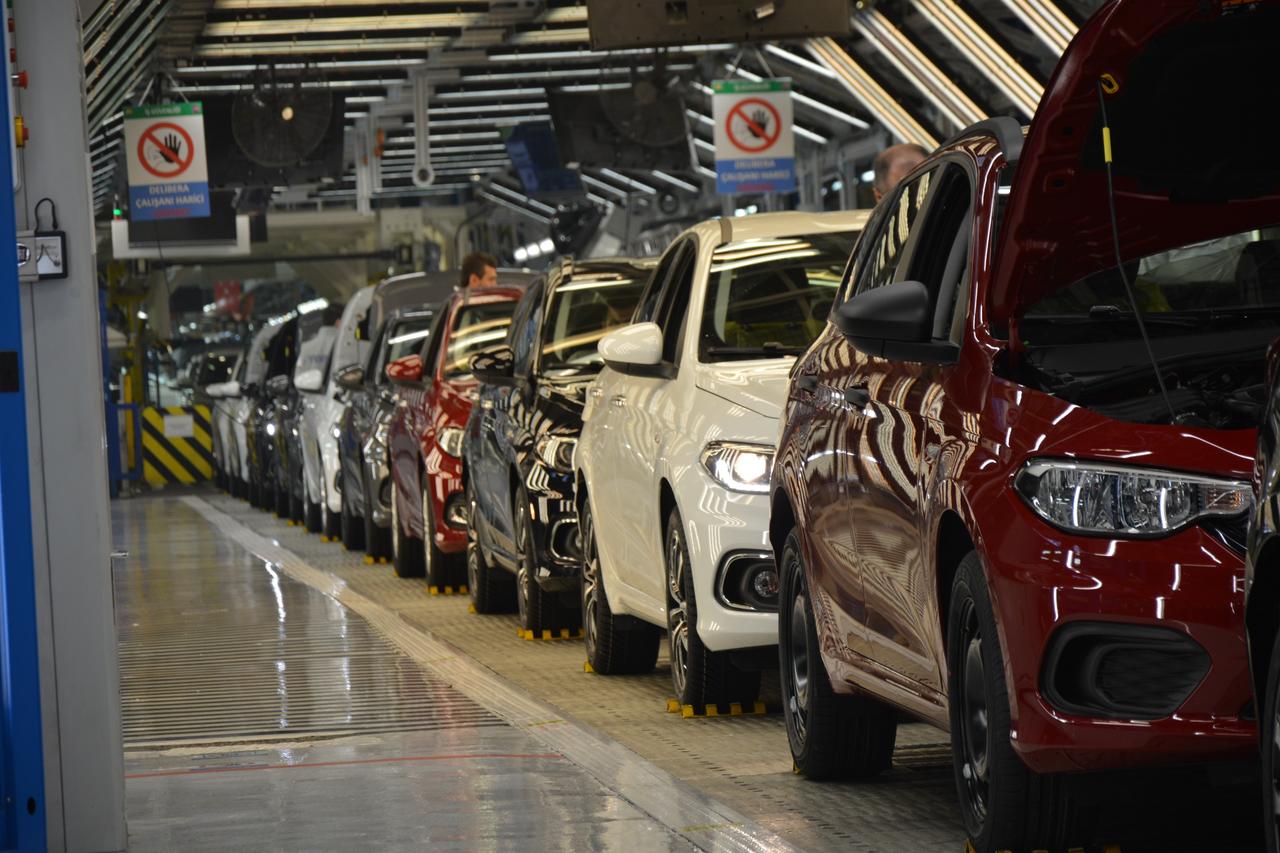
The legislation would require companies seeking access to public funding to ensure that a portion of their components is manufactured within the European Union. The rules are expected to target selected sectors, including green technologies, automotive production, chemicals, and steel.
European Commission officials said the additional delay would allow more time to finalize the framework and strengthen the proposal following internal discussions, as divisions among EU governments persist.
France supported the initiative, seeking to reinforce its domestic electric vehicle battery industry and reduce reliance on external suppliers. Germany expressed caution, with officials warning such measures should only be used when necessary.
Several other EU countries, including Sweden and the Netherlands, raised concerns that strict local sourcing requirements could weaken open trade principles and create protectionist barriers.
European Commission President Ursula von der Leyen supported the initiative, saying it is intended to strengthen strategic industries and expand European production capacity.
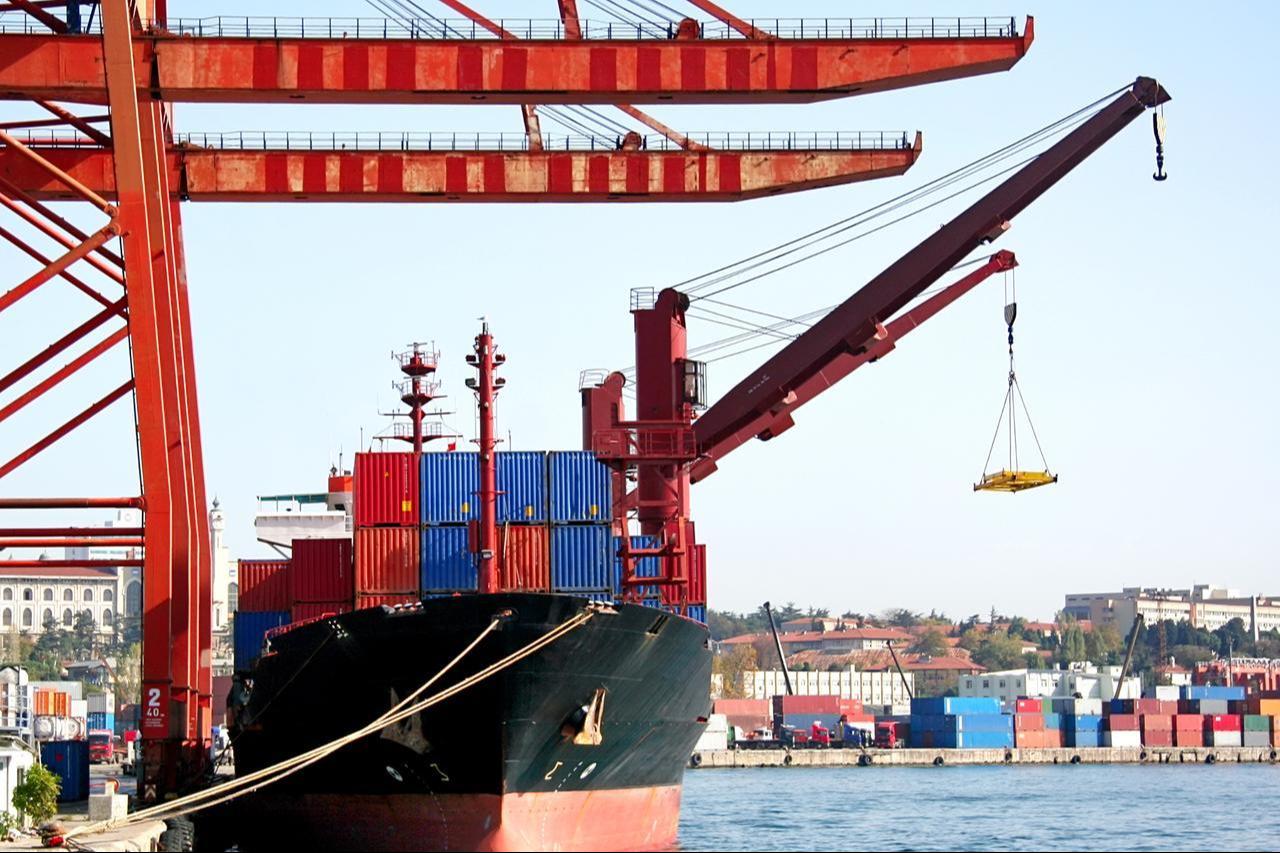

Turkish industry representatives have consistently warned that excluding Türkiye, the EU’s fifth-largest trading partner with $233 billion in goods trade volume, could disrupt deeply integrated production links between Turkish and European manufacturers.
President Recep Tayyip Erdogan raised the issue in a letter to European Commission President von der Leyen, warning that treating Türkiye as a third country under the framework could have unintended consequences for regional value chains and the EU–Türkiye Customs Union.
EU Enlargement Commissioner Marta Kos later sought to ease those concerns during her visit to Türkiye in early February, saying the initiative does not currently exclude Türkiye and that discussions remain ongoing.
"Türkiye’s exclusion or being left behind is not the case right now, because no decision has been made yet," Kos said, adding that she would work to ensure Türkiye secures the role it "deserves" in future economic cooperation.
The European Commission has also explored including provisions for cooperation with "trusted partners," potentially allowing selected non-EU countries to remain integrated into strategic supply chains.


 Set as preferred source
 Set as preferred source


 1 min read
 1 min read