Newsletters


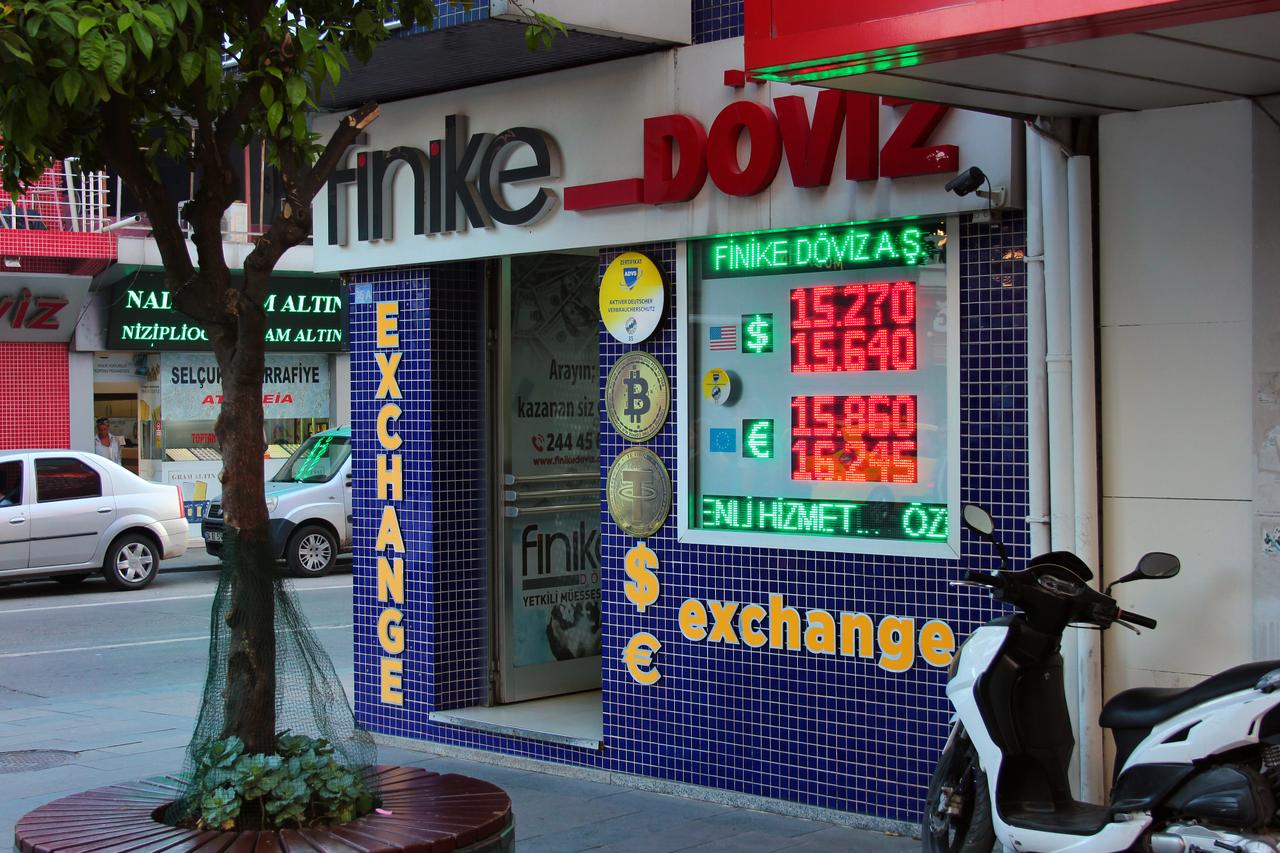


Türkiye’s Treasury and Finance Ministry has placed businesses engaged in unauthorized foreign currency buying and selling under close scrutiny, shutting down the operations of 859 workplaces since 2018 and reporting them to public prosecutors’ offices, according to information obtained by Anadolu Agency.
The ministry continues to carry out intensive inspections of unlicensed businesses operating in the foreign exchange market.
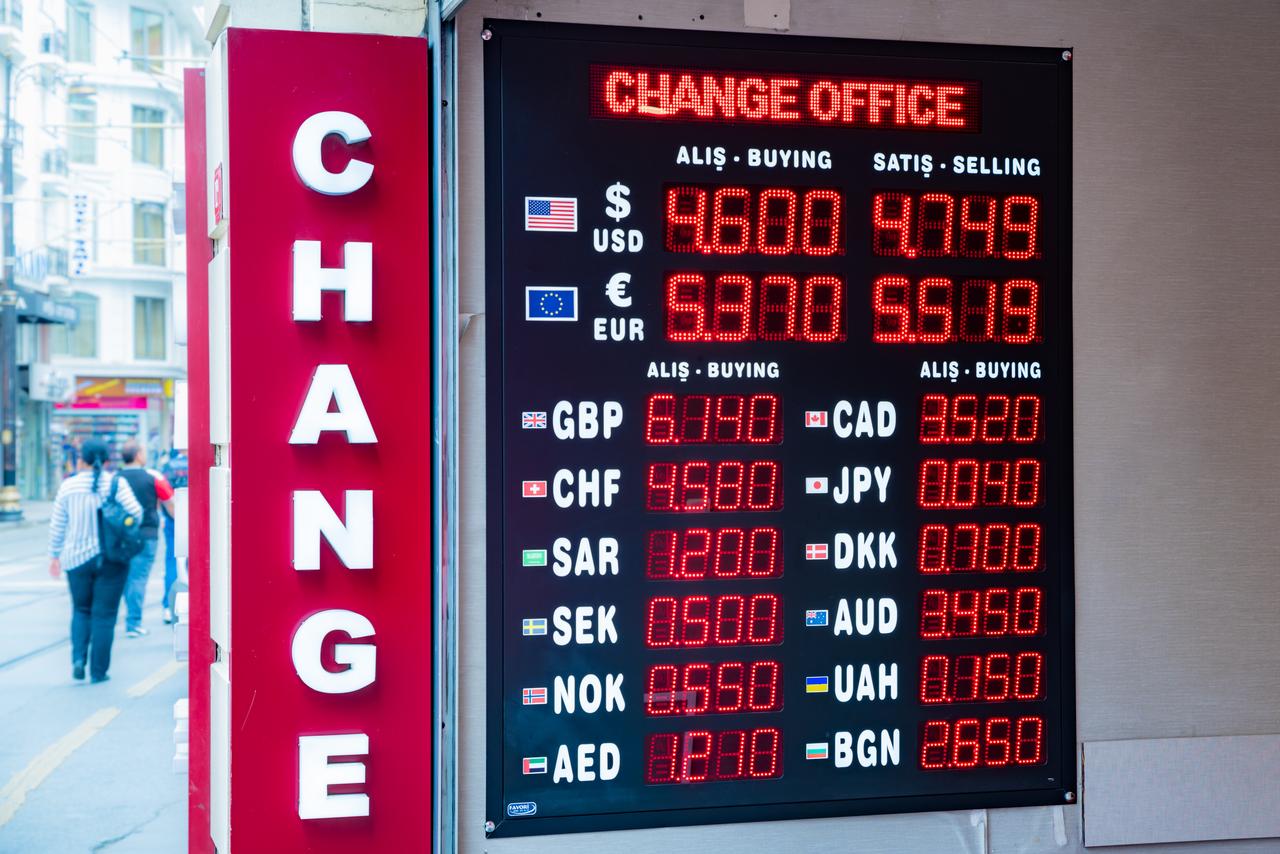
Under current legislation, foreign currency buying and selling is permitted only through banks, the Post and Telegraph Agency (PTT), and exchange offices licensed by the Treasury and Finance Ministry. Jewelers, representatives of payment institutions, and similar businesses are not authorized to conduct such transactions.
In line with amendments introduced in 2018 to the Law on the Protection of the Value of the Turkish Currency, two types of sanctions are imposed on businesses found to be engaging in unauthorized foreign exchange transactions.
The ministry may temporarily or permanently suspend the activities of such workplaces and also notify public prosecutors’ offices so that administrative fines can be imposed.
Since 2018, a total of 859 workplaces have had their operations suspended, either temporarily or permanently.

Authorities said unauthorized activity has been concentrated mainly in major cities and regions with heavy trade and tourism activity.
As a result, inspections and sanctions have been intensified in provinces with high commercial volume and tourist traffic. During the same period, notifications were submitted to prosecutors’ offices for administrative fines totaling about 280 million Turkish lira (approximately $6.4 million).
In 2025 alone, the ministry suspended the operations of 147 workplaces and initiated procedures for administrative fines totaling around 108 million Turkish lira (approximately $2.5 million).
Administrative fine limits are updated annually based on the revaluation rate. For this year, the minimum fine stands at 719,030 Turkish lira (about $16,500), while the maximum fine is 3,595,198 Turkish lira (about $82,300).
As part of efforts to combat the informal economy, the ministry has emphasized the importance of public reporting to prevent unauthorized foreign exchange activities.
In addition to tips received through CIMER and other channels, citizens can now submit reports directly via a dedicated “Unauthorized Foreign Currency Buying and Selling Report Application” section on the e-Devlet portal.
To identify high-risk taxpayers, the ministry has also implemented an Action Plan to Combat Unauthorized Activities based on a risk-oriented approach.
The plan takes into account factors such as population density, regions with intense trade and tourism, high-risk sectors, sectoral risk histories, and previous administrative sanctions.
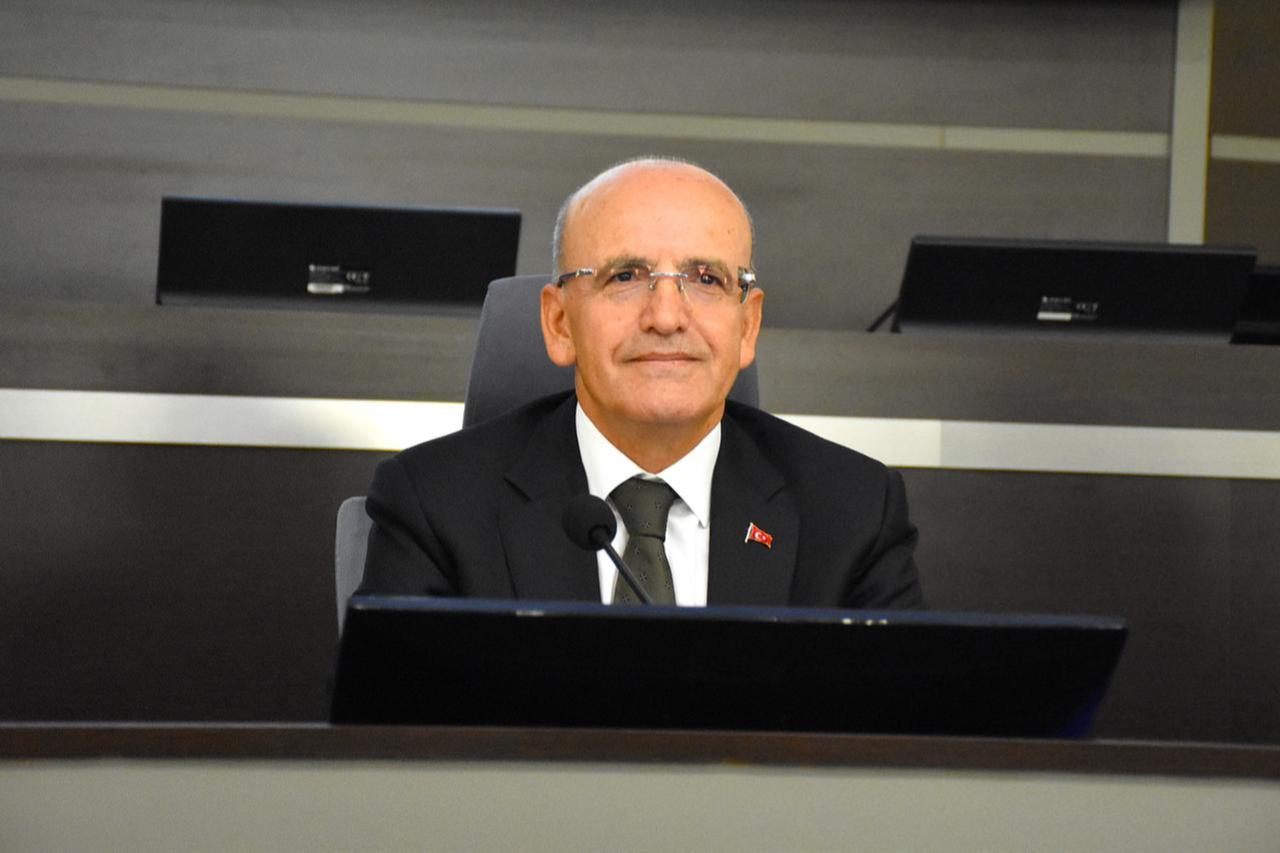
Treasury and Finance Minister Mehmet Simsek said combating unauthorized activity is a key pillar of efforts to curb the informal economy.
Simsek said analyses are conducted to identify high-risk taxpayers using data obtained through cooperation with institutions, including the Ministry of Trade, the Central Bank of the Republic of Türkiye, the Revenue Administration, and other relevant bodies.
“Preliminary research conducted both in the field and on digital platforms plays a major role in shaping inspection plans,” Simsek said.
He added that inspections this year will focus on major cities, regions with concentrated trade, and high-risk sectors.
“As the ministry, within the scope of combating the informal economy, we will increase and effectively continue planned and risk-oriented inspections targeting businesses engaged in unauthorized foreign currency buying and selling this year as well, and the fight in this area will continue with determination,” Simsek said.


 Set as preferred source
 Set as preferred source


 1 min read
 1 min read