Newsletters


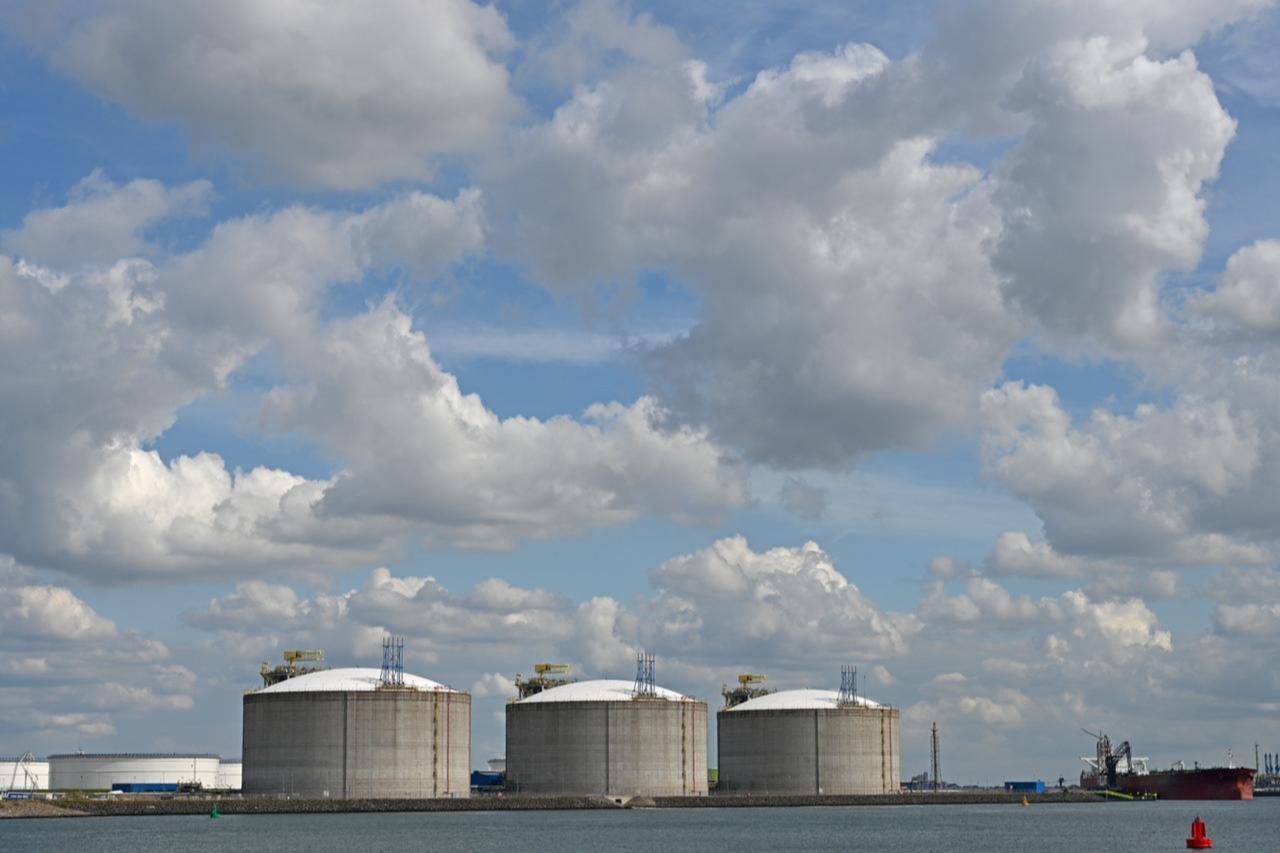


The European Union is said to be asking member states to scale back gas storage targets and slow the pace of refilling reserves, as supply disruptions linked to the Iran conflict drive up energy prices.
A letter to EU energy ministers advised countries to target filling gas storage facilities to 80% of capacity—below the bloc’s official 90% goal—to give markets clearer signals while easing demand pressure.
It also urged governments to avoid rapidly refilling reserves and instead spread purchases over a longer period, helping prevent a late-summer spike in demand that could further tighten markets.
Under the proposal, member states could delay reaching their storage targets until Dec. 1, extending the current deadline by one month, FT reported.
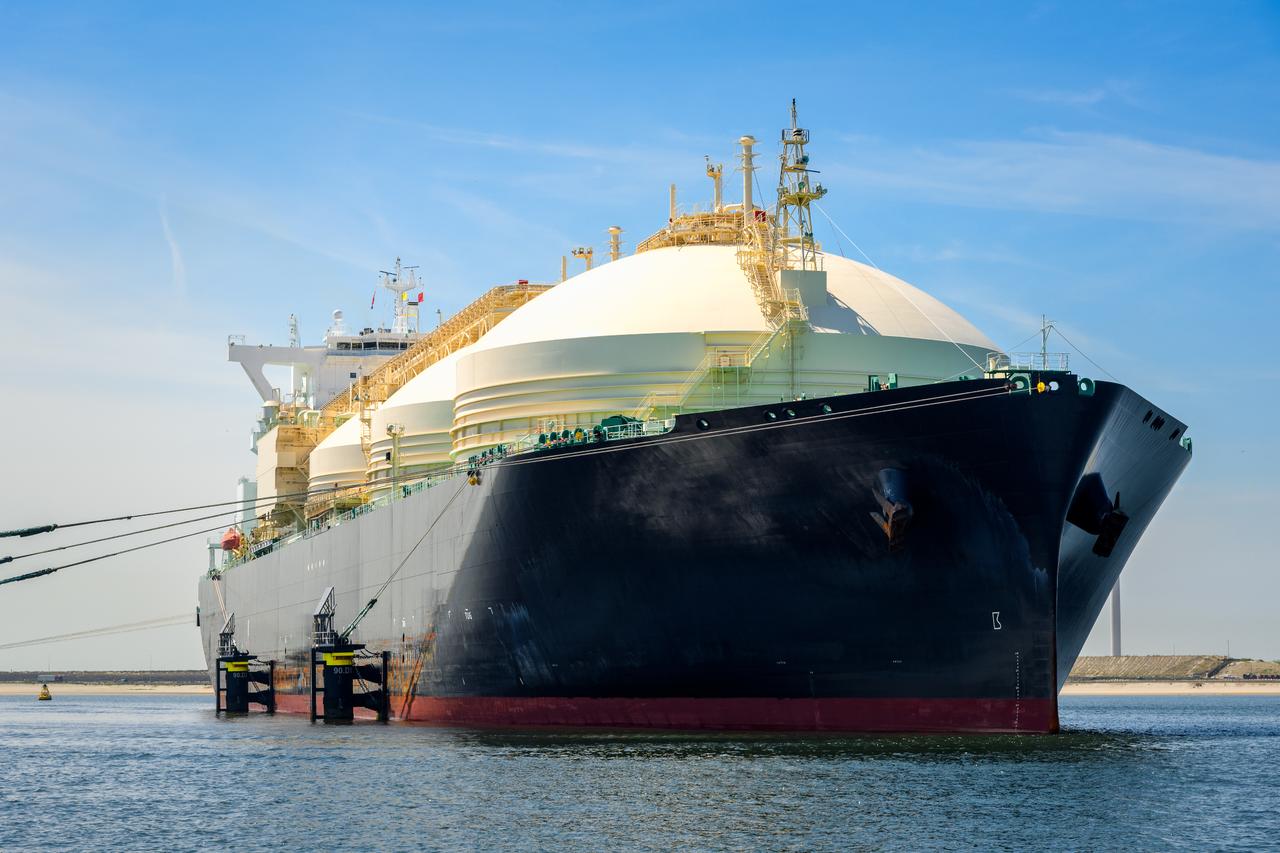
The letter said the EU’s energy system remains "relatively protected" but warned that supply conditions are still tight, adding that Qatar’s liquefied natural gas output may take longer to return to pre-crisis levels, putting additional pressure on European imports.
Qatar, which typically supplies 20% of global LNG exports, has been largely unable to continue shipments since the start of the Iran war on Feb. 28. Meanwhile, recent Iranian attacks on Ras Laffan Industrial City caused extensive damage to production and storage infrastructure, with QatarEnergy saying the strikes wiped out 17% of total capacity and that repairs could take up to five years.
Amid tight supply, European gas futures at the Dutch TTF hub ended the week at €59.3 ($68.7) per megawatt-hour, nearly double pre-conflict levels.
EU officials say strict storage requirements risk pushing prices even higher if countries rush to buy gas at the same time. One official familiar with the discussions said there is concern that rigid rules could add unnecessary strain to the market, while another emphasized the need for more flexibility in how targets are applied, the report suggested.
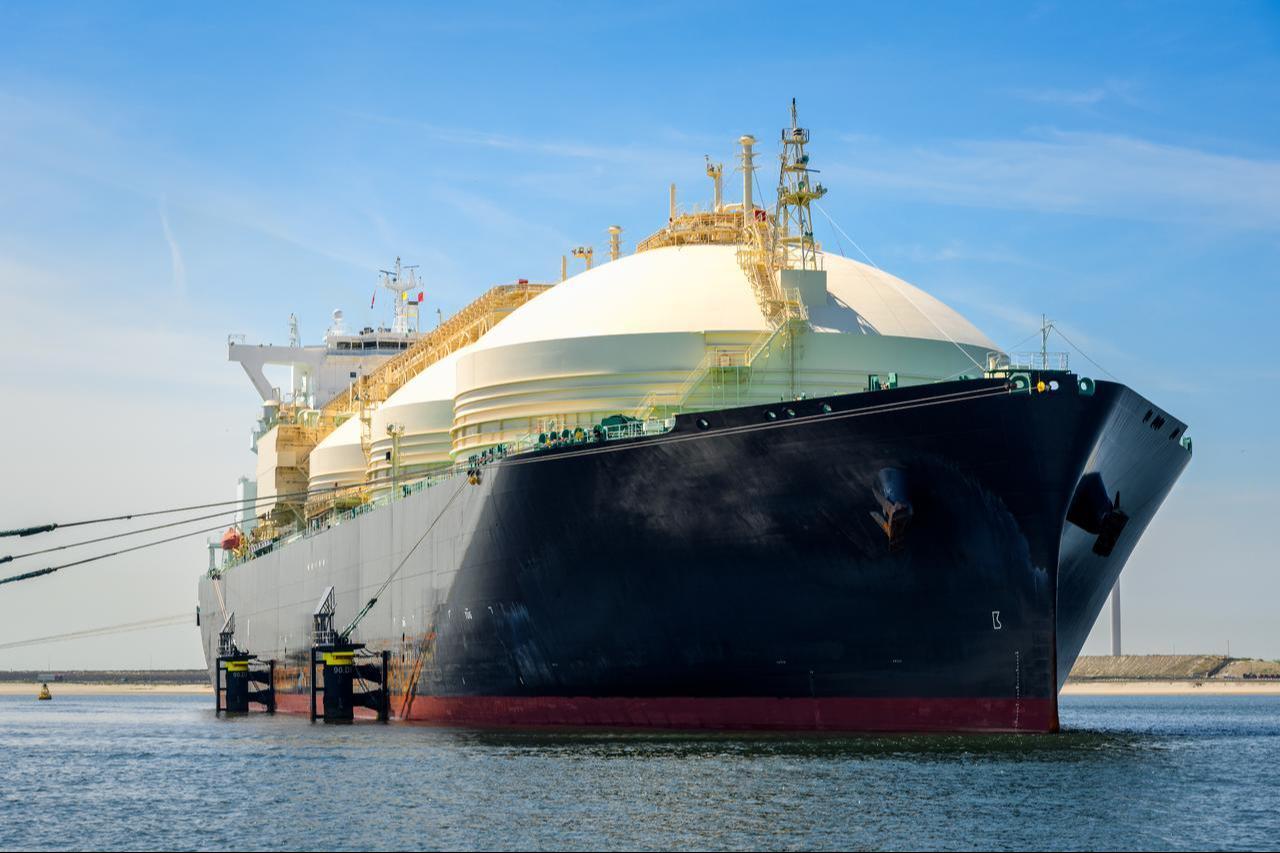

Gas storage plays a central role in Europe’s energy system, typically covering between 25% and 30% of winter demand. The EU introduced mandatory storage targets after Russia’s 2022 invasion of Ukraine disrupted supply and exposed vulnerabilities in the bloc’s energy security.
The rules were already eased in 2025, allowing countries to fill storage to 80% or even 75% if market conditions were unfavorable. The latest guidance builds on that flexibility as policymakers look for ways to contain rising costs.
While reducing demand is seen as a straightforward way to ease pressure on prices, the approach carries risks. Some countries currently have low storage levels, with facilities in the Netherlands reported at just 7%, raising concerns about preparedness for the next winter season. According to the Swiss Federal Office of Energy (SFOE), overall gas storage levels in EU countries remain below 30% as of Mar. 19.
On the other hand, the EU’s plan to phase out Russian LNG by the end of 2026 adds to the uncertainty. On Thursday, European Commission President Ursula von der Leyen reaffirmed the bloc’s commitment to ending imports, rejecting calls to rethink the plan despite rising energy costs.
In response, Kremlin spokesman Dmitry Peskov said Friday that Moscow would redirect shipments to markets with stronger demand if European demand continues to decline.


 Set as preferred source
 Set as preferred source


 1 min read
 1 min read