Newsletters





European natural gas prices surged above €70 ($80.14) per megawatt-hour on Thursday after attacks targeted key gas infrastructure in the Middle East, marking a 35% increase.
At the Netherlands-based Title Transfer Facility (TTF), Europe’s main virtual gas trading hub, April futures had settled at €54.66 per megawatt-hour before opening at €72 following strikes on gas infrastructure in Iran and Qatar.
By 10:25 a.m. GMT, prices stood at around €67, up approximately 22.6% from the previous close. Since the conflict began on Feb. 28, prices have risen by 110%.
The escalation saw Israeli airstrikes hit Iran’s South Pars Natural Gas Field on Wednesday, prompting Tehran to retaliate by targeting regional energy infrastructure, including Qatar’s Ras Laffan liquefied natural gas (LNG) facility.
QatarEnergy, the country’s state-run oil and gas company, said missile strikes hit Ras Laffan Industrial City in the evening, causing a fire and significant damage.
South Pars, shared between Iran and Qatar, holds an estimated 50 trillion cubic meters of gas and supplies about 70% of Iran’s production. Ras Laffan accounts for roughly 20% of global LNG output.
In the first week of the conflict, production halted at Ras Laffan, which has an annual export capacity of 80 million tons, as well as at the United Arab Emirates’ Das Island facility, which has a capacity of 4.6 million tons. QatarEnergy declared force majeure on March 4 and suspended operations following the attacks.
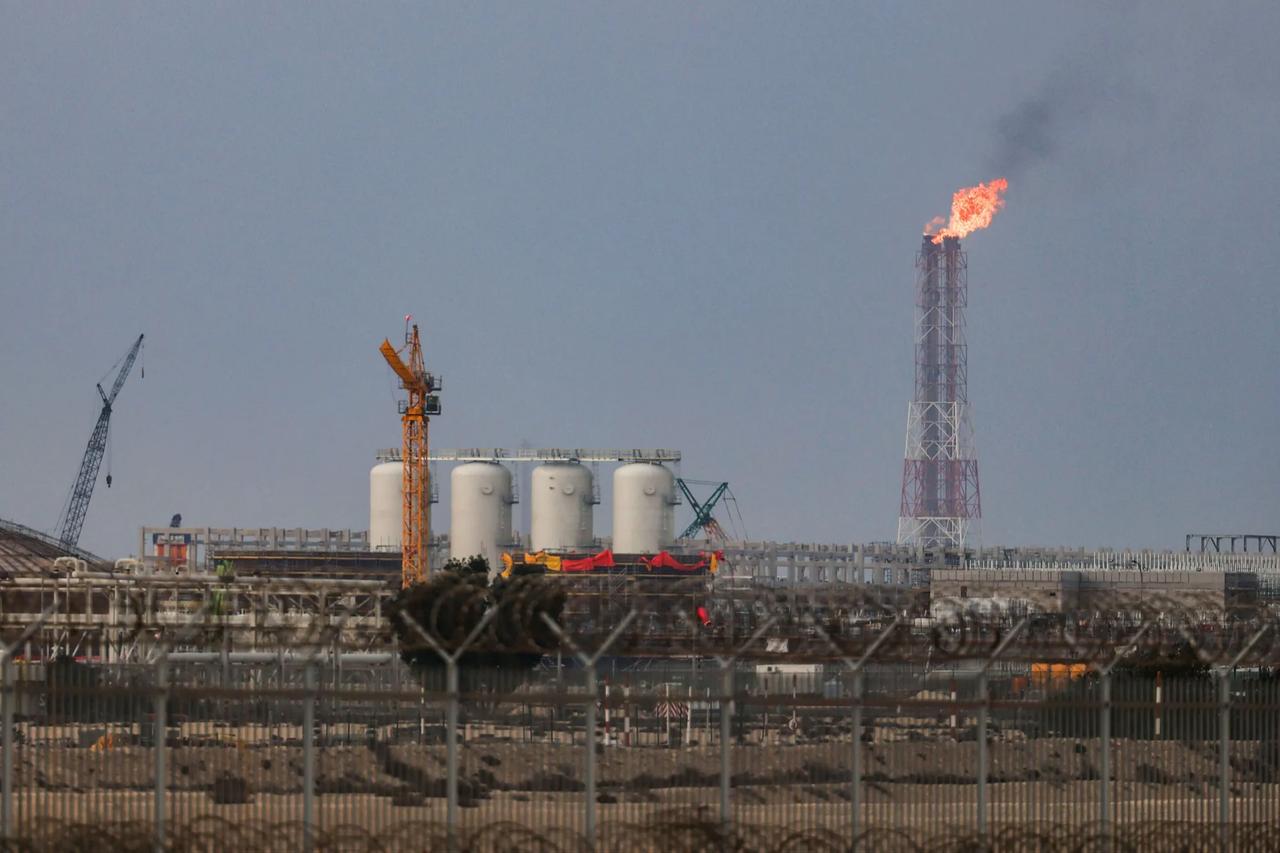

Global LNG supply has been constrained as shipments through the Strait of Hormuz slowed sharply.
According to data from Scotland-based research firm Wood Mackenzie, around 1.5 million tons of LNG, equivalent to 2.2 billion cubic meters, have failed to reach global markets each week since the crisis began.
After 19 days of conflict, total supply losses are estimated at 4 million tons, with exports from producers such as Qatar and the United Arab Emirates nearing a standstill due to shipping disruptions in the strait.


 Set as preferred source
 Set as preferred source


 1 min read

 1 min read