Newsletters


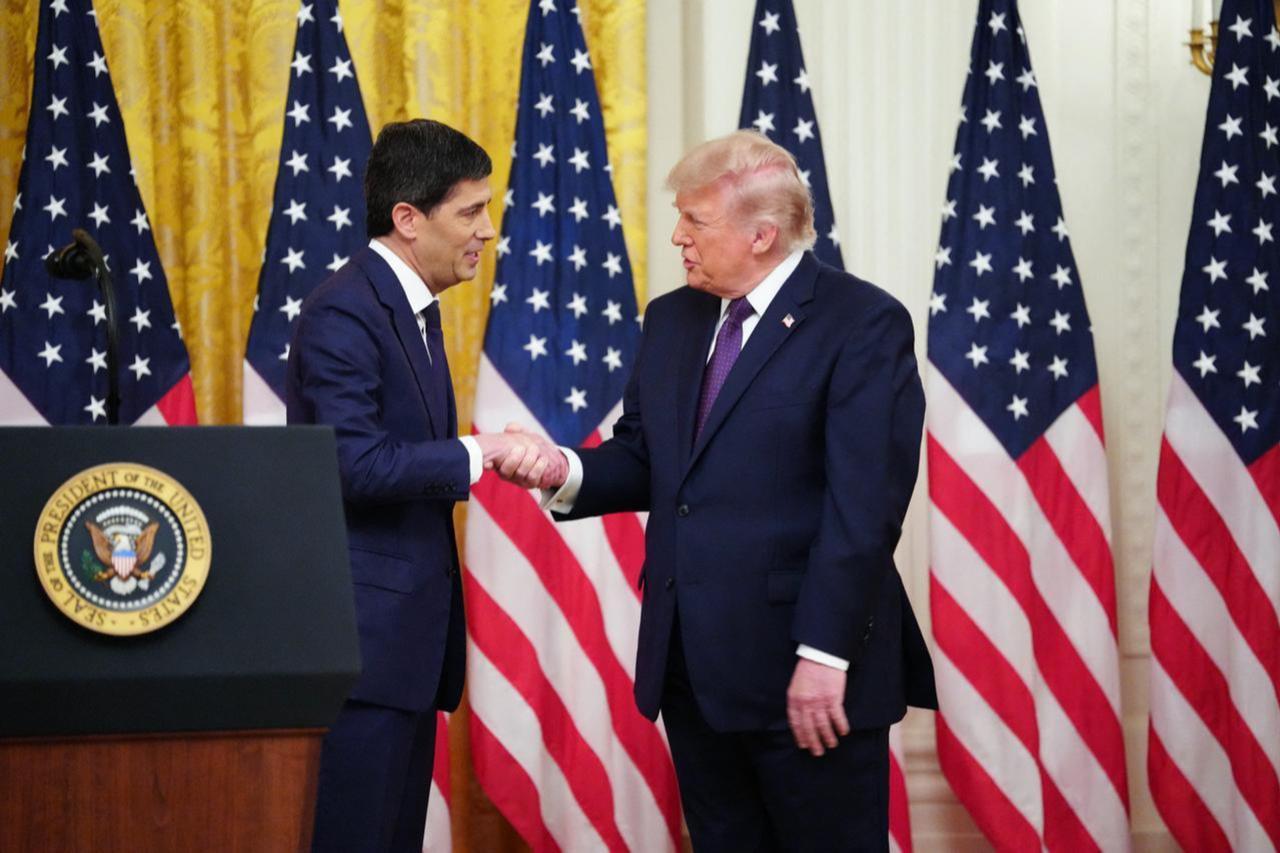


The US Federal Reserve raised interest rates on Wednesday for the first time since 2023, moving against President Donald Trump's repeated demands for lower borrowing costs as the central bank's new chief warned that inflation has remained "too high" for "too long."
The Federal Open Market Committee voted unanimously to lift its benchmark rate by 25 basis points, to a range of 3.75 to 4.00 percent. The Fed said the increase was intended to support a "timelier return" to its long-standing two percent inflation target.
Fed Chair Kevin Warsh, who was appointed by Trump, called the decision "serious" but necessary. "The plain fact is that inflation is too high, and has been for too long," he told reporters at a press conference following the announcement.
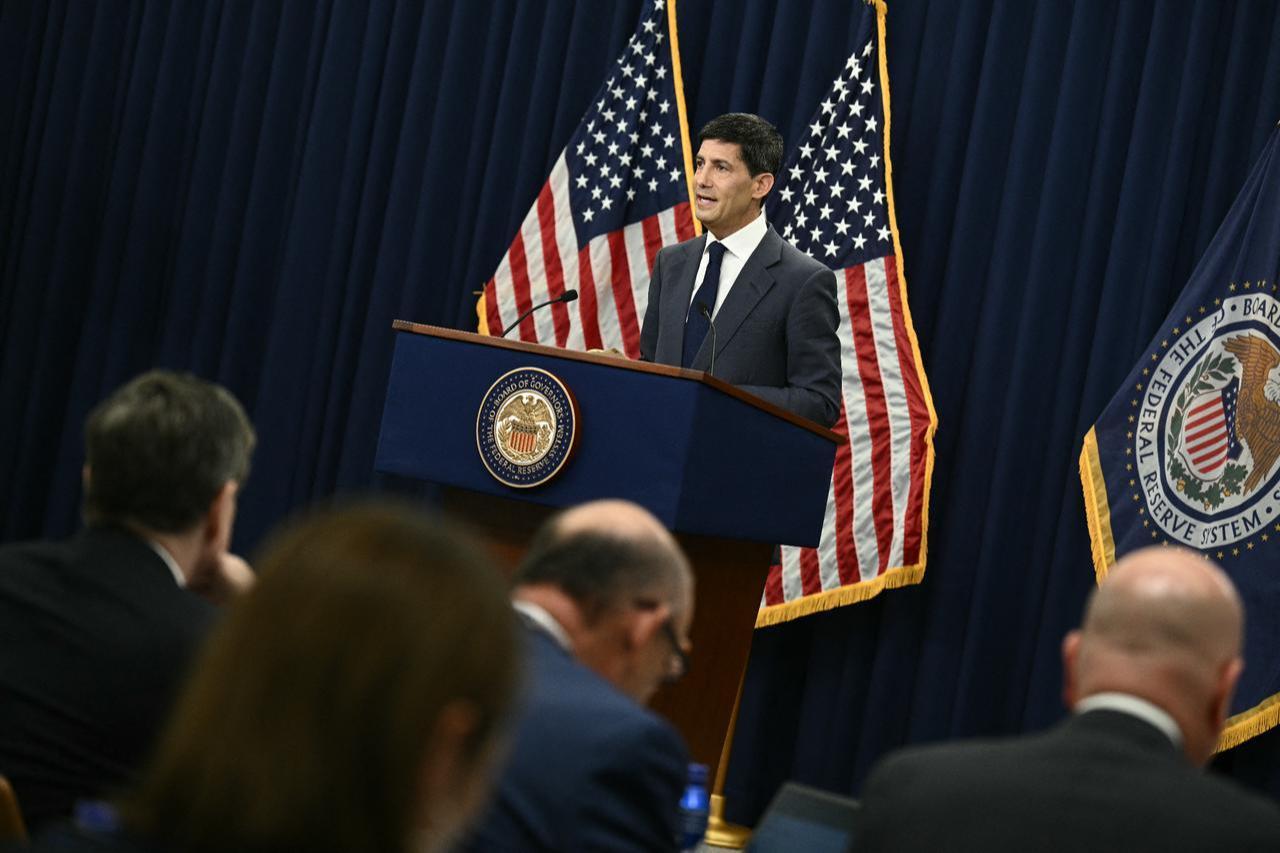

Wednesday's increase may not be the Fed's last move this year. According to the committee's Summary of Economic Projections, the vast majority of policymakers indicated that at least one additional rate hike is likely needed before year's end. Of the 18 policymakers who took part in the projections, at least 12 expect one more increase, while four anticipate two further hikes.
Warsh has previously criticized the Fed's practice of publishing such projections and skipped the June round. His absence from this projection, which again counted only 18 participants, suggests he withheld his input once more.
US households and businesses have contended with years of above-target inflation, with prices climbing further amid Trump's confrontation with Iran, his tariff policies and the ongoing artificial intelligence boom. The Fed had held rates steady since January as it assessed the effects of energy price shocks tied to the Iran conflict and the gradual impact of tariffs on consumer prices. But since July, an expanding bloc of policymakers had signaled that a hike might be required to bring inflation back under control.
Consumer prices reinforced that view. Friday's consumer price index for August came in at 3.4 percent, unchanged from the previous month but still far above the Fed's two percent goal. Diane Swonk, chief economist at KPMG, said inflation had "forced the Fed's hand," noting that price pressures have stayed elevated and persistent even as the economy and labor market proved strong enough to withstand tighter policy.
The Fed also revised its economic outlook upward in the new projections, raising its year-end forecast for the Personal Consumption Expenditures price index, its preferred inflation gauge, by 0.1 percentage points to 3.7 percent. Its GDP growth projection for year-end was likewise raised by 0.1 percentage points, to 2.3 percent. Warsh pointed to the economy's underlying "resilience" as evidence it could absorb tighter financial conditions.
Financial markets had largely anticipated Wednesday's rate increase, though stocks still declined on the news, a typical reaction since higher rates make equities relatively less attractive to investors. Yields on 10-year US Treasury bonds, which have climbed in recent days amid growing uncertainty over long-term inflation, pushed past the five percent threshold following the announcement.
The White House swiftly criticized the move. Spokesperson Kush Desai called the decision "rather unfortunate," reiterating that Trump has been clear in wanting lower interest rates.
The rate hike comes amid an extraordinary clash between Trump and the central bank. Since returning to office, Trump has mounted what commentators have described as an unprecedented campaign against the Fed's independence, including an attempt to remove a sitting Fed governor and a criminal investigation targeting Warsh's predecessor, moves widely seen as pressure tactics in his push for lower rates to stimulate economic activity.
Warsh himself faced a contentious Senate confirmation, during which Democratic lawmakers accused him of acting as a "sock puppet" for the president, an accusation he denied. Trump has continued to back Warsh publicly, asserting that the Fed chair favors lower rates and accusing the broader board of being "political."
The Fed operates under a dual mandate from Congress: to pursue maximum employment while keeping inflation near its two percent long-term target. It pursues these goals primarily by adjusting its benchmark interest rate. Lower rates tend to encourage borrowing and spending, stimulating economic activity but risking higher inflation, while higher rates cool both price growth and broader economic momentum.
The rate decision lands at a politically sensitive moment. Trump's Republican Party faces a difficult test in the upcoming midterm elections, with Democrats seeking to seize control of both chambers of Congress and economic concerns, including inflation, ranking as a central issue for voters.


 Set as preferred source
 Set as preferred source


 1 min read


 1 min read