Newsletters


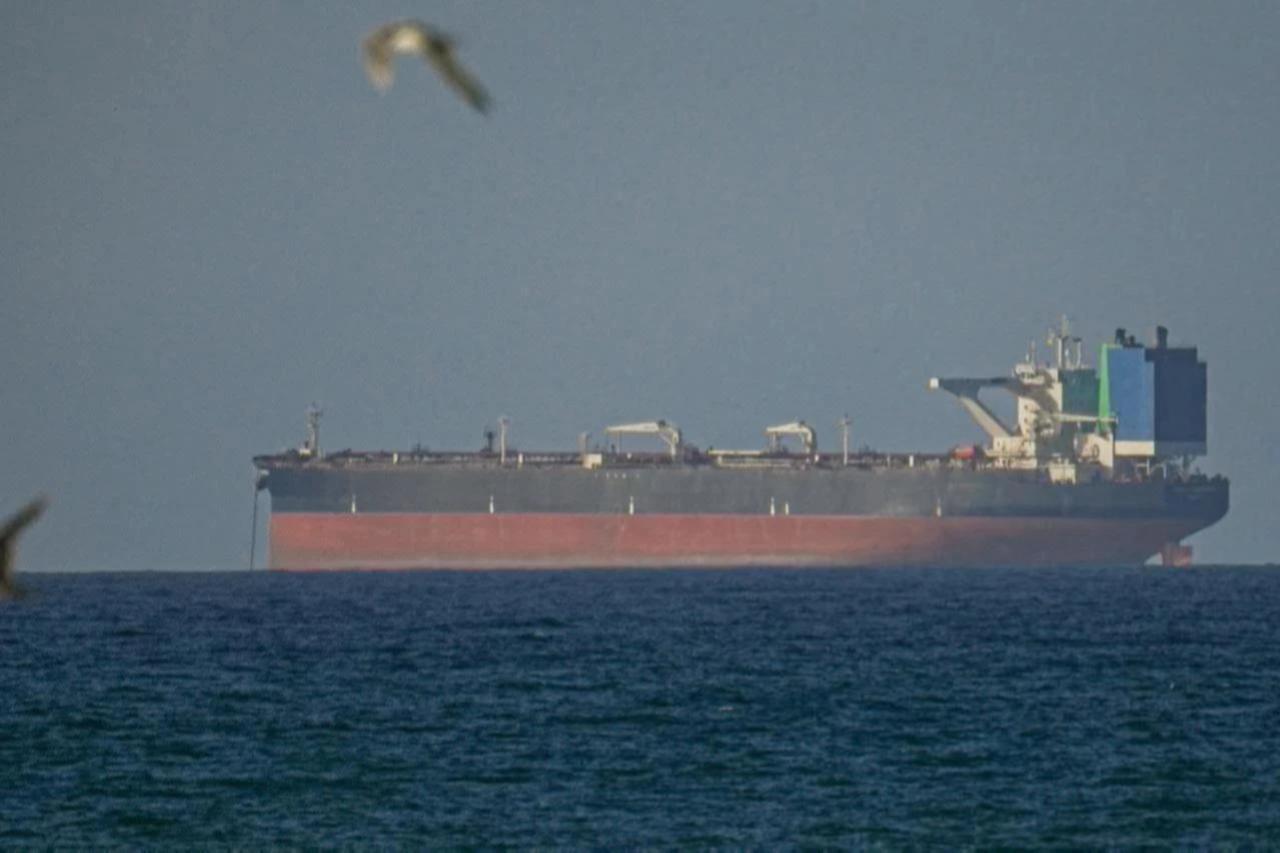


Iran’s Islamic Revolutionary Guard Corps said two oil tankers “hit mines, exploded and were disabled” several hours ago while attempting to pass through an unauthorized route in the Strait of Hormuz.
In a statement from the IRGC’s public relations office, the tankers had been encouraged by the U.S. military to abandon a legal route through the Strait of Hormuz before striking the mines.
The statement claimed their crews were removed before U.S. agents placed the vessels under their control for passage.
The IRGC did not identify the tankers or provide details about their cargo, ownership, or any possible casualties.
"Additional punishments have also been planned for maritime companies that, instead of following the legal route, are deceived by America and hand over their vessels to the enemy, and these will soon be implemented," the statement said.
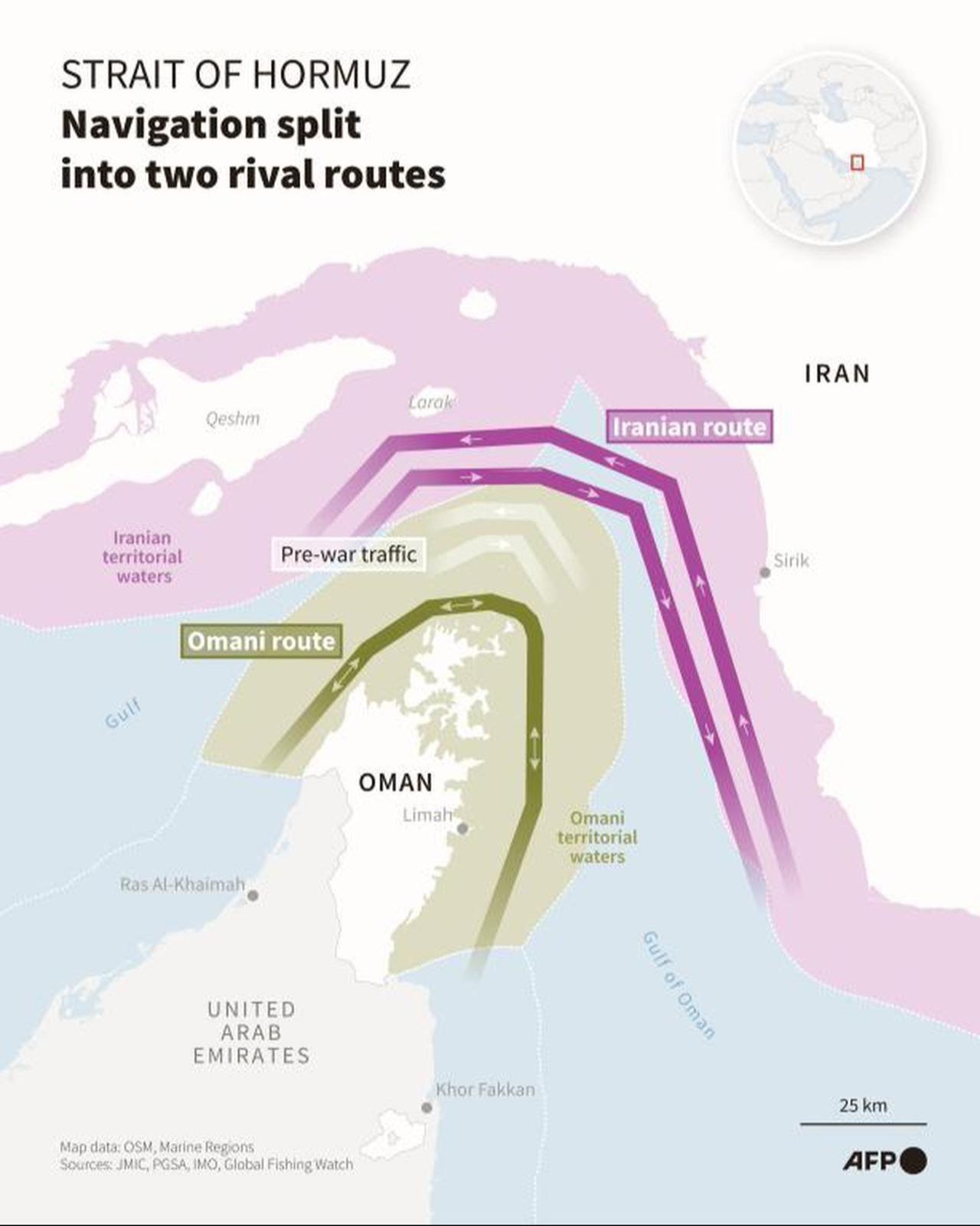
The IRGC refers to the southern corridor of the Strait of Hormuz, which runs through Omani waters along Oman’s coast, as an “unauthorized route” because it was established without coordination with Iranian authorities.
Iran and Oman have since been working on a temporary shipping corridor through the Strait, including joint efforts to clear mines and talks on longer-term navigation arrangements.
However, despite Iran announcing that the two sides had agreed on a temporary corridor, the waterway has not fully reopened, with further talks still needed to finalize the route and arrangements for traffic management, information sharing, and security services.

The incident follows renewed tensions between the U.S. and Iran around the Strait of Hormuz in recent days, a key route for global energy shipments.
U.S. forces struck Iranian military targets on southeastern Larak Island on Aug. 30 after Washington said Iranian forces were preparing to launch rockets carrying sea mines into the Strait of Hormuz.
The renewed fighting marked the first major U.S.-Iran military exchange since a monthlong lull. Iran responded with missile and drone attacks against U.S. positions in Jordan, Bahrain, Kuwait and Iraq.
The fighting further intensified on Tuesday after the U.S. launched a new wave of strikes on Iranian military sites, U.S. Central Command said.
Iran reported that the attacks also hit a residential home in Kuhehstek, a city in Sirik County in southern Iran’s Hormozgan province, where a wedding was being held, killing five people, including a child, and wounding dozens.
In response, the IRGC claimed that its forces struck the command post and quarters of a U.S. commander at Kuwait’s Ali Al Salem Air Base, killing some U.S. personnel and destroying drones and facilities, as part of wider attacks on U.S. positions in Jordan, Bahrain, the UAE and Erbil in northern Iraq.


 Set as preferred source
 Set as preferred source


 1 min read
 1 min read