Newsletters


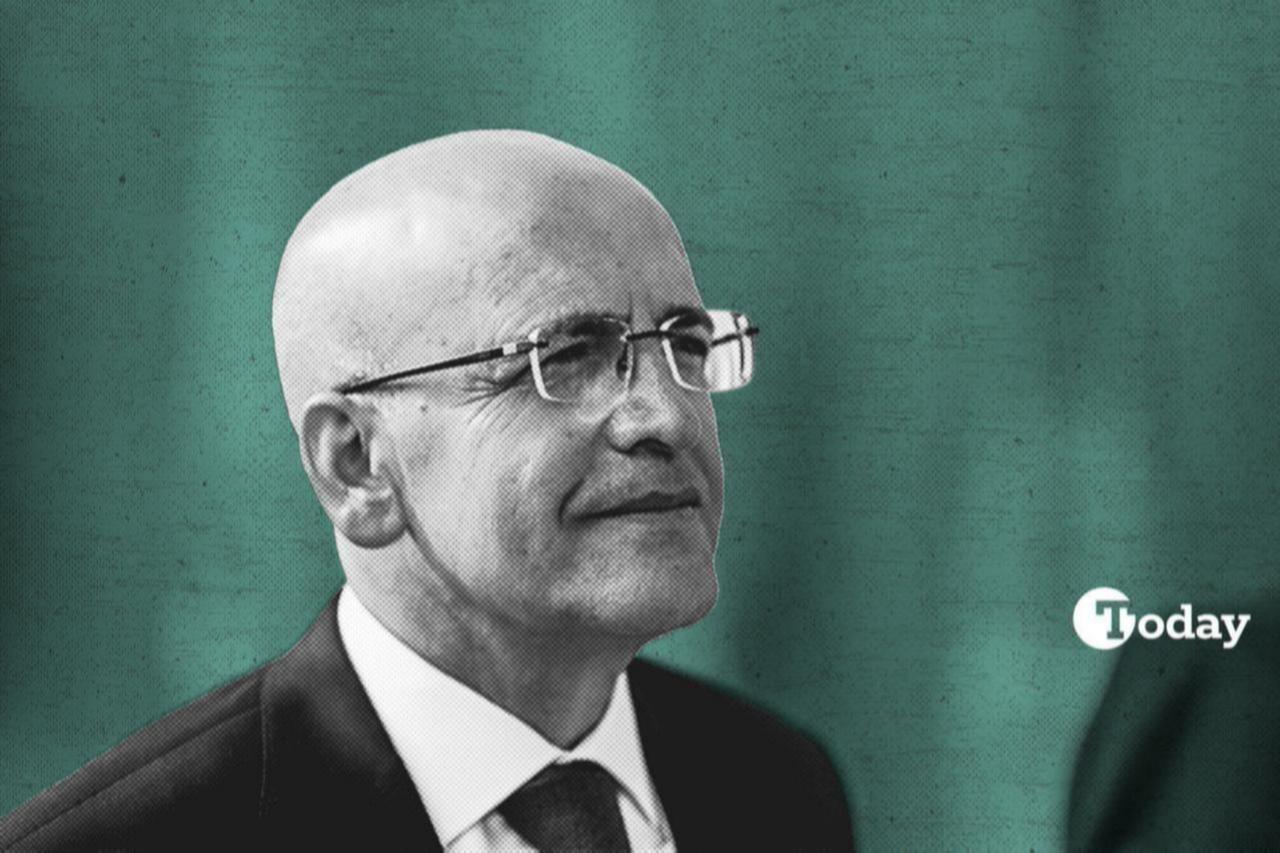


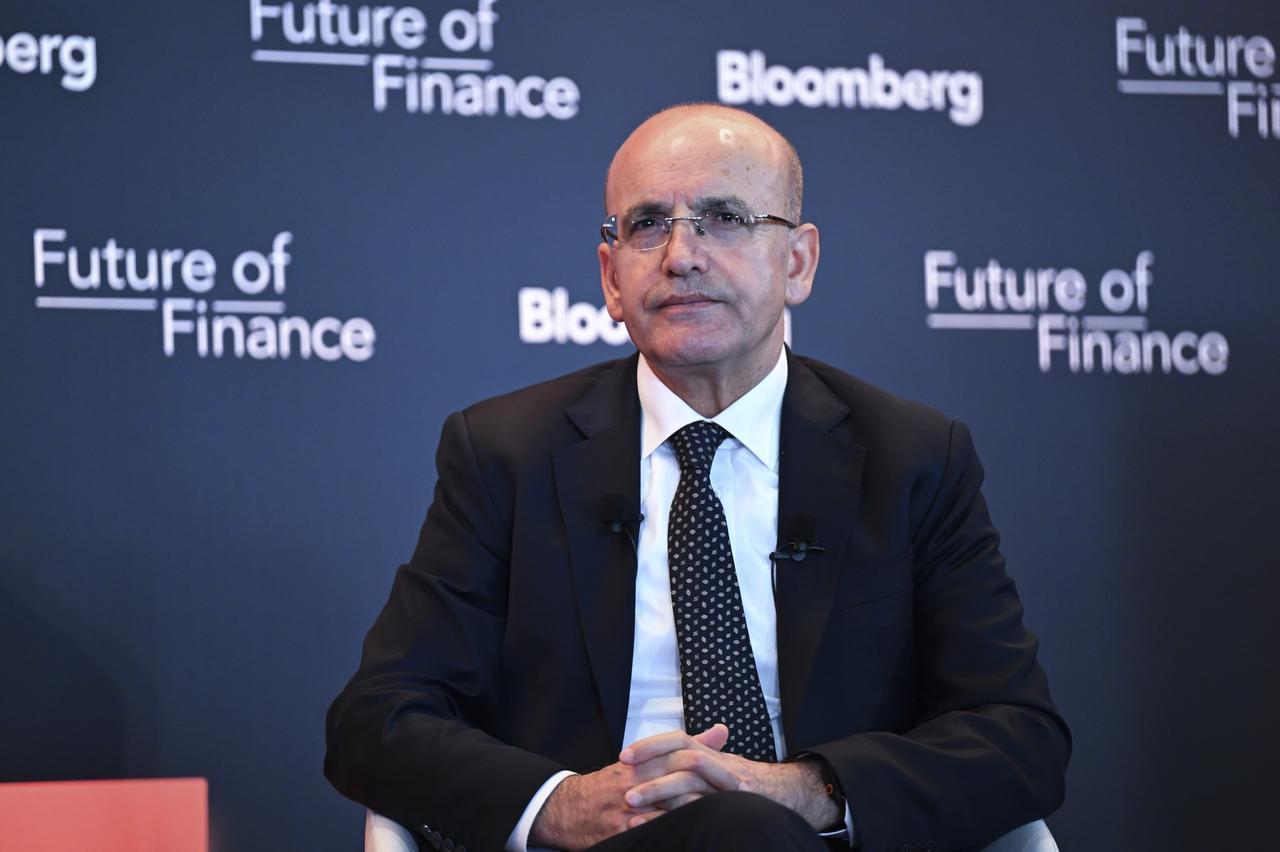
Treasury and Finance Minister Mehmet Simsek said on Friday that doubts about his position and the political backing of Türkiye’s economic program no longer influence investor sentiment, as foreign interest in the country’s outlook strengthens.
"Speculation about me, speculation about the future of the program, and negative rhetoric about its political ownership no longer finds a response," Simsek remarked, adding that investor concerns during international meetings that once centered on whether the economic program would continue have largely disappeared.
Simsek’s remarks came amid continuing criticism from pro-government circles advocating a return to looser monetary policy amid a slowing disinflation trend. In the latest pushback, Burhan Ozdemir, chairman of the pro-government Independent Industrialists’ and Businessmen’s Association (MUSIAD), publicly criticized the current policy trajectory this week, arguing that further monetary tightening and financing restrictions would not be sufficient to bring inflation down.
Speaking at a live broadcast, Simsek said the government’s disinflation strategy and economic resilience have helped reinforce investor confidence, even as monetary and fiscal policies remained tight. "There are not many countries in the world and in our region that have a strong story. Türkiye has a strong story," he said, pointing to steady growth alongside ongoing disinflation efforts.
He noted that investors now concentrate primarily on disinflation trends and broader macroeconomic fundamentals, signaling what he described as a return to more routine economic engagement.
According to Simsek, Türkiye’s disinflation program aims to unlock the country’s growth potential and achieve more sustainable expansion, while its strategic position and role as one of NATO’s strongest members continue to draw attention in a shifting global economic and geopolitical environment.

Simsek also pointed to renewed interest in direct investment, particularly from industrial groups. He said meetings with major Japanese companies were scheduled for early March, focusing on expanding real sector investment ties.
"Türkiye has become attractive again for direct investments, and we will tell our story," he said.
He recalled that a previous visit to Japan nearly a decade ago had focused largely on the real sector, adding that current demand for engagement has grown significantly, reflecting stronger confidence among international investors.


 Set as preferred source
 Set as preferred source


 2 min read
 1 min read