Newsletters


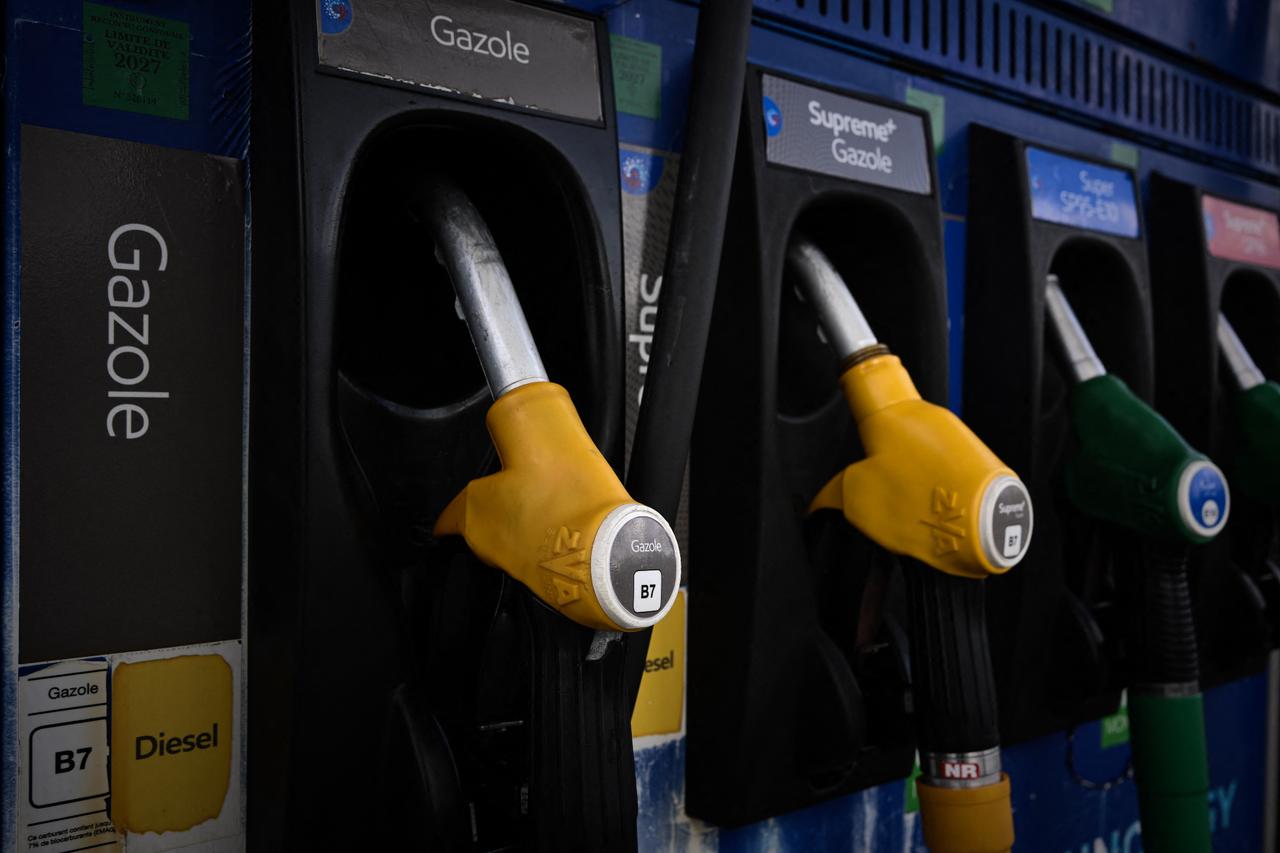


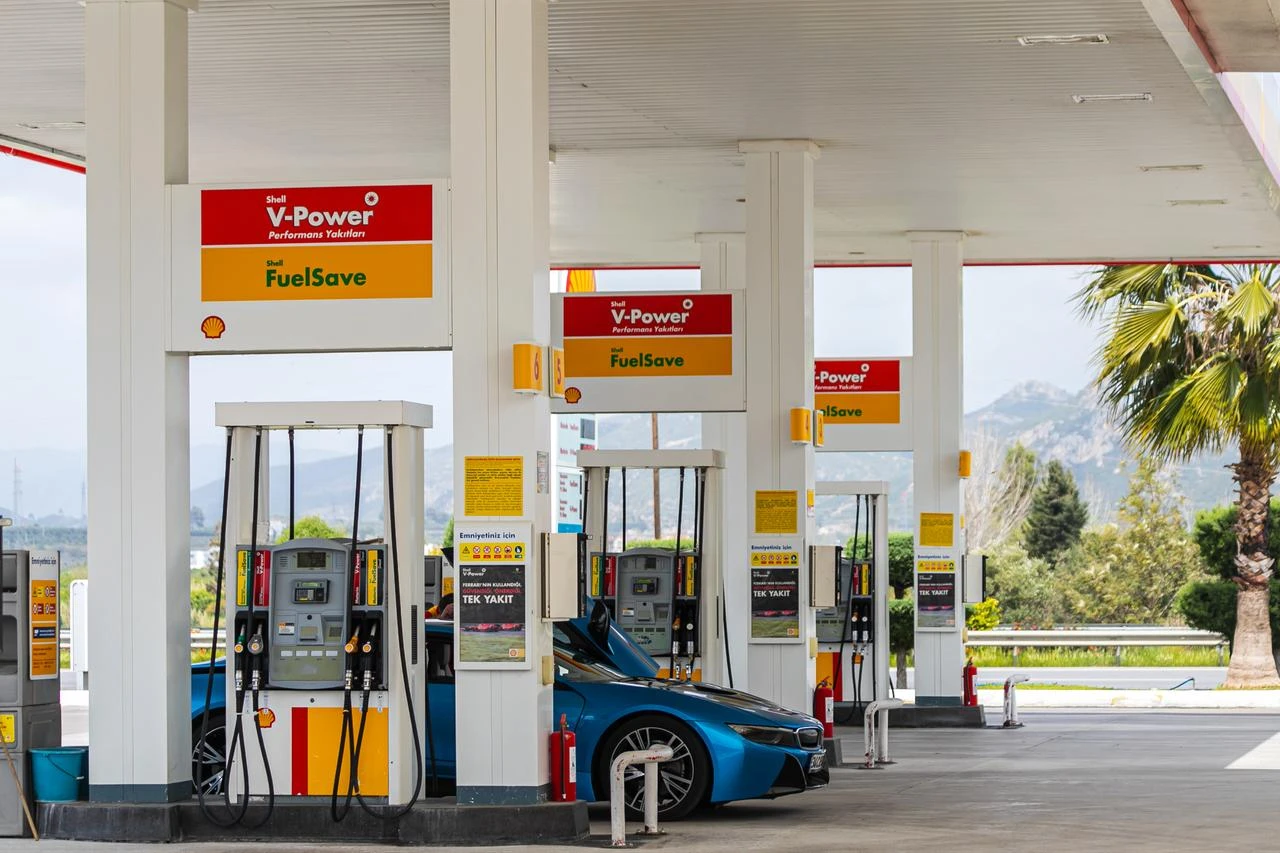
Fuel prices across major economies have surged to record highs since the Iran war began, as the disruption of oil shipments through the Strait of Hormuz has pushed crude prices above $100 per barrel.
The strait has been effectively closed after Iran warned it would target vessels crossing the waterway. Global maritime insurers have also withdrawn or sharply raised war-risk cover.
Traffic has collapsed as shipowners pull back, leaving hundreds of vessels stranded. The disruption has hit a route that typically carries around one-fifth of global oil flows.
The supply shock has fed directly into fuel markets, with higher crude costs lifting refining input prices and tightening availability of refined products across regions. Refineries operating below capacity and delays in cargo arrivals have also reduced output of gasoline and diesel, amplifying pressure on wholesale markets.
In the United States, the national average price of gasoline reached $3.91 per gallon on Friday, up about 90 cents since late February and marking an increase of more than 30% over the period. The sharp rise has brought prices close to the $4 per gallon level last seen in August 2022.
In response, the Trump administration introduced a 60-day waiver of the Jones Act, allowing foreign-flagged vessels to transport fuel and other goods between U.S. ports. The measure aimed to ease logistical constraints, though its effect on prices was expected to remain limited.
Across Europe, fuel prices have climbed to record levels in several countries, with diesel rising faster than gasoline as transport and logistics costs increase.
Data from the European Commission showed that price gains, initially more pronounced in Germany following the Feb. 28 escalation, have since spread across neighboring countries, narrowing regional price gaps. The Netherlands stands out as the most expensive gasoline market at €2,262 ($2,616.14) per 1,000 liters, followed by Denmark at €2,178, while Germany also remains on the higher end at €2,085.
UK fuel prices have reached their highest level in more than 18 months, with average unleaded petrol at 142.6p per litre and diesel at 163.0p per litre.
In Asia, Japan’s average gasoline price rose to a record 190.8 yen ($1.20) per liter this week, according to the Oil Information Center, marking an 18% increase from a week earlier and the highest level since comparable records began in 1990.
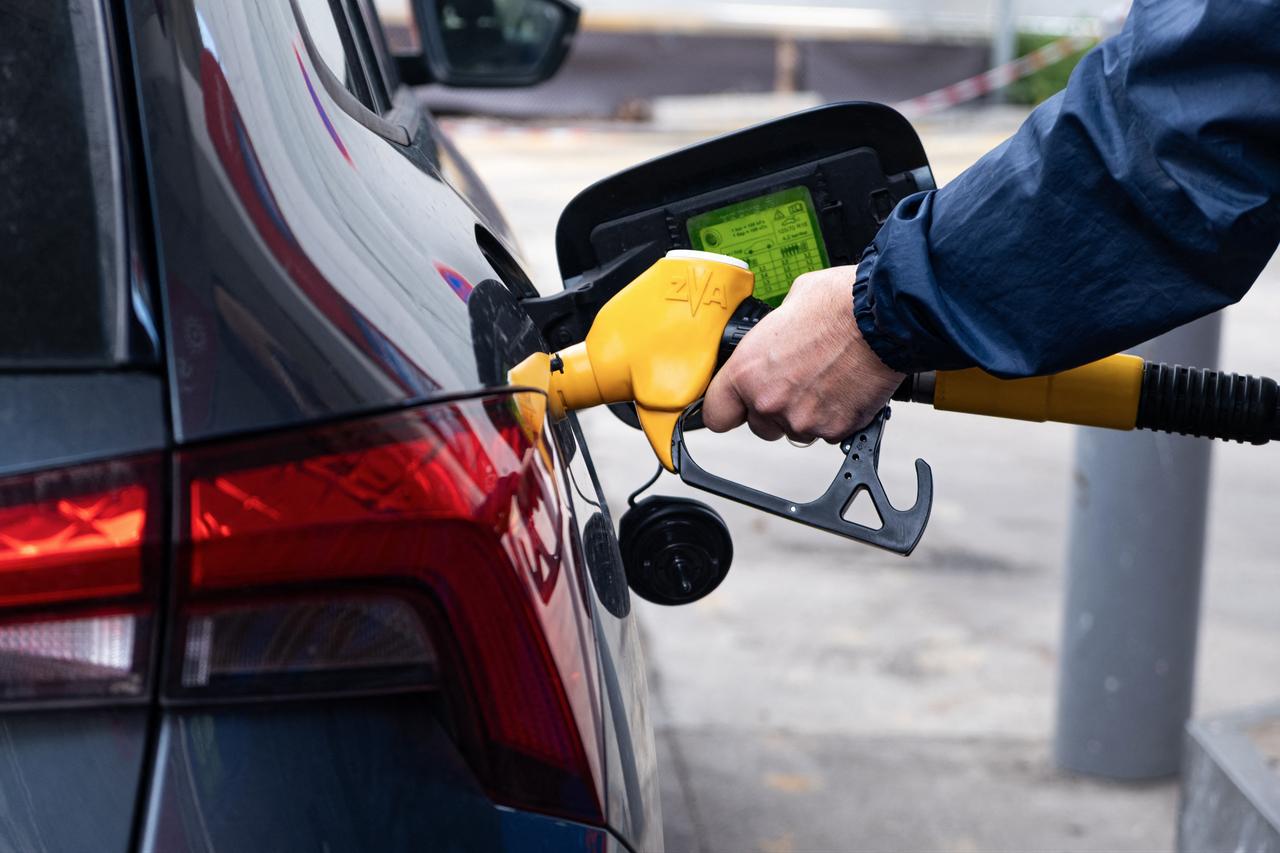

Higher fuel costs are beginning to filter through the wider economy, particularly in freight and logistics, where diesel prices have climbed sharply and increased the cost of moving goods. This has raised concerns about knock-on effects for consumer prices, as transport and energy costs feed into supply chains and retail pricing.
Amid these concerns, the world’s leading central banks, the U.S. Federal Reserve, the European Central Bank and the Bank of Japan, held their benchmark interest rates steady at policy meetings this week, underscoring the impact of rising energy prices and growing uncertainty on the global economic outlook.
The International Monetary Fund said Thursday it is closely watching how the war in Iran is affecting global inflation and growth, noting that no country has yet sought emergency support tied to the conflict. "If prolonged, higher energy prices will lead to higher headline inflation," IMF chief spokesperson Julie Kozack said during a briefing.
Economically vulnerable countries are expected to feel the impact first, as they have fewer financial safeguards and limited room to respond to external shocks, she highlighted.


 Set as preferred source
 Set as preferred source


 2 min read
 1 min read