

 Newsletters





Google said Tuesday it has appealed the European Union's decision requiring it to share data with other search engines and open up its Android system to rival AI services, citing privacy concerns.
Brussels had issued the order in July under the EU's flagship Digital Markets Act (DMA), which forces the world's biggest tech firms to open to competition in a bid to give users more choice. The law applies to companies designated as "gatekeepers," meaning large platforms that act as key access points between businesses and consumers.
"We're appealing decisions that will force us to share people's private search history without sufficient anonymisation and weaken vital security protections on Android," said Oliver Bethell, Google's senior director for competition.
Android is Google's mobile operating system, which runs on a large share of the world's smartphones.
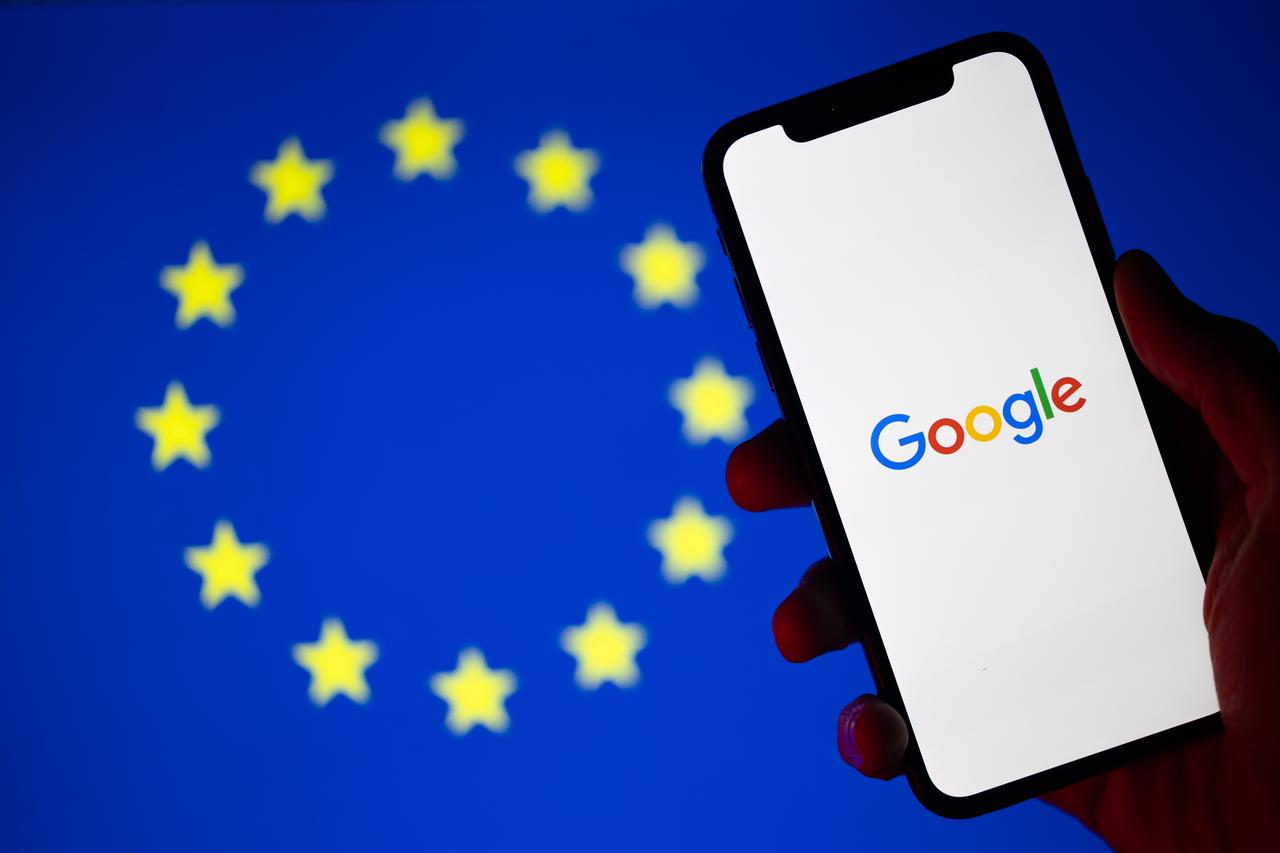

In July, the European Commission, the EU's executive arm, said Google must start sharing search data from January 2027 to "rebalance the playing field." The measure is intended to give competing search engines access to the kind of data that helps improve search results.
Changes to Android should kick in in July next year, and Brussels said it hoped they would lead to the emergence of alternatives to Google's AI services, such as Gemini, the company's artificial intelligence chatbot.
Google countered that Android is already open and interoperable, meaning it can work with other companies' products and services. The company said the EU decision forced it to hand over private search data to other firms without adequate anonymization, user knowledge, or consent.
"People use Search for their most personal questions, from medical worries to close relationships, and mandating we share these personal queries without adequate safeguards would cause irreversible harm to user privacy," said Bethell.
The appeal was filed with the Luxembourg-based Court of Justice of the European Union, the bloc's highest court, which rules on the interpretation and application of EU law.


 Set as preferred source
 Set as preferred source


 1 min read





 1 min read


