Newsletters


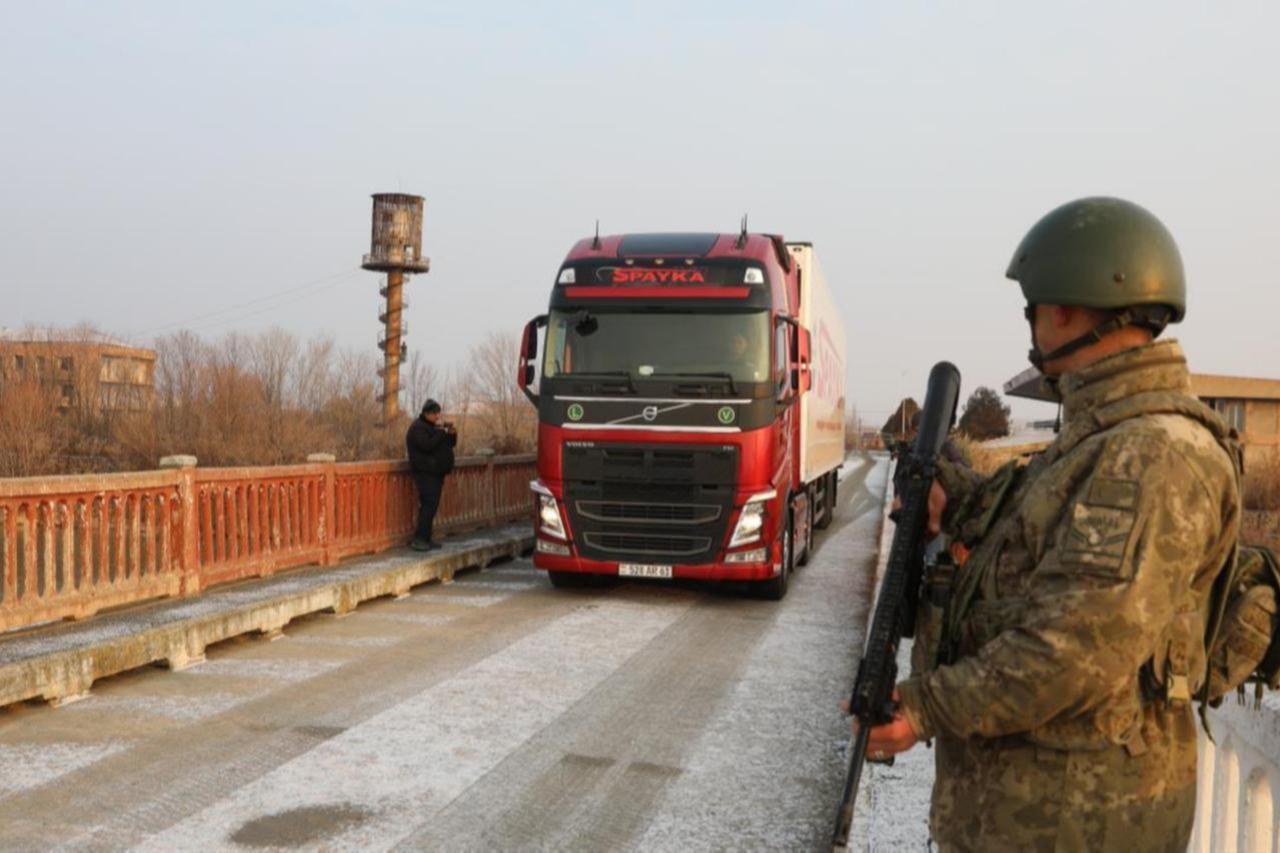


Turkish commercial truck operations have halted at two key border crossings with Greece following a farmers' strike that began blocking the roads on the evening of December 2, Türkiye's Ministry of Trade announced Thursday.
The Ipsala and Kipi customs gates, which handle significant cross-border freight traffic between Türkiye and Europe, have been unable to process TIR truck operations since Greek farmers closed the roads on their side of the border. The ministry also reported that striking farmers have blocked Greece's Ormenio customs gate on the Bulgarian border.
Turkish officials have sought exemptions for refrigerated trucks transporting perishable and essential goods, including fish, eggs, fruits, vegetables, flowers, medical supplies, and tankers carrying chemicals requiring ADR safety certification. The ministry statement did not indicate whether these efforts had succeeded.
The disruption appears set to widen across Greece's northern frontier. The ministry said it has received information that farmers plan to stage similar blockades at Greece's border crossings with both Bulgaria and Macedonia, where TIR operations will also be prevented.
According to the Turkish government's intelligence, the strike is expected to continue until December 15-21, creating potential disruptions for international freight movement through the region for up to three weeks.
The ministry emphasized the importance of redirecting commercial trucks to alternative customs gates during the strike period. Türkiye maintains several other border crossings with neighboring countries that could absorb diverted traffic, though such rerouting typically adds time and cost to freight operations.
The TIR system, established under the International Road Transport Convention, allows sealed commercial vehicles to cross international borders with simplified customs procedures. The blocked crossings represent critical arteries for trade between Türkiye and European Union markets.
The timing of the strike coincides with a busy period for cross-border commerce ahead of the year-end shipping season. Greek farmers have historically used border blockades as a pressure tactic during disputes over agricultural policy, subsidies, and production costs.
The ministry's public statement concluded with a formal notice to stakeholders about the ongoing situation, though it provided no details about the specific grievances driving the farmers' strike or the prospects for resolution through negotiations.


 Set as preferred source
 Set as preferred source


 1 min read

 1 min read