Newsletters


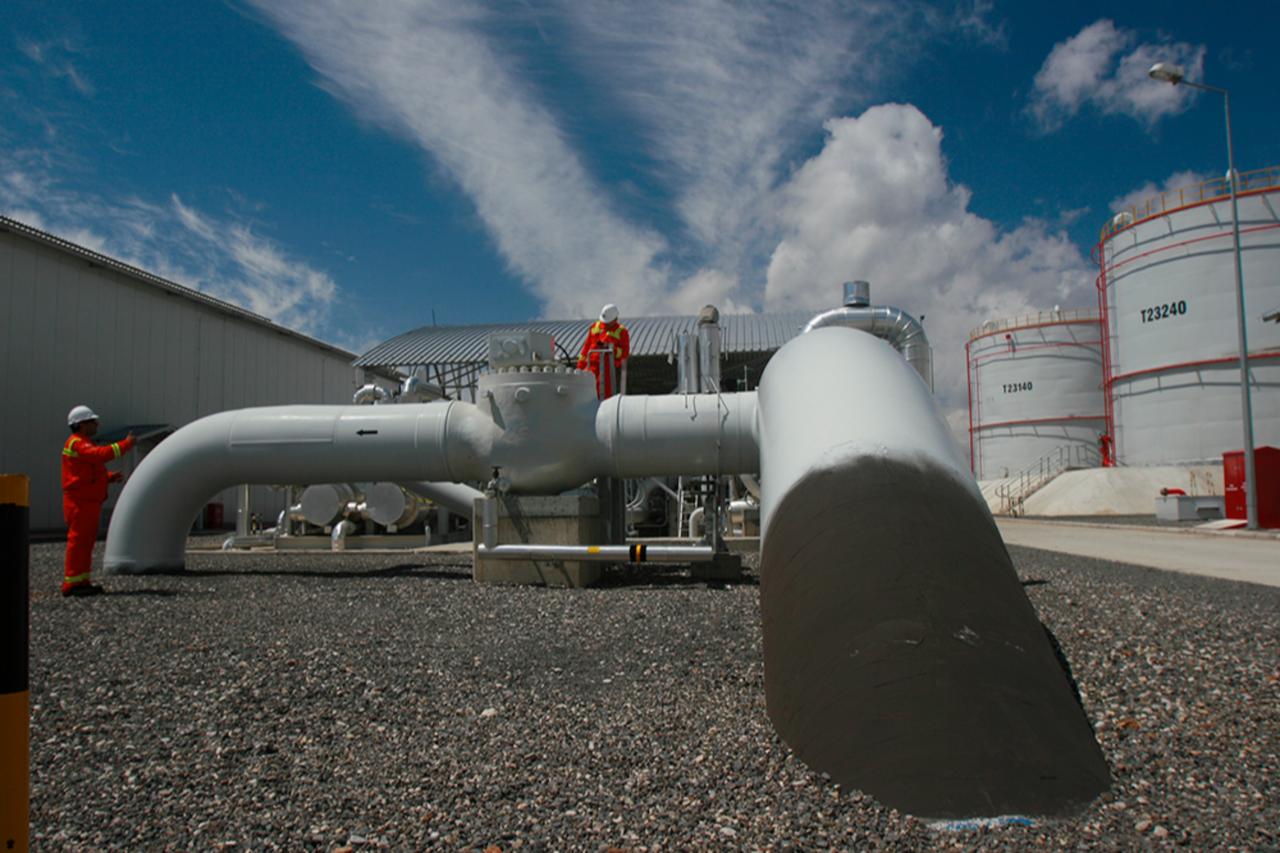


Concerns over the security of the Baku-Tbilisi-Ceyhan (BTC) pipeline resurfaced Tuesday after Iranian media carried remarks from an adviser to the commander of Iran’s Islamic Revolutionary Guard Corps (IRGC), who claimed Tehran would move against what he described as enemies’ oil supply routes.
The statement has heightened concerns that the BTC pipeline could be among the potential targets, Middle East Eye reported, citing several Arab sources.
The Baku-Tbilisi-Ceyhan (BTC) pipeline is one of the region’s major oil routes, carrying crude from Azerbaijan’s Azeri-Chirag-Gunashli oil fields in the Caspian Sea basin to the Mediterranean port of Ceyhan in southern Türkiye, providing a key export link to European markets.
The pipeline has a transport capacity of 1.2 million barrels per day, and British energy giant BP holds the largest stake at 30%.
Separately, Reuters reported that loadings of Iraq’s Kirkuk crude at Türkiye’s Ceyhan port stopped on March 3, citing a shipping source. Exports from northern Iraq had resumed in late September after a two-year halt, following an interim agreement between Baghdad and Erbil covering shipments of between 180,000 and 190,000 barrels per day.
There was no immediate indication in the reports that the suspension was directly linked to the latest statements from Tehran.
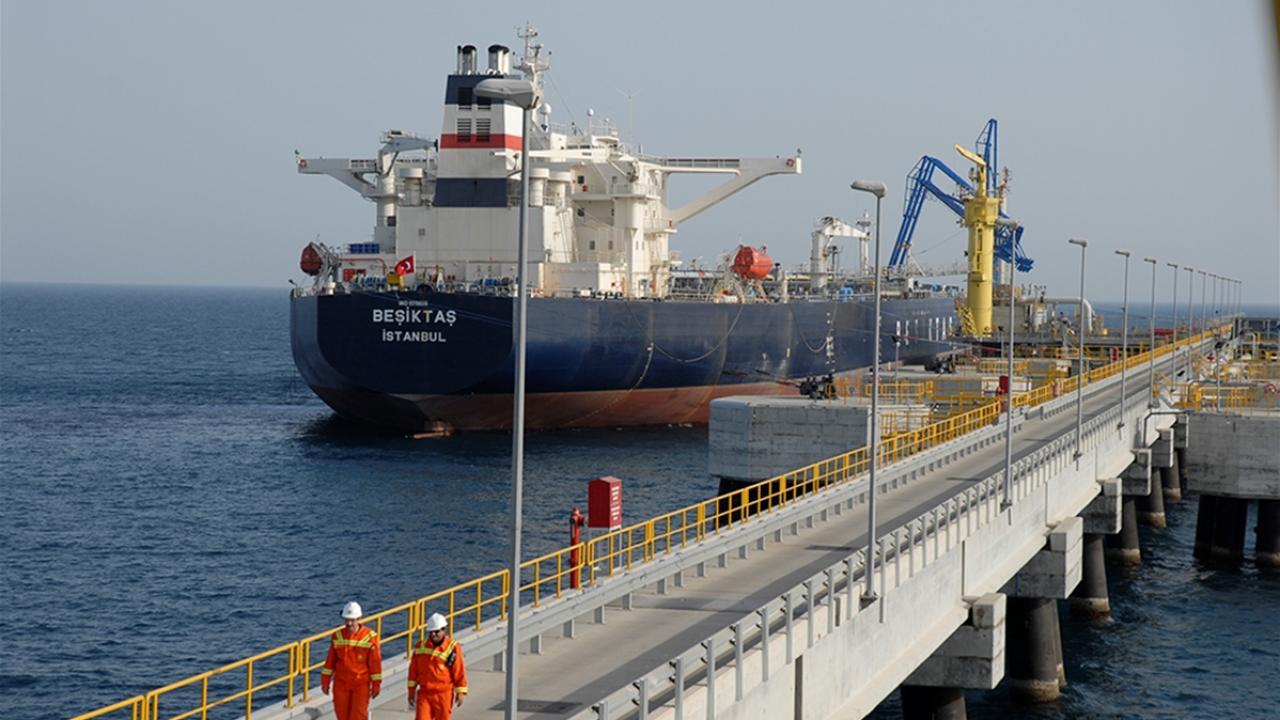

Following the U.S.-Israel joint airstrikes that began over the weekend, Iran launched retaliatory missile and drone attacks across multiple Gulf states hosting U.S. military and allied bases, striking key oil and gas facilities in Qatar, Saudi Arabia, the United Arab Emirates and Oman.
Qatar’s liquefied natural gas (LNG) production at Ras Laffan, which accounts for about 20% of global liquefied natural gas supply, was halted after processing plants were hit, while Saudi Arabia’s Ras Tanura oil refinery shut operations following a drone strike.
The UAE said hundreds of missiles and drones were launched by Iran, most of them intercepted, though debris fell near energy infrastructure. Oman reported attacks on Duqm Port and oil tankers offshore.
Shipping through the Strait of Hormuz, a chokepoint for roughly 20% of global oil and gas exports, was severely disrupted as Tehran threatened action against vessels attempting transit, pushing energy markets higher. Brent crude rose above $85 per barrel for the first time since July 2024.


 Set as preferred source
 Set as preferred source


 1 min read

 1 min read