Newsletters


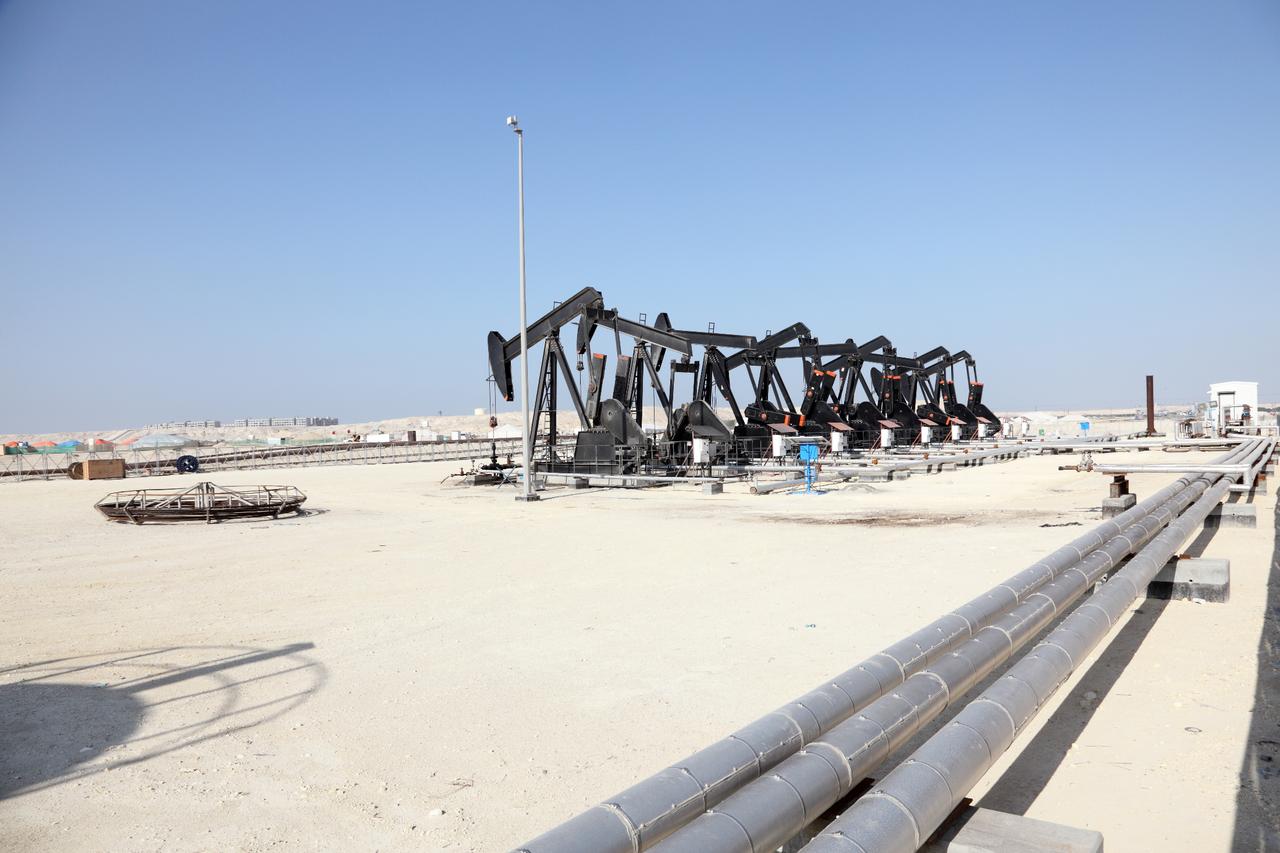


Oil producers across the Gulf region have reportedly reduced output by up to 6.7 million barrels per day, cutting roughly 6% of global supply as shipments through the Strait of Hormuz remain severely constrained.
The production cuts largely stem from storage facilities nearing capacity, as crude continues to accumulate amid export disruptions, leaving producers with limited room to store additional oil.
People familiar with the matter told Bloomberg that Saudi Arabia, the world's leading oil exporter, accounted for the largest share of the cuts, reducing output by 2 million to 2.5 million barrels per day.
Iraq lowered production by about 2.9 million barrels per day, while the United Arab Emirates scaled back output by 500,000 to 800,000 barrels per day. Kuwait trimmed roughly 500,000 barrels per day.
Oil prices swung sharply in global markets. After climbing more than 30% on Monday to $119 per barrel, crude fell around 8% on Tuesday to about $80 per barrel.
The pullback followed comments from U.S. President Donald Trump, who suggested the conflict involving Iran may conclude soon and said the United States could intervene if the Strait of Hormuz is obstructed.
Trump said the war would not end within the week but would end “very soon,” adding that the United States “could do a lot” regarding the strait if shipping is blocked. He also said the waterway remains open and that vessels have continued entering the passage while he considers further action.
The U.S. administration also plans to ease certain sanctions on oil-producing countries after a phone call between Trump and Russian President Vladimir Putin, a move intended to help stabilize energy prices.
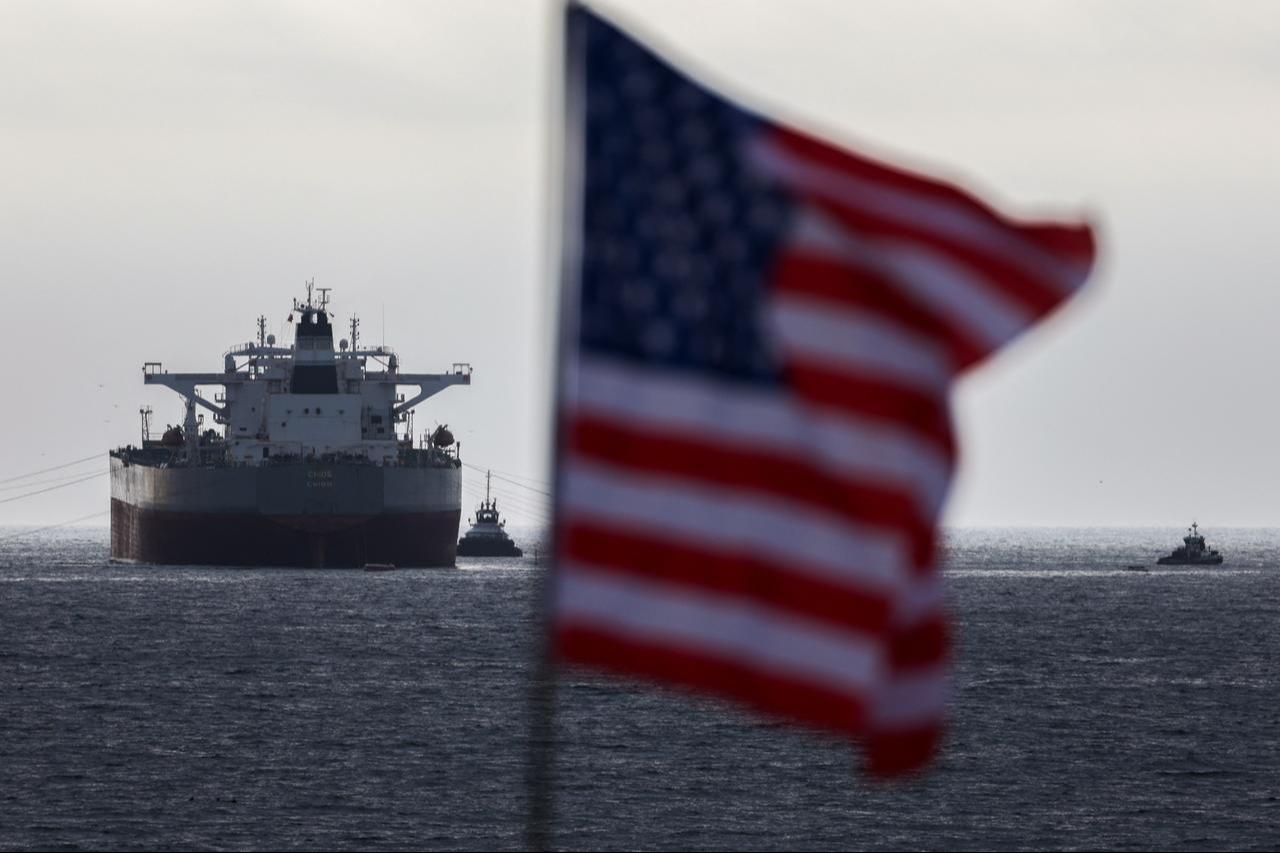

Despite the recent price decline, energy producers remain cautious about the prolonged disruption. During the company’s 2025 earnings call, Saudi Aramco Chief Executive Amin H. Nasser warned the consequences could escalate if shipping through the strait remains restricted.
"There would be catastrophic consequences for the world’s oil markets the longer the disruption goes on, and the more drastic the consequences for the global economy," Nasser said, describing the situation as "by far the biggest crisis the region’s oil and gas industry has faced."
Nasser added that the company is preparing for multiple scenarios to maintain supply flexibility. "We work on various scenarios to make sure the system has ample storage flexibility; internationally, we can tap our global storage hubs," he said.
The Strait of Hormuz is one of the world’s most important maritime routes for energy shipments. Around 20 million barrels of oil per day typically pass through the waterway, representing roughly one-fifth of global supply.


 Set as preferred source
 Set as preferred source


 1 min read
 1 min read