Newsletters


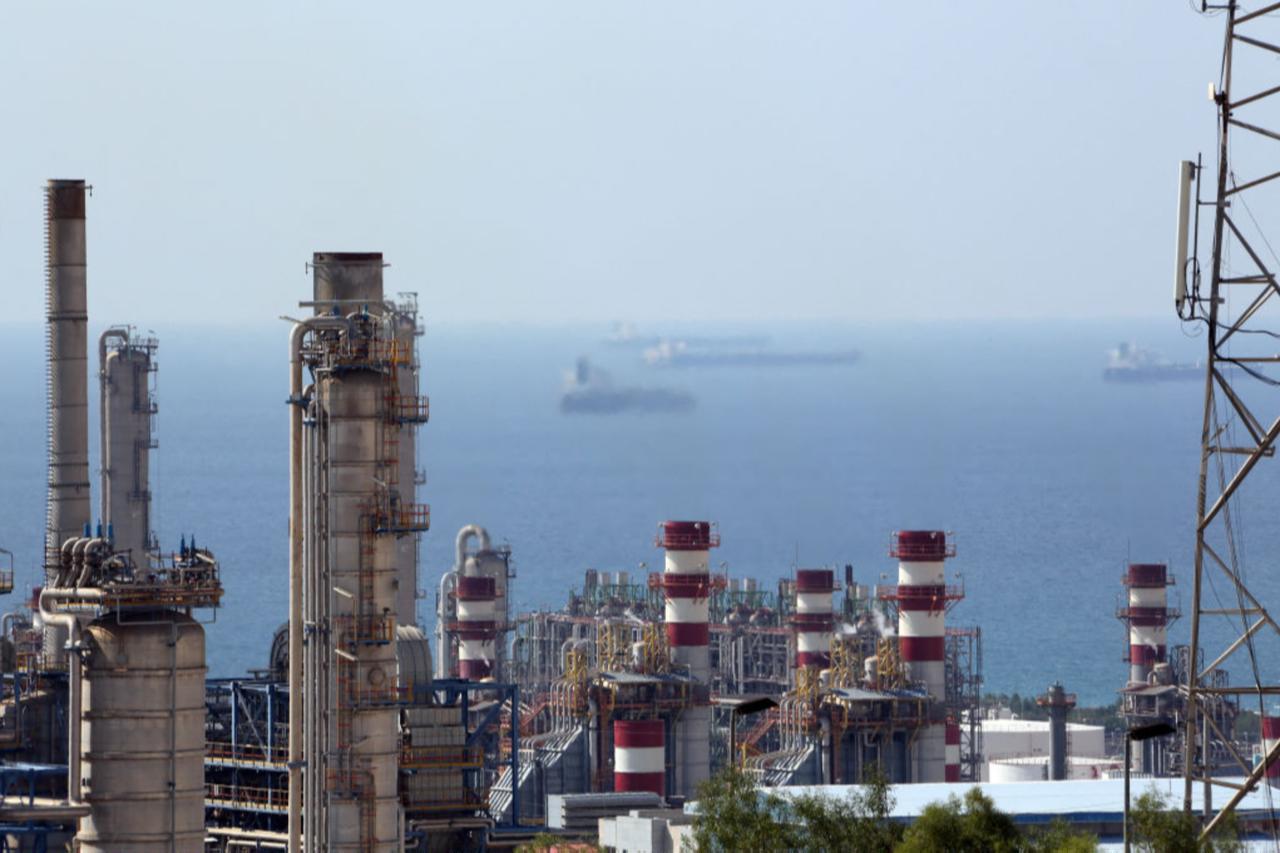


Iran has stopped natural gas exports to Türkiye following an Israeli strike on the South Pars gas field on March 18, Bloomberg reported on Tuesday, citing people familiar with the matter.
European gas futures remained approximately 70% above pre-war levels, and the duration of the halt remains unclear.
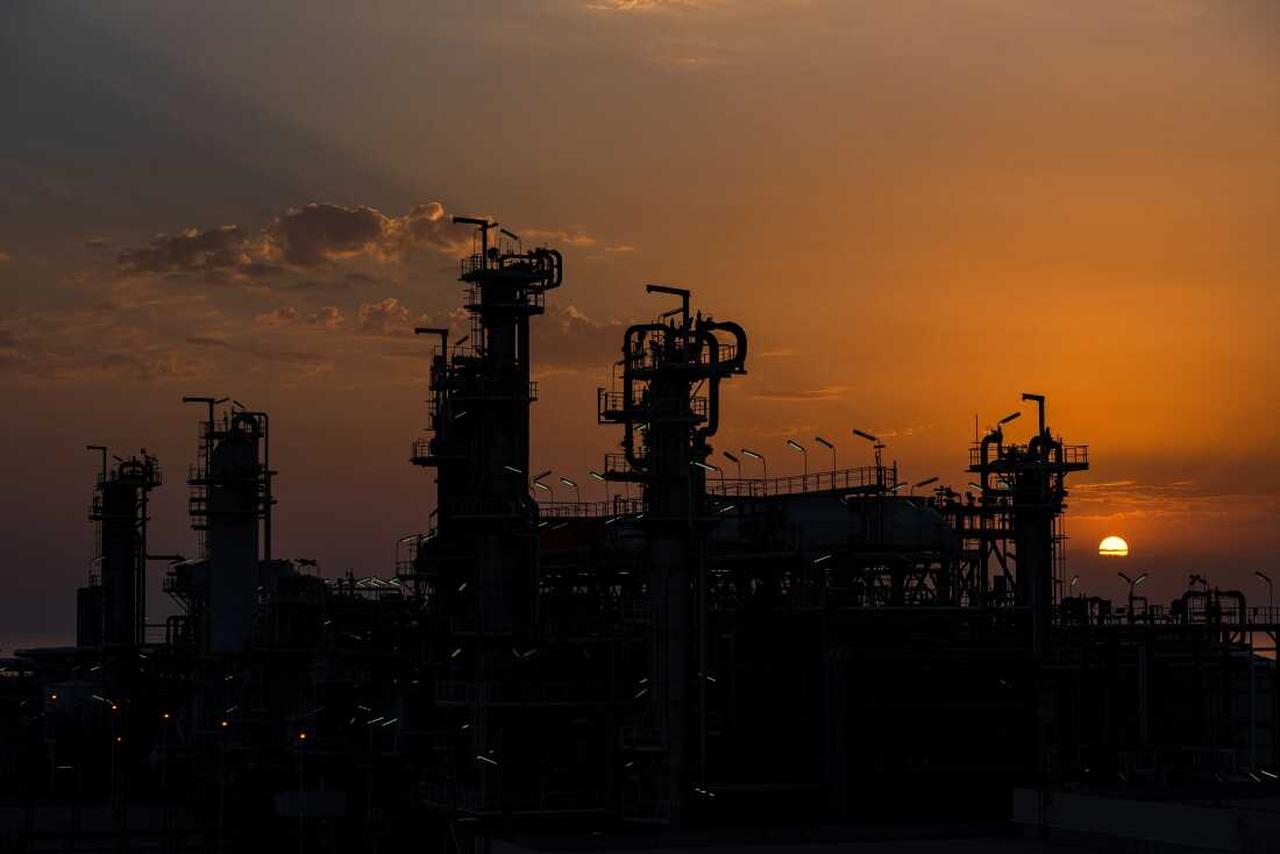

Türkiye bought approximately 14% of its natural gas from Iran last year, according to data compiled by the Turkish Natural Gas Distributors Association by Bloomberg.
Bloomberg claimed that 75% of the flow from Iran to Türkiye had already been cut in the immediate aftermath of the South Pars strike before the full halt was implemented.
It is unclear how long the interruption will last, according to the report.
Türkiye is continuing to import gas from its main suppliers, Russia and Azerbaijan, and has stockpiles available, sources told Bloomberg, asking not to be named because the information is private.
Turkish Energy Minister Alparslan Bayraktar said in November 2025 that the country's gas storage of 6.3 billion cubic meters had reached full capacity.
Türkiye consumed an average of 230 million cubic meters of gas per day in March last year.
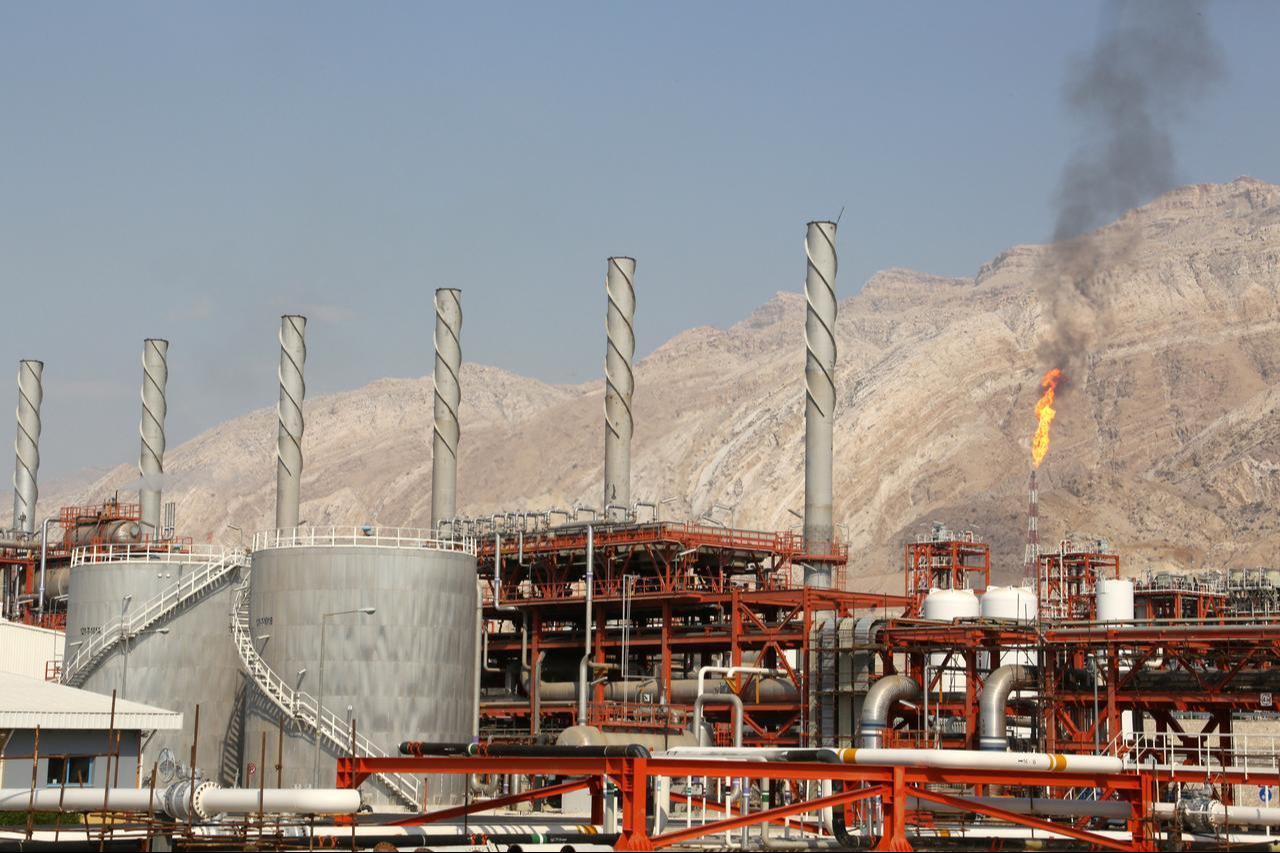
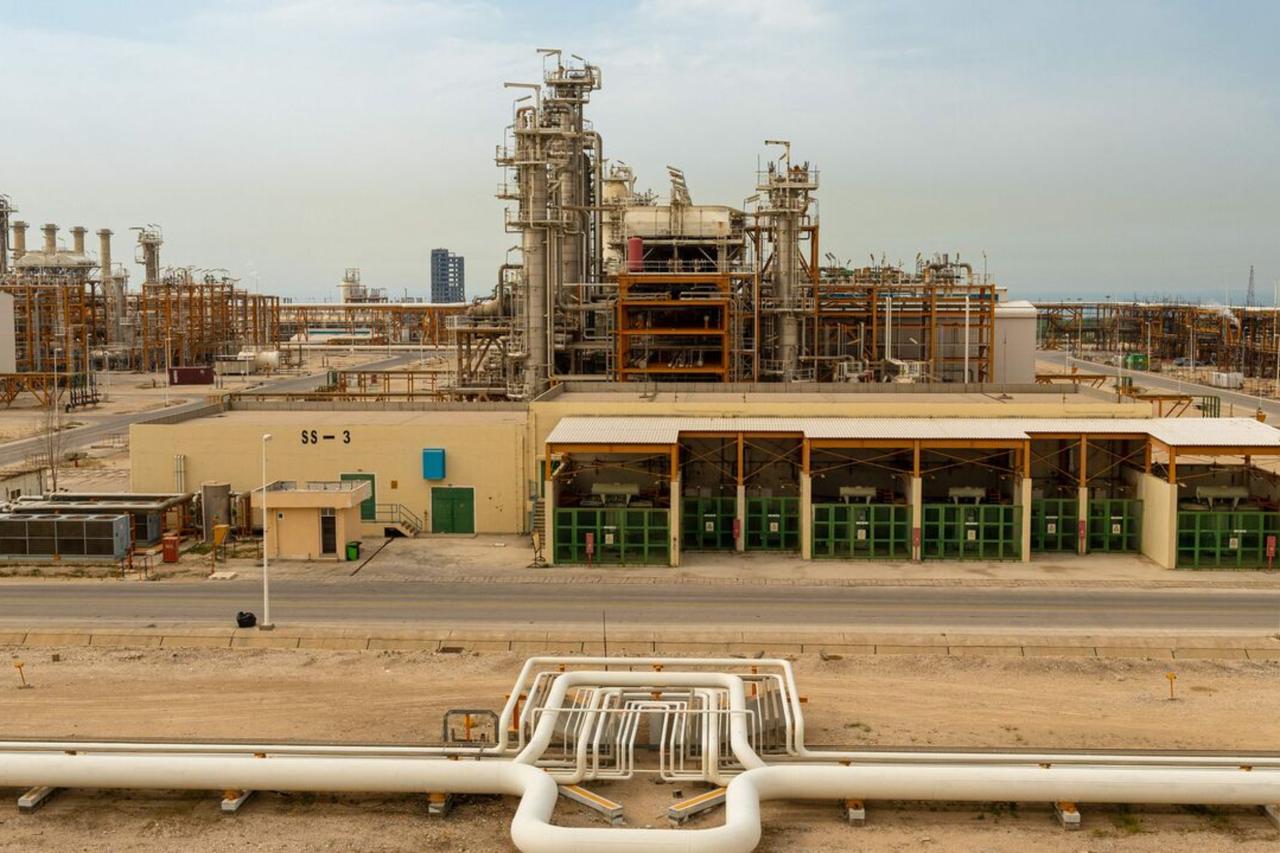
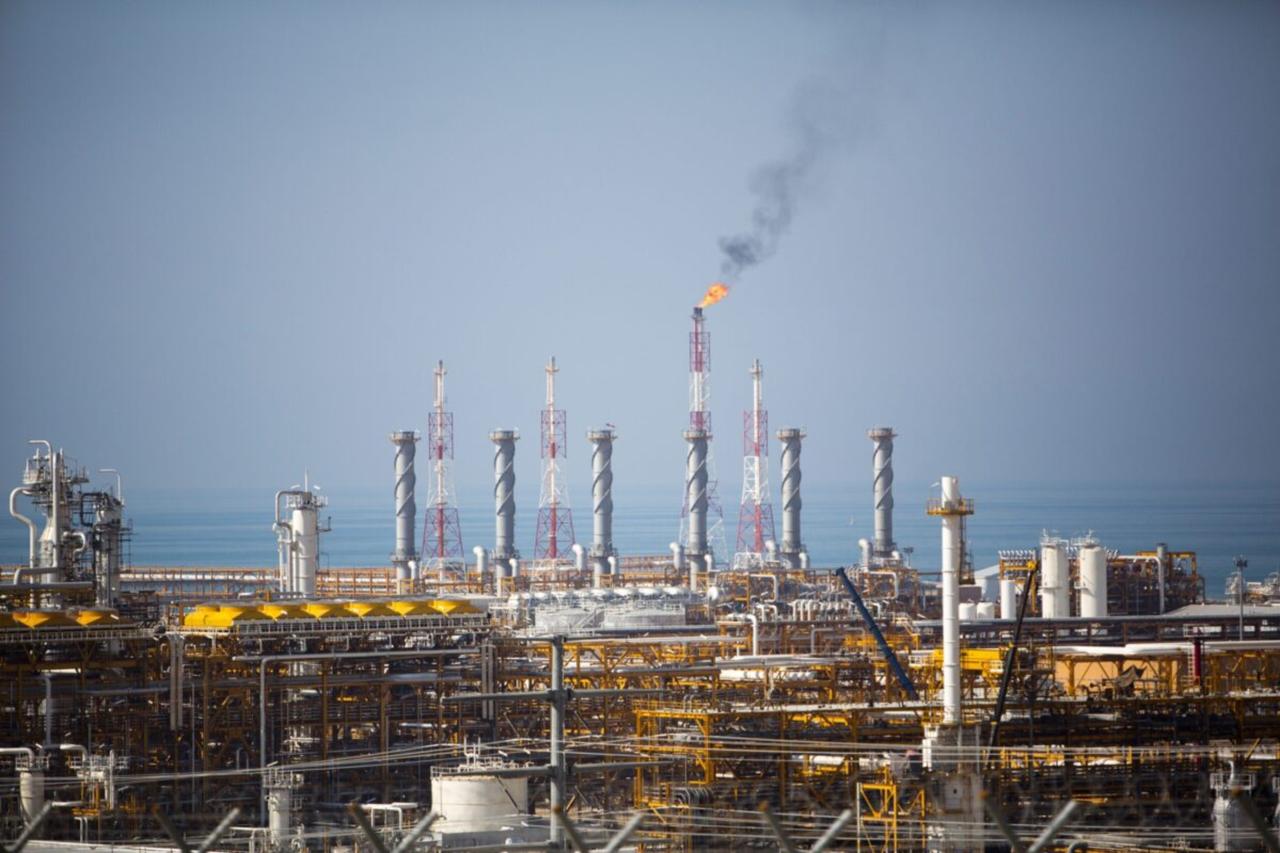
South Pars, the world's largest natural gas field, was struck by Israel on March 18.
Tehran retaliated with attacks on energy assets across the Gulf, including the Ras Laffan complex in Qatar, which produces approximately a fifth of the global liquefied natural gas (LNG) supply.
South Pars is vital for both Iran's domestic electricity generation and its exports.
Iran also cut gas flows to neighboring Iraq following the attack, though they have since partially resumed, Iraq's electricity ministry said Monday.
Even in peacetime, Iran has at times suspended gas exports to Türkiye, citing technical problems, with reductions usually occurring during winter months when domestic demand in Iran's northern areas is high.
 2 min read
South Pars is the world's largest natural gas field, shared between Iran and Qatar in the Persian Gulf.
Daily gas production at South Pars reached a record 730 million cubic meters in 2025, according to the Iranian oil ministry news service Shana.
The combined impact of the South Pars strike and Iran's retaliatory strikes on Gulf energy assets sent European gas futures to their highest level in over three years.
Prices remained approximately 70% above pre-war levels as of Monday afternoon Istanbul time.


 Set as preferred source
 Set as preferred source


 1 min read