Newsletters


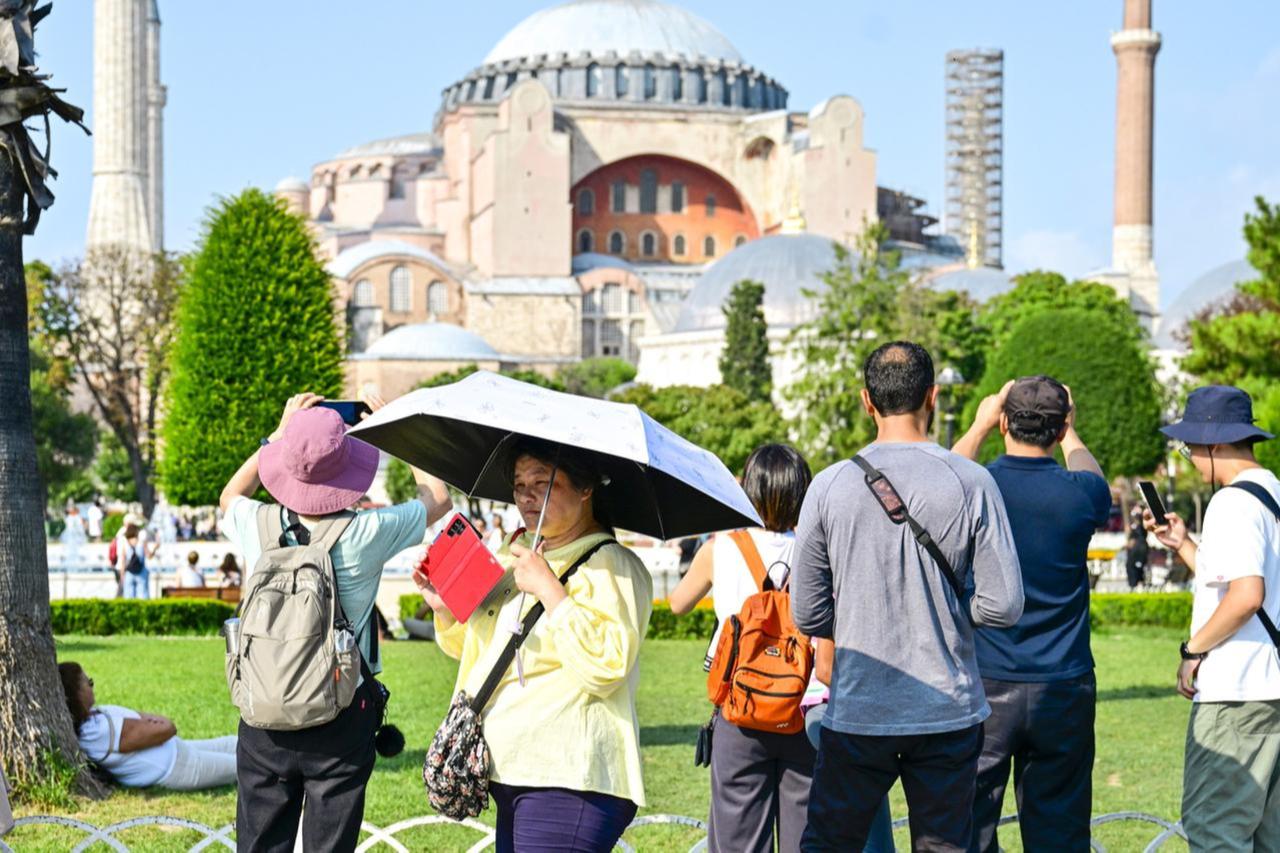


Escalating tensions in the Middle East have begun to reshape travel plans and property investment decisions, as regional instability prompts cancellations and forces investors to reassess risk.
Following U.S. and Israeli strikes on Iran and Tehran’s retaliatory missile attacks across the region, tourism operators report growing uncertainty.
Dubai, long viewed as a stable Gulf hub for tourists and investors, was among the targets. Industry representatives say the developments have affected both holiday bookings and cross-border property flows.
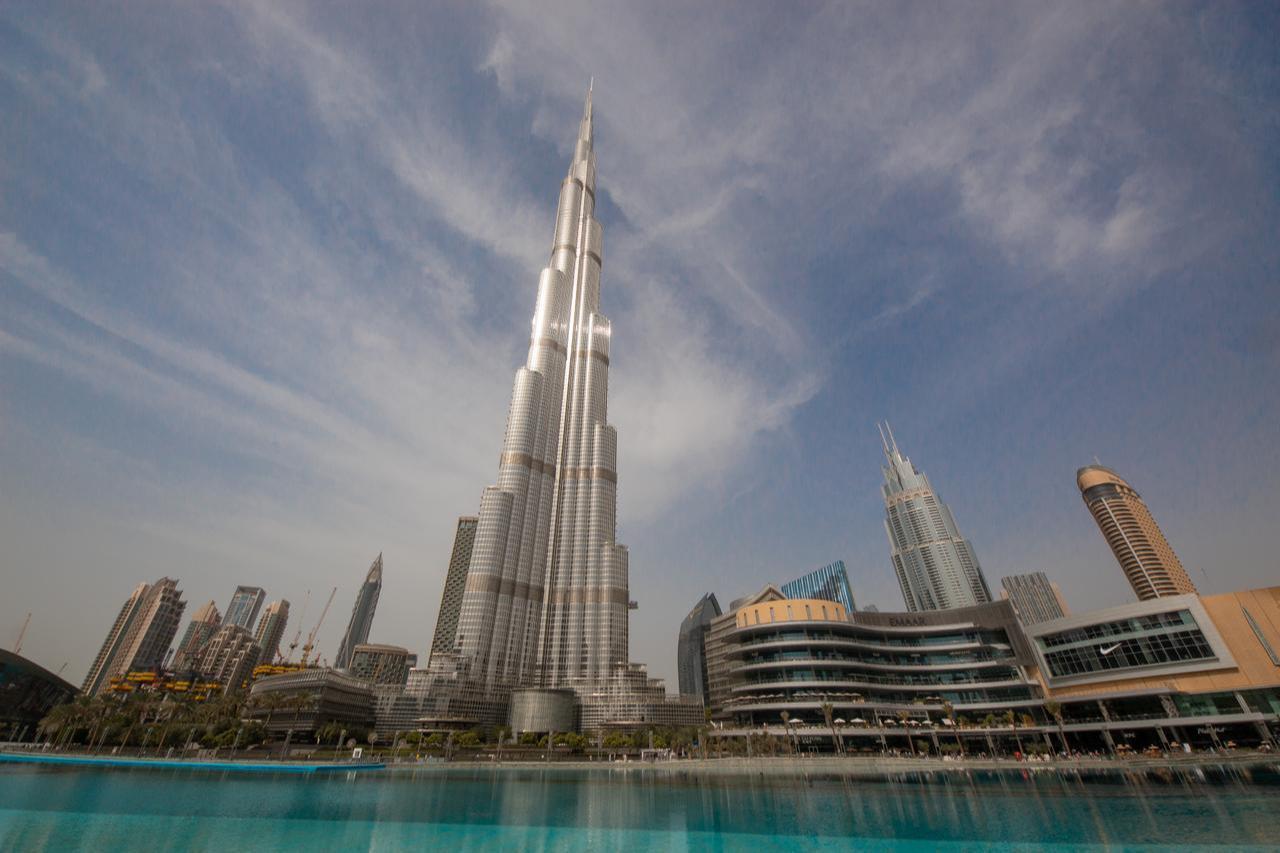

According to reporting by Türkiye Daily, travellers who had booked Ramadan Bayram and summer tour packages to Gulf countries, particularly Dubai, have started filing cancellation requests.
Tour companies have responded cautiously. Sector representatives say they expect tensions to ease before the Eid holiday and maintain that the summer season could still stabilize.
Despite this, some consumers insist on using “force majeure” clauses to secure cancellations.
International operators also report that travellers who planned visits to Dubai and other Gulf destinations are being offered alternative European tour packages.
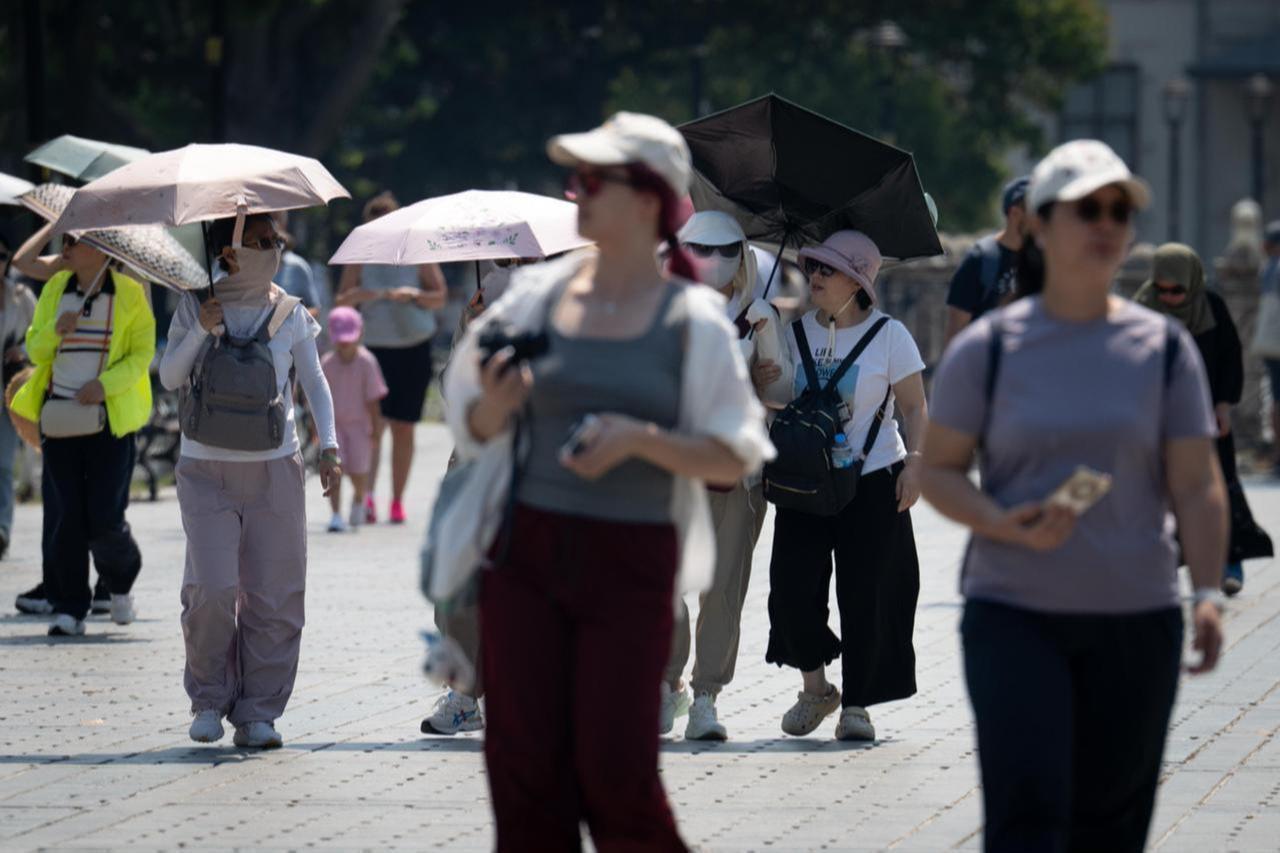
As travelers reconsider Gulf destinations, industry representatives say Türkiye is gaining redirected demand. Tour operators and sector sources point to several early indicators:
Industry sources continue to express expectations that tensions may ease before the Eid holiday. Booking patterns in the coming weeks will likely determine whether the shift toward Türkiye extends into the summer season.
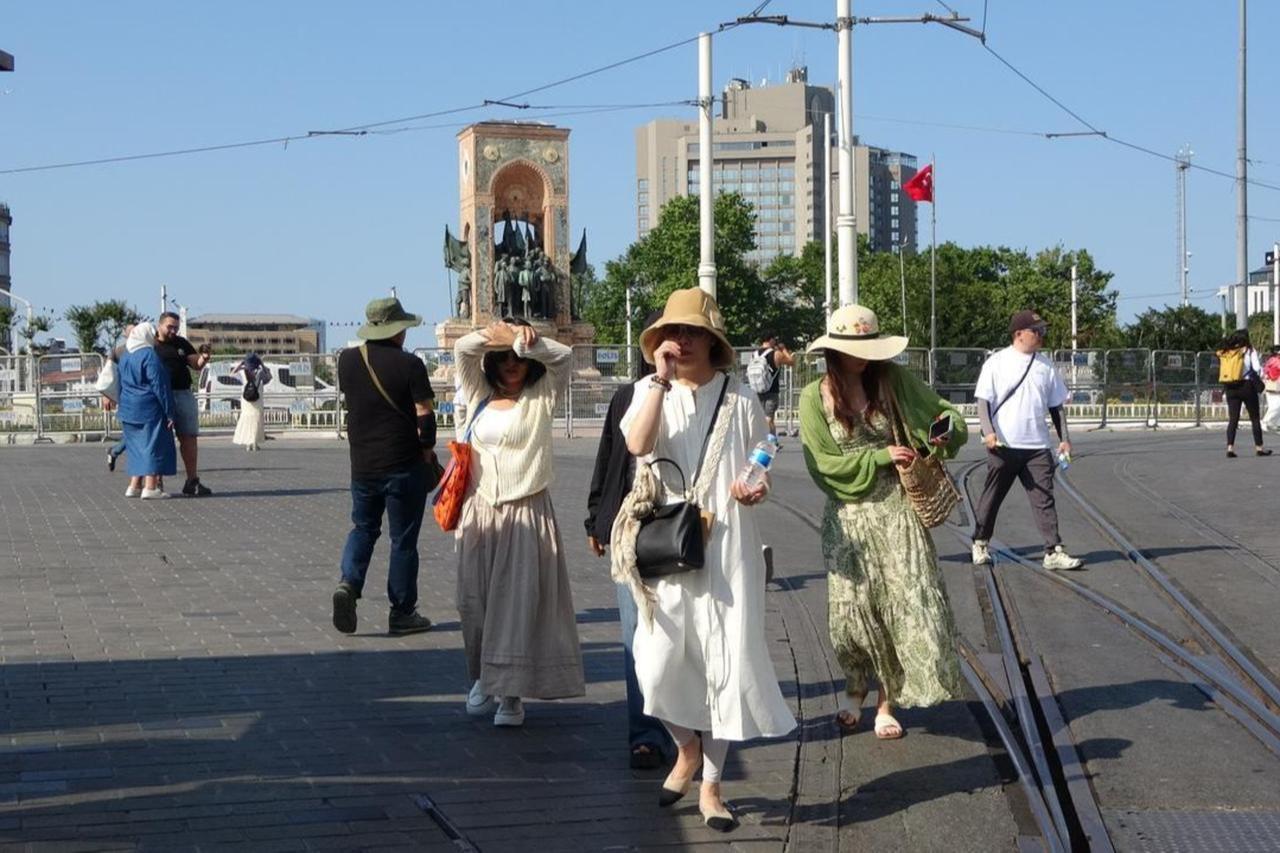
The impact extends beyond tourism. Real estate markets are also reacting to geopolitical risk.
Real estate valuation expert Erkan Demir said the conflict could trigger a new wave of migration and investment. He noted that Iranian citizens frequently travel to Türkiye and already show strong housing demand.
“Those who do not want to remain in their country may turn to Türkiye as an alternative to Europe,” Demir said. He added that in a search for a safe haven, Türkiye could regain prominence. “With the effect of war and fear-driven migration, demand for ready housing in Türkiye may increase,” he said.
Demir also stated that local and foreign real estate agencies that shifted operations to the United Arab Emirates in recent years could return to the Turkish market.
Official data show how sharply Turkish investment in Dubai has risen in recent years.
According to the Turkish Statistical Institute, Turkish investors purchased $216 million worth of real estate in Dubai between January and November 2021.
In the same period of 2025, that figure rose to $2.61 billion, a twelvefold increase. By the end of 2026, total investment is projected to reach between $6 billion and $7 billion.
Turkish nationals rank among the top five buyers among 200 nationalities purchasing property in Dubai.
Both tourism and property sectors face heightened uncertainty, as tensions continue. The period leading up to the Eid holiday and the summer travel season will likely determine whether Türkiye sees a sustained shift in demand from the Gulf.


 Set as preferred source
 Set as preferred source



 1 min read