Newsletters


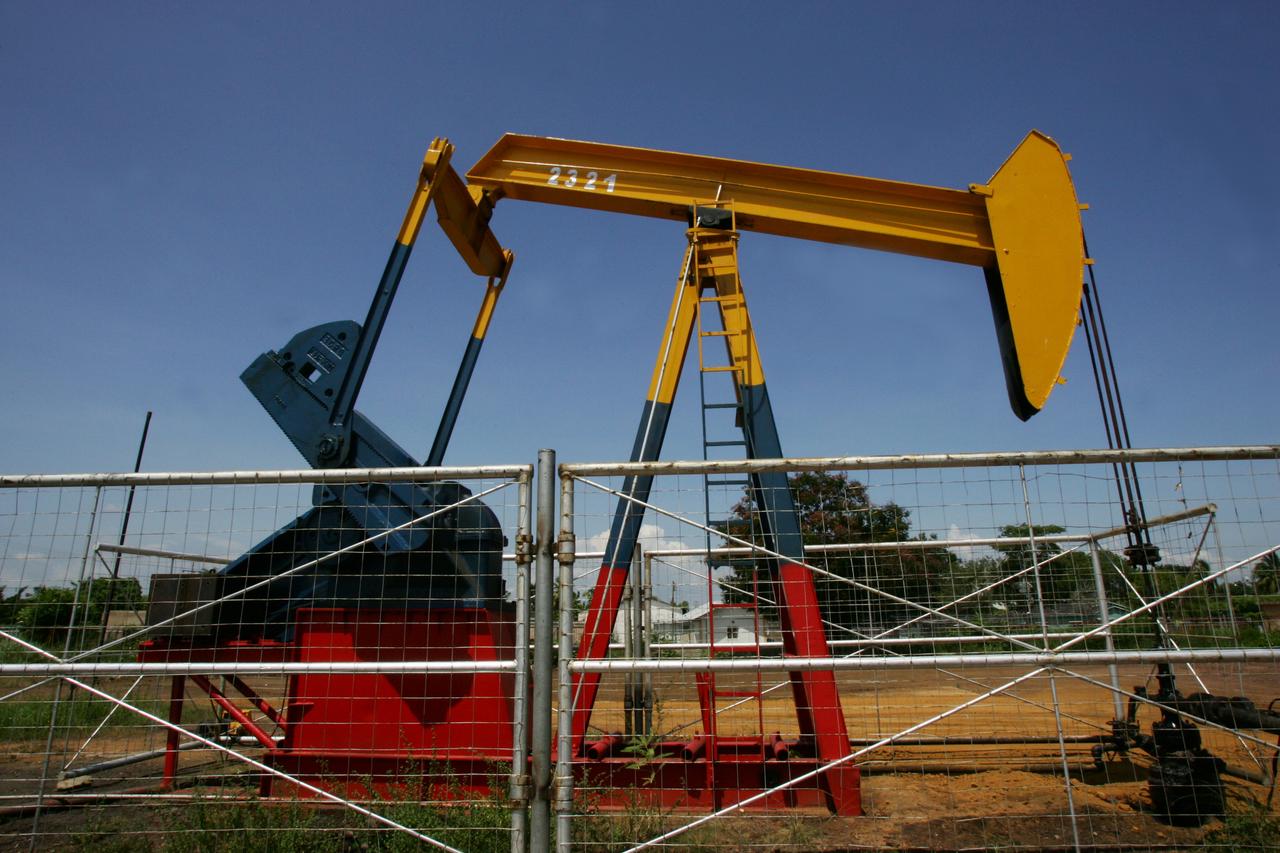


The capture of Venezuelan President Nicolas Maduro following U.S.-led military operations has brought renewed global attention to Venezuela’s underutilized oil reserves, the largest proven crude oil holdings in the world.
While Washington has announced plans to invest heavily in the country’s oil infrastructure, industry analysts remain cautious about how quickly these reserves could translate into increased global supply.
President Donald Trump said the U.S. would deploy its major oil companies to Venezuela and spend billions of dollars to rebuild the country’s deteriorating energy infrastructure. He described the move as a path to both economic return and strategic influence, stating that the U.S. would engage "very strongly" in Venezuela’s oil sector.
According to the U.S. Energy Information Administration (EIA), Venezuela holds approximately 303 billion barrels of proven crude oil reserves as of 2023, accounting for nearly 17% of the world’s total.
However, despite this vast resource base, Venezuela’s actual oil production has fallen to less than 1% of global output, largely due to sanctions, disinvestment, and crumbling infrastructure.
Much of Venezuela’s oil is located in the Orinoco Belt and consists of extra-heavy crude, which is more costly and technologically demanding to extract.
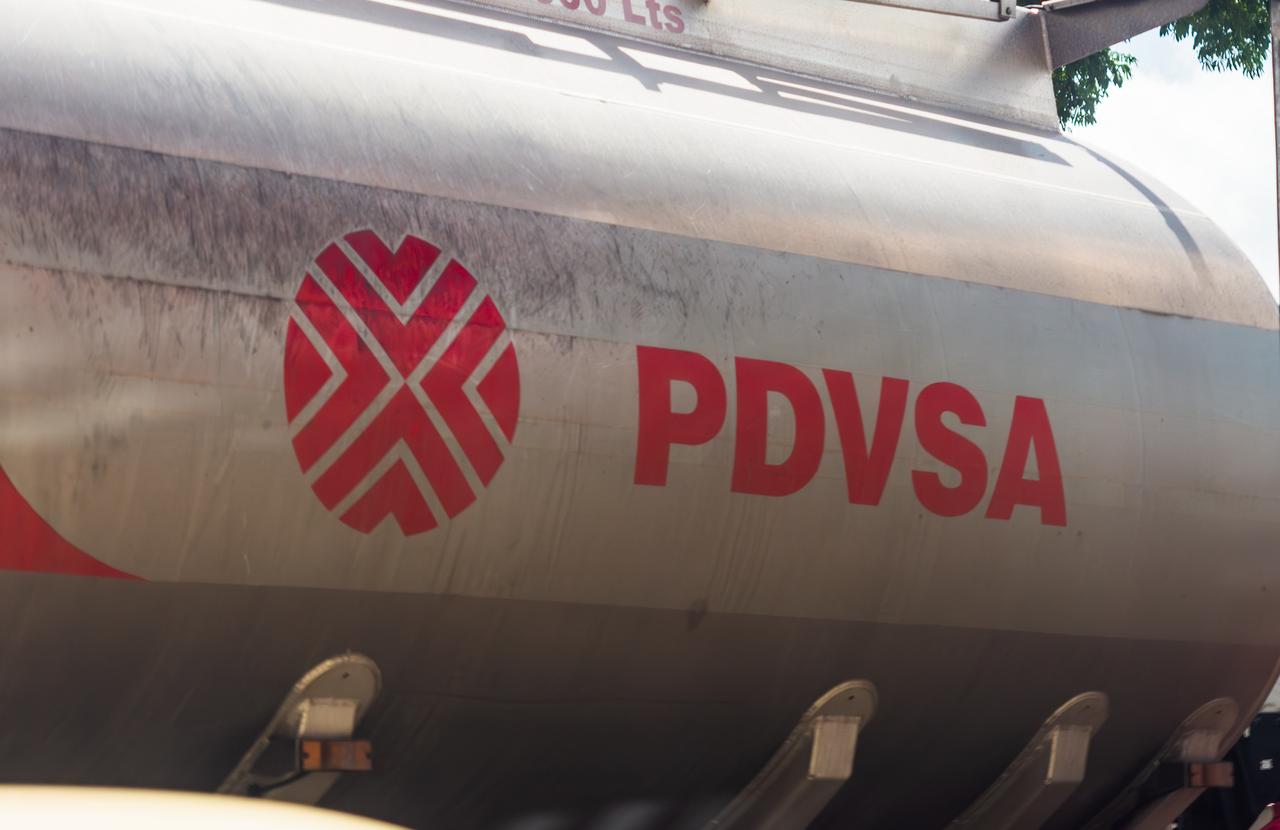
Industry experts note that boosting production would require not only capital but also access to advanced drilling technology and skilled labor, resources that Venezuela’s state-run oil company PDVSA currently lacks.
PDVSA continues to face serious challenges, including limited budgets, a shortage of technical personnel, and an absence of direct foreign investment.
International oil majors such as ExxonMobil and ConocoPhillips pulled out in 2007 after the Chavez government expropriated foreign-operated projects. Since then, only Chevron has maintained a presence under a restricted license granted by the U.S. Treasury.

Despite a series of airstrikes on Caracas and other regions, key oil infrastructure appears to have been spared. According to sources cited by Bloomberg, facilities such as the Jose terminal, Amuay refinery, and Orinoco oil fields remain operational.
However, recent sanctions and pressure have already forced Venezuela to shut down some wells and disrupted crude transport, including tanker seizures.
In the past, the U.S. was the largest importer of Venezuelan crude. However, sanctions have shifted the country’s export focus toward China, now its top customer. Venezuela remains a founding member of the Organization of the Petroleum Exporting Countries (OPEC) and retains close energy ties with Russia and Iran.
Although immediate supply shocks seem unlikely, longer-term market implications remain tied to how the post-Maduro political transition unfolds.
A successful regime change is seen as a path to lifted sanctions and fresh investment, or a forced transition may fail to yield swift or stable production gains.
The International Energy Agency (IEA) projects that global oil supply could outpace demand by as much as 3.8 million barrels per day in 2026, suggesting that any near-term additions from Venezuela may not be urgently needed.
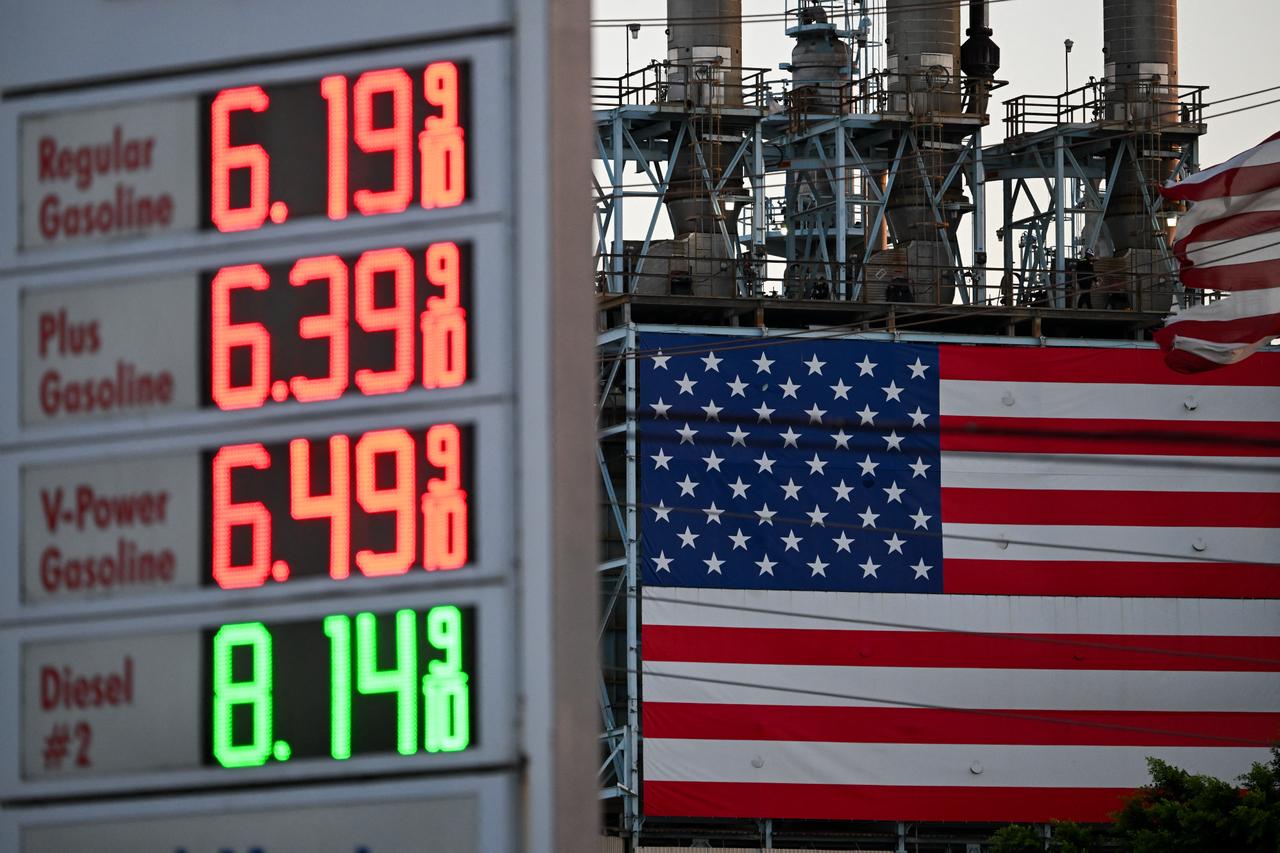
As of Friday’s close, Brent crude hovered around $60.75 per barrel and WTI crude at $57.32, at their lowest levels since 2021, further underscoring limited market appetite for additional supply in the short term.


 Set as preferred source
 Set as preferred source


 1 min read

 1 min read