Newsletters


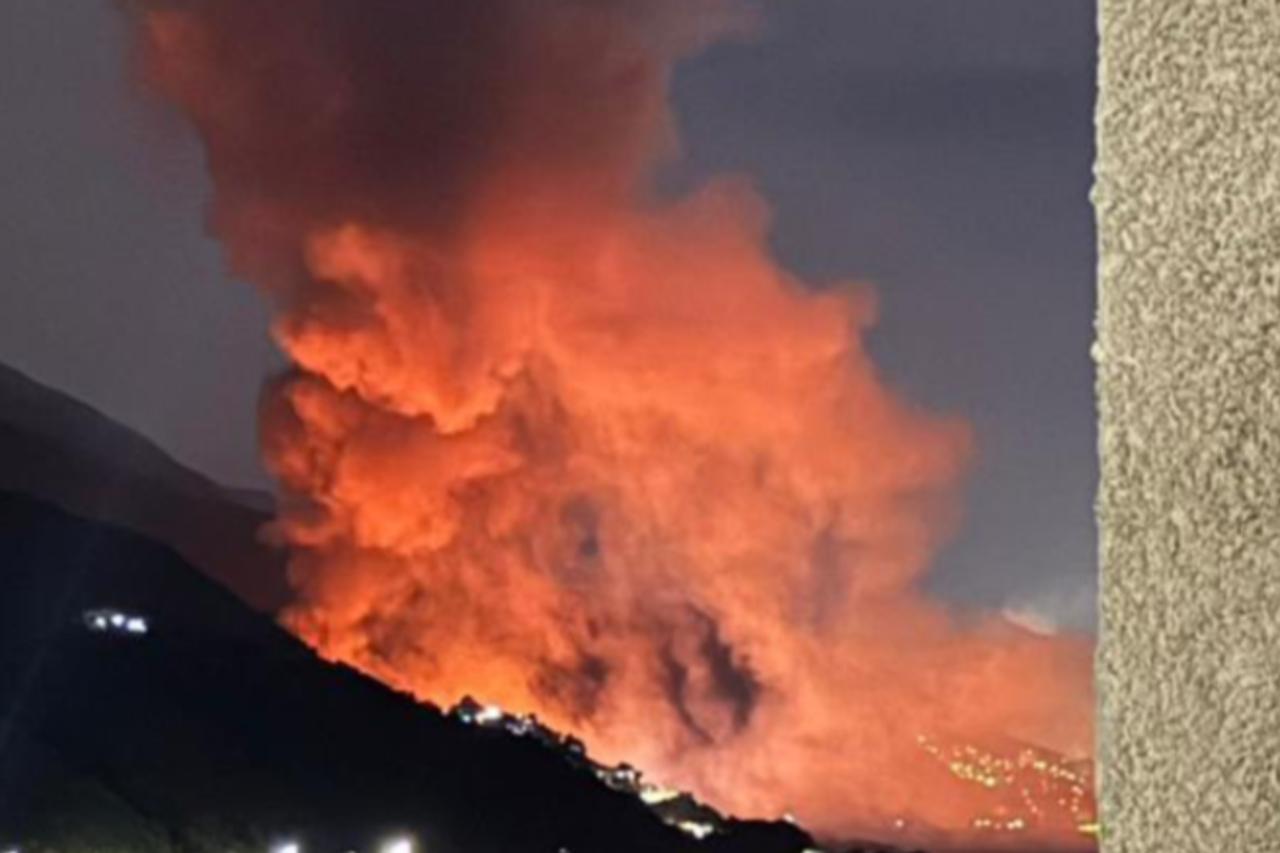


Residents across Caracas reported multiple explosions, low-flying aircraft, and alarm-like sounds in the early hours of Saturday morning, with witnesses describing blasts strong enough to shake windows and cause brief power outages in several neighborhoods of the Venezuelan capital.
The incidents occurred around 2:00 a.m. local time on Jan. 3, with videos circulating on social media showing flashes and smoke columns at multiple locations throughout the city.
Witnesses reported activity at at least six sites, including areas near Fort Tiuna army base, La Carlota Air Base, the 23 de Enero neighborhood, and in the vicinity of Miraflores Palace, the presidential residence.
Neither Venezuelan authorities nor U.S. officials have issued statements confirming the nature of the incidents or reporting any casualties.
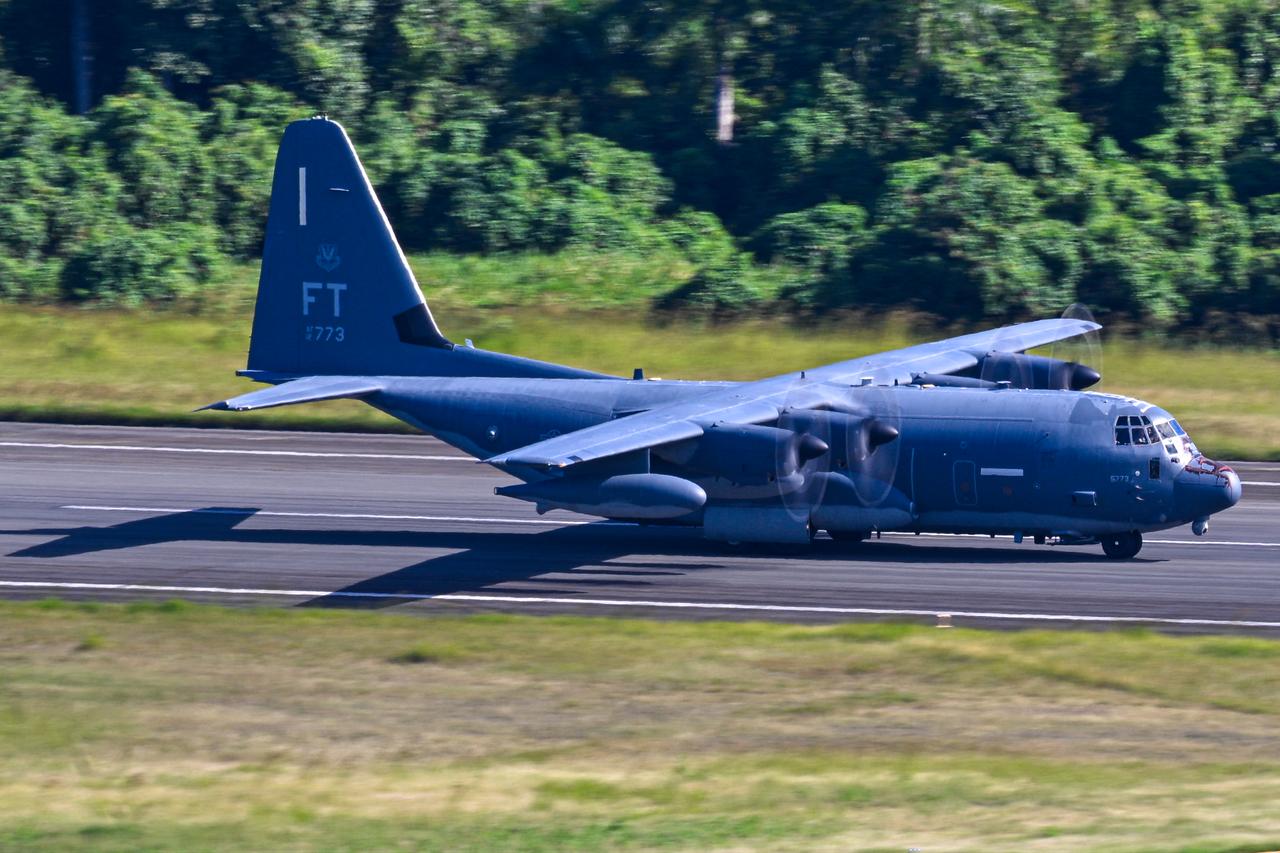
Videos captured what witnesses described as helicopters flying overhead, with some online speculation suggesting the aircraft resembled U.S. Army CH-47 Chinooks. Residents reported hearing air raid sirens alongside the low-flying aircraft, adding to confusion about the origin and purpose of the nighttime activity.
 1 min read
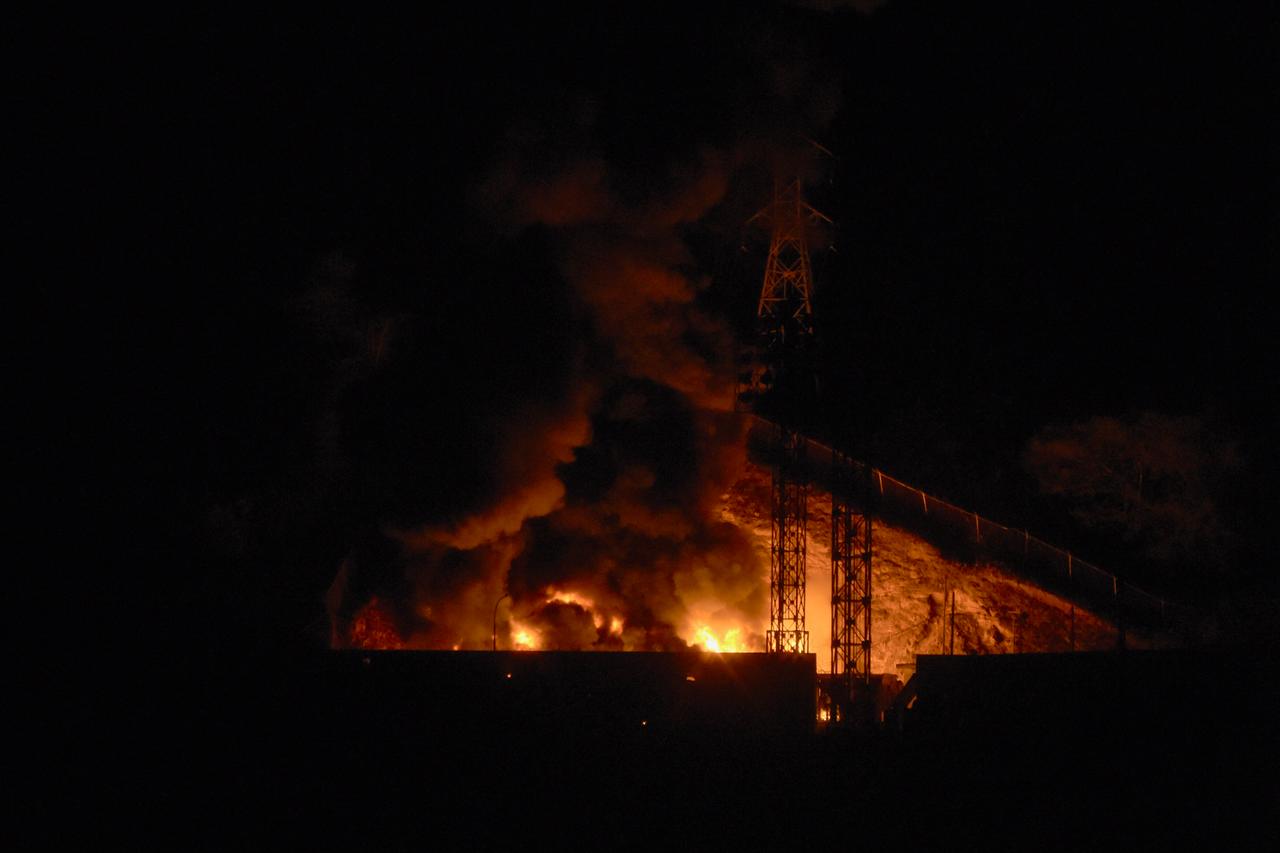
Brief power outages struck some neighborhoods during the incidents, particularly in areas near La Carlota airbase and 23 de Enero, though the extent and duration of the outages remain unclear.
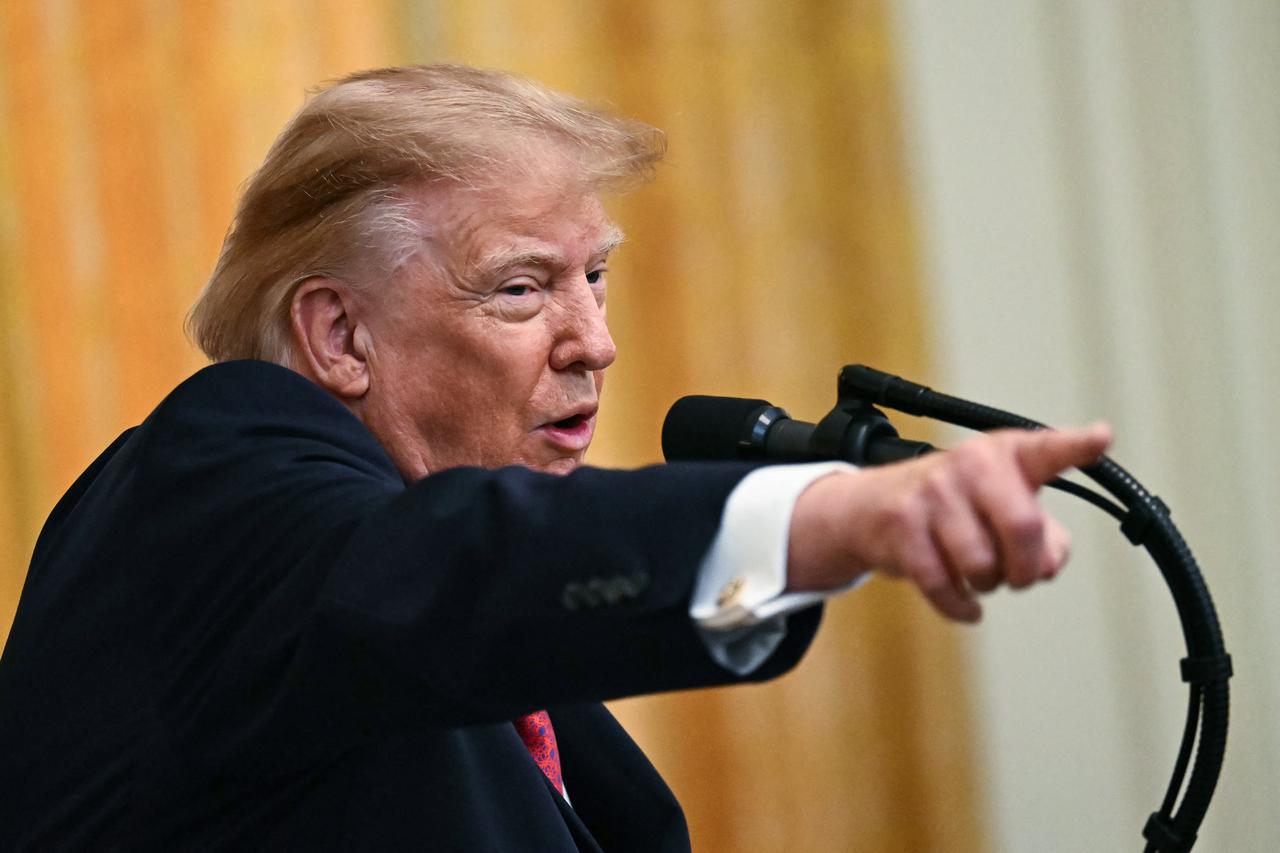
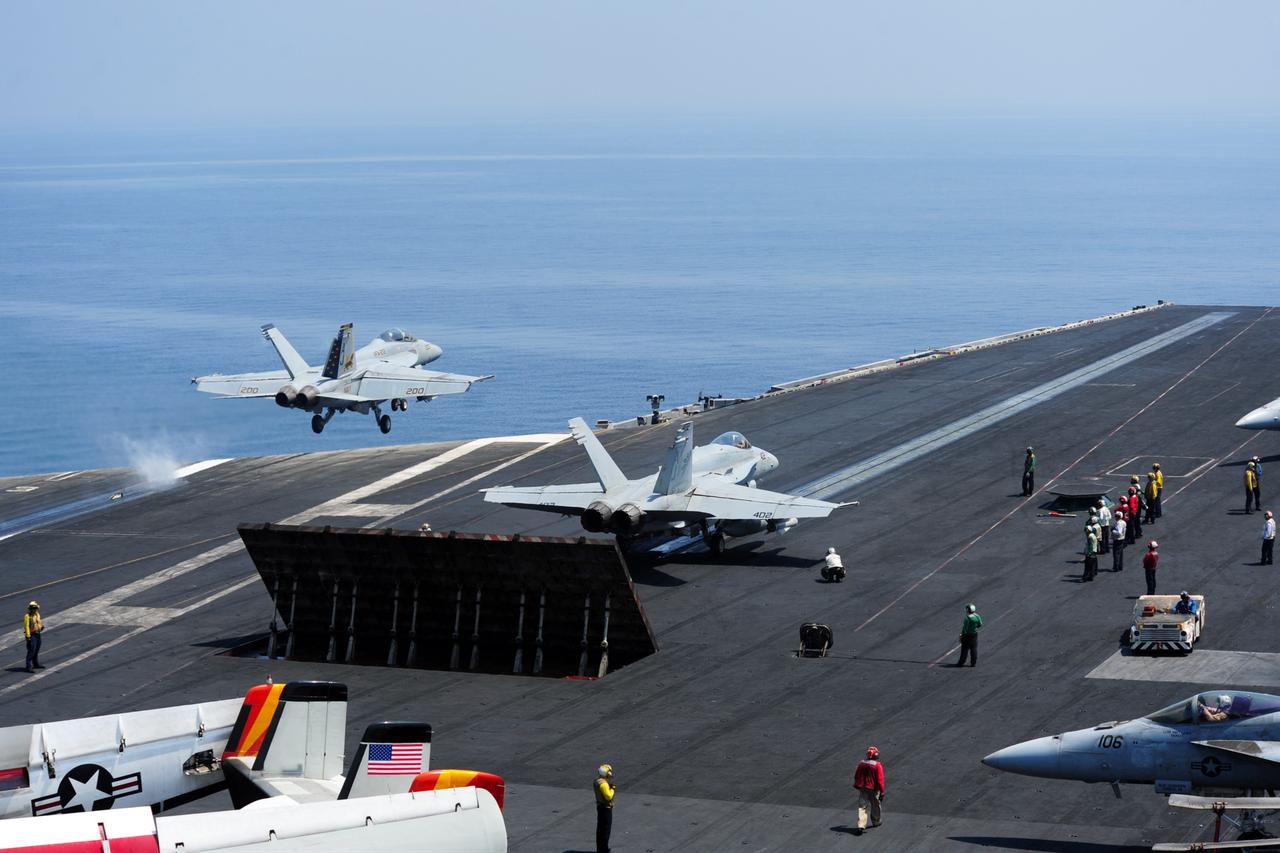
The Venezuelan government confirmed that the explosions were U.S. military strikes, with Venezuela's embassy in Ankara telling Turkish media that the attacks were carried out by American forces. CBS News also reported that President Trump ordered strikes on various targets in Venezuela, including military installations.
The blasts affected not only Caracas but also the states of Miranda, Aragua, and La Guaira, according to Venezuelan officials. Telecommunications services experienced disruptions following the explosions, adding to the power outages reported near military installations.
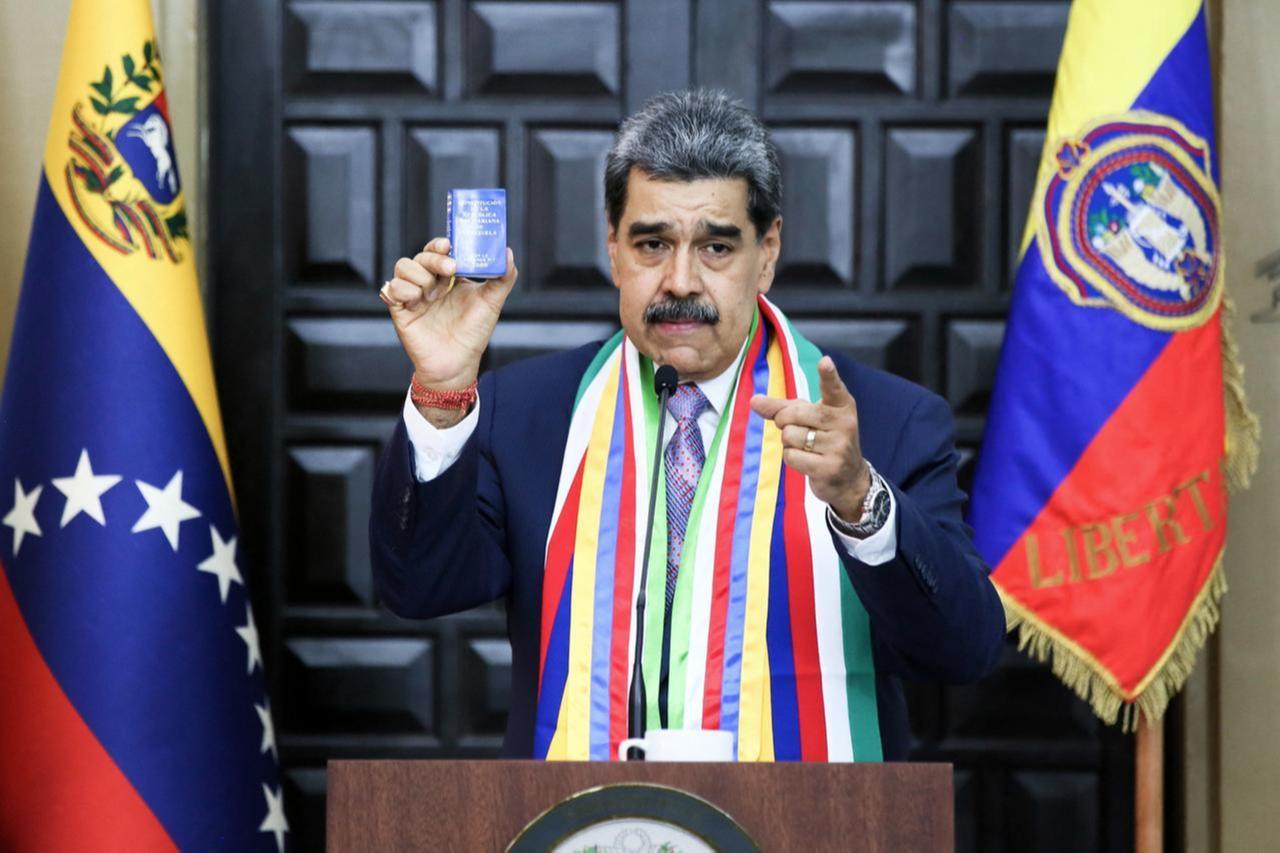
In response to the strikes, President Nicolas Maduro signed a decree declaring a state of "External Disturbance" throughout Venezuelan territory and ordered the implementation of all national defense plans. The Venezuelan government announced it would transition to armed struggle and called for immediate deployment of the Command for Comprehensive Defense of the Nation across all states and municipalities.

Colombian President Gustavo Petro responded swiftly on social media, stating, "Caracas is under attack right now. They attacked Venezuela. They are bombing with missiles. The OAS and UN must meet immediately."
In a lengthy official statement, the Venezuelan government condemned what it called "grave military aggression" by the United States, describing the strikes as a flagrant violation of the United Nations Charter. The government accused Washington of attempting to seize Venezuela's strategic resources, particularly oil and minerals, and seeking to forcibly break the nation's political independence.
"The objective of this attack is none other than to seize Venezuela's strategic resources, particularly its oil and minerals, attempting to forcibly break the nation's political independence," the statement read. The government invoked historical resistance, referencing President Cipriano Castro's 1902 proclamation when foreign powers bombarded Venezuelan shores.
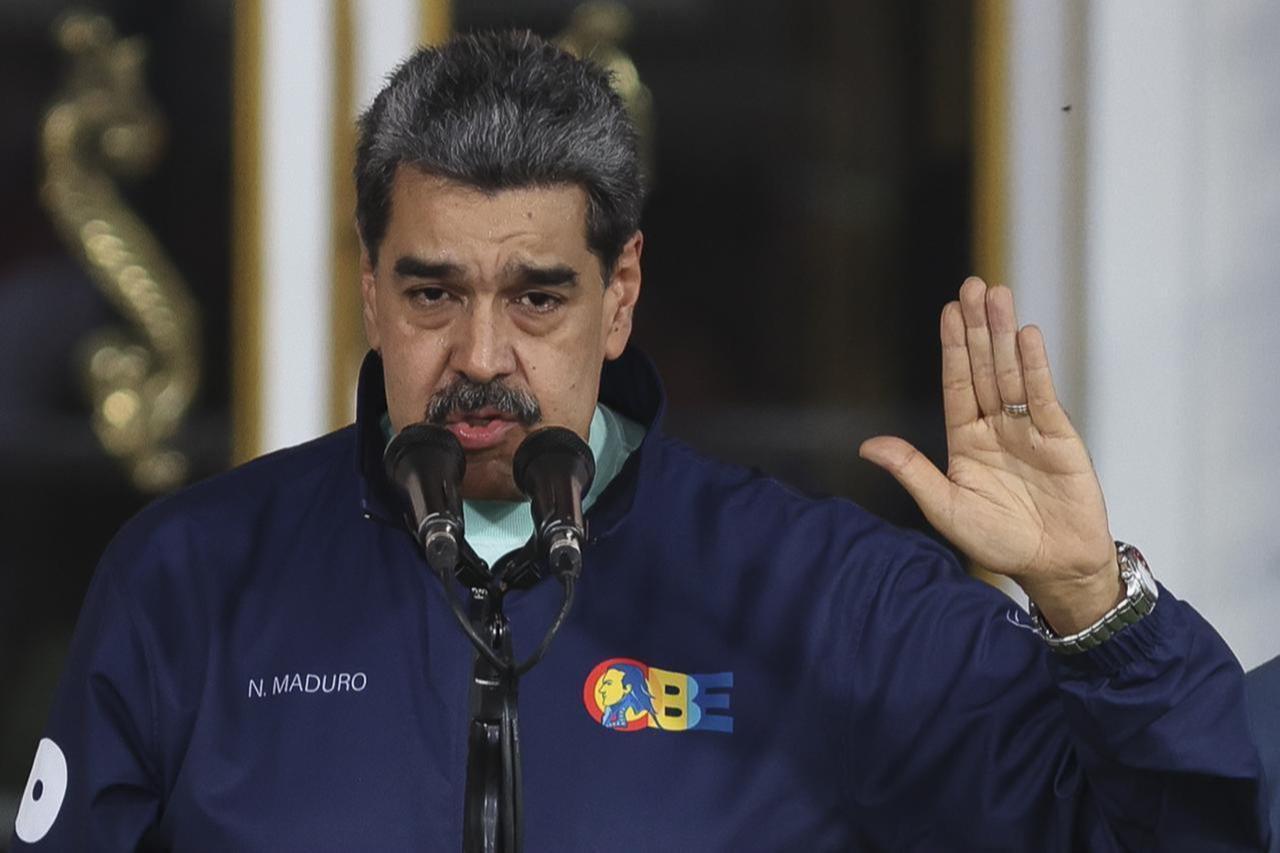
The Maduro government called on all social and political forces to activate mobilization plans and demanded that citizens take to the streets to repudiate what it termed an imperialist attack. Officials announced plans to file complaints with the UN Security Council, the organization's Secretary-General, CELAC, and the Non-Aligned Movement.
Invoking Article 51 of the UN Charter, Venezuela reserved the right to exercise legitimate self-defense to protect its people, territory, and independence. The government appealed to the people and governments of Latin America, the Caribbean, and the world to mobilize in solidarity against the alleged aggression.
The Venezuelan statement emphasized what it called "perfect popular-military-police unity" and pledged that the Bolivarian National Armed Forces were deployed to guarantee sovereignty and peace.
The reported incidents follow recent U.S. actions targeting the Maduro government, including a strike on a dock allegedly linked to drug trafficking operations. The events also come after the Trump administration announces a blockade and designation of the Maduro regime as a foreign terrorist organization, marking a significant escalation in bilateral tensions.


 Set as preferred source
 Set as preferred source


 1 min read