Newsletters


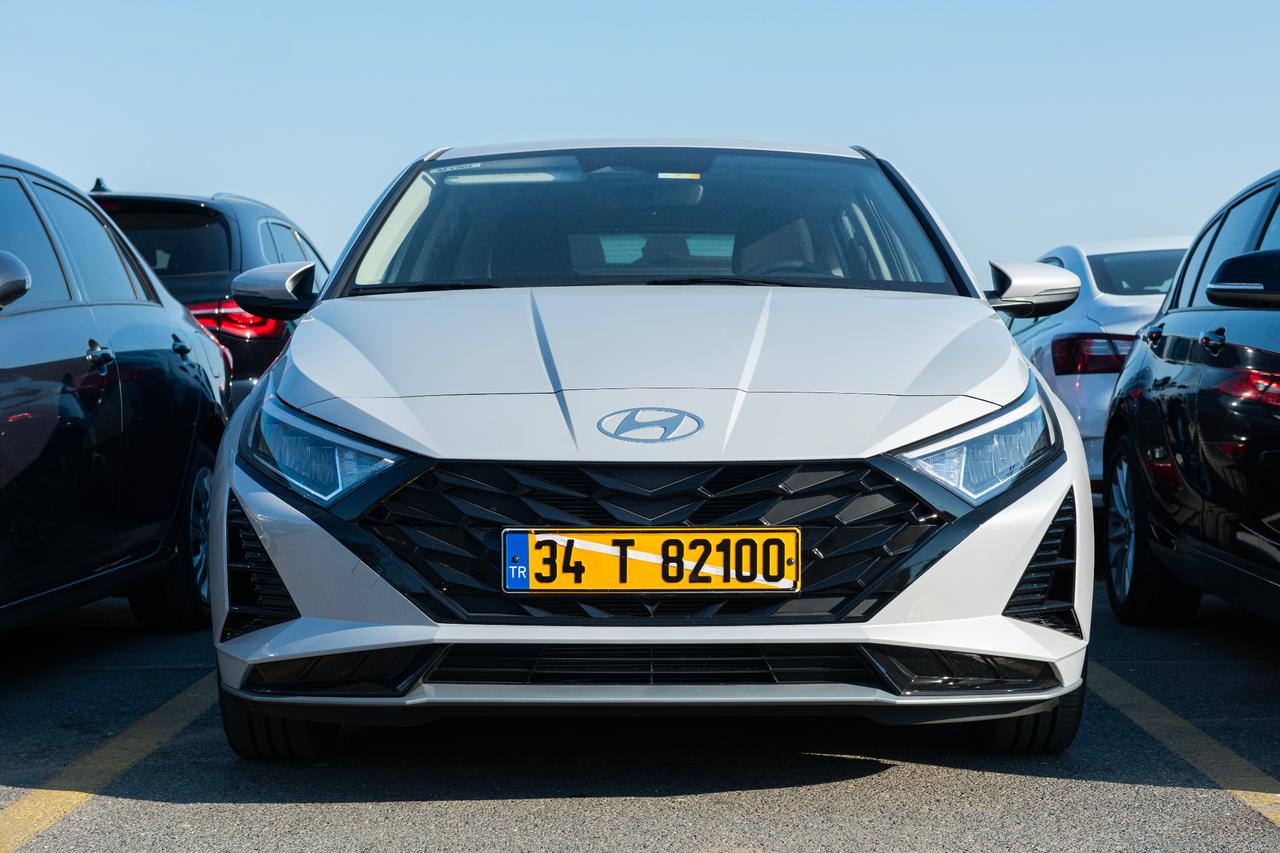


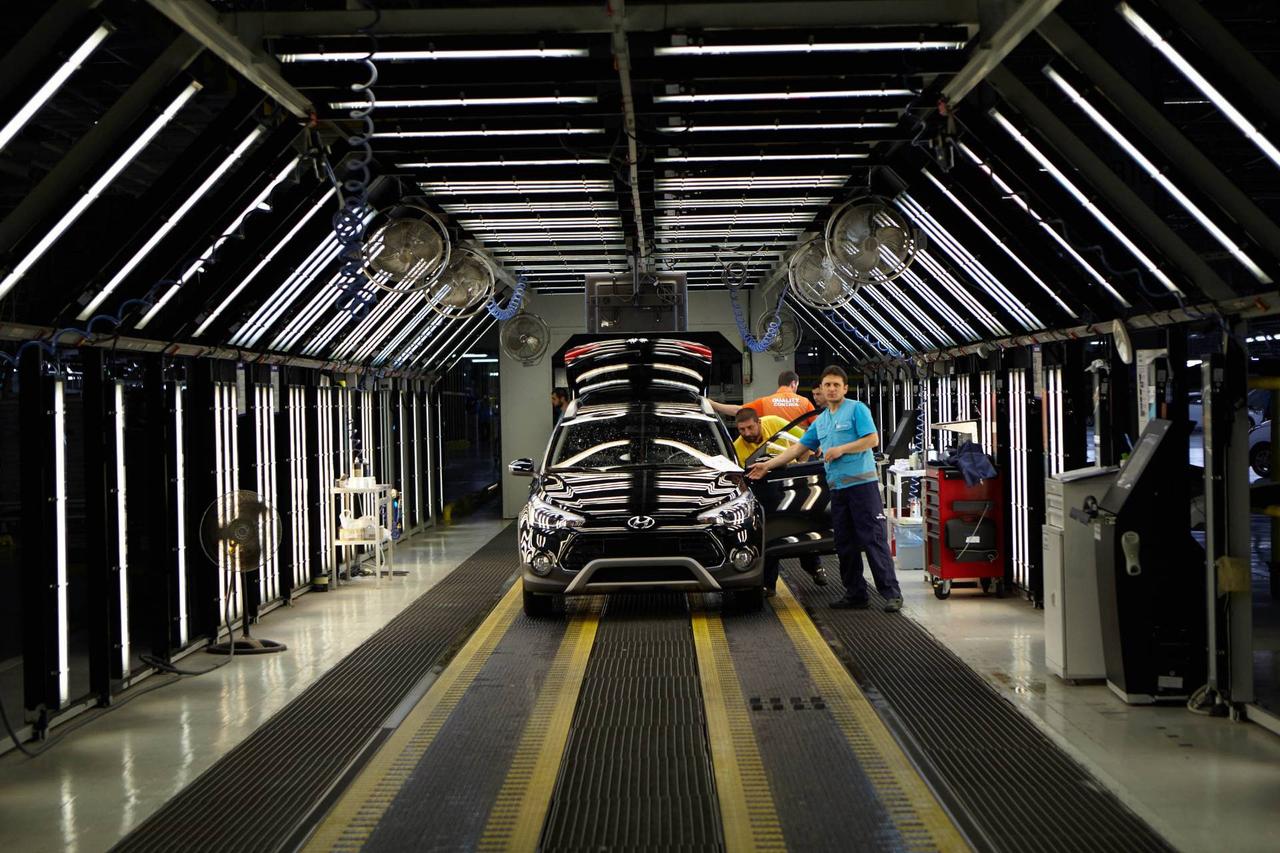
Hyundai Motor Türkiye will begin producing its first electric vehicle at its Izmit plant in the second half of 2026, marking a major milestone for both the company and the Turkish automotive industry, a senior executive said.
“Frankly, we are proud, happy and also excited, because we will become the second brand to produce electric cars on these lands,” said Murat Berkel, Hyundai Motor Türkiye’s sales, marketing and after-sales general manager, in an interview with Turkish news agency Anadolu.
Berkel said the start of electric vehicle production would represent a turning point for Hyundai’s operations in Türkiye, adding that the company has completed nearly all preparations to adapt its production lines for fully electric models.

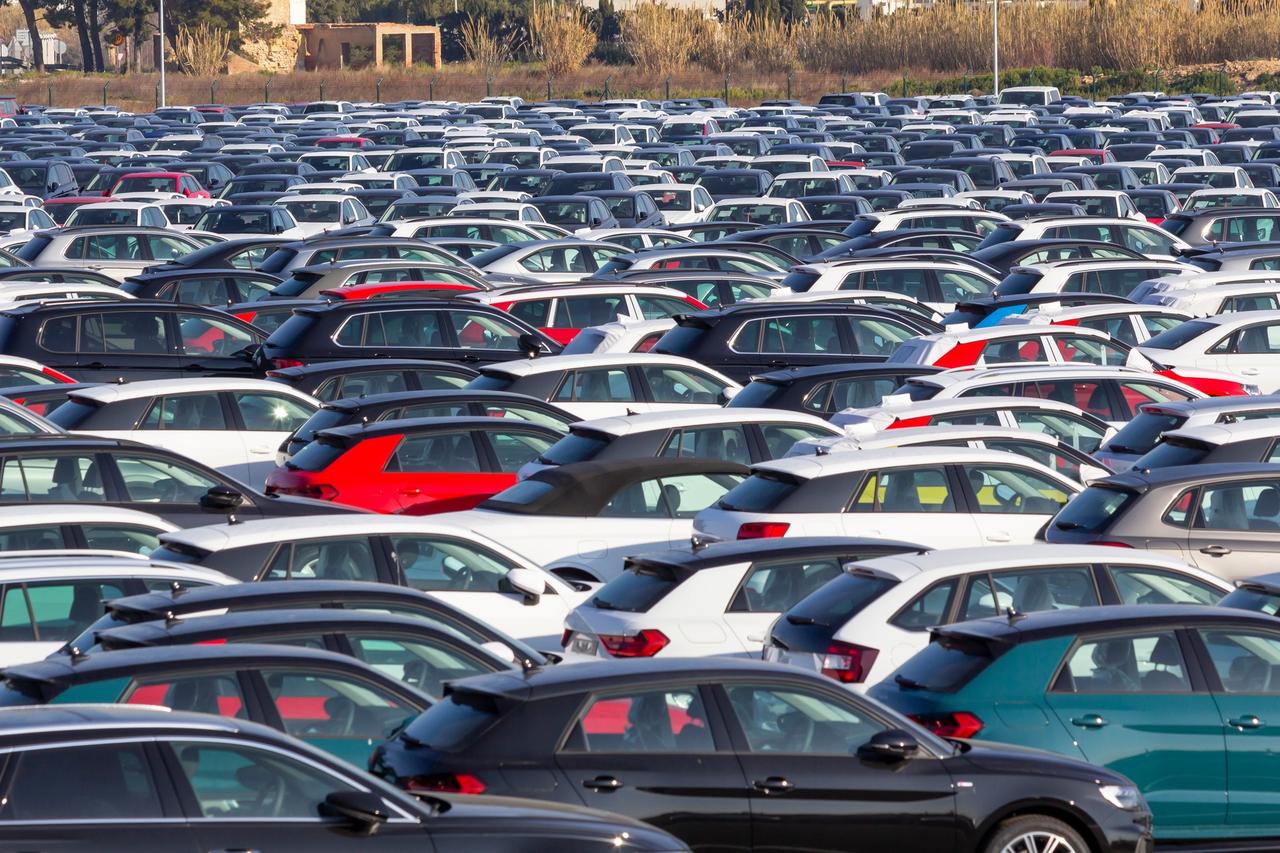
Berkel said 2025 has been a strong year for the automotive sector in terms of production, domestic sales and exports, and projected that the Turkish market would close the year at around 1.35 million units, the highest annual sales figure on record.
Monthly vehicle sales exceeded 100,000 units in every month except the first two months of the year, he said, signaling sustained upward momentum.
“According to the latest data, there is currently one vehicle for every 200 people in Türkiye, whereas in Europe this figure is over 500 on average,” Berkel said. “Taking population and existing potential into account, I estimate that the automotive market will exceed 1.5 million units within the next few years.”
He said high interest rates and limited access to credit remain the main constraints on market growth, noting that individual vehicle loans are not available for cars priced above 2 million lira.
Berkel also highlighted a decline in the share of domestically produced vehicle sales, which fell from 46% in 2020 to around 29% this year.
“Having a high share of domestic vehicle sales is important not only for production volumes but also for employment and reducing the foreign trade deficit,” he said, calling for measures to support local production.
Hyundai sold 59,618 vehicles in the first 11 months of 2025, Berkel said, with more than 37,000 units coming from locally produced models. He expects full-year sales to exceed 66,000 units and said the company aims to reach 100,000 annual sales by 2030.
Berkel said the electric vehicle (EV) market in Türkiye has expanded far faster than expected, with sales rising about 100% year on year to 166,000 units in the first 11 months of 2025.
Five years ago, EVs accounted for just 1% of the market, he said, compared with 14% this year. Hyundai expects that share to rise to 35–40% by 2030.
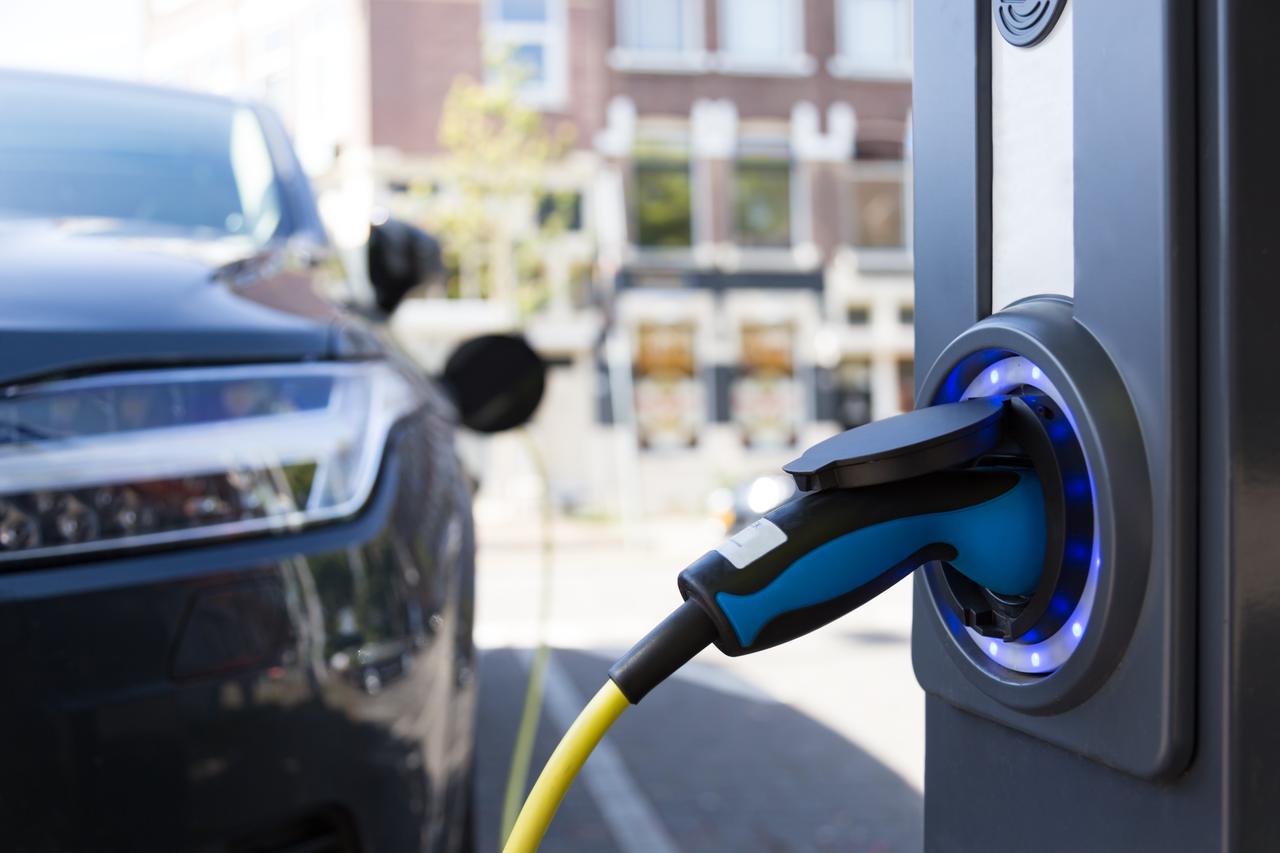
Consumers are drawn to EVs for environmental benefits, lower energy consumption and advanced technology, Berkel said, adding that nearly 40,000 charging points across Türkiye now meet consumer needs.
He noted that about 85% of EVs sold fall within the 25% Special Consumption Tax bracket, and that continued expansion of charging infrastructure and the second-hand market would further boost demand.
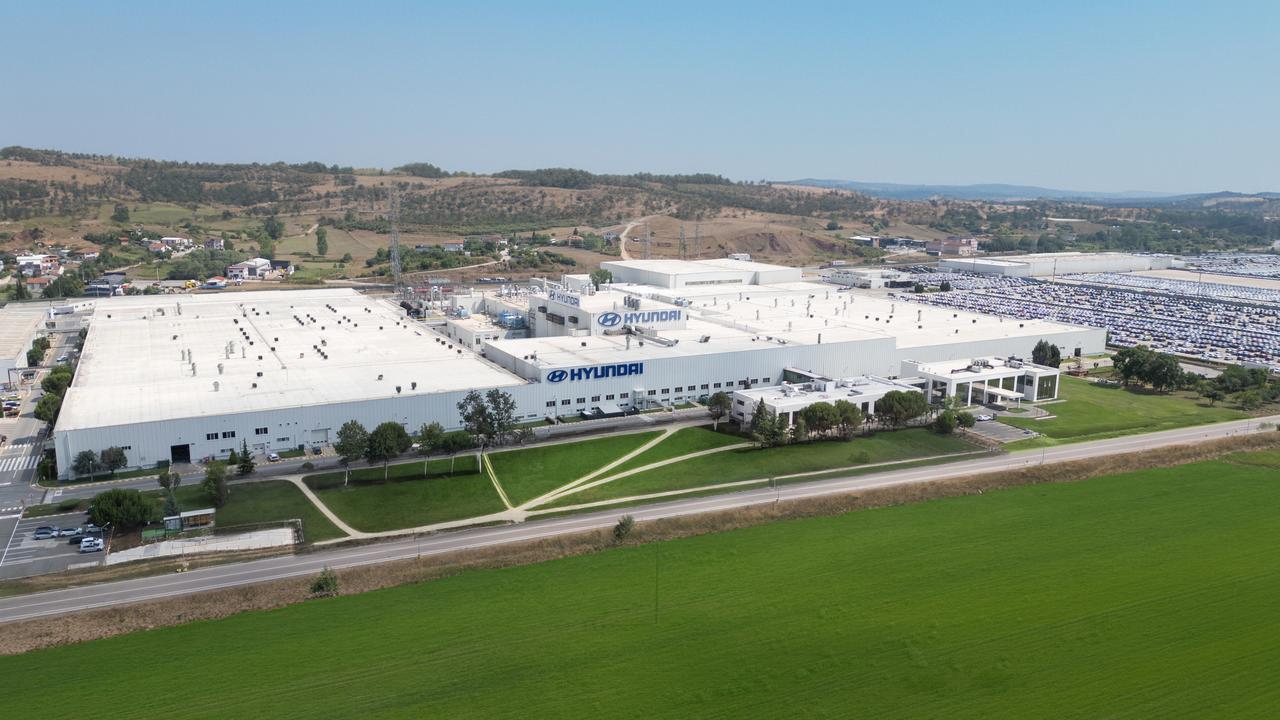
Berkel said Hyundai’s Izmit plant, established in 1997 as the company’s first overseas production facility, will play a key role in Türkiye’s transition to electrification.
“With our locally produced electric model, which we will start producing in August 2026, our total number of electric models will rise to seven,” he said, adding that more than half of Hyundai’s 13 models on sale will then be electric.
Hyundai will also continue producing internal combustion engine vehicles at the plant and plans to introduce next-generation hybrid technology from 2027. Extended Range Electric Vehicle (EREV) models, offering driving ranges of more than 965 kilometers, are also scheduled to launch starting in 2027, Berkel said.
“Producing an electric car with the craftsmanship of Turkish consumers is extremely important for both our brand and the Turkish automotive industry,” he added.


 Set as preferred source
 Set as preferred source


 1 min read
 1 min read