Newsletters


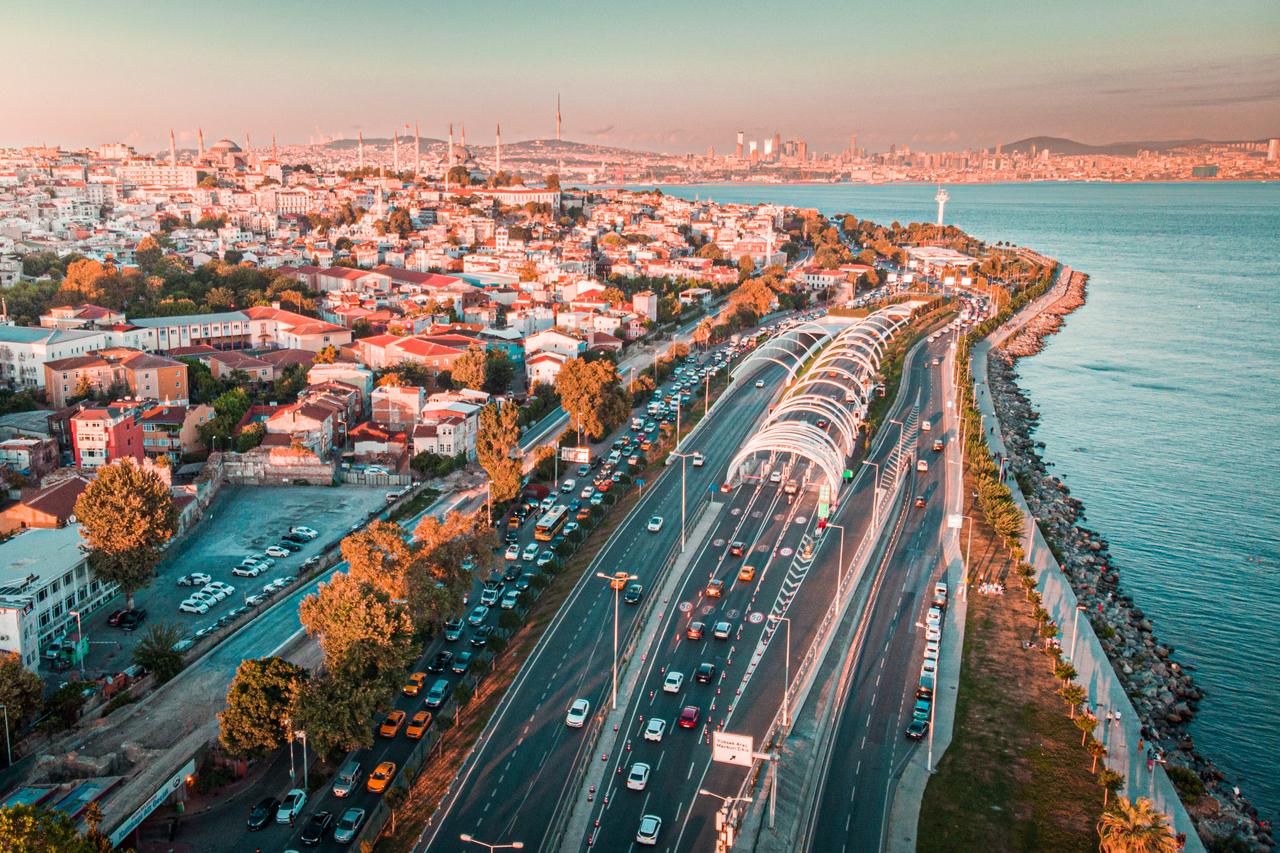


The Eurasia Tunnel, which runs beneath the Bosphorus Strait linking Istanbul’s European and Asian sides, has contributed about $2.6 billion to Türkiye’s economy over the past nine years, Transport and Infrastructure Minister Abdulkadir Uraloglu said.
In a statement posted Saturday on X to mark the tunnel’s ninth anniversary, Uraloglu said the project, officially opened on Dec. 20, 2016, has played a major role in easing traffic congestion and delivering economic and environmental benefits.
“The Eurasia Tunnel connects Istanbul’s Asian and European sides with a 5-kilometer double-deck subsea road tunnel built along a total route of 14.6 kilometers, including approach roads between Kazlicesme and Goztepe,” he said.
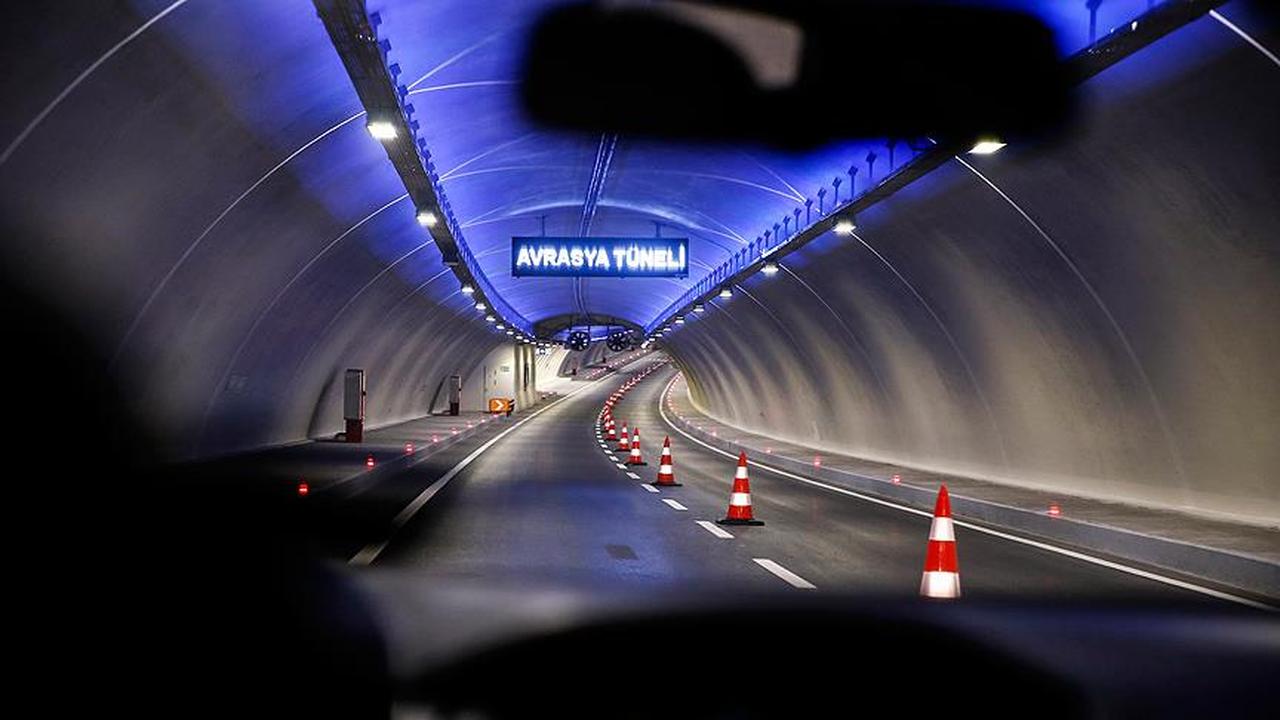

Uraloglu said approach roads on both sides of the city were widened as part of the project, with new junctions, vehicle underpasses, and pedestrian overpasses constructed. The tunnel is designed exclusively for light vehicles, including motorcycles, passenger cars and minibuses.
This year, daily traffic exceeded the guaranteed level by 8%, with an average of 77,000 vehicle crossings per day, he said.
The minister said the project reduced travel distances by about 10 kilometers (6.21 miles) on the route and cut travel times that previously reached up to 100 minutes to as little as 15 minutes.
“With its advanced technology and engineering infrastructure, the Eurasia Tunnel offers a fast, economical, safe, comfortable and environmentally friendly alternative for crossing the Bosphorus,” Uraloglu said.
Based on calculations for the Kozyatagi–Bakirkoy corridor, he said the tunnel saved about 250 million hours of travel time and 304,000 tons of fuel over nine years. Emissions were reduced by 139,000 tons, equivalent to the environmental impact of 5.5 million trees, he added.
Uraloglu said the reduction of 687 million vehicle-kilometers of traffic also generated significant savings in accident-related costs, bringing the tunnel’s total contribution to the national economy to $2.6 billion.
Uraloglu said all design and construction works on Istanbul’s historic peninsula, which is listed as a UNESCO World Heritage site, were carried out in line with UNESCO recommendations.
He noted that the pedestrian corridor between the city and the sea on the European side was expanded from 55 meters to 277 meters, strengthening Istanbul’s connection with the coastline.
“On the European side, we expanded the pedestrian corridor from 55 meters to 277 meters and planted 11,642 new trees in the Coastal Park,” he said.
“We also built 2.7 kilometers of bicycle paths and pedestrian walkways, renewed playgrounds and exercise areas, and increased children’s playground space by 100% and tree planting by about 400% in the project area.”
Uraloglu added that pedestrian overpasses and at-grade crossings built in line with accessibility standards improved access to the renewed Coastal Park for people with disabilities.


 Set as preferred source
 Set as preferred source


 1 min read

 1 min read