Newsletters


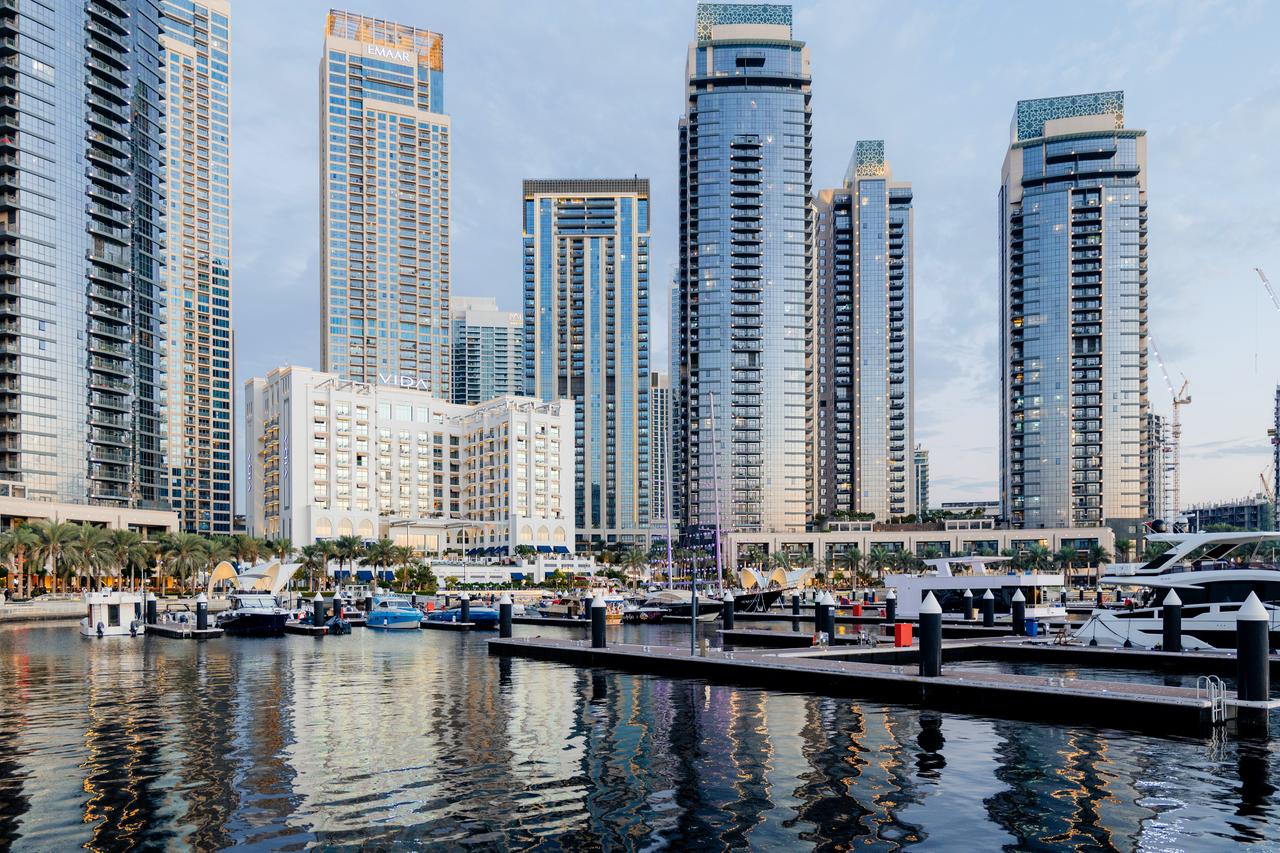


UAE's booming property sector in Dubai hit a sudden market shock as a sharp sell-off in property stocks wiped out the sector’s gains for the year amid Iran's barrage that rattled one of the world's leading real estate investment hubs.
The Dubai Financial Market (DFM) Real Estate Index dropped more than 17% since the start of the conflict, marking the steepest decline among sector gauges on the exchange. The broader DFM index also slid, falling about 11% during the same period.
Shares of some of the emirate’s largest property developers led the downturn. Emaar Properties, one of the United Arab Emirates’ biggest real estate developers and the builder of landmarks such as the Burj Khalifa, fell by 13.6%.
Deyaar Development, a Dubai-based developer focused on residential and commercial projects, declined by 11.6%, while Union Properties, another Dubai-listed real estate company involved in large-scale mixed-use developments, dropped by 12.8%. Tecom Group, which operates business districts and commercial property hubs across Dubai, recorded a smaller loss of 2.8%.
Dubai’s property market set a new record in 2025, with real estate transactions in the emirate reaching nearly AED 917 billion ($249.7 billion). The surge reflected strong demand from international buyers, high-net-worth individuals, and expatriates, as the city continued attracting capital with residency incentives, tax advantages, and a steady pipeline of large-scale developments.
Property prices had already been on a prolonged upswing before the latest market turmoil. Since 2021, housing prices in Dubai have steadily increased, delivering a 9.6% real return in 2025.
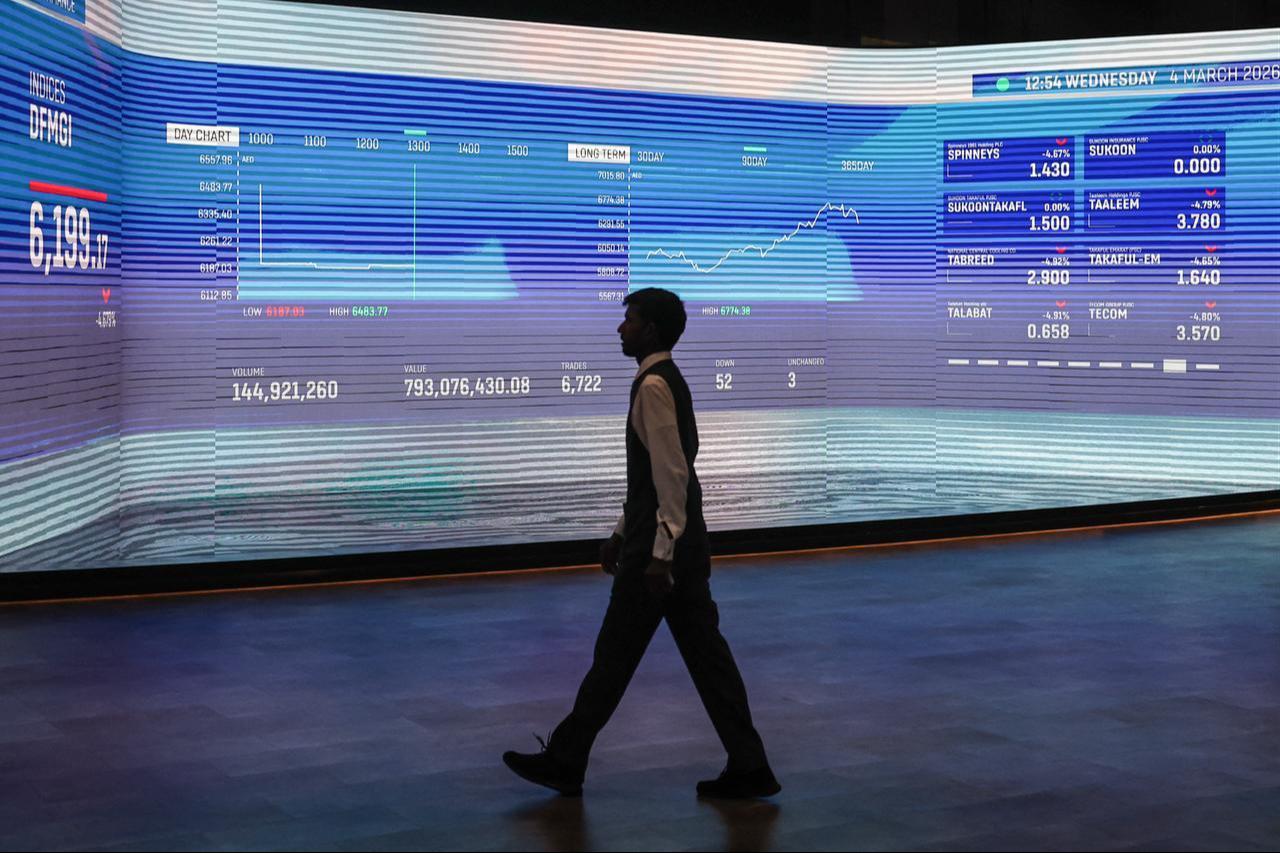

The recent market downturn comes as fears grow over continued Iranian attacks targeting the United Arab Emirates after the war began on Feb. 28, denting the region’s appeal as a stable destination for international investors and property buyers. Following joint U.S.-Israel strikes on Iran, Tehran launched retaliatory attacks on countries hosting U.S. military bases, expanding the conflict across the Gulf region.
Authorities in the UAE said that as of Mar. 9, they had detected 253 ballistic missiles and 1,440 drones, with two missiles landing on UAE territory and 81 drones falling within the country’s borders, resulting in four deaths and 117 injuries.
Some of Dubai’s well-known tourist landmarks were also hit during the attacks, with luxury hotels such as the Jumeirah Burj Al Arab and Fairmont The Palm sustaining damage.
Security concerns triggered panic among visitors, and thousands of foreign tourists sought to leave the country after authorities closed the airspace. Special flights were later arranged on a limited basis to help stranded travelers return home.


 Set as preferred source
 Set as preferred source


 1 min read
 1 min read