Newsletters


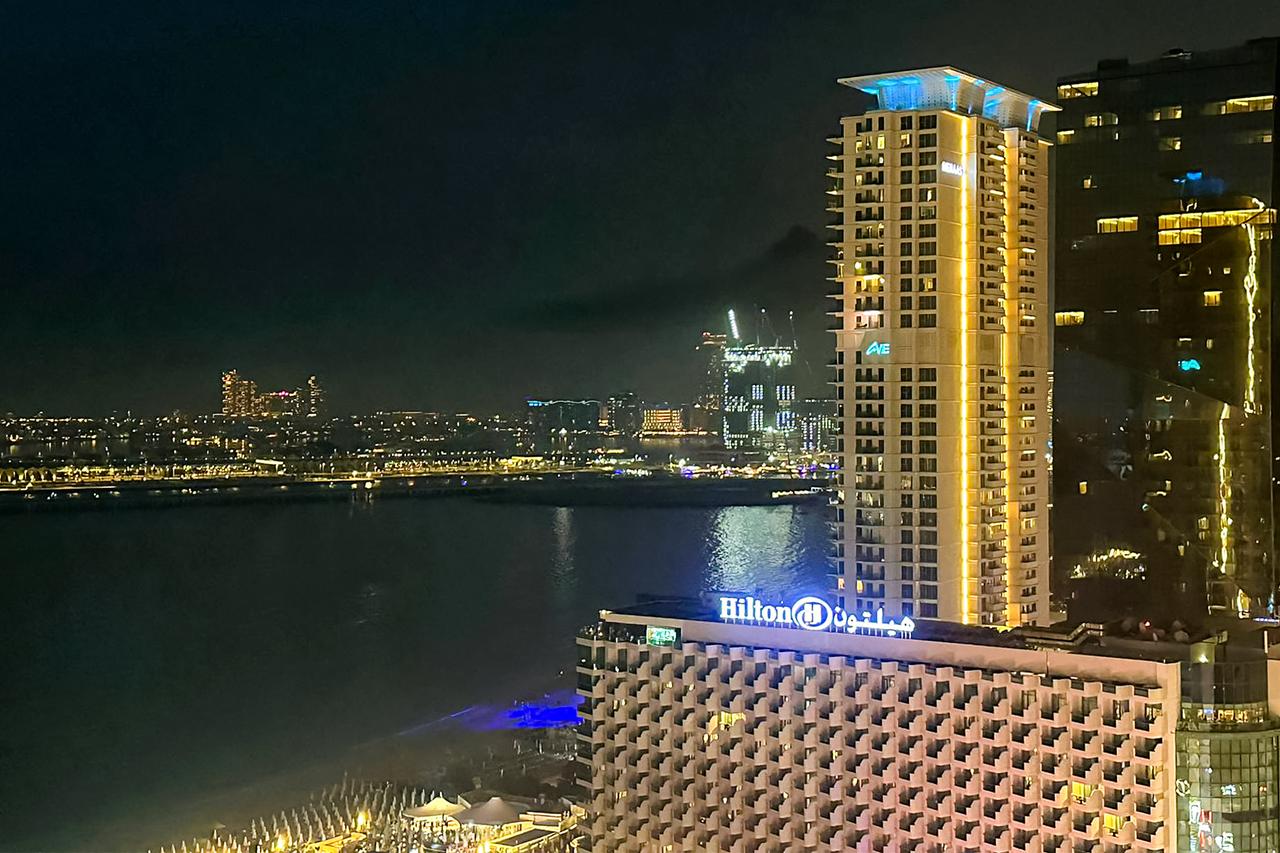


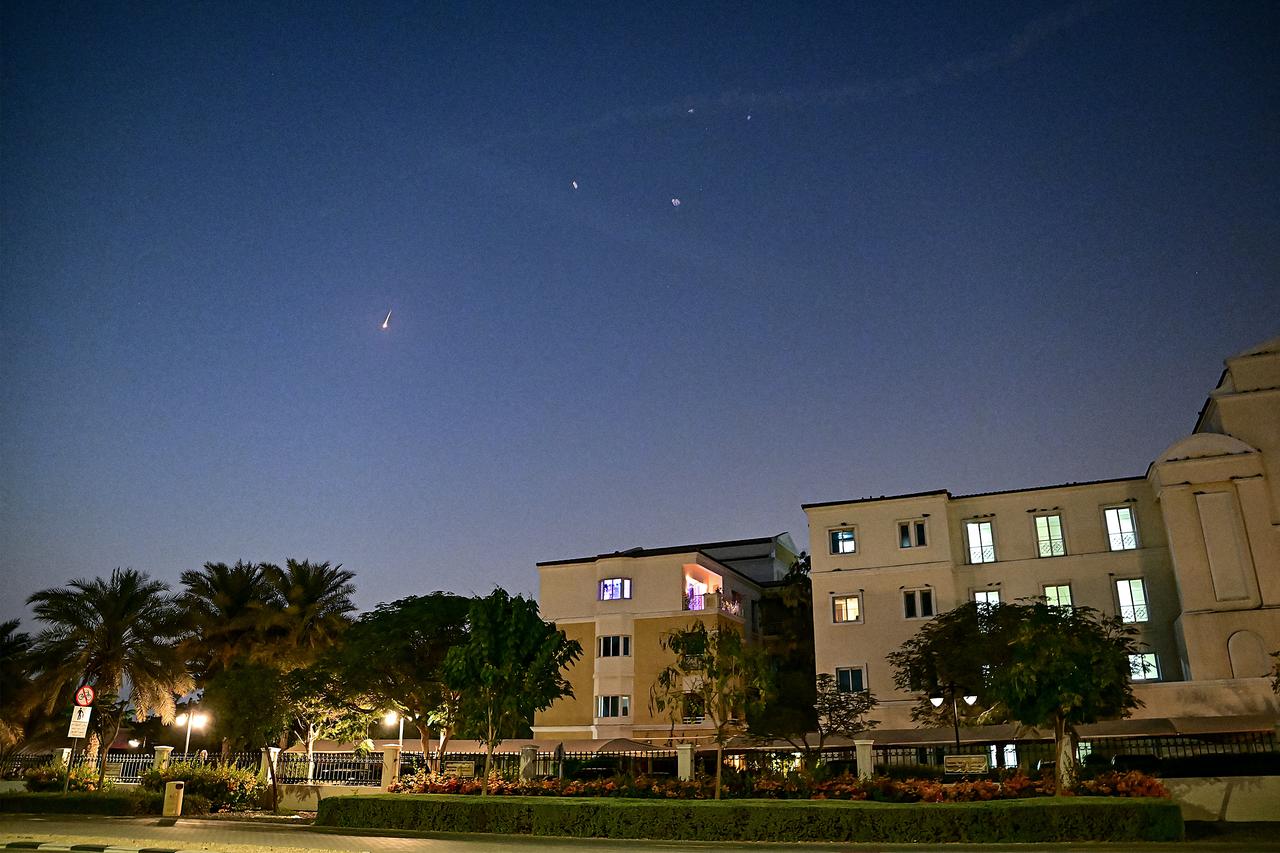
Explosions shook parts of Dubai over the weekend after Iran launched retaliatory attacks following U.S. and Israeli strikes, with a senior Turkish business representative saying a "sense of panic" spread across parts of the city as residents avoided going out and took shelter in underground parking levels.
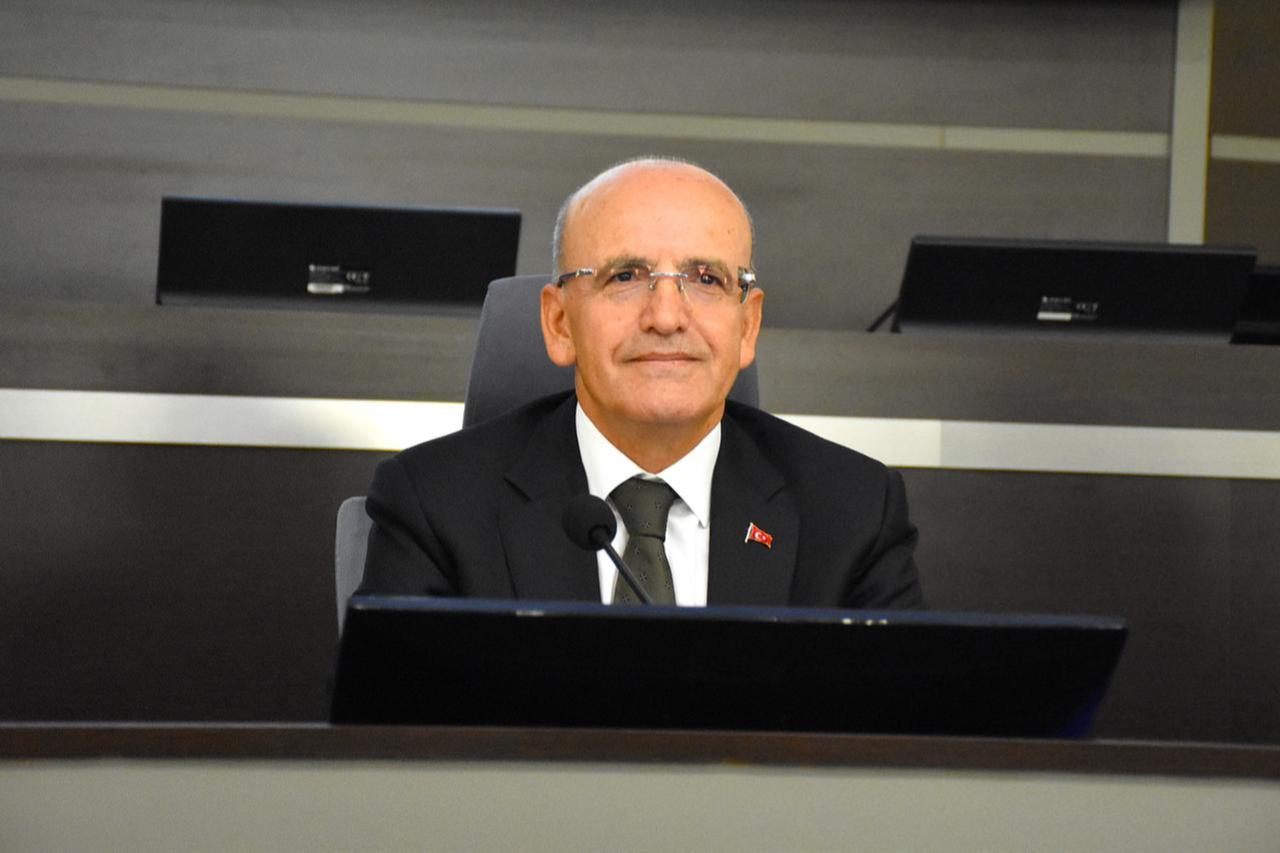
Kanat Kutluk, head of the Dubai and Northern Emirates Turkish Business Council, said the atmosphere across the city was uneven, with tension visible in some districts while daily routines continued in others.
"In a significant part of the city, there is panic. In other parts, life continues as usual. But people are trying not to go out," he explained, adding that many families kept children indoors after loud explosions and missile interceptions were heard and seen across the skyline.
Iran launched military strikes across Gulf countries the same day as the U.S. and Israeli airstrikes on its soil, declaring that states hosting U.S. bases were legitimate targets.
In its initial response, Tehran fired waves of missiles and Shahed-type drones at U.S. and allied sites in Qatar, Kuwait, Bahrain, Jordan, and the United Arab Emirates, triggering air-raid sirens and widespread airspace closures across the region.
In the UAE, this barrage sent missiles over major cities, including Dubai, where explosions and interceptions shook urban centers and caused debris to strike civilian infrastructure. Kutluk said multiple powerful blasts were heard between 1:00 p.m. and 2:00 p.m. local time (GMT+4) on Saturday, with the sound carrying across wide areas of the emirate.
"The direction of the explosions was mostly toward the desert. We thought a military airfield had been hit," he noted, adding that the site appeared to have been targeted four or five times during the day.
According to the United Arab Emirates Ministry of Defence, Iran fired at least 137 missiles and 209 drones toward UAE territory, with most intercepted by the country’s air defense systems. Despite the interceptions, falling debris caused damage in Dubai and Abu Dhabi, sparking fires near hotels and airport facilities.
In Abu Dhabi, the UAE capital, debris from an intercepted drone targeting Zayed International Airport killed two people and injured several others. In Dubai, the country’s main commercial and tourism hub, fragments struck the Burj Al Arab luxury hotel and ignited fires at Jebel Ali Port, one of the region’s largest shipping terminals.
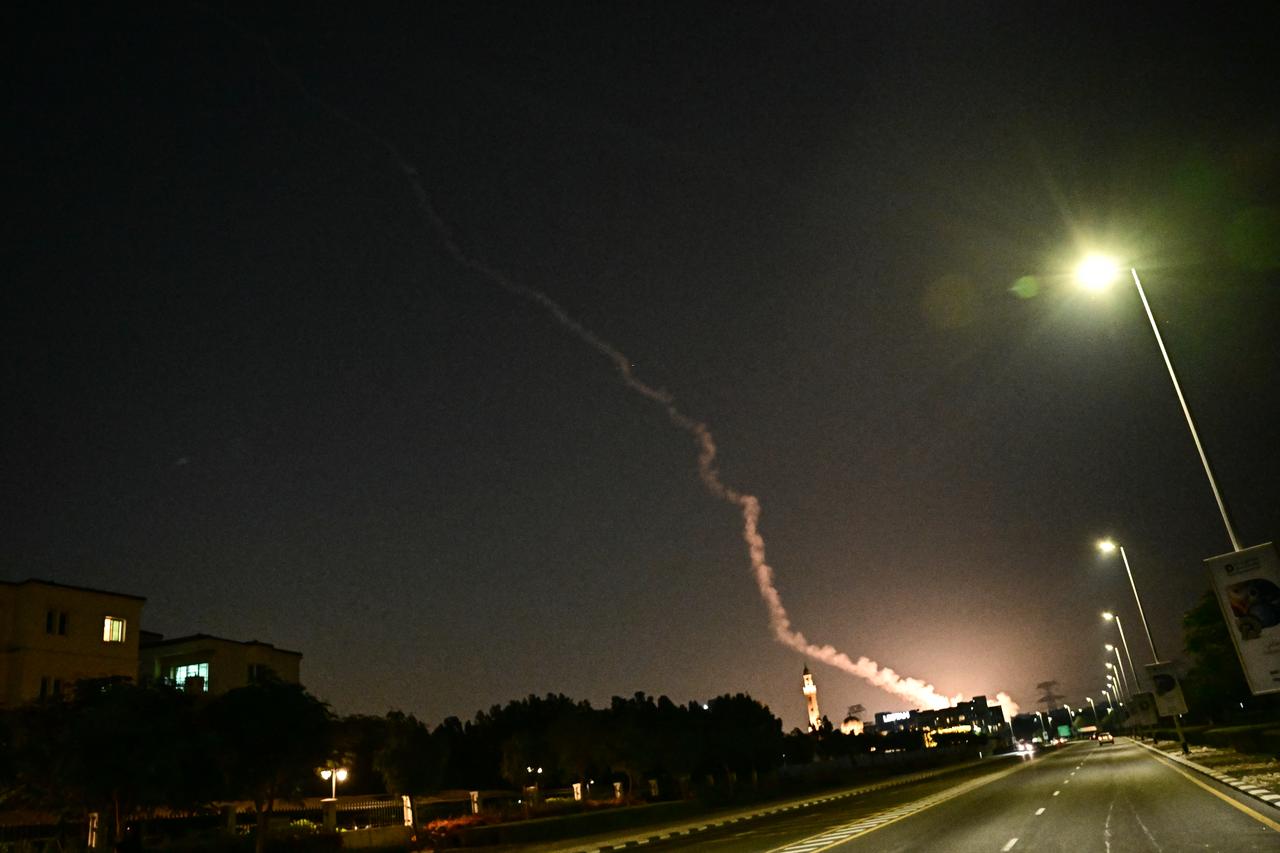

By evening, the impact moved closer to residential areas as a Shahed-type kamikaze drone struck near the entrance of the Fairmont The Palm hotel, next to Oceana Residences, where Kutluk lives. At least four people were reported injured.
"I was attending a Sri Lanka Business Council dinner. Normally I go alone, but this time I took my family with me. I’m glad I did," Kutluk wrote for business-focused patronlardunyasi.com.
After the strike, traffic around the hotel and surrounding roads became heavily congested. Residents moved into the basement parking levels, commonly labeled B1, B2, and B3, to take cover. "People went down to the lower parking levels to feel safer," he added.
Kutluk also pointed to rising anxiety among expatriate communities following social media warnings linked to Iran’s Revolutionary Guards calling for the evacuation of Abu Dhabi and Dubai.
Western Europeans seemed more uneasy and could consider leaving if flights were operating, while many Asian residents, particularly Indians and Pakistanis who make up a large share of the population, appeared comparatively calmer, he observed.
"For years, there was a belief that even if Iran struck, it would only hit military targets. That belief has collapsed," he said.
Iran’s response also reached Kuwait, where drones targeted Kuwait International Airport, one of the country’s busiest aviation hubs.
Authorities reported limited damage to the first terminal and minor injuries among several airport workers caused by falling debris.
Ebru Ozdemir, chair of Turkish construction company Limak, which is building the airport’s new terminal under a multibillion-dollar contract, told patronlardunyasi.com that the impact did not affect the section where Limak’s team is operating.
"We contacted our colleagues and coordinated. Thank God, everyone is in good condition," Ozdemir said, adding that Limak teams working on major infrastructure projects in Dubai and Saudi Arabia were also safe and in contact.
The escalation continued into Sunday after a joint U.S.–Israeli operation killed Supreme Leader Ayatollah Ali Khamenei and other senior commanders, prompting Tehran to widen its military campaign across the Middle East. Missiles and drones were launched toward U.S. and allied sites in the UAE, Saudi Arabia, Kuwait, Qatar, and Bahrain, as well as toward Israel.
The Iranian Revolutionary Guard Corps warned it would carry out its "most intense offensive operation ever," saying it would strike "very hard today, harder than they have ever hit before."
Air-raid alerts sounded again in Dubai, Doha, and Manama on Sunday as defense systems responded to incoming threats.


 Set as preferred source
 Set as preferred source


 1 min read
 1 min read