Newsletters


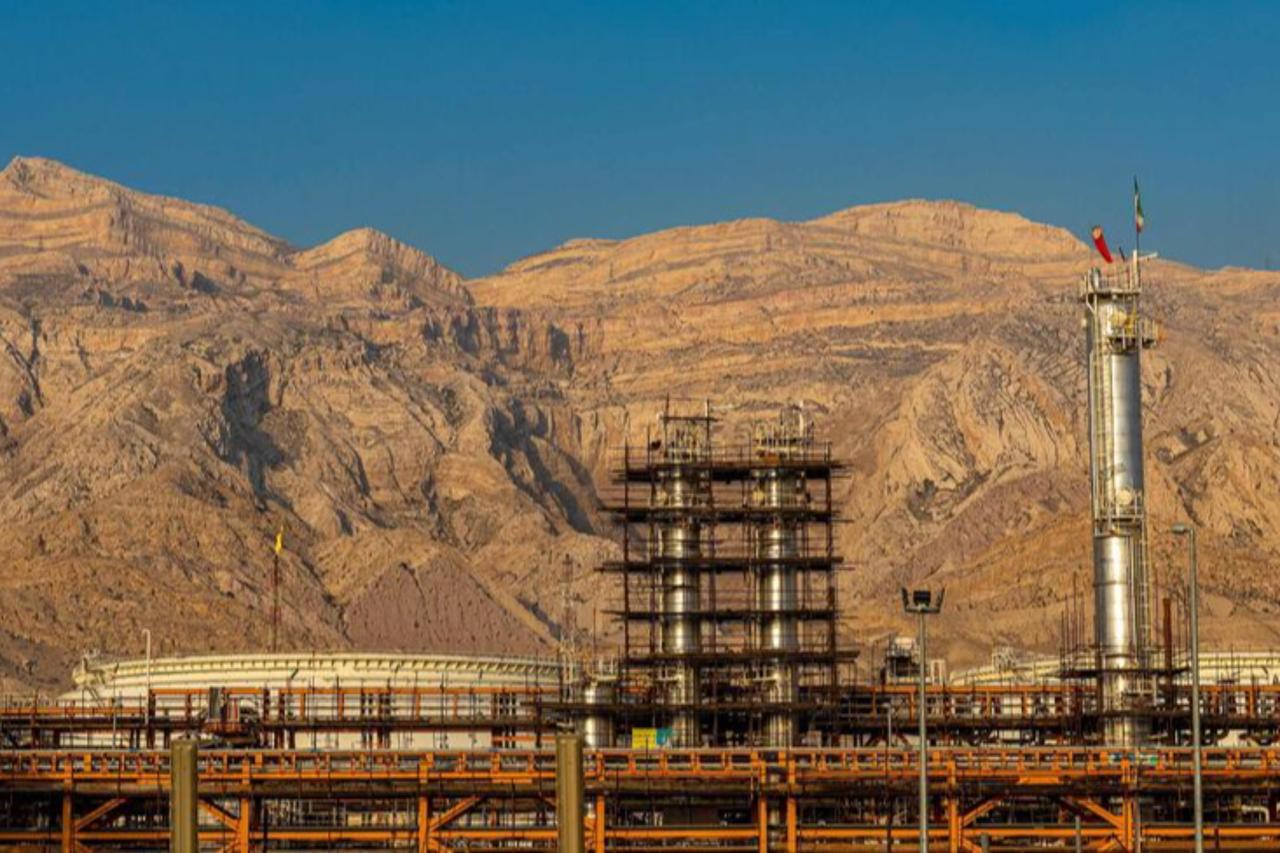


Iran's National Petrochemical Company has ordered the suspension of all petrochemical product exports until further notice, citing war-related production losses and the need to prevent domestic shortages, according to a letter published by Iranian economic newspaper Donya-e-Eqtesad and confirmed by Mehr News Agency.
Analysis by the Open Data Center of Iran showed that approximately three-quarters of Iran's petrochemical production capacity has been destroyed or rendered inoperative by Israeli strikes on Mahshahr and Asaluyeh.

The order, issued on April 13 by Iran's Director of Development of Petrochemical Industries Mohammad Motaghi and addressed to the managing directors of Iranian petrochemical companies, stated: "In order to prevent shortages in the domestic market and to meet internal demand, especially in downstream industries, it is essential that exports be halted or managed in a way that ensures adequate domestic supply."
The letter, confirmed as authentic by Mehr News Agency's reporter from the National Petrochemical Industries Company, also ordered the return to Iran of export shipments already en route that had not yet received clearance documentation, and requested companies to immediately report the costs associated with their return so that domestic price adjustments could be assessed.
Motaghi cited the country's "war situation and subjection to severe sanctions" as the basis for the halt.
The order has not been confirmed publicly by the Iranian government or reported by official state media.
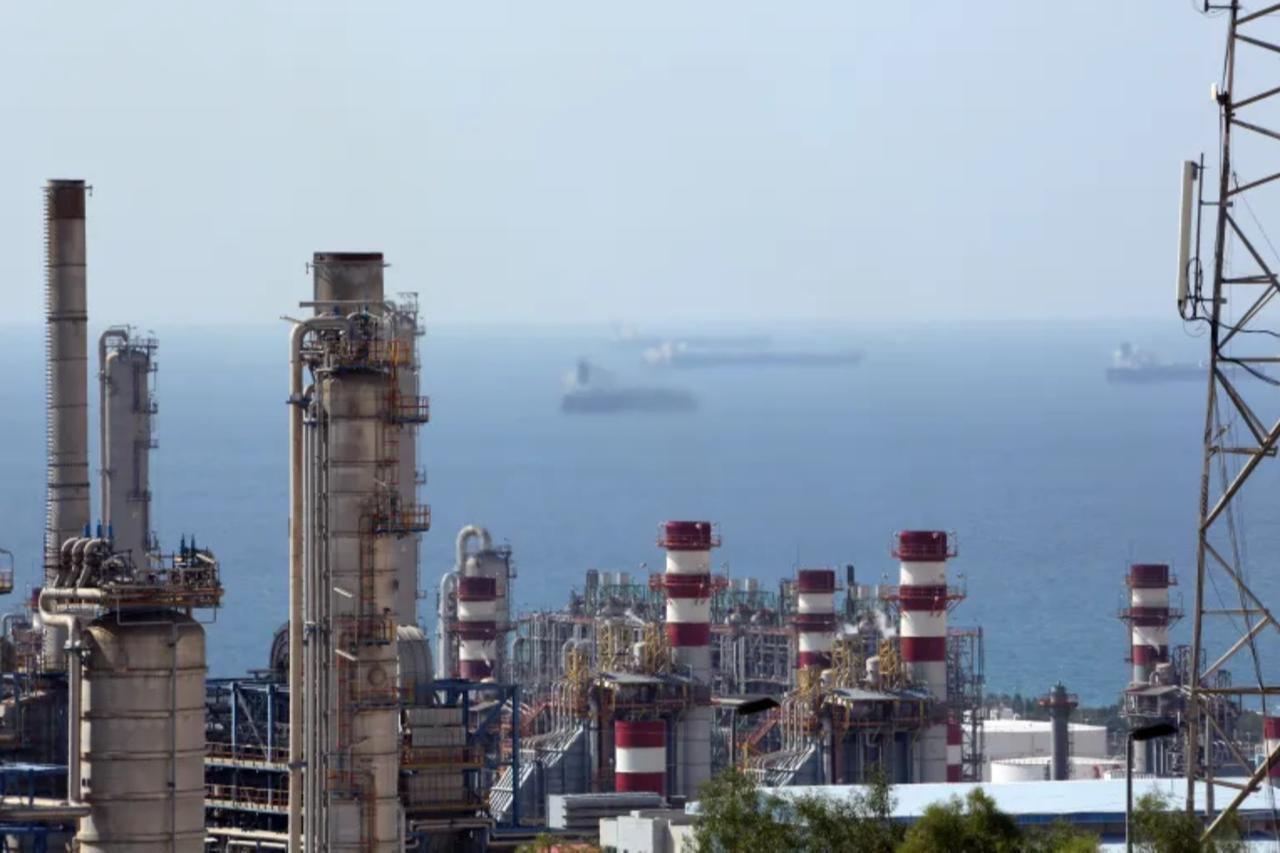
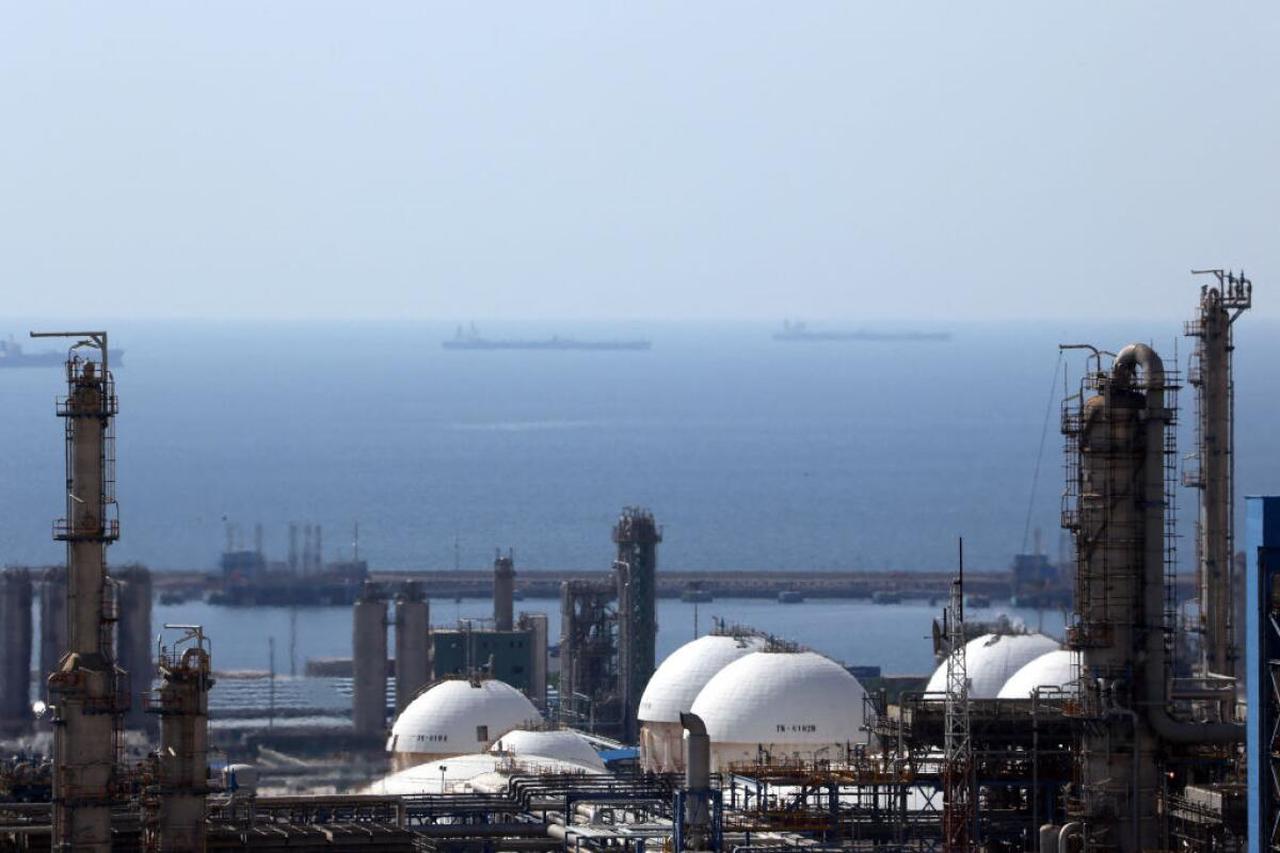
Analysis by the Open Data Center of Iran showed that Israeli strikes in the 39-day war specifically targeted Asaluyeh and Mahshahr, the two largest petrochemical production hubs, together accounting for 76% of Iran's total petrochemical output.
In Mahshahr, which accounts for 28% of Iran's petrochemical production, eight major petrochemical complexes, Bandar Imam, Maroun, Amirkabir, Bu Ali Sina, Tandgouyan, Karoun, Rejal and Takht Jamshid, suffered extensive destruction, totaling 17 million tons of capacity representing 60% of Mahshahr's total.
Other complexes in the industrial zone were rendered inoperative due to strikes on auxiliary facilities, including power plants.
Asaluyeh, which accounts for 48% of Iranian petrochemical production, had its auxiliary infrastructure, including power plants and oxygen and water supply facilities, targeted, causing all complexes in the zone to halt production.
Damage to the Tabriz petrochemical complex has also been reported.
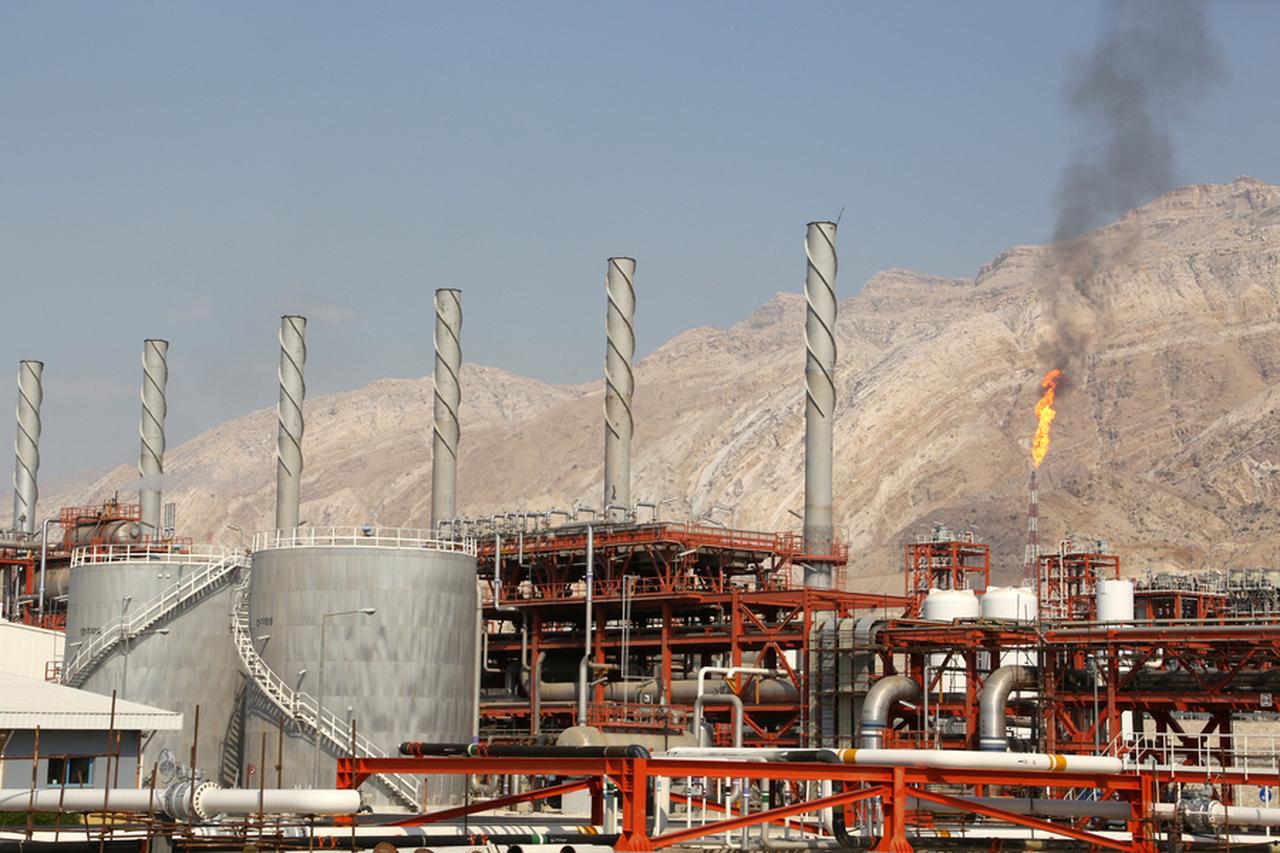
Iran produces approximately 74 million tons of petrochemical products annually, of which 29 million tons, less than 40%, are exported, with the larger share consumed domestically.
With three-quarters of production capacity offline, Iran faces not only a complete halt to exports but the prospect of needing to import petrochemical products in the medium term if the complexes are not restored.
The sector previously generated $13–15 billion per year in exports, Iran's most important hard currency source after oil. Petrochemicals include plastics, electronics inputs, fertilizers, medicines, and a wide range of downstream industrial raw materials.


 Set as preferred source
 Set as preferred source



 1 min read