Newsletters


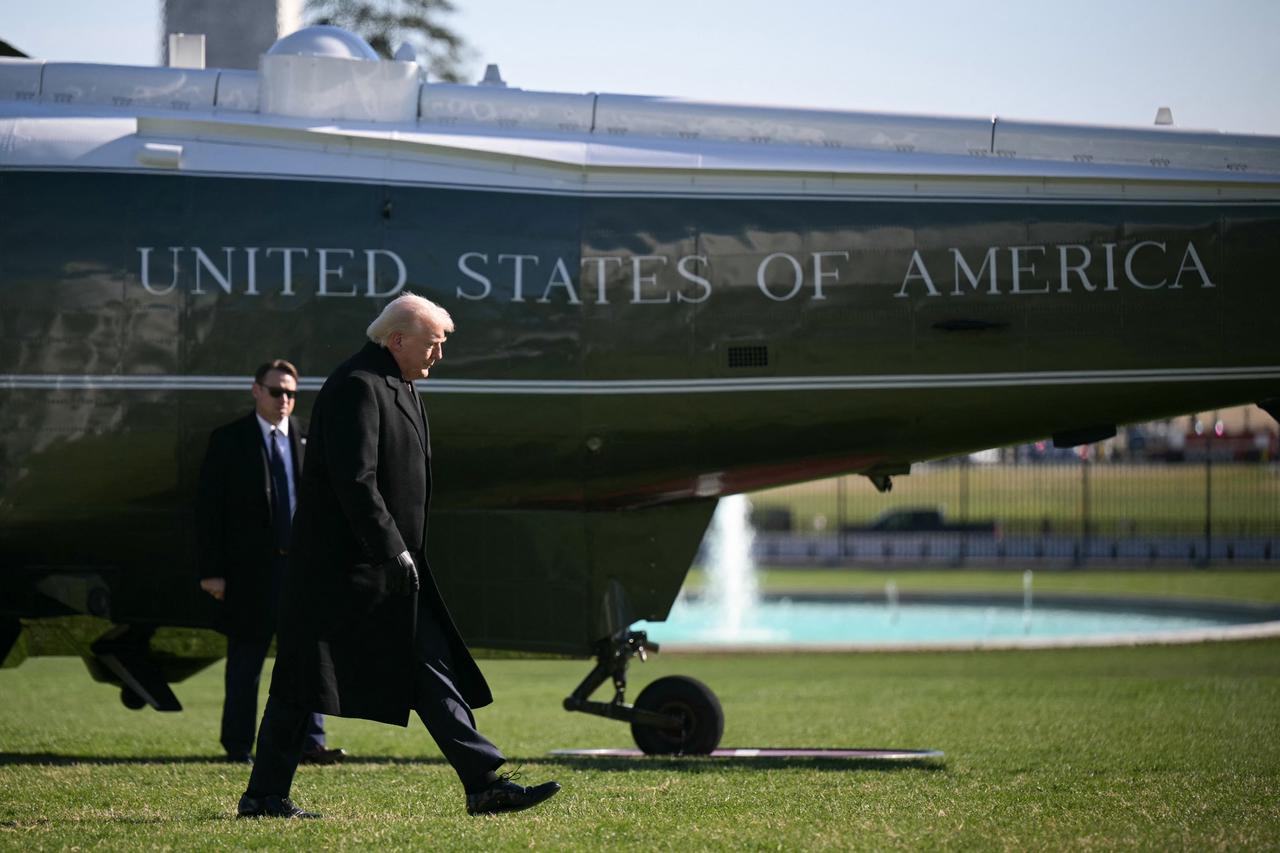


The United States was informed in advance about Israel's plan to strike South Pars, a U.S. official told NBC News, directly contradicting U.S. President Donald Trump's claim that the U.S. "knew nothing" about the attack
Israeli Prime Minister Benjamin Netanyahu also acknowledged Israel "acted alone" and said he agreed to hold off on future strikes at Trump's request.
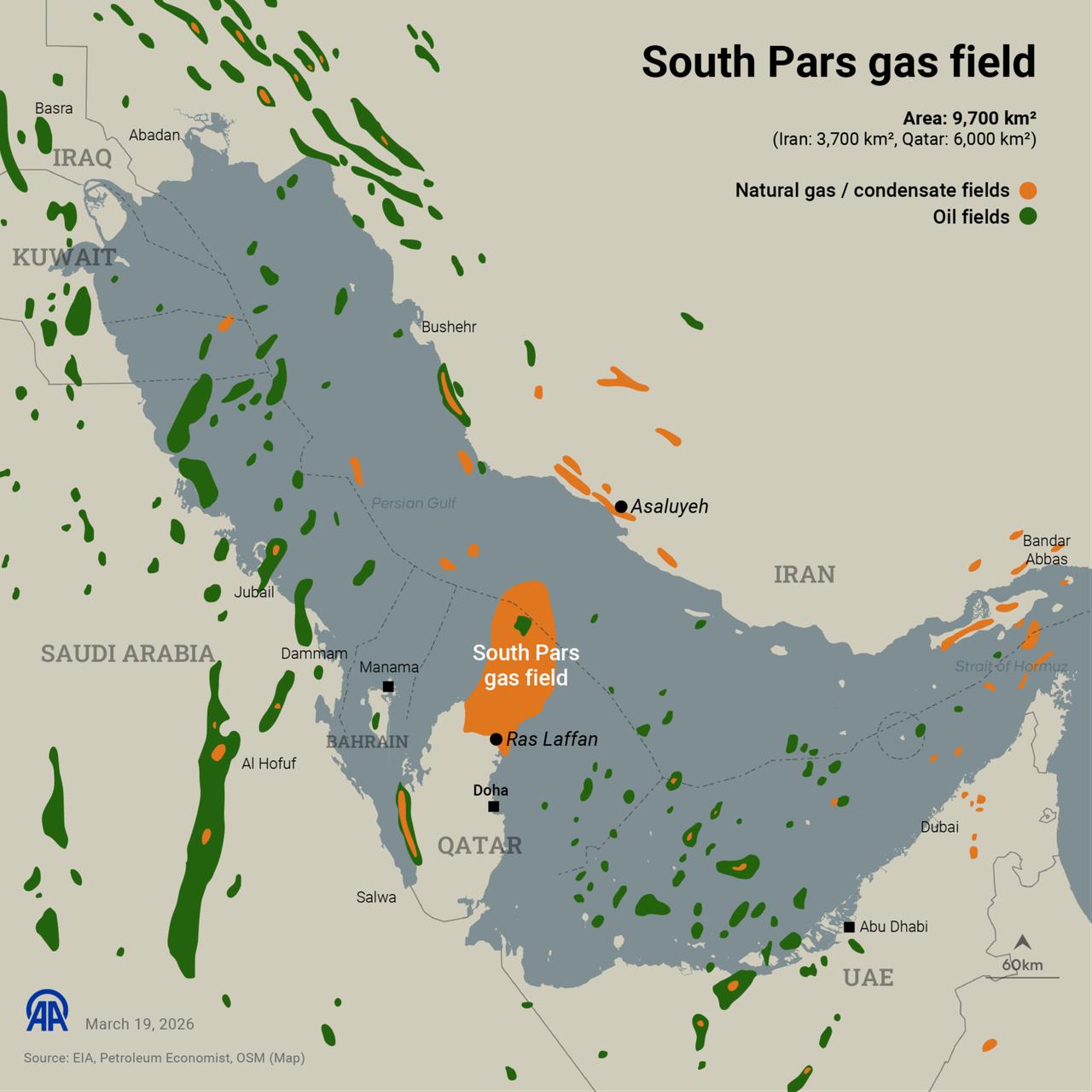

A U.S. official familiar with the information told NBC News on Friday that Israel did inform the U.S. it was planning to strike South Pars before the attack took place.
"The U.S. and Israel have been coordinating strikes and targets, especially strategically significant ones," the official said.
A senior official close to Qatar's leaders also told NBC News that Trump's assertion the U.S. "knew nothing" about the impending attack was not true.
In a Truth Social post, Trump had said the U.S. "knew nothing about" the attack before it happened.
He said South Pars would not be attacked again unless Iran continues to strike energy facilities in Qatar, in which case the U.S. "will massively blow up the entirety" of the gas field.
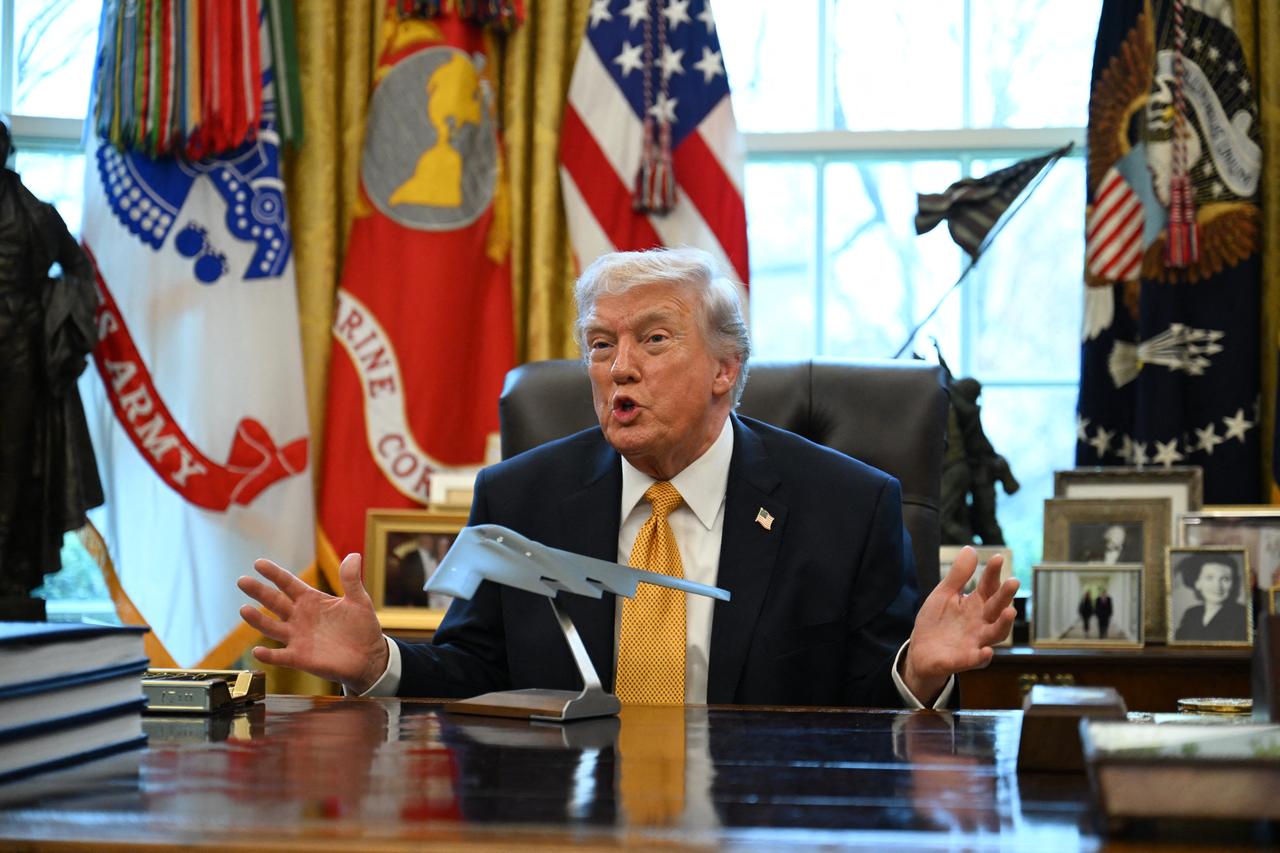
"Israel, out of anger for what has taken place in the Middle East, has violently lashed out at a major facility known as the South Pars Gas Field in Iran. A relatively small section of the whole has been hit. The United States knew nothing about this particular attack, and the country of Qatar was in no way, shape, or form, involved with it, nor did it have any idea that it was going to happen," Trump stated on his Truth Social post on March 19.
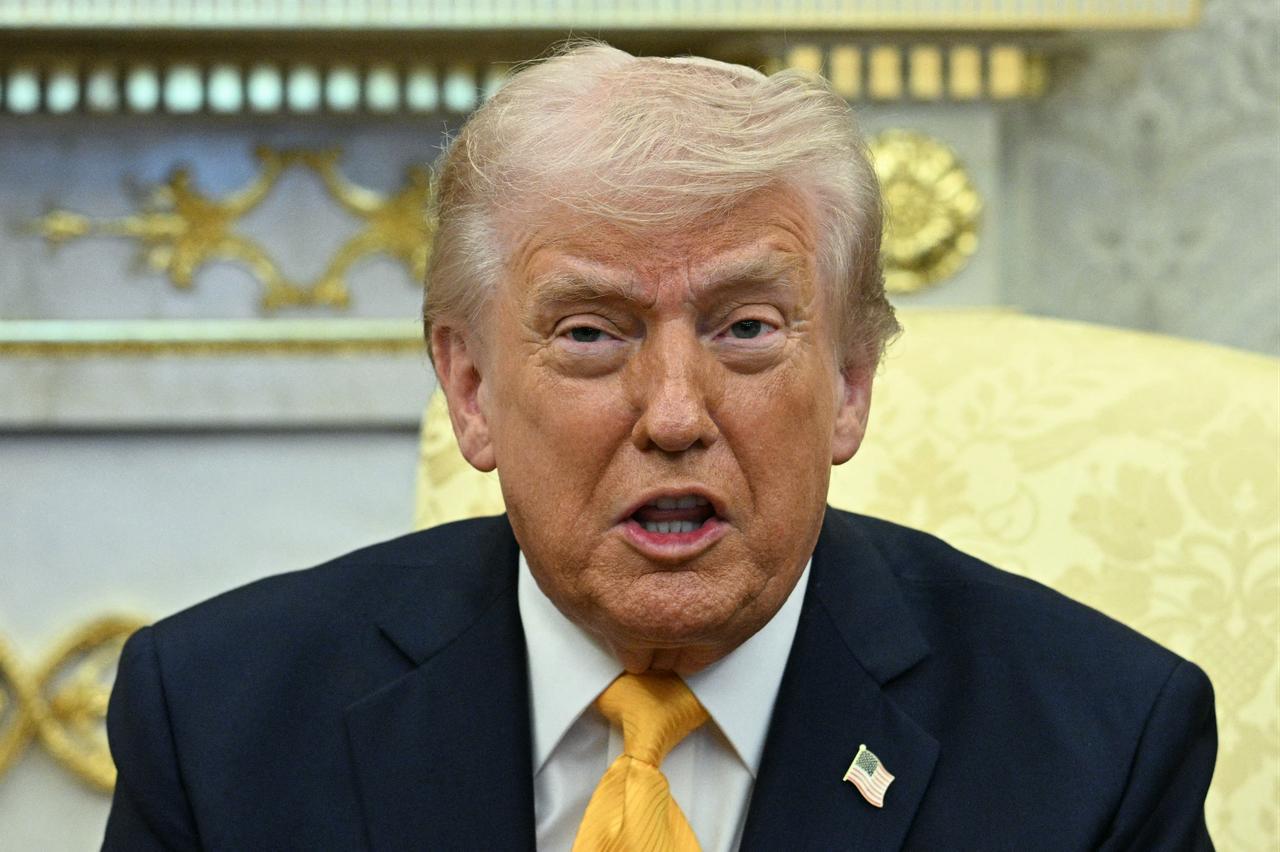
Speaking to reporters on Thursday, Trump said he urged Netanyahu not to strike Iran's oil and gas infrastructure.
"Yeah, I did, I did. I told him, don't do that, and he won't do that," Trump said.
"We didn't discuss; we do independent work but get along great. It's coordinated. But on occasion, he'll do something. And if I don't like it… we're not doing that anymore," he added.
At a press conference Thursday night, Netanyahu acknowledged that Israel acted independently in striking the South Pars refineries.
"Israel acted alone against the South Pars gas refinery," he said. Netanyahu also said that after a request from Trump, his military had agreed to "hold off on future attacks" on Iranian energy facilities.
Analyzing the conflicting claims regarding the South Pars attack, Türkiye Today's columnist Arda Mevlutoglu wrote on X that, "Trump's 'and/or' lack of prior knowledge that the U.S. administration would strike such a strategic target is an admission that there is no operational or strategic-level coordination or alignment in the US-Israel coalition."
"If Trump 'and/or' the U.S. administration were aware of this attack and learned of it through their own means, this too, in the same way, is an indicator that the coalition is actually not functioning and does not exist. If Israel had informed Trump 'and/or' the U.S. administration in advance, or if the attack was carried out with full coordination, 1. The consequences (Iran striking Qatar & Riyadh) were not calculated, 2. Trump is trying to "wash his hands of it" by dumping the blame (for both this event and the war) on Israel," Mevlutoglu noted.
"In any case, the war has turned into something utterly absurd at the end of 19 days—open-ended and ambiguous, unable to generate legitimacy on any front, already beginning to spawn immense economic and political repercussions," he added.
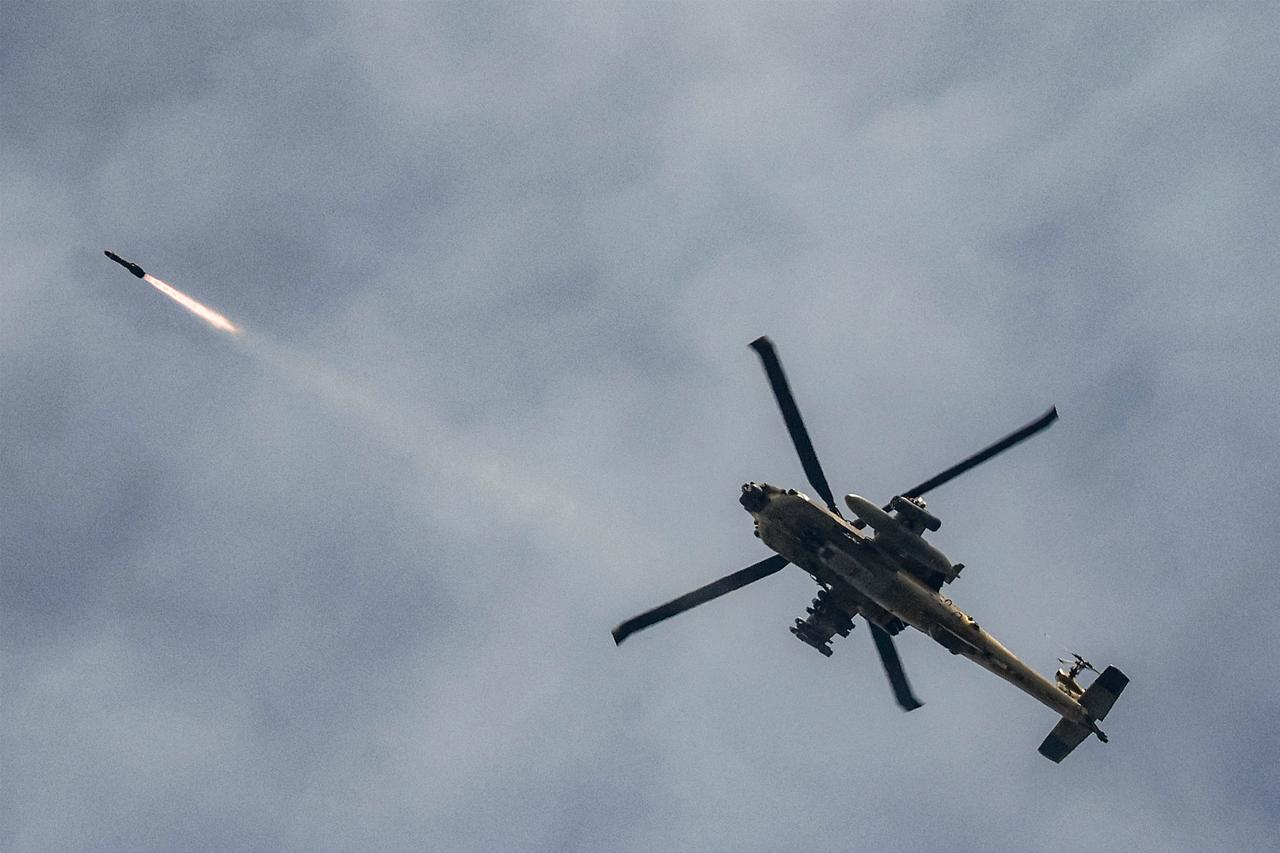
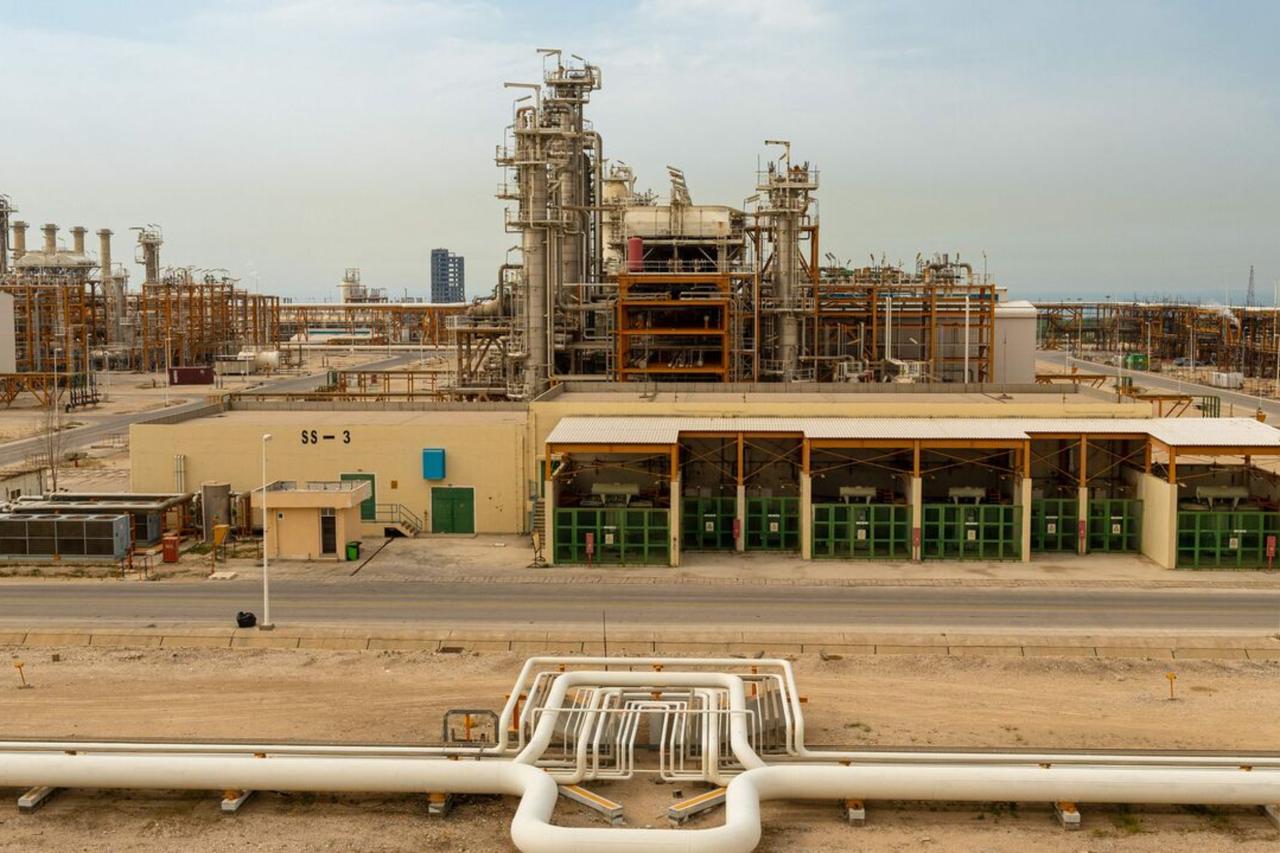
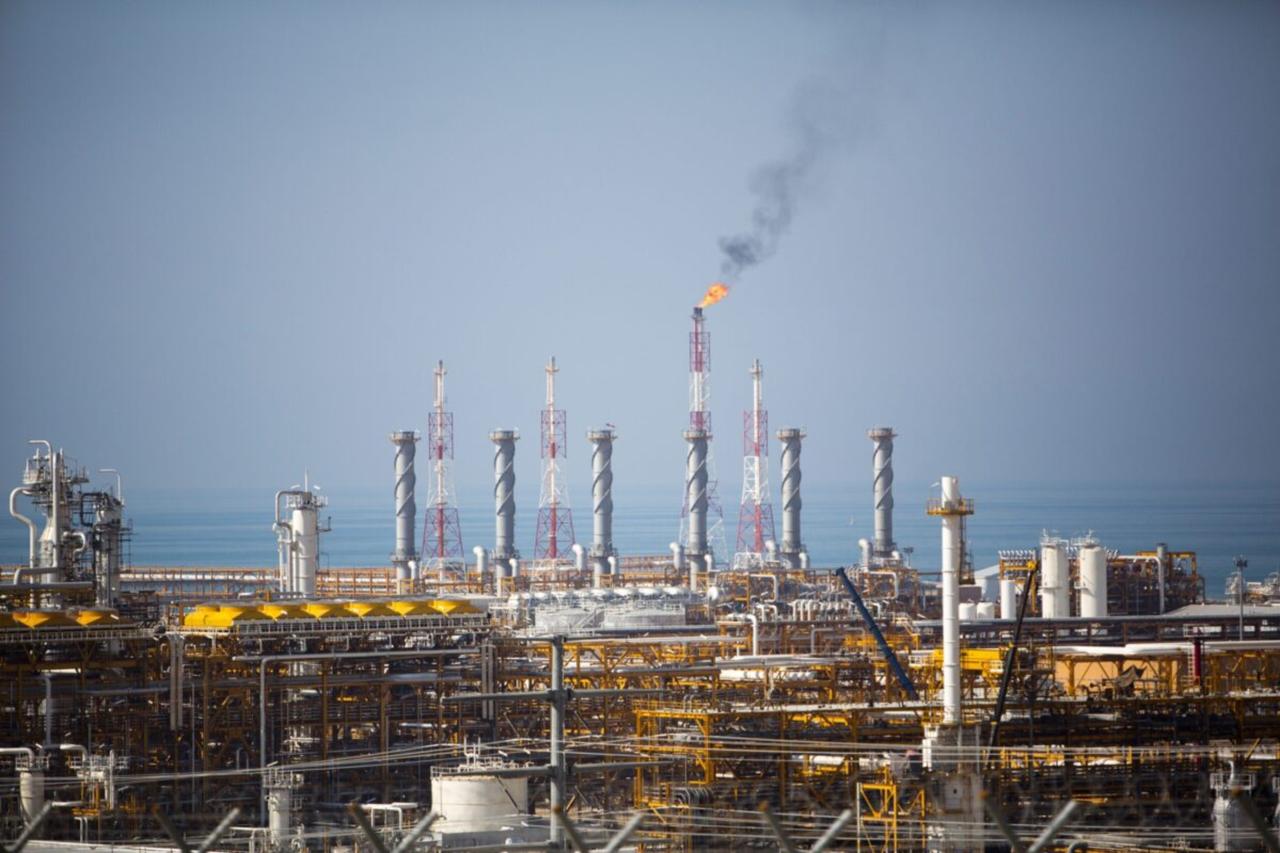
The attack on South Pars, the Iranian side of the world's largest natural gas field shared with Qatar, represents a major blow to Iran, which relies on it for approximately 80% of its domestic energy needs.
The strike triggered sharp retaliation from Iran, which attacked energy facilities across the region, including in Qatar and Kuwait, and warned it would show "zero restraint" if its infrastructure were hit again.
Qatar is angry with both Iran and with the U.S. and Israel, the senior official close to Qatar's leaders told NBC News, because a war partly justified as necessary to protect international flows of oil and gas is now setting Qatar's vital infrastructure ablaze.
The escalation has rattled global energy markets, with oil and natural gas prices surging amid fears of wider disruptions.


 Set as preferred source
 Set as preferred source


 1 min read
 1 min read