Newsletters


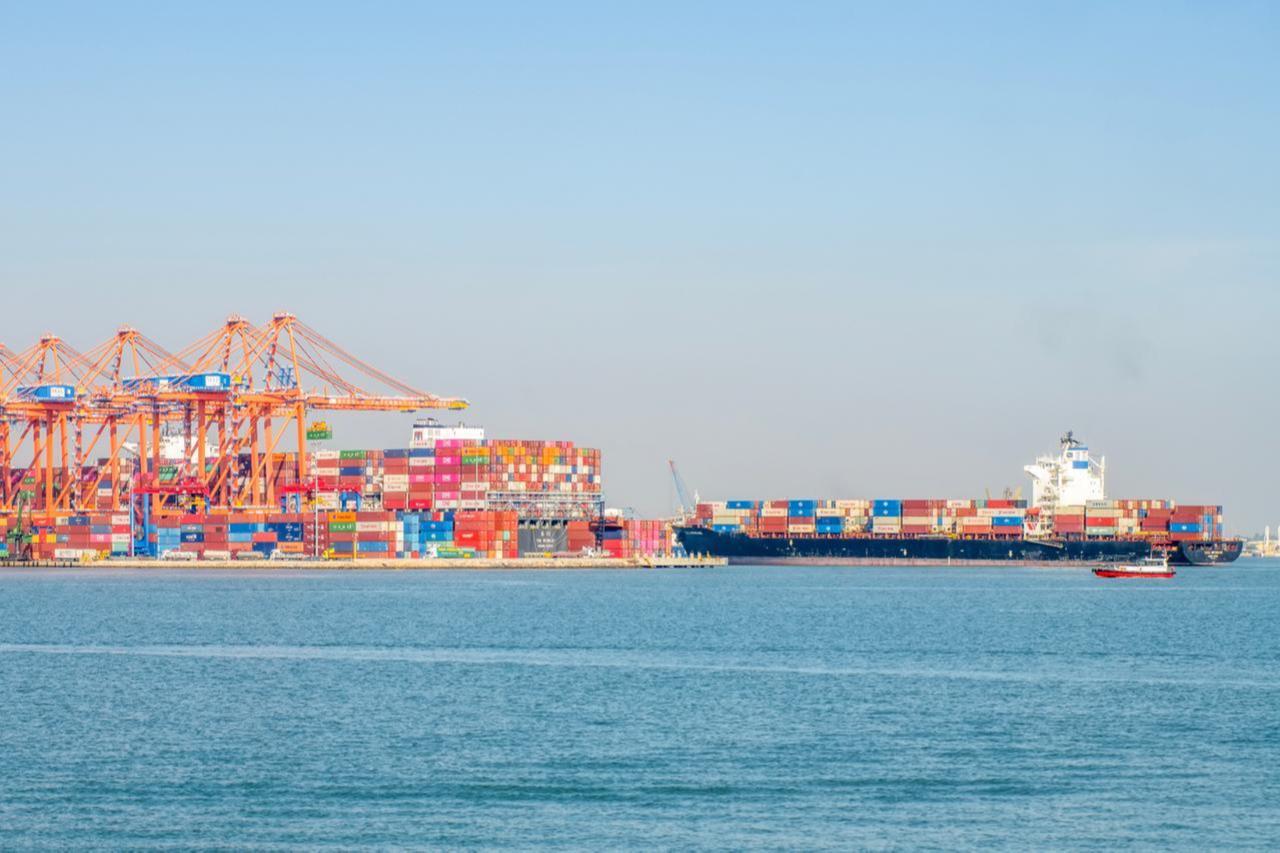


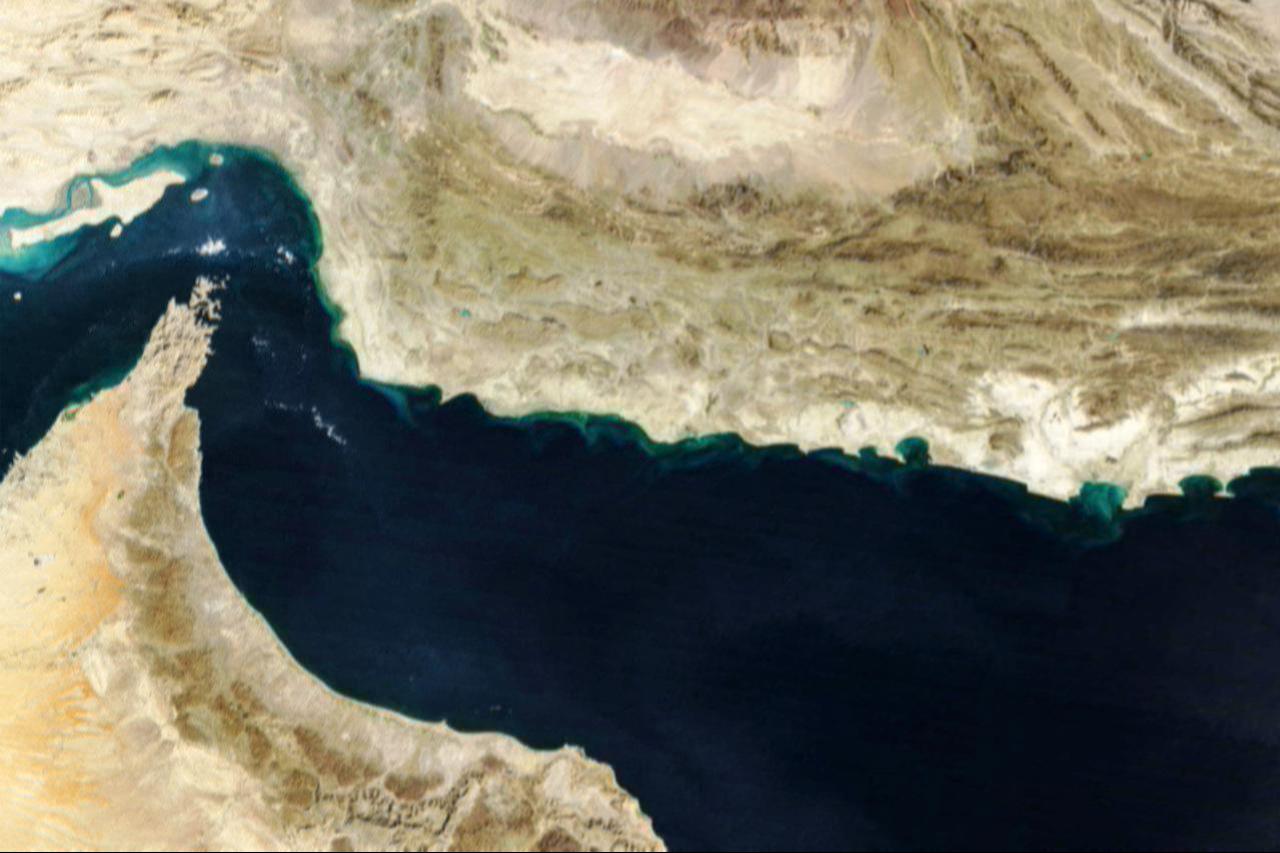
Türkiye’s export expectations for Q2 weakened sharply as the Iran war disrupted shipping through the Strait of Hormuz, slowed regional economic activity, and pushed up costs across key export routes.
The Trade Ministry’s latest survey shows the export expectations index fell 10.1 points from the previous quarter to 99.1, down from 109.2. The reading also stood 10.4 points lower than a year earlier, pointing to a broad cooling in forward-looking demand.
The shift reflects a weaker outlook rather than a collapse in current activity alone. Expectations for exports over the next three months eased, while order projections and recent order levels also moved lower. Assessments of existing registered export orders, however, edged up slightly, offering limited support.
Import expectations for the same period also moved lower, though less sharply. The index slipped 4.4 points quarter-on-quarter to 104.9, while still standing 1.3 points above last year’s level.
Weaker projections for incoming shipments and softer readings on both current and recent import orders weighed on the index. At the same time, firms flagged higher unit price expectations for the next three months, underscoring persistent cost pressure.

Recent trade figures show the war is already feeding into Türkiye’s trade performance, with exports dropping 6.4% year-on-year in March to $21.9 billion, a decline of roughly $1.5 billion. Imports moved higher as rising energy costs during the conflict added further strain, increasing 8.4% to $33.2 billion and pushing the foreign trade deficit up 56.6% to $11.3 billion.
The hit was most visible in Gulf markets, where exports to eight countries fell 37% to $1.4 billion, with monthly losses reaching $815 million as shipping routes tightened and access to the region became more constrained.
In the first quarter of the year, exports declined 3.1% year-on-year to $63.3 billion, while imports increased 4.7% to $92 billion.
 Breaking News, Direct to You.
 Follow Türkiye Today on WhatsApp
for real-time updates and key insights from Türkiye and beyond.
Follow Türkiye Today on WhatsApp
for real-time updates and key insights from Türkiye and beyond.
On this backdrop, Sekib Avdagic, head of the Istanbul Chamber of Commerce, warned that a new wave of "warflation"—inflation driven by supply shocks linked to conflict—could weigh on production, efficiency, and exports.
"Europe’s shift toward sourcing from closer and more reliable regions positions Türkiye as a natural production hub," he noted, adding that the country must shield its production, productivity, and export balance from global inflation pressures.
He also pointed to weakening external demand and rising costs as factors that could alter the composition of growth, even as domestic demand continues to support the economy.


 Set as preferred source
 Set as preferred source


 1 min read
 1 min read